Global trade relies heavily on the efficiency of ocean freight. If you are a business owner or supply chain manager sourcing products from the world’s largest manufacturing hub, understanding exactly how to ship containers overseas is critical to your bottom line. Navigating international logistics, customs clearance, and long-distance ocean transit can seem daunting, but it doesn’t have to be.
At Jazlog, we are a premier China freight forwarder dedicated to bridging the gap between Chinese manufacturers and global markets. Whether you are shipping to the USA, Canada, Australia, the UK, Europe, or Africa, this comprehensive guide will walk you through the essential steps to ensure your cargo arrives safely, on time, and within budget.
1. Introduction: Understanding Shipping Price Differences
1.1 The Impact of Shipping Costs on Business Operations
Shipping costs are like the hidden gears inside a finely tuned pickleball paddle: they may seem invisible at first glance, but when they start spinning out of control, the whole operation feels it. High shipping costs directly eat into profit margins, impacting cash flow and forcing businesses to either raise product prices or absorb the loss. For manufacturers, distributors, and e-commerce operators alike, these costs are not mere line items—they are operational levers that influence warehouse strategy, inventory turnover, and even long-term growth planning.
1.2 Why Customers Notice Price Variations
Ever scroll through checkout and feel that gut punch when the shipping fee is unexpectedly high? Customers notice these differences instantly because shipping costs are tangible—they’re the first thing that hits after the product price. Disparities between carriers or shipping options can lead to perceived unfairness, prompting buyers to abandon carts or shop elsewhere. It’s not just numbers; it’s about perceived value and the trust customers place in your pricing integrity.
1.3 How Shipping Costs Influence Buyer Decisions
Buyers are instinctive calculators. When presented with two products that are identical in every way, the shipping cost becomes a decisive factor, tipping the scales toward affordability or convenience. In industries where margins are tight, such as electronics or industrial equipment, even a $5 difference can sway purchasing behavior. High shipping prices can make a brand seem premium—or overpriced—so understanding and communicating these costs becomes as strategic as the manufacturing process itself.
2. Factors That Affect Shipping Prices
2.1 Weight and Dimensions of the Shipment
Shipping isn’t just about throwing a box on a truck—it’s about physics, logistics, and volumetrics. Heavier packages incur more fuel and labor costs, while oversized parcels require special handling and space allocation. Carriers calculate rates based on either actual weight or dimensional weight, and understanding this nuance can explain why seemingly similar shipments have vastly different costs.
2.2 Shipping Distance and Destination Zones
Distance is deceptively complicated. Domestic shipments may be cheaper, but cross-country or international routes add layers of complexity, including multi-modal transportation and hub transfers. Zones defined by carriers influence pricing, as a shipment to a remote rural area might cost exponentially more than one to a metropolitan hub. Geography, therefore, is a silent architect of shipping expense.
2.3 Type of Goods and Special Handling Requirements
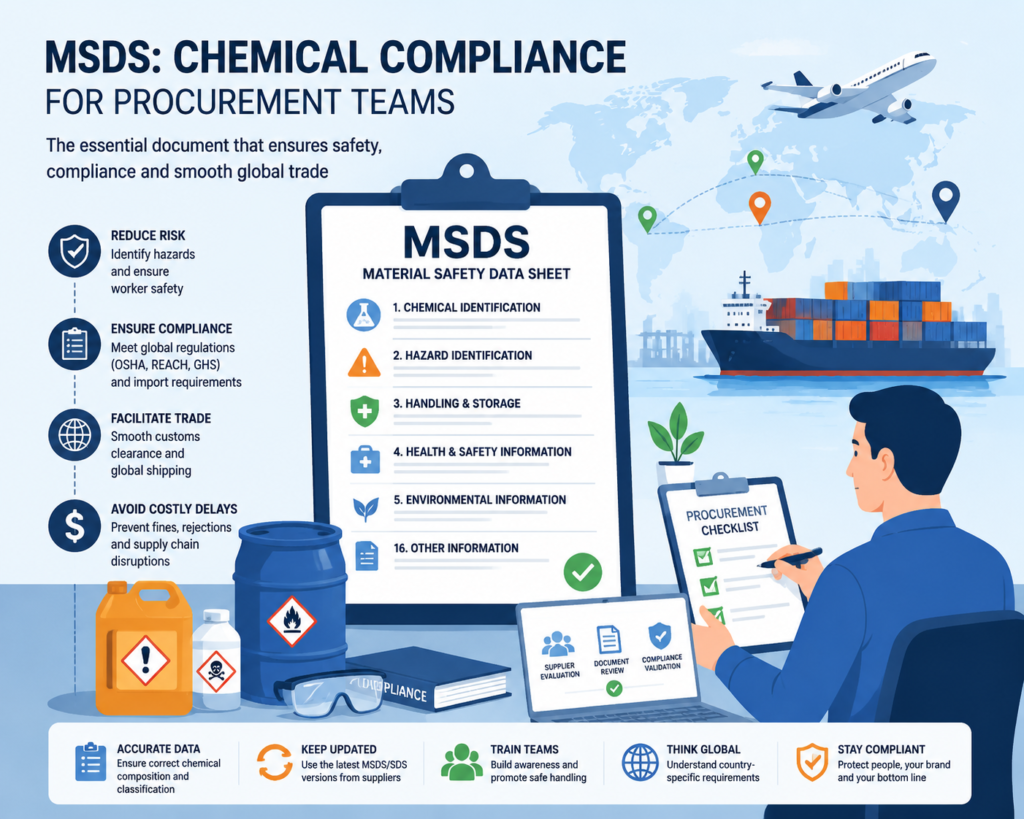
Some shipments are delicate, perishable, or hazardous—each requiring additional care, insurance, and handling protocols. Electronics need anti-static packaging, food products demand temperature-controlled logistics, and chemicals necessitate regulatory compliance. These requirements are not trivial; they add layers of labor, materials, and oversight that are baked into the final shipping price.
3. Carrier Selection and Pricing Strategies
3.1 Comparing Major Shipping Carriers
FedEx, UPS, DHL—they all seem similar on the surface, but each carrier has a labyrinth of pricing tiers, peak surcharges, and service nuances. Some may offer cheaper ground rates but lag in speed, while others command a premium for reliability and coverage. Choosing a carrier is not just a cost exercise; it’s a strategic alignment with your business priorities.
3.2 Understanding Carrier Pricing Models
Carriers use complex algorithms that consider weight, dimensions, distance, service level, and even fuel prices to generate rates. Flat rates, zone-based rates, and volumetric pricing each have their merits depending on shipment characteristics. Without understanding the model behind the numbers, businesses may be overpaying without realizing it.
3.3 How Negotiated Rates Can Affect Prices
Big shippers often secure contract rates that undercut standard pricing. These negotiated rates are a function of volume, frequency, and carrier leverage. Small and medium enterprises may not have this advantage, which is why their per-shipment cost appears higher despite the same service level—a classic case of market mechanics in action.
4. Fuel Surcharges and Hidden Fees
4.1 What Fuel Surcharges Are and How They’re Calculated
Fuel surcharges are carriers’ way of passing fluctuating fuel costs onto shippers. These fees are dynamic, often tied to crude oil prices, and can vary week to week. They’re not optional add-ons—they’re embedded in the invoice, reflecting a reactive pricing strategy that aligns with volatile market conditions.
4.2 Common Hidden Fees in Shipping
Beyond fuel, there are accessorial charges: residential delivery fees, liftgate requirements, oversized packages, and Saturday delivery premiums. These seemingly minor charges compound, leading to a total cost far higher than the base rate advertised. Unpacking these fees is crucial for transparent customer communication.
4.3 How These Fees Contribute to Price Differences
Hidden fees are the silent differentiators that create noticeable price gaps between carriers. Two businesses shipping the same package might end up paying vastly different amounts based on how diligently each negotiates or anticipates these ancillary charges. Knowledge is power—and money saved.
5. Shipping Speed and Service Level
5.1 Standard vs Expedited Shipping Options
Standard ground shipping is the workhorse: reliable, cost-effective, but slower. Expedited options like two-day or overnight services prioritize speed, but the premium reflects not just fuel and labor, but also the operational gymnastics required to make it happen. Choosing the right service level is about balancing urgency against cost.
5.2 Same-Day and Next-Day Delivery Impacts
These hyper-fast options aren’t just luxury—they’re logistical feats that involve dynamic routing, real-time inventory adjustments, and priority handling. The added operational complexity translates directly into higher costs that are unavoidable, even if the end-customer only notices the price tag.
5.3 Service Quality vs Cost Trade-Offs
Sometimes you get what you pay for. Cheaper shipping may mean slower transit, higher risk of damage, or limited tracking, while premium services offer predictability and insurance coverage. Businesses must weigh cost savings against reliability, as customer satisfaction often trumps a few dollars saved.
6. Packaging and Handling Costs
6.1 Materials and Packaging Types
Bubble wrap, reinforced boxes, pallets, custom inserts—the right packaging protects your goods but comes with an expense. High-quality packaging prevents damage claims, yet the upfront cost is directly incorporated into shipping fees. Skimping here is a false economy; overspending is a margin concern.
6.2 Labor Costs for Special Handling
Some items require forklifts, hoists, or specialized manual labor for loading. Labor rates vary by region and carrier, and complex handling adds time and cost to each shipment. This isn’t just a line item; it’s an operational reality that affects overall pricing.
6.3 Packaging Efficiency and Cost Optimization
Smart packing can reduce dimensional weight, prevent damage, and minimize labor time. Businesses that invest in optimization software or modular packaging solutions can reduce per-shipment costs significantly, creating a competitive edge without compromising safety.
7. Insurance and Liability Considerations
7.1 Shipping Insurance Options
Insurance is the safety net that turns nerve-wracking shipments into calculated risks. Carriers offer varying coverage levels—from basic lost/damaged claims to full replacement value protection. While optional, comprehensive insurance can add a few bucks per shipment but protects businesses from catastrophic losses, especially when shipping high-value machinery or sensitive electronics.
7.2 Risk of Damage or Loss
Even the most carefully packaged items aren’t immune to mishaps. Forklift accidents, rough handling, or environmental exposure can result in partial or total loss. The higher your goods’ vulnerability, the more carriers will factor risk premiums into the price, making some shipments inherently costlier than others.
7.3 How Liability Affects Pricing
Carriers often shift liability costs to the shipper through surcharges or required insurance, especially for fragile or high-value items. This means two businesses sending the same package could pay drastically different rates if one opts for insurance and the other relies on standard liability coverage.
8. Customs and Import/Export Fees
8.1 Duties and Taxes in International Shipping
International shipments encounter duties, tariffs, and local taxes that vary by country, product type, and declared value. These fees are not optional—they’re mandated by governments and often unpredictable, creating wide disparities in overall shipping cost between destinations.
8.2 Clearance and Brokerage Fees
Customs brokers handle paperwork, compliance verification, and regulatory adherence, charging fees for their expertise. Without proper brokerage, shipments can be delayed or fined, which indirectly raises costs. High-quality brokerage may cost more upfront but prevents expensive hold-ups.
8.3 Compliance Costs and Documentation
Documentation errors can be costly—incorrect HS codes, missing invoices, or incomplete certifications can trigger penalties. Businesses shipping internationally must account for these administrative costs as part of total shipping pricing, especially in heavily regulated industries like electronics or chemicals.
9. Seasonal and Market Demand Factors
9.1 Peak Seasons and Holiday Surcharges
Holiday rushes and seasonal spikes in demand drive up shipping costs. Carriers add surcharges during Black Friday, Christmas, and Chinese New Year periods to cover overtime labor and strained capacity. These surcharges are inevitable but necessary to maintain service reliability.
9.2 Market Trends Affecting Shipping Costs
Global fuel price fluctuations, labor shortages, and shifts in e-commerce volume can drastically affect shipping pricing. A sudden spike in online orders can force carriers to reallocate resources, indirectly raising costs for all shippers in the ecosystem.
9.3 How Demand Fluctuations Create Price Differences
When demand exceeds capacity, carriers prioritize shipments with higher profitability, leaving smaller or low-volume shippers paying proportionally more. This dynamic explains why some businesses feel the sting of higher rates even without changing their service requirements.
10. Technology and Tracking Solutions
10.1 Real-Time Tracking Systems and Costs
Tracking systems provide visibility into every stage of a shipment, but they aren’t free. Integration of GPS, RFID, and cloud software increases operational costs, which carriers pass onto customers. The transparency, however, reduces lost shipments and improves customer satisfaction, often justifying the additional expense.
10.2 Automated Shipping Software Impact on Pricing
Automation streamlines label printing, scheduling, and route optimization, reducing labor costs and errors. Businesses that implement such technology may see a small uptick in per-shipment costs but reap savings from reduced delays and claims—a classic case of spending a little to save a lot.
10.3 How Technology Improves Efficiency and Justifies Costs
Investments in predictive analytics, warehouse robotics, and AI-assisted route planning improve speed and reliability. While upfront costs can elevate shipping prices, the efficiency gains create long-term savings and customer trust that outweigh the initial premium.
11. Fuel and Environmental Regulations
11.1 Carbon Taxes and Environmental Fees
As governments push for sustainability, carriers pass on carbon taxes and environmental levies. Shipping companies using fossil fuels or older fleets often include these costs in pricing, resulting in higher shipping fees compared to greener alternatives.
11.2 Eco-Friendly Shipping Methods and Costs
Options like electric delivery vehicles, biofuel-powered trucks, or optimized route planning reduce carbon footprints but may cost more to operate. Businesses choosing eco-friendly shipping contribute to sustainability but also pay a premium for these “green” services.
11.3 Long-Term Sustainability Impact on Pricing
Regulatory pressure and public demand for environmental responsibility will continue to influence shipping costs. Businesses that adopt sustainable practices early may see long-term cost benefits through incentives and efficiency gains, but short-term pricing remains higher.
12. Volume Discounts and Loyalty Programs
12.1 Bulk Shipping Benefits
Large-scale shippers enjoy economies of scale. Volume discounts reduce per-unit costs dramatically, allowing companies to maintain competitive pricing even with high operational overheads. Small businesses without this advantage often pay more per shipment, creating noticeable disparities.
12.2 Carrier Loyalty Programs and Savings
Frequent-shipping programs reward loyalty with rebates, bonus miles, and discounted surcharges. Regular shippers can offset high base rates through consistent volume, while newcomers or intermittent shippers lack these privileges, resulting in higher apparent costs.
12.3 How Small Businesses May Face Higher Rates
Without bulk shipments or loyalty agreements, smaller operations shoulder higher per-package costs. They also lack leverage to negotiate surcharges or insurance premiums, which makes their shipping pricing seem disproportionally high in comparison to larger competitors.
13. Geopolitical and Economic Influences
13.1 Political Instability Affecting Logistics Costs
War, sanctions, and civil unrest can disrupt transportation networks, forcing carriers to reroute shipments or impose risk surcharges. Even domestic operations are affected if suppliers or ports are destabilized, creating temporary but significant price hikes.
13.2 Currency Fluctuations and International Shipping
Exchange rate volatility can inflate or deflate international shipping costs overnight. Businesses dealing in multiple currencies must factor in this unpredictability, which may explain why some cross-border shipments appear more expensive than expected.
13.3 Trade Restrictions and Tariffs Impact
Tariffs and regulatory restrictions on imports or exports can dramatically alter the cost of shipping. These costs are often passed along to the customer, creating significant price differences between regions or trade partners.
14. Common Misconceptions About Shipping Prices
14.1 “All Carriers Charge the Same” Myth
Many customers assume that shipping is standardized, but the reality is a labyrinth of rates, surcharges, and service variations. Pricing is heavily influenced by negotiation, volume, and operational complexity, making the “same box, same price” assumption a fallacy.
14.2 Underestimating Hidden Fees
Hidden fees such as residential delivery charges, oversized parcel surcharges, and customs brokerage costs often surprise shippers. These seemingly minor additions explain why quoted shipping prices sometimes understate the actual cost.
14.3 Why Cheap Shipping May Compromise Reliability
Opting for the lowest-cost carrier can result in longer delivery times, damaged goods, or lost shipments. Price alone is not always indicative of value; the total cost of failure—including returns and customer dissatisfaction—may exceed the perceived savings.
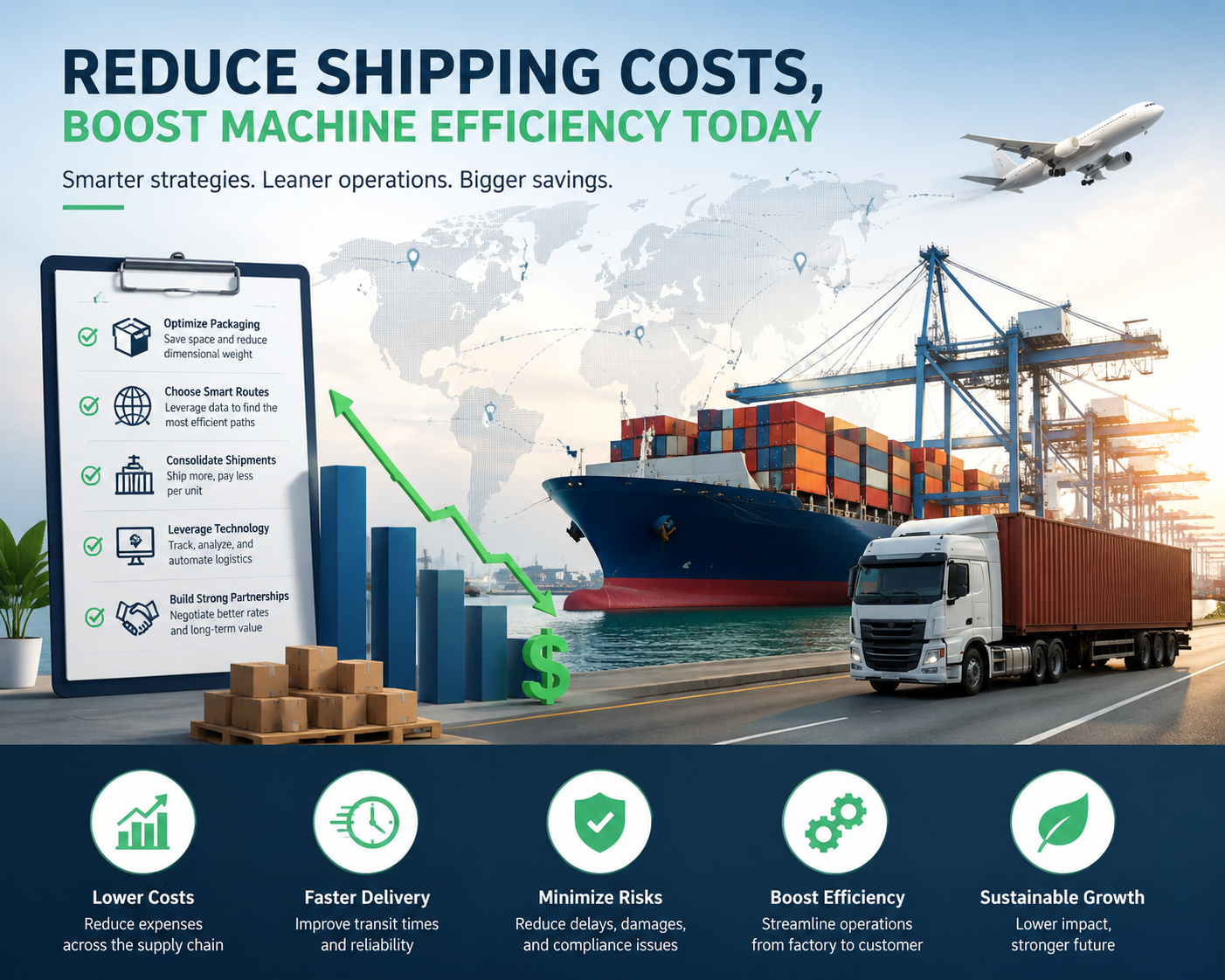
15. Tips to Optimize Your Shipping Costs
15.1 Negotiating Better Carrier Contracts
Building relationships with carriers can secure preferential rates, reduced surcharges, and flexible service options. Even small adjustments in contract terms can lower per-shipment costs without sacrificing reliability.
15.2 Efficient Packaging Strategies
Reducing dimensional weight, using modular packaging, and standardizing box sizes can cut both material and shipping costs. A few millimeters shaved off a package dimension can translate into tangible savings over thousands of shipments.
15.3 Using Technology for Smarter Shipping Decisions
Route optimization, predictive analytics, and automated label generation improve efficiency while reducing errors. Businesses leveraging these technologies save labor, fuel, and time—ultimately decreasing the effective shipping cost without compromising service.
16. Conclusion: Making Sense of Shipping Price Differences
16.1 Balancing Cost and Service Quality
Shipping pricing is a multidimensional equation balancing speed, reliability, risk, and cost. The optimal solution varies per business, depending on operational priorities and customer expectations.
16.2 Educating Customers on Pricing Rationale
Transparency in explaining shipping cost components builds trust. Customers who understand the reasoning behind higher fees are more likely to accept them without frustration, especially when paired with service reliability.
16.3 Future Trends in Shipping Pricing and Efficiency
Automation, sustainable logistics, and AI-driven route optimization will redefine shipping costs in the coming years. Businesses that embrace these innovations early may pay a premium now but gain efficiency and competitive advantage in the long term, turning higher prices into strategic investments rather than liabilities.
Ready to Ship Your Containers Overseas?
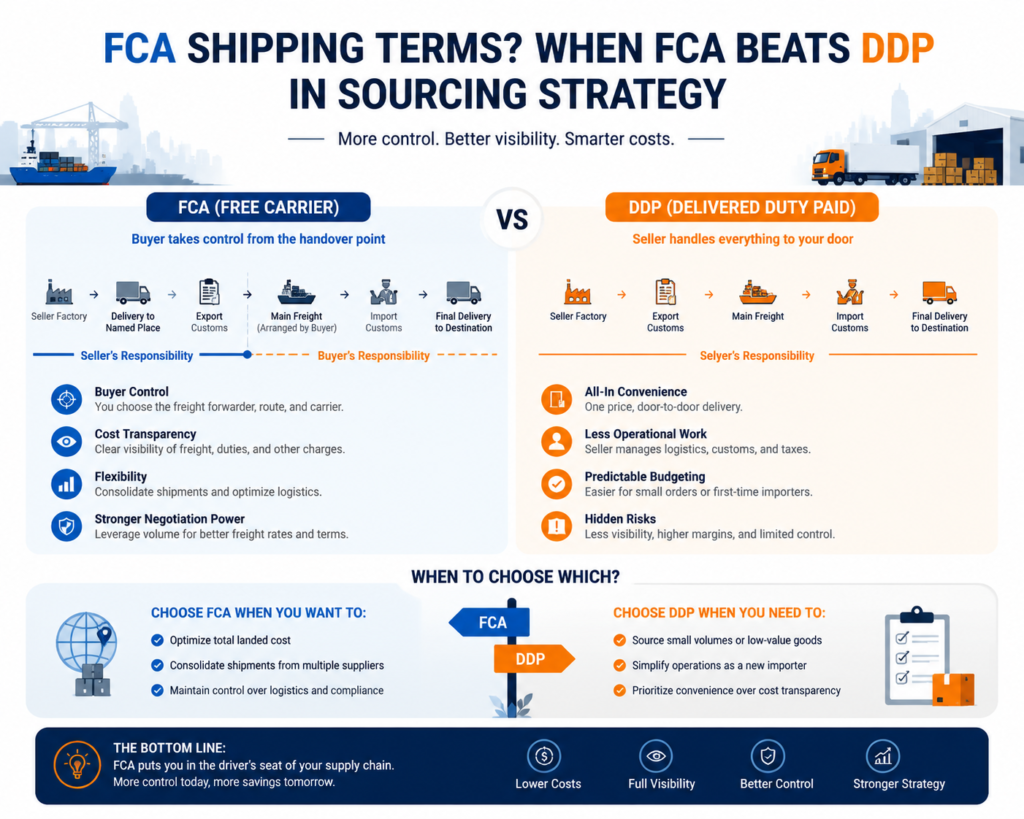
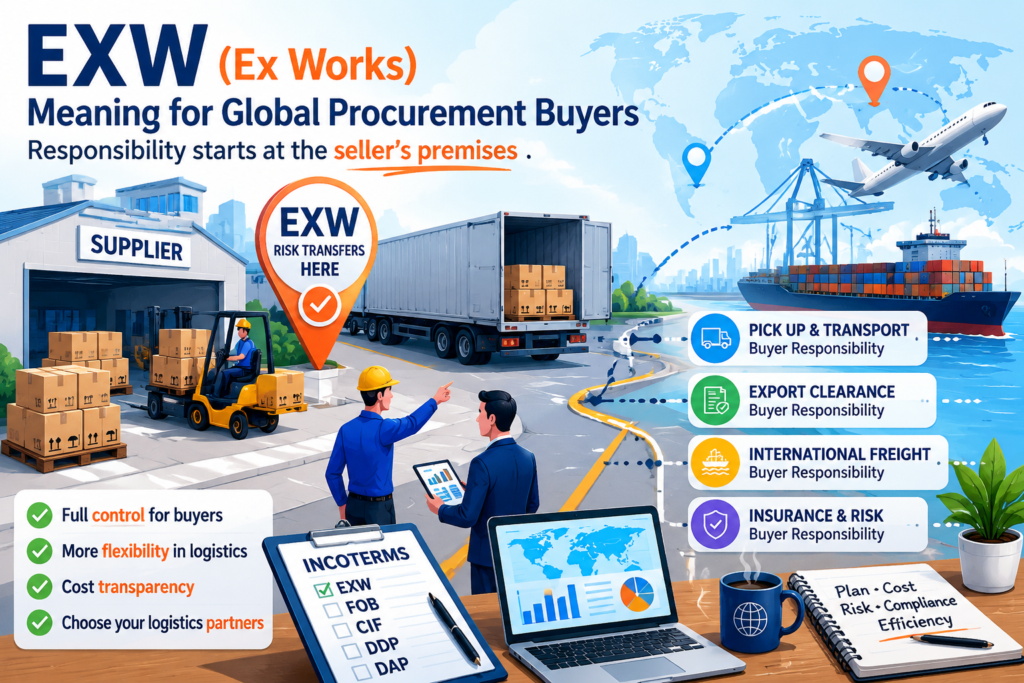
Figuring out how to ship containers overseas doesn’t have to be a barrier to your business growth. By understanding your cargo needs, choosing the right Incoterms, and partnering with an experienced logistics provider, you can streamline your entire supply chain.
At Jazlog, we are more than just a vendor; we are your strategic logistics partner in China. Whether you need standard FCL/LCL shipping, complex dangerous goods handling, or a completely hands-off DDP solution, our team is ready to deliver.