Global trade relies heavily on the efficiency of ocean freight. If you are a business owner or supply chain manager sourcing products from the world’s largest manufacturing hub, understanding exactly how to ship containers overseas is critical to your bottom line. Navigating international logistics, customs clearance, and long-distance ocean transit can seem daunting, but it doesn’t have to be.
At Jazlog, we are a premier China freight forwarder dedicated to bridging the gap between Chinese manufacturers and global markets. Whether you are shipping to the USA, Canada, Australia, the UK, Europe, or Africa, this comprehensive guide will walk you through the essential steps to ensure your cargo arrives safely, on time, and within budget.
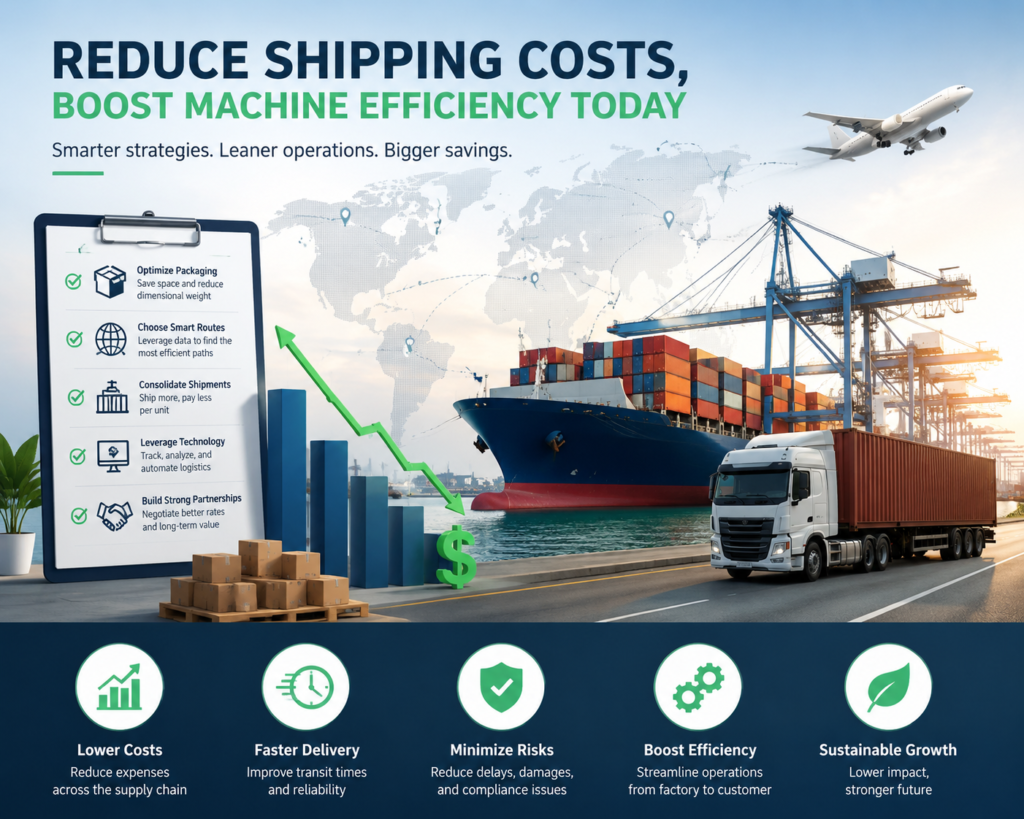
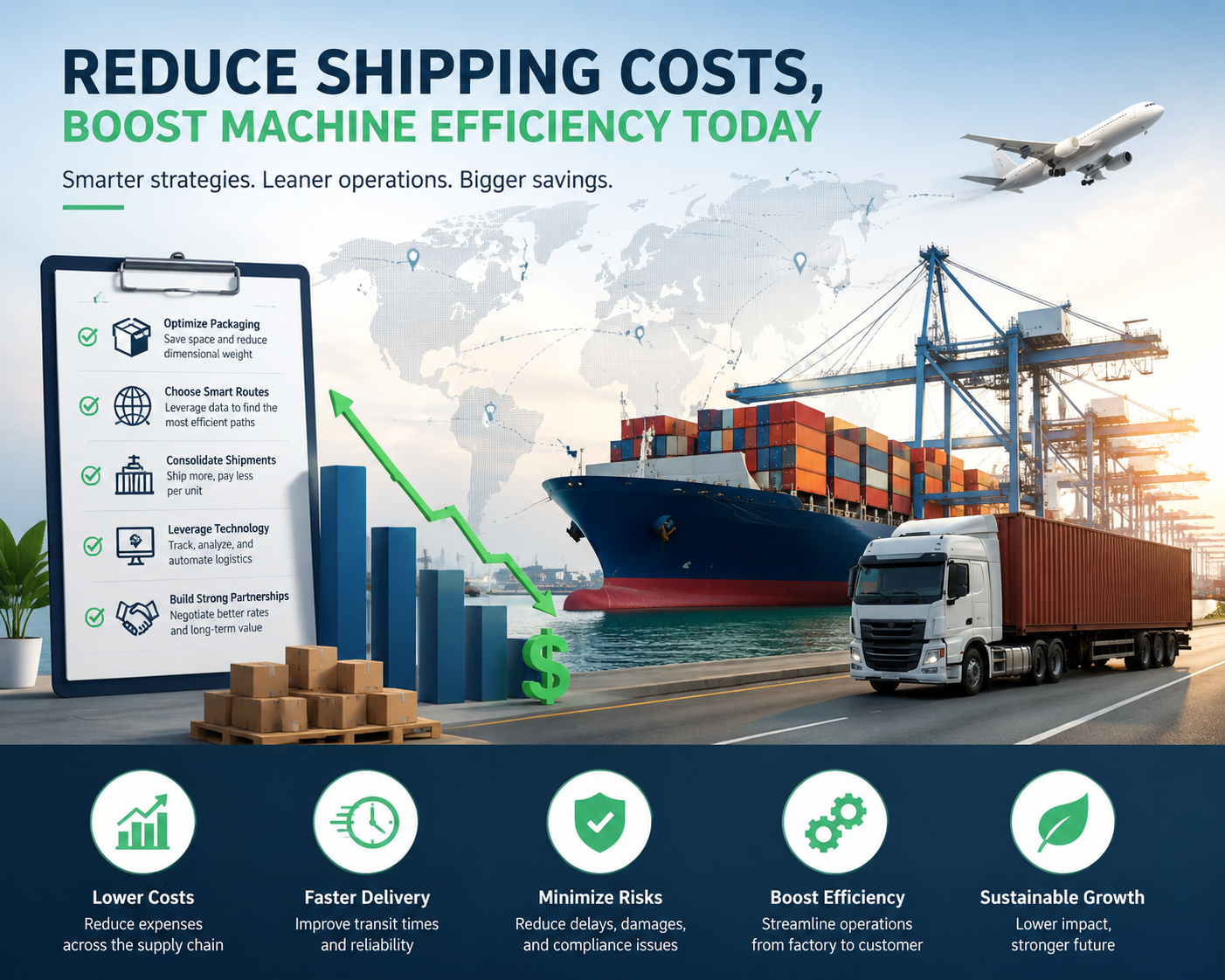
How to Reduce Shipping Costs: Boost Your Machine Efficiency Today
1. Understanding International Shipping Costs
1.1 Definition of International Shipping and Its Key Components
International shipping, in its essence, is the intricate orchestration of transporting goods across borders, spanning oceans, airways, and land corridors, where each leg is fraught with logistical nuances, regulatory compliance, and financial implications. Key components include freight charges, fuel surcharges, customs duties, insurance, and ancillary handling fees, all of which must be meticulously coordinated to prevent cost overruns and operational bottlenecks.
1.2 Why Shipping Costs Are a Major Concern for Businesses
For businesses, especially those dealing in high-volume or heavy machinery, shipping costs can constitute a staggering portion of operational expenditure, sometimes eclipsing the cost of raw materials or manufacturing itself. Inefficient logistics not only erode profit margins but also delay market delivery, causing ripple effects in production schedules and client satisfaction.
1.3 The Link Between Shipping Efficiency and Machine Productivity
Optimizing shipping efficiency is not just about reducing bills—it directly impacts machine utilization. When materials arrive on time and in good condition, machines can operate at peak efficiency, downtime is minimized, and production throughput increases. Conversely, delayed or damaged shipments can create costly idle periods, forcing engineers and production managers to scramble and adjust.
2. Common Factors That Drive Up Shipping Costs
2.1 Fuel and Energy Charges in Global Transport
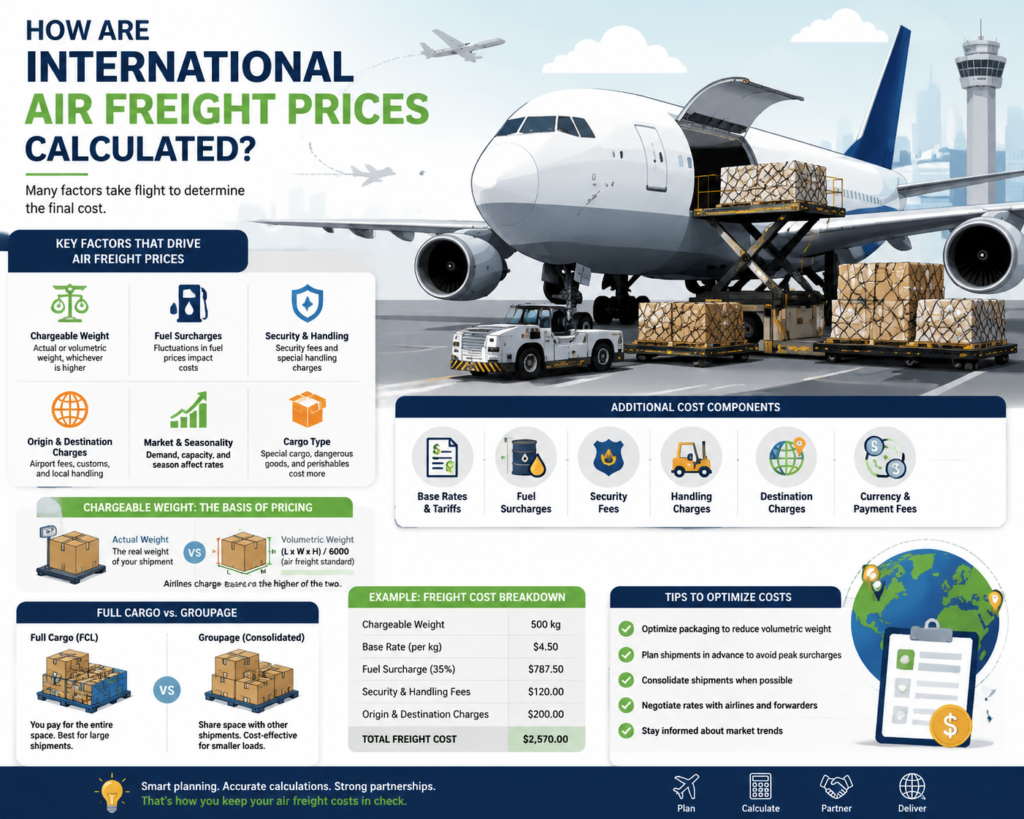
Fluctuations in oil prices reverberate across all modes of transportation, from cargo ships to freight planes, and these costs are typically passed directly to the shipper. Unexpected spikes in fuel surcharges can throw budget forecasts off-kilter, making strategic fuel hedging and careful route planning critical.
2.2 Customs Duties, Tariffs, and Taxes
Navigating the labyrinthine world of international customs can be a veritable minefield. Duties, tariffs, and taxes vary by country and product category, and misclassification or inadequate documentation can trigger penalties or delays, ballooning shipping costs significantly.
2.3 Inefficient Packaging and Cargo Handling
Overpacking, underpacking, or misaligned cargo arrangements can dramatically increase volumetric weight, risk damage, and lead to additional handling fees. Properly engineered packaging not only protects goods but also maximizes container space utilization, reducing per-unit shipping cost.
3. How Machine Efficiency Impacts Shipping Expenses
3.1 Faster Production Reduces Storage and Transport Needs
Machines running at optimum efficiency churn out goods faster, which decreases the need for prolonged warehouse storage. Reduced storage minimizes holding costs, and by timing production closer to shipping schedules, companies can consolidate shipments and reduce transport frequency.
3.2 Precision Manufacturing Minimizes Product Damage
High-precision machinery ensures uniformity and minimizes defects, which in turn reduces the likelihood of returns or damage claims. Fewer damaged goods mean fewer repeat shipments, translating into tangible shipping savings.
3.3 Automated Processes Lower Labor and Handling Costs
Automation in production, packaging, and warehouse handling reduces human error, expedites processing, and decreases labor costs, all of which contribute to leaner logistics expenses. Machines that handle repetitive tasks efficiently free up skilled labor for more strategic operations, indirectly lowering overall shipping cost per unit.
4. Choosing the Right Shipping Method
4.1 Air Freight vs. Sea Freight: Cost-Benefit Analysis
Air freight is fast but expensive, ideal for high-value or time-sensitive products, while sea freight offers massive capacity at lower cost but slower transit. Deciding between them requires balancing urgency, cost, and product sensitivity, sometimes opting for hybrid strategies.
4.2 Rail and Road Options for Regional Shipments
Railways and trucking networks offer flexibility and regional penetration that can complement sea and air freight. Utilizing regional transport wisely can reduce reliance on costly last-mile air shipments, optimizing both speed and cost.
4.3 Multi-Modal Shipping Solutions to Optimize Expenses
Integrating multiple transport modes—sea, rail, air, and road—can offer cost savings while maintaining reliability. Sophisticated logistics software allows planners to simulate different scenarios, identifying the sweet spot between speed and expense.
5. Packaging Strategies to Lower Costs
5.1 Lightweight and Durable Packaging Materials
Selecting advanced composites, engineered cardboard, or biodegradable plastics can reduce shipment weight without compromising durability, directly lowering freight charges calculated by mass or volumetric weight.
5.2 Modular Packaging for Space Optimization
Designing packaging that nests, stacks, or interlocks efficiently maximizes container space, allowing more products per shipment and reducing the frequency of shipments, which is a straightforward way to cut logistics expenditure.
5.3 Sustainable Packaging That Reduces Waste Fees
Eco-conscious materials not only appeal to increasingly green-minded consumers but can also circumvent disposal fees and environmental surcharges in certain regions, providing both cost and reputational benefits.
6. Leveraging Technology in Logistics
6.1 Tracking Software for Real-Time Shipment Visibility
Advanced shipment tracking systems allow businesses to monitor cargo in real time, proactively addressing delays and optimizing downstream logistics. Transparency reduces penalties, mitigates loss, and enables precise coordination with production schedules.
6.2 Automated Warehouse Systems to Speed Up Loading
Conveyor belts, robotic sorters, and automated forklifts accelerate warehouse throughput, minimize handling errors, and reduce the need for temporary storage, which directly trims shipping expenses.
6.3 AI-Driven Route Optimization for Reduced Fuel Usage
Artificial intelligence can compute fuel-efficient routes, factoring in traffic, weather, and port congestion, which reduces fuel consumption and associated costs while ensuring timely deliveries.
7. Bulk Shipping and Consolidation
7.1 Benefits of Consolidating Shipments
Combining multiple orders into a single shipment lowers Reduce Shipping Costs, reduces handling fees, and minimizes environmental impact. Consolidation requires careful planning but pays dividends in logistics efficiency.
7.2 When Bulk Orders Reduce Per-Unit Shipping Cost
Large-volume shipments allow economies of scale, enabling businesses to negotiate better freight rates and reduce shipping cost per unit. The upfront planning and storage trade-offs are often offset by the long-term savings.
7.3 Collaborating with Partners for Shared Container Loads
Pooling shipments with trusted partners allows companies to share container space, reducing overall freight expenditure while maintaining shipping reliability. Coordination and contractual clarity are key to success here.
8. Negotiating with Carriers
8.1 Understanding Carrier Pricing Structures
Carrier pricing can be complex, incorporating fuel surcharges, peak season premiums, and additional service fees. Thorough comprehension of these structures is necessary to leverage negotiation opportunities effectively.
8.2 Building Long-Term Partnerships for Discounts
Establishing recurring contracts with carriers fosters loyalty and often unlocks discounted rates, priority scheduling, and flexibility that one-off shipments cannot guarantee.
8.3 Seasonal and Volume-Based Negotiation Strategies
Shipping demand fluctuates seasonally. Proactively negotiating rates in off-peak periods or leveraging bulk volumes during peak demand can yield significant savings and ensure reliable capacity.
9. Streamlining Customs and Documentation
9.1 Proper Documentation to Avoid Delays and Fines
Accurate invoices, certificates of origin, and compliance forms are critical. Errors can stall shipments at borders, incur fines, and trigger storage costs that could have been avoided with meticulous preparation.
9.2 Understanding International Trade Agreements
Awareness of bilateral and multilateral trade agreements allows companies to reduce duties, bypass restrictions, and exploit preferential rates, cutting both cost and transit time.
9.3 Using Customs Brokers for Faster Clearance
Customs brokers streamline complex paperwork, communicate directly with authorities, and expedite clearance, preventing costly hold-ups and maintaining production schedules.
10. Inventory Management and Its Role in Shipping Costs
10.1 Maintaining Optimal Stock Levels
Keeping too much inventory leads to storage fees, while insufficient stock triggers urgent shipments at premium rates. Maintaining a delicate balance is crucial for cost containment.
10.2 Strategically Locating Warehouses Near Markets
Proximity to key markets reduces transit distances, lowers last-mile costs, and accelerates delivery, improving customer satisfaction and cutting expenses simultaneously.
10.3 Just-in-Time Inventory to Reduce Storage and Transport
Implementing just-in-time (JIT) strategies synchronizes production with demand, minimizing holding costs and avoiding unnecessary shipments, but requires precise forecasting and reliable logistics partners.
11. Reducing Returns and Damages
11.1 Quality Control Before Shipment
Rigorous quality checks catch defects early, preventing costly returns, replacements, or additional freight, and maintaining brand credibility.
11.2 Protective Packaging Solutions
Shock-absorbent, moisture-resistant, and reinforced packaging protects goods during transit, reducing damages and subsequent expenses.
11.3 Handling Returns Efficiently to Cut Costs
A streamlined returns process—including reverse logistics optimization and repairable components—can reclaim value and lower the cumulative cost of product returns.
12. Choosing the Right Freight Forwarder
12.1 Evaluating Reliability and Pricing
Forwarders vary widely in efficiency, transparency, and cost. Careful evaluation ensures consistent service, competitive pricing, and reduced risk of shipment delays.
12.2 Comparing Value-Added Services
Services like customs brokerage, insurance, and shipment tracking bundled with freight forwarding can enhance efficiency and justify slightly higher fees.
12.3 Leveraging Forwarders for Customs Expertise
Experienced forwarders provide in-depth knowledge of international regulations, ensuring faster clearance, fewer penalties, and smoother logistics operations.
13. Understanding Incoterms and Shipping Agreements
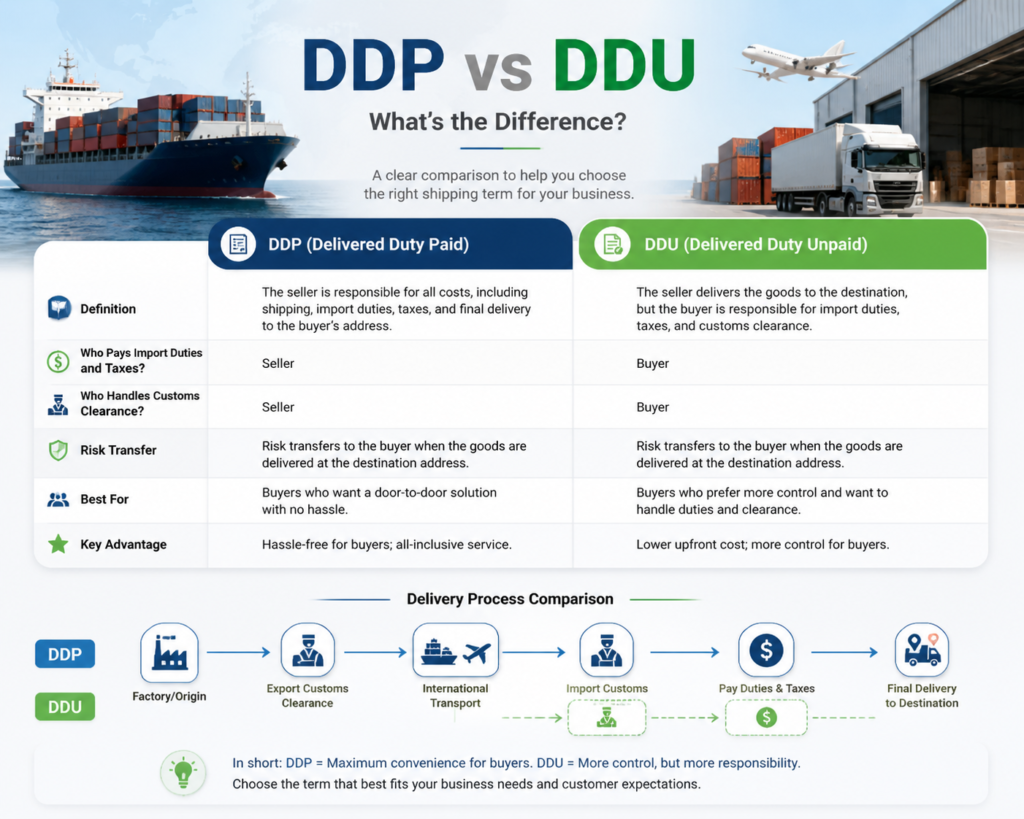
13.1 Common Incoterms and Their Cost Implications
Incoterms define responsibility for
shipping, insurance, and tariffs. Selecting the right terms affects cost allocation and risk exposure, with options like FOB, CIF, or DDP shaping total expenses.
13.2 Selecting Terms That Minimize Business Risk
Aligning terms with production and distribution capabilities helps mitigate liability while maintaining predictable cost structures and smooth operations.
13.3 Aligning Contracts With Operational Efficiency
Harmonizing contractual obligations with real-world logistics ensures shipments arrive on time, reducing contingency costs and administrative overhead.
14. Sustainable Shipping Practices
14.1 Eco-Friendly Transport Options
Utilizing hybrid trucks, electric vehicles, or shipping lines with low-sulfur fuel reduces emissions and may unlock regulatory incentives or tax benefits.
14.2 Reducing Carbon Footprint to Avoid Environmental Fees
Proactive measures such as route optimization, load consolidation, and green packaging minimize environmental penalties and long-term liability costs.
14.3 Recycling and Reusing Packaging Materials
Reclaimed pallets, crates, and cushioning materials cut procurement costs, reduce waste, and support corporate sustainability initiatives.
15. Case Studies: Companies Successfully Reducing Shipping Costs
15.1 Manufacturing Companies Streamlining Global Logistics
Global manufacturers have optimized routes, automated warehousing, and consolidated shipments to achieve double-digit savings on international freight.
15.2 E-Commerce Businesses Using Technology for Cost Efficiency
E-tailers leverage AI routing, real-time inventory tracking, and dynamic carrier selection to reduce last-mile costs while improving delivery reliability.
15.3 Machine-Heavy Industries Optimizing Both Production and Transport
Industries reliant on high-precision machinery synchronize production schedules with logistics planning to cut idle time and per-unit transport costs dramatically.
16. Actionable Tips to Boost Machine Efficiency and Reduce Costs
16.1 Regular Machine Maintenance to Prevent Delays
Scheduled maintenance prevents unexpected breakdowns that can halt production and trigger expensive emergency shipments, safeguarding efficiency and cost control.
16.2 Investing in Automation and Precision Tools
Automation reduces variability, speeds up production, and minimizes waste, while precision tools ensure product consistency and reduce shipping-related damages.
16.3 Training Staff to Improve Operational Workflow
Well-trained personnel operate machines efficiently, manage logistics accurately, and respond quickly to anomalies, contributing to overall cost reduction and higher throughput.
17. Future Trends in International Shipping and Efficiency
17.1 Emerging Technologies in Global Logistics
Drones, autonomous vehicles, blockchain for supply chain transparency, and IoT-enabled containers promise to reshape shipping efficiency and cost structures in the coming decade.
17.2 Predictive Analytics for Proactive Cost Management
Data-driven predictive modeling anticipates demand fluctuations, fuel cost spikes, and potential bottlenecks, enabling proactive adjustments that lower total shipping expenditure.
17.3 The Rise of Green Shipping and Its Financial Benefits
Sustainable shipping practices, incentivized by global regulations and consumer demand, not only reduce environmental impact but also yield quantifiable savings through lower taxes, fees, and energy usage.
18. Conclusion: Integrating Efficiency and Cost Reduction
18.1 Recap of Key Strategies to Reduce Shipping Costs
From strategic packaging and route optimization to leveraging technology and predictive analytics, a multi-pronged approach ensures every dollar spent on shipping delivers maximum value.
18.2 Linking Machine Efficiency to Long-Term Savings
When production machinery operates at peak efficiency, it reduces downtime, minimizes waste, and synchronizes with shipping schedules, directly lowering both short- and long-term logistics costs.
18.3 Encouraging Continuous Improvement and Innovation
Organizations that embed continuous improvement, embrace automation, and stay ahead of logistics trends create resilient supply chains, achieving sustained reductions in shipping costs while boosting overall productivity.
Ready to Ship Your Containers Overseas?
Figuring out how to ship containers overseas doesn’t have to be a barrier to your business growth. By understanding your cargo needs, choosing the right Incoterms, and partnering with an experienced logistics provider, you can streamline your entire supply chain.
At Jazlog, we are more than just a vendor; we are your strategic logistics partner in China. Whether you need standard FCL/LCL shipping, complex dangerous goods handling, or a completely hands-off DDP solution, our team is ready to deliver.