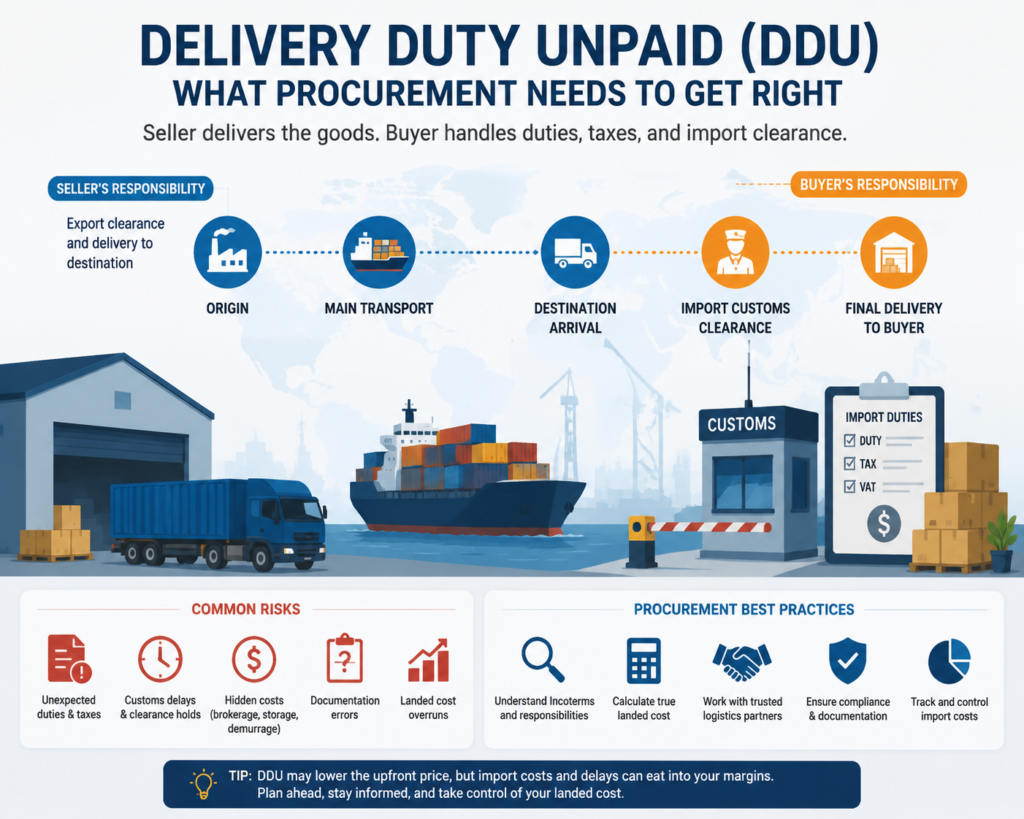
Global trade relies heavily on the efficiency of ocean freight. If you are a business owner or supply chain manager sourcing products from the world’s largest manufacturing hub, understanding exactly how to ship containers overseas is critical to your bottom line. Navigating international logistics, customs clearance, and long-distance ocean transit can seem daunting, but it doesn’t have to be.
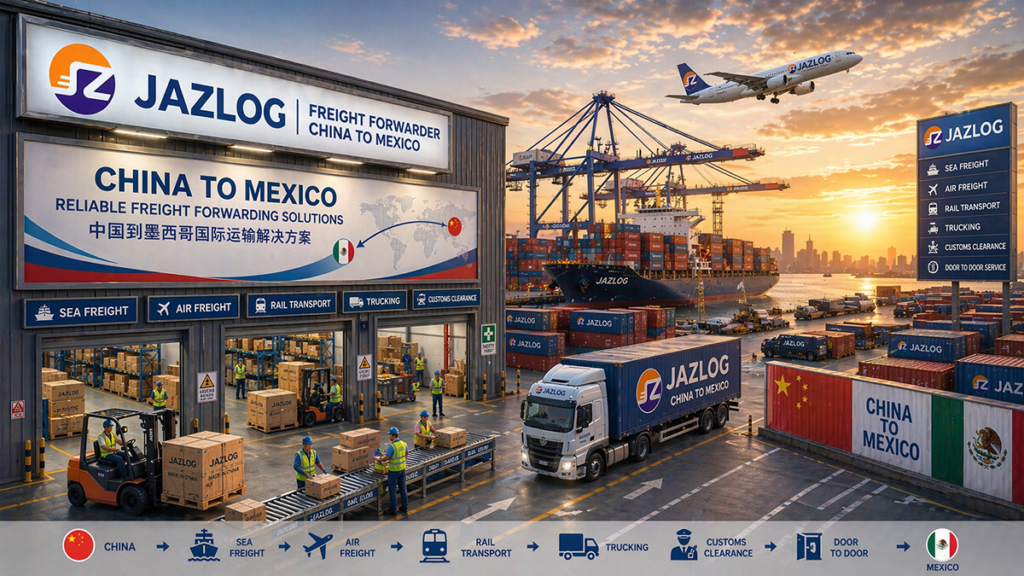
At Jazlog, we are a premier China freight forwarder dedicated to bridging the gap between Chinese manufacturers and global markets. Whether you are shipping to the USA, Canada, Australia, the UK, Europe, or Africa, this comprehensive guide will walk you through the essential steps to ensure your cargo arrives safely, on time, and within budget.
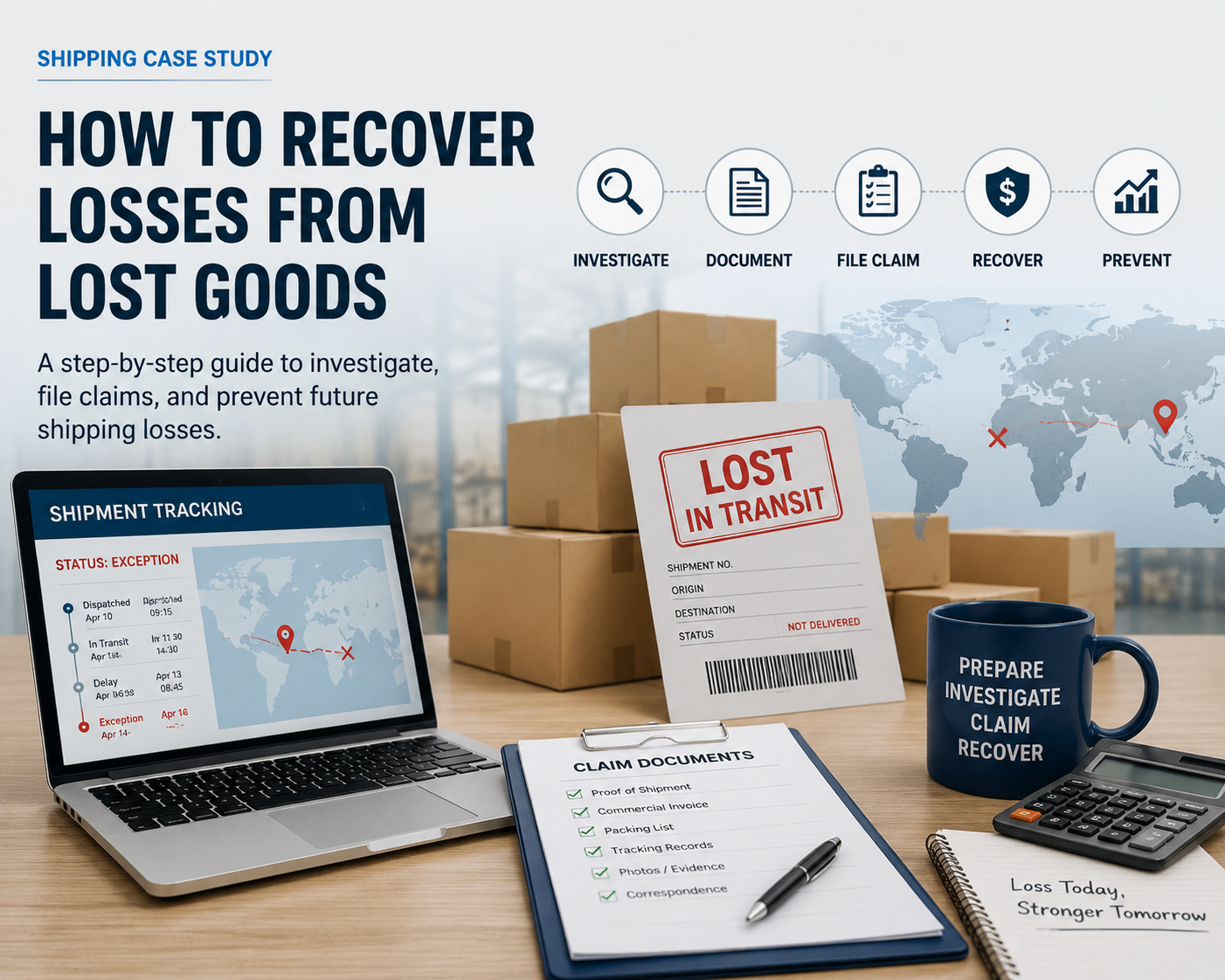
Shipping Case Study: How to Recover Losses from Lost Goods
1. Introduction to Shipping Losses
1.1 Understanding the Scope of Lost Goods
In the world of mechanical engineering procurement, losing a shipment isn’t just a minor hiccup—it’s a full-blown operational headache that can ripple through production schedules, supply chains, and budget forecasts. From misplaced pallets of precision gears to missing crates of high-tolerance bearings, the financial and operational consequences can escalate faster than a misaligned planetary gear under high torque. Recognizing the scale of these losses is the first step in devising a robust recovery strategy.
1.2 Importance of Recovery Strategies
Implementing a structured recovery protocol is no longer optional—it’s essential. Every lost shipment can cost thousands, sometimes tens of thousands, not just in replacement parts but in downtime, delayed deliveries, and eroded client confidence. A proactive approach ensures that your company can minimize these losses and maintain credibility with downstream clients.
1.3 Introducing the Real Shipping Case Study
This shipping case study chronicles a real incident involving a high-value consignment of custom gears lost en route, the strategies deployed to recover the shipment, and the lessons learned, offering engineers and purchase managers a blueprint for similar scenarios.
2. Common Causes of Shipping Losses
2.1 Human Error and Documentation Mistakes
Even the most sophisticated logistics systems can fall victim to human error: mislabeling packages, entering incorrect tracking information, or failing to comply with customs documentation. These seemingly minor mistakes can snowball into major losses when compounded across multiple shipments.
2.2 Theft and Fraud Risks
High-value industrial components are prime targets for theft. From internal pilferage to third-party fraud schemes, security lapses during transit can turn a routine shipment into a costly misadventure. Implementing tamper-evident packaging and monitoring high-risk routes is crucial.
2.3 Carrier and Logistic Failures
Not all losses are internal. Carrier mishaps, mishandled shipments, or delayed transfers between freight hubs can result in irretrievable goods. Understanding carrier reliability and contractual responsibilities is vital for mitigation.
3. Assessing the Impact of Lost Shipments
3.1 Financial Implications for Businesses
The immediate cost of replacing lost goods can be steep, but hidden costs—such as expedited shipping, overtime labor, and lost revenue from delayed production—often dwarf the direct losses.
3.2 Customer Satisfaction and Brand Reputation
Clients expect precision and reliability. A lost shipment may seem trivial on paper, but in reality, it can erode trust, resulting in long-term reputational damage that impacts future orders.
3.3 Operational Disruptions and Delays
A single missing component can halt assembly lines, disrupt project timelines, and force engineers to scramble for alternatives, creating a cascade of inefficiencies throughout the supply chain.
4. Step 1: Immediate Response to Lost Goods
4.1 Notifying Relevant Stakeholders
Time is of the essence. Notify internal teams, suppliers, and customers promptly to ensure transparency and minimize secondary issues.
4.2 Documenting the Incident Thoroughly
Accurate records of shipment contents, serial numbers, and handling history provide a solid foundation for claims and investigations.
4.3 Initiating Preliminary Investigations
A rapid internal investigation helps isolate where the breakdown occurred—be it at the warehouse, during transport, or with a third-party carrier.
5. Step 2: Tracking the Shipment
5.1 Utilizing Tracking Systems and Technology
Advanced GPS tracking, RFID tags, and shipment monitoring software provide near-real-time insights, enabling precise location mapping for lost goods.
5.2 Coordinating with Carriers and Freight Forwarders
Effective communication with logistics partners ensures all stakeholders are aligned, and any discrepancies are immediately addressed.
5.3 Analyzing Route and Handling Data
Scrutinizing transit routes, handoff points, and handling logs often reveals where bottlenecks or errors occurred.
6. Step 3: Filing a Claim
6.1 Understanding Carrier Insurance Policies
Knowing the specifics of coverage—including limits, deductibles, and exclusions—is critical before initiating a claim.
6.2 Preparing Required Documentation
Invoices, shipping manifests, and correspondence must be meticulously compiled to strengthen the claim’s validity.
6.3 Following Proper Claim Procedures
Strict adherence to carrier protocols ensures faster resolution and maximizes the likelihood of financial recovery.
7. Step 4: Negotiating Compensation
7.1 Evaluating Potential Recovery Amounts
A calculated assessment of recoverable losses—including shipping costs, product value, and downstream expenses—is necessary for effective negotiation.
7.2 Communication Strategies with Carriers
Professional, fact-based dialogue often achieves better outcomes than aggressive confrontation. Document all communications.
7.3 Handling Disputes Professionally
Escalation protocols, including mediation or arbitration, can resolve deadlocks without jeopardizing relationships with carriers.
8. Step 5: Legal Considerations
8.1 When to Involve Legal Counsel
Engaging legal expertise is crucial when losses exceed insurance coverage or involve complex contractual obligations.
8.2 Understanding Applicable Shipping Laws
International shipping regulations, liability statutes, and customs rules define the parameters for claims and recovery.
8.3 Contractual Clauses for Liability
Pre-negotiated clauses in shipping contracts, including force majeure and limitation of liability, provide critical protection.
9. Step 6: Implementing Preventive Measures
9.1 Improving Packaging and Labeling
Robust, standardized packaging reduces damage risk and aids in accurate identification during transit.
9.2 Enhancing Tracking and Security Protocols
Investing in IoT-enabled sensors and tamper-proof seals can deter theft and provide real-time alerts for anomalies.
9.3 Training Staff for Risk Mitigation
Educating warehouse and logistics teams on best practices decreases the likelihood of avoidable errors.
10. Real Case Study Overview
10.1 Company Background and Shipping Context
The case involves a mid-sized precision gear manufacturer shipping high-tolerance components to an overseas client, emphasizing time-sensitive delivery requirements.
10.2 Description of the Lost Goods Incident
A critical consignment went missing during air freight transfer, causing immediate production delays and client concern.
10.3 Initial Challenges Faced During Recovery
Fragmented communication, incomplete tracking data, and stringent insurance protocols complicated early recovery attempts.
11. Investigative Approach in the Case Study
11.1 Data Collection and Analysis
Every document, GPS log, and handling report was scrutinized to map the shipment’s journey and pinpoint discrepancies.
11.2 Identifying Gaps in Logistics
Critical lapses, such as unrecorded handoffs and non-standard packaging, were identified as contributing factors.
11.3 Coordination with Carriers and Stakeholders
Frequent updates and transparent communication accelerated resolution, enabling a more targeted recovery effort.
12. Recovery Strategies Applied
12.1 Claim Submission Process
A meticulously compiled claim, including serial numbers, invoices, and chain-of-custody records, was submitted to the carrier.
12.2 Negotiation Tactics and Outcomes
Through persistent, fact-driven negotiation, the company recovered a substantial portion of the financial loss.
12.3 Legal and Procedural Adjustments
Contract terms were amended post-incident to include clearer liability and risk-sharing provisions.
13. Results and Lessons Learned
13.1 Financial Recovery Achieved
Approximately 85% of the lost shipment’s value was recovered, offsetting the immediate financial impact.
13.2 Operational and Process Improvements
Updated logistics protocols and enhanced staff training reduced the probability of recurrence.
13.3 Key Takeaways for Other Businesses
Proactivity, meticulous documentation, and strategic communication are indispensable when dealing with lost goods.
14. Best Practices for Shipping Risk Management
14.1 Regular Audit of Shipping Processes
Periodic audits ensure compliance, highlight weaknesses, and reinforce accountability across teams.
14.2 Insurance Optimization for High-Value Goods
Tailoring insurance policies to specific shipment types ensures comprehensive coverage without unnecessary premiums.
14.3 Leveraging Technology for Loss Prevention
Advanced tracking, sensor-based monitoring, and predictive analytics create a safety net against unforeseen losses.
15. How to Document and Share Your Own Shipping Case Study
15.1 Collecting Relevant Data and Evidence
Thorough documentation of processes, incidents, and communications is crucial for internal learning and external reporting.
15.2 Structuring the Case Study for Clarity
A clear, stepwise narrative, complemented by visuals and metrics, ensures stakeholders understand lessons learned.
15.3 Using Case Studies to Educate Teams
Sharing experiences internally fosters a culture of vigilance, risk awareness, and continuous improvement.
16. Conclusion and Strategic Insights
16.1 Summary of Recovery Steps
From immediate reporting to legal consultation and negotiation, structured steps maximize recovery potential.
16.2 Importance of Proactive Risk Management
Prevention, robust tracking, and staff training are far more cost-effective than reactive measures after loss.
16.3 Encouragement to Apply Lessons from the Shipping Case Study
Implementing insights from this shipping case study equips procurement and engineering teams with the tools to safeguard assets, maintain operational continuity, and uphold client trust.
Ready to Ship Your Containers Overseas?
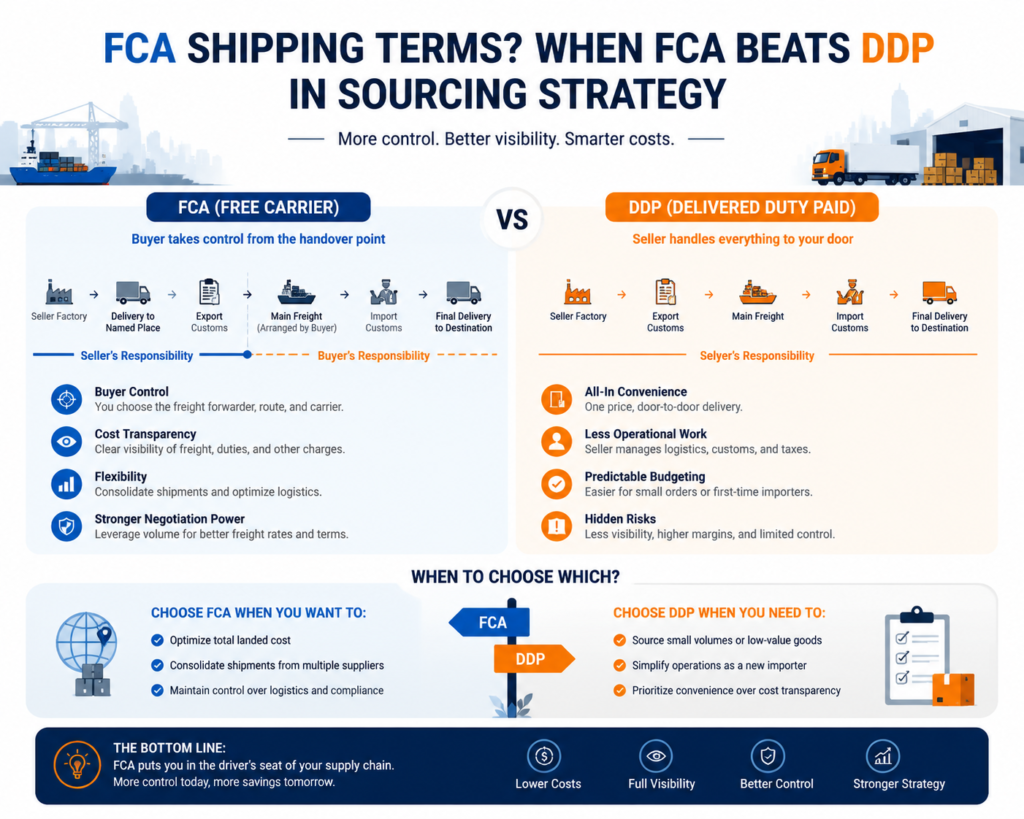
Figuring out how to ship containers overseas doesn’t have to be a barrier to your business growth. By understanding your cargo needs, choosing the right Incoterms, and partnering with an experienced logistics provider, you can streamline your entire supply chain.
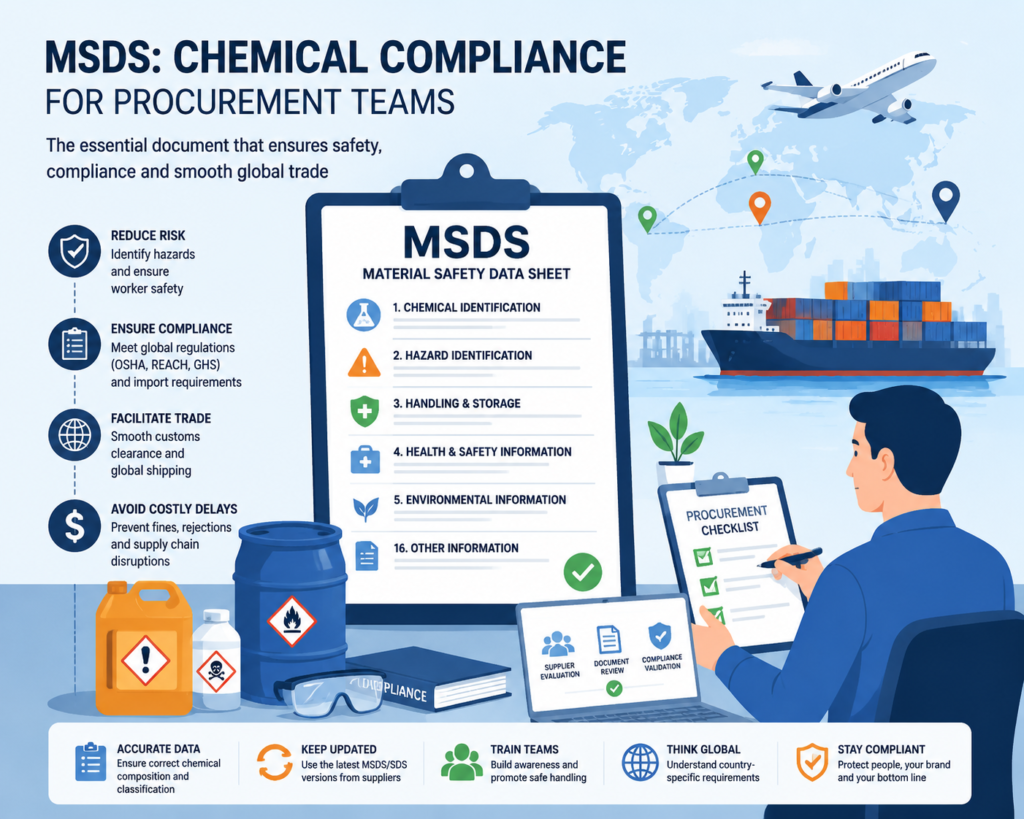
At Jazlog, we are more than just a vendor; we are your strategic logistics partner in China. Whether you need standard FCL/LCL shipping, complex dangerous goods handling, or a completely hands-off DDP solution, our team is ready to deliver.