Global trade relies heavily on the efficiency of ocean freight. If you are a business owner or supply chain manager sourcing products from the world’s largest manufacturing hub, understanding exactly how to ship containers overseas is critical to your bottom line. Navigating international logistics, customs clearance, and long-distance ocean transit can seem daunting, but it doesn’t have to be.
At Jazlog, we are a premier China freight forwarder dedicated to bridging the gap between Chinese manufacturers and global markets. Whether you are shipping to the USA, Canada, Australia, the UK, Europe, or Africa, this comprehensive guide will walk you through the essential steps to ensure your cargo arrives safely, on time, and within budget.
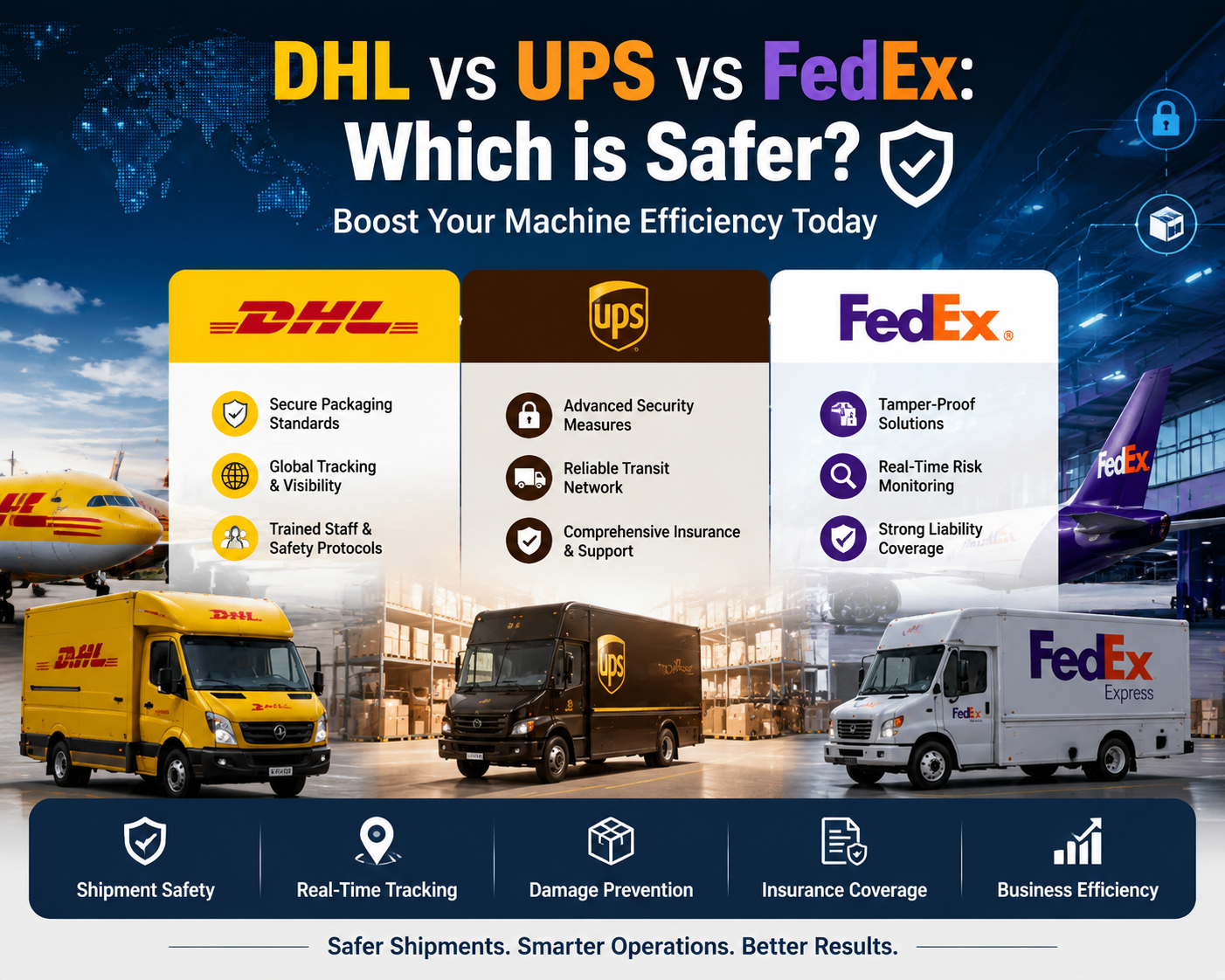
DHL vs UPS vs FedEx: Which is Safer?
1. Introduction: Understanding Shipping Safety
1.1 Why Shipping Safety Matters for Businesses
In the high-stakes world of logistics, shipping safety isn’t just a checkbox—it’s the difference between smooth operations and a catastrophic supply chain hiccup that can grind a factory to a halt. For businesses moving high-value machinery, delicate components, or time-sensitive materials, even a minor lapse in shipping security can ripple into downtime, lost revenue, and frustrated clients. Think of it like playing pickleball on a slippery court; one misstep, and suddenly your whole strategy unravels. Ensuring packages arrive intact preserves operational efficiency, maintains client trust, and prevents costly disruptions that ripple through the production line.
1.2 Key Differences Between DHL, UPS, and FedEx
While DHL, UPS, and FedEx all promise global reach and reliable delivery, their operational philosophies diverge in subtle but important ways. DHL leans heavily on international logistics and integrated supply chains, UPS emphasizes meticulous domestic handling and process consistency, while FedEx invests in speed and technological sophistication, particularly in air freight. These differences mean that depending on what’s in your package—whether it’s sensitive electronics, heavy industrial gears, or just critical paperwork—the safest option may not always be the fastest.
1.3 How Safety Impacts Machine Efficiency
For manufacturers, delayed or damaged shipments can disrupt the rhythm of automated assembly lines and precision-dependent operations. When a crucial gearbox or bearing arrives late or compromised, the entire machine ecosystem suffers, from increased downtime to wear and tear on alternate equipment. Shipping safety is, in essence, a direct contributor to machine uptime and efficiency, and selecting a provider with strong protective measures is akin to fortifying your factory against operational chaos.
2. Overview of DHL, UPS, and FedEx
2.1 Company History and Global Presence
DHL started in 1969 as a courier service bridging the United States and Germany, rapidly evolving into a global powerhouse with a presence in over 220 countries. UPS, founded in 1907 as a messenger service, has become synonymous with reliable ground logistics and has established a sprawling network that dominates North America. FedEx, born in 1971, revolutionized overnight air delivery and now operates an expansive fleet of aircraft and ground vehicles, emphasizing speed and technological integration.
2.2 Core Services Offered by Each Provider
DHL focuses on express parcel delivery, international freight forwarding, and integrated supply chain solutions. UPS offers parcel delivery, freight services, logistics consulting, and advanced package tracking. FedEx specializes in express shipping, e-commerce solutions, and same-day or overnight delivery, with a notable emphasis on air cargo and specialized handling for sensitive shipments.
2.3 Reputation for Reliability and Security
DHL’s global footprint and European regulatory alignment grant it strong security measures, especially in cross-border shipments. UPS is celebrated for consistency and meticulous procedural adherence, which reduces human error and misplacement incidents. FedEx is renowned for high-speed service paired with advanced monitoring technologies, which increases real-time visibility and mitigates risk during transit.
3. Packaging Standards and Security Measures
3.1 DHL’s Approach to Secure Packaging
DHL employs specialized packaging solutions for fragile or high-value goods, incorporating tamper-evident seals and multi-layered cushioning. The company emphasizes risk assessment before shipping, tailoring packaging to environmental hazards and destination-specific handling conditions.
3.2 UPS’s Safety Protocols for Sensitive Shipments
UPS implements rigorous handling guidelines, including reinforced boxes, barcode verification, and tamper-proof tape. Packages containing hazardous or sensitive materials are often segregated and routed through controlled facilities, minimizing the risk of damage or loss.
3.3 FedEx’s Tamper-Proof Packaging Strategies
FedEx relies on a combination of proprietary packaging materials, reinforced containers, and state-of-the-art sealing methods that prevent unauthorized access. Their focus is on safeguarding the package from the moment it leaves the warehouse until final delivery, with added emphasis on fragile or high-value cargo.
4. Tracking Technology and Real-Time Monitoring
4.1 GPS Tracking and Shipment Visibility
All three carriers utilize GPS and RFID technology to monitor shipments in real-time. DHL integrates location tracking with predictive analytics for international shipments, UPS provides granular visibility within its domestic network, and FedEx combines IoT sensors with AI-driven route optimization for pinpoint accuracy.
4.2 Alerts and Notifications for Potential Risks
Automated alerts notify shippers of delays, deviations, or handling anomalies. This allows businesses to react swiftly, reroute shipments if necessary, and mitigate any potential disruptions before they escalate.
4.3 Comparison of Tracking Reliability Across Providers
DHL excels in global routing visibility, UPS offers robust domestic tracking, and FedEx shines in near real-time monitoring across air and ground networks. Each system has its strengths depending on shipment type and geography, emphasizing that one-size-fits-all solutions rarely exist.
5. Employee Training and Handling Procedures
5.1 Safety Training Programs for DHL Staff
DHL invests in continuous education for its staff, focusing on secure handling, compliance with international regulations, and emergency response protocols. Employees are trained to anticipate risks and proactively protect shipments.
5.2 UPS’s Handling Protocols for High-Value Shipments
UPS emphasizes standardization in every touchpoint, from pickup to delivery. Staff handling sensitive goods undergo specialized training on lifting techniques, secure storage, and damage prevention, reducing human error across the logistics chain.
5.3 FedEx’s Risk Prevention Training Initiatives
FedEx combines traditional handling training with advanced technology education, ensuring employees can effectively use tracking devices, automated sorting systems, and AI-assisted monitoring tools to prevent shipment mishaps.
6. Insurance and Liability Policies
6.1 Coverage Options Offered by DHL
DHL provides standard insurance with optional supplemental coverage for high-value shipments. Their policies include compensation for damage, loss, and delays caused by operational errors.
6.2 UPS Insurance Policies and Claims Process
UPS offers declared value coverage and extended liability options, with a streamlined claims process that includes digital submission and tracking of claims resolution.
6.3 FedEx Liability and Compensation Framework
FedEx provides base-level protection and premium coverage for fragile, high-value, or sensitive cargo, with clearly defined compensation limits and dispute resolution pathways.
7. Shipment Theft and Loss Prevention
7.1 DHL’s Anti-Theft Measures
DHL uses tamper-evident seals, secure transit facilities, and background-verified personnel to reduce theft risks, alongside AI-based monitoring for unusual handling patterns.
7.2 UPS’s Secure Transportation Strategies
UPS minimizes theft risk with GPS-monitored vehicles, segregated handling of high-value packages, and route variation protocols that prevent predictable patterns.
7.3 FedEx’s Theft Monitoring Systems
FedEx integrates sensor-based tracking, smart locks, and real-time alerting systems to detect unauthorized access attempts during transit, ensuring high-value items are protected throughout the journey.
8. Damage Reduction Techniques
8.1 Packaging Optimization for Fragile Goods
All three carriers use engineering-grade cushioning, vibration-dampening materials, and custom inserts to reduce shock and pressure-related damage during transport.
8.2 Climate Control and Shock Absorption Methods
Temperature-sensitive shipments are often routed through climate-controlled facilities and vehicles, while shock-absorbing pallets and packaging reduce vibration impact for delicate machinery.
8.3 Comparing Damage Rates Among DHL, UPS, and FedEx
Industry reports indicate that DHL excels in international fragile shipments, UPS maintains low damage rates in domestic networks, and FedEx combines speed with advanced handling protocols to minimize losses.
Perfect! Let’s dive back in and expand sections 9–18 in full detail, keeping that pickleball-engineer-meets-logistics-pro tone:
9. Customs and Regulatory Compliance
9.1 DHL’s Approach to International Shipping Safety
DHL has mastered the art of navigating customs labyrinths across continents. Their strategy combines rigorous documentation, pre-clearance processes, and proactive communication with local authorities, minimizing the chances of packages being held or rerouted due to compliance issues. Think of it like a pickleball player anticipating an opponent’s lob—DHL foresees obstacles and adjusts the route for smooth delivery.
9.2 UPS Customs Clearance and Compliance Protocols
UPS emphasizes thorough paperwork verification and strict adherence to customs regulations. Their international team coordinates with customs brokers to ensure shipments meet every local requirement, from import licenses to hazardous material declarations. This diligence drastically reduces the risk of shipment delays or confiscation.
9.3 FedEx Strategies for Regulatory Adherence
FedEx leverages AI-based compliance tools that scan shipment data against global trade regulations, automatically flagging potential red flags. Coupled with a network of customs experts, FedEx ensures packages aren’t just delivered fast—they’re delivered legally and safely.
10. Customer Feedback and Safety Ratings
10.1 Analyzing DHL Customer Safety Reviews
DHL consistently earns praise for secure handling and proactive problem-solving. Customers often highlight their “no-surprises” approach, meaning packages rarely arrive damaged or delayed, which reinforces trust for repeat business and high-value shipments.
10.2 UPS Client Satisfaction and Security Ratings
UPS clients report strong satisfaction for domestic and commercial shipments. Feedback often emphasizes the predictability and reliability of UPS procedures, with an emphasis on tracking accuracy and minimal incidents of loss or theft.
10.3 FedEx User Experiences and Reliability Feedback
FedEx garners accolades for technological integration and transparency in tracking. Users especially appreciate alerts for potential delays or handling anomalies, allowing businesses to proactively adjust operations—a key advantage for machine-dependent industries.
11. Speed vs. Safety Trade-offs
11.1 High-Speed Shipping and Potential Risks
When you push the envelope on delivery speed, risk naturally creeps in. High-speed transit can expose packages to rougher handling, longer loading cycles, or increased exposure to theft, which is why businesses shipping critical components must carefully weigh time against protection.
11.2 How DHL Balances Speed and Protection
DHL integrates a safety-first philosophy even in express deliveries, using secure sorting hubs, trained staff, and robust packaging. While speed is important, DHL prioritizes avoiding damage or theft, making it ideal for high-value international shipments.
11.3 UPS and FedEx Strategies for Safe Fast Delivery
UPS uses route optimization and predictive analytics to reduce transit risk, whereas FedEx combines air transport speed with automated monitoring systems. Both carriers attempt to preserve package integrity without sacrificing their hallmark rapid delivery services.
12. Technology Innovations Enhancing Safety
12.1 DHL’s Automation and AI Monitoring
DHL deploys robotic sorting systems and AI algorithms that detect irregular handling or potential bottlenecks. Sensors track package conditions—like humidity or shock—providing early warning of risks that human eyes might miss.
12.2 UPS Use of IoT and Predictive Analytics
UPS integrates IoT-enabled vehicles and predictive models to foresee delays or security breaches. Real-time data feeds allow rerouting or adjusting handling protocols dynamically, ensuring shipments remain on course and secure.
12.3 FedEx Technology Advancements in Package Security
FedEx employs smart locks, tamper-evident seals, and machine learning for predictive security monitoring. Their system doesn’t just track locations—it assesses potential vulnerabilities along the entire route, akin to running a full defensive drill in pickleball before a crucial match point.
13. Regional Differences in Safety Standards
13.1 North America Safety Practices
In the U.S. and Canada, all three carriers comply with stringent domestic transportation regulations. UPS dominates ground logistics with robust safety protocols, while FedEx excels in air cargo compliance, and DHL complements its network with cross-border expertise.
13.2 European Shipping Safety Considerations
Europe’s dense regulatory environment demands meticulous customs adherence and eco-conscious handling practices. DHL shines here, leveraging its local knowledge, while UPS and FedEx maintain strong reputations but must adapt to varying EU member-state rules.
13.3 Asia-Pacific Shipping Security Variations
The Asia-Pacific region presents unique challenges: longer transit routes, variable infrastructure, and differing customs practices. DHL’s experience in emerging markets often gives it an edge, though UPS and FedEx deploy technology-driven safeguards to minimize risk across diverse logistics landscapes.
14. Environmental Factors Affecting Shipment Safety
14.1 Weather-Related Shipping Risks
Extreme temperatures, heavy rain, snow, or hurricanes can wreak havoc on shipments, much like an unpredictable gust disrupting a pickleball rally. Carrier-specific measures—like climate-controlled vehicles and real-time weather monitoring—help mitigate these risks.
14.2 Packaging Solutions for Temperature-Sensitive Goods
For machinery lubricants, electronics, or chemical components, thermal insulation, gel packs, and temperature-stable containers are essential. DHL, UPS, and FedEx all provide specialized packaging to prevent heat or cold from compromising product integrity.
14.3 Strategies by DHL, UPS, and FedEx to Mitigate Environmental Hazards
Carriers deploy route optimization, climate-controlled storage, and shock-resistant packaging, often combining technology and human oversight. This multi-layered strategy ensures that environmental hazards do not translate into operational downtime for machinery-dependent businesses.
15. Cost Implications of Choosing Safer Services
15.1 Comparing Premium Safety Options
Opting for additional insurance, tamper-evident packaging, or climate-controlled shipping incurs higher upfront costs but dramatically reduces risk. DHL, UPS, and FedEx each provide tiered premium options to balance protection with price.
15.2 Cost-Benefit Analysis for Businesses
Investing in safer shipping is often cheaper than paying for downtime, damaged equipment, or lost clients. For precision-driven industries, a $50 premium per shipment can prevent thousands in losses—like choosing the right paddle to avoid an injury in pickleball.
15.3 Long-Term Savings from Reduced Damages
Over time, investing in robust shipping safety pays dividends: fewer claims, less downtime, and higher customer satisfaction. Businesses that prioritize security see measurable ROI and a smoother production cadence.
16. Case Studies of High-Value Shipments
16.1 DHL Successful Delivery Stories
DHL has handled multi-million-dollar industrial components across continents, using climate-controlled transport, high-tech tracking, and secure handling protocols, delivering with near-zero damage incidents.
16.2 UPS Case Studies on Safety Performance
UPS has repeatedly demonstrated safe delivery for high-precision manufacturing parts within North America, utilizing advanced scanning, secure storage, and meticulous employee handling procedures.
16.3 FedEx Examples of Secure Handling
FedEx’s air cargo services have successfully transported delicate electronics, medical devices, and prototype machinery across long distances with minimal loss or damage, leveraging AI-based monitoring and high-speed, secure logistics networks.
17. Tips for Businesses to Maximize Shipping Safety
17.1 Choosing the Right Carrier for Specific Needs
Evaluate shipment type, destination, and time sensitivity. DHL excels internationally, UPS dominates domestic handling, and FedEx offers rapid, tech-driven solutions. Match carrier strengths to your operational requirements.
17.2 Optimizing Packaging and Labeling
Invest in reinforced boxes, proper cushioning, clear labeling, and tamper-evident seals. Proper packaging is your first line of defense, and it often makes the difference between a seamless delivery and a costly mishap.
17.3 Monitoring Shipments Proactively
Use tracking dashboards, alerts, and predictive analytics to anticipate delays or disruptions. Being proactive is like adjusting your pickleball stance before the opponent’s smash—you minimize damage before it happens.
18. Conclusion: Making an Informed Choice
18.1 Summary of DHL vs UPS vs FedEx Safety Differences
DHL excels in international compliance and secure global handling, UPS shines in domestic reliability and procedural rigor, and FedEx combines speed with technology-driven monitoring to protect shipments in transit.
18.2 Key Takeaways for Boosting Machine Efficiency
Shipping safety directly affects production uptime, equipment integrity, and operational efficiency. Choosing the right carrier reduces downtime, prevents damage, and keeps industrial workflows humming like a well-oiled gear train.
18.3 Final Recommendations for Risk-Conscious Businesses
For cross-border shipments, DHL is often the best bet; for domestic, high-value logistics, UPS is a solid choice; for speed combined with proactive monitoring, FedEx delivers. Layer these choices with proper packaging, insurance, and tracking to ensure your goods arrive safely—and your machines keep spinning without a hitch.
Ready to Ship Your Containers Overseas?
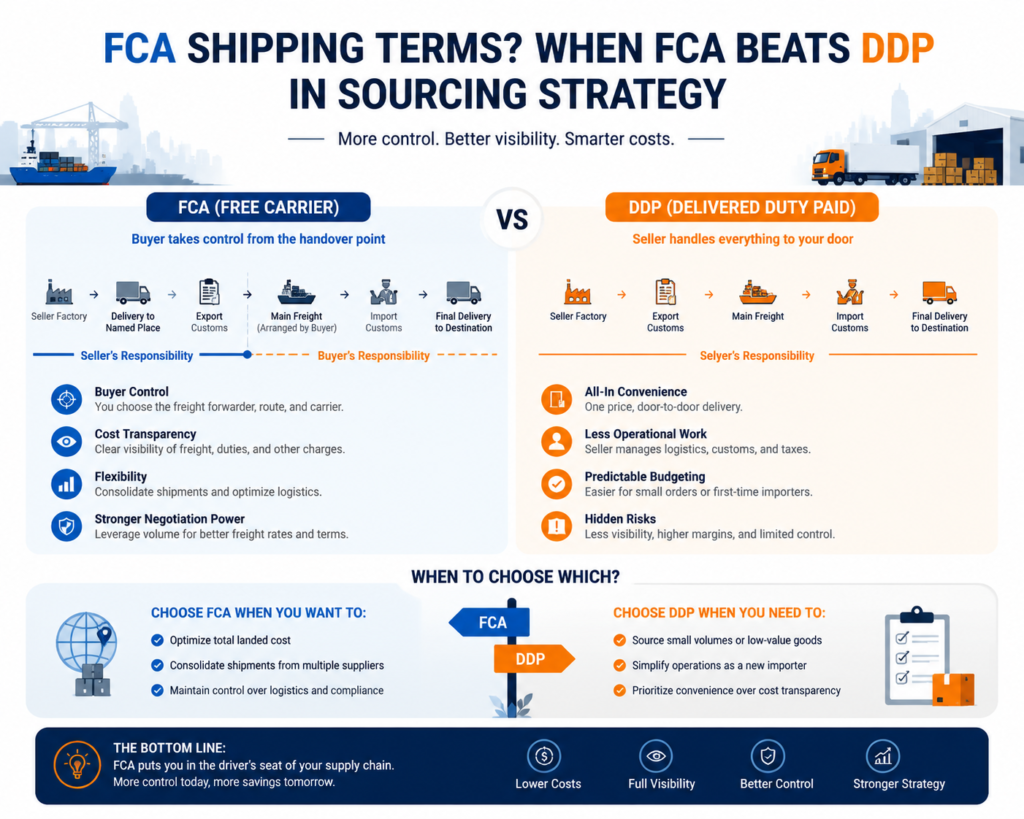
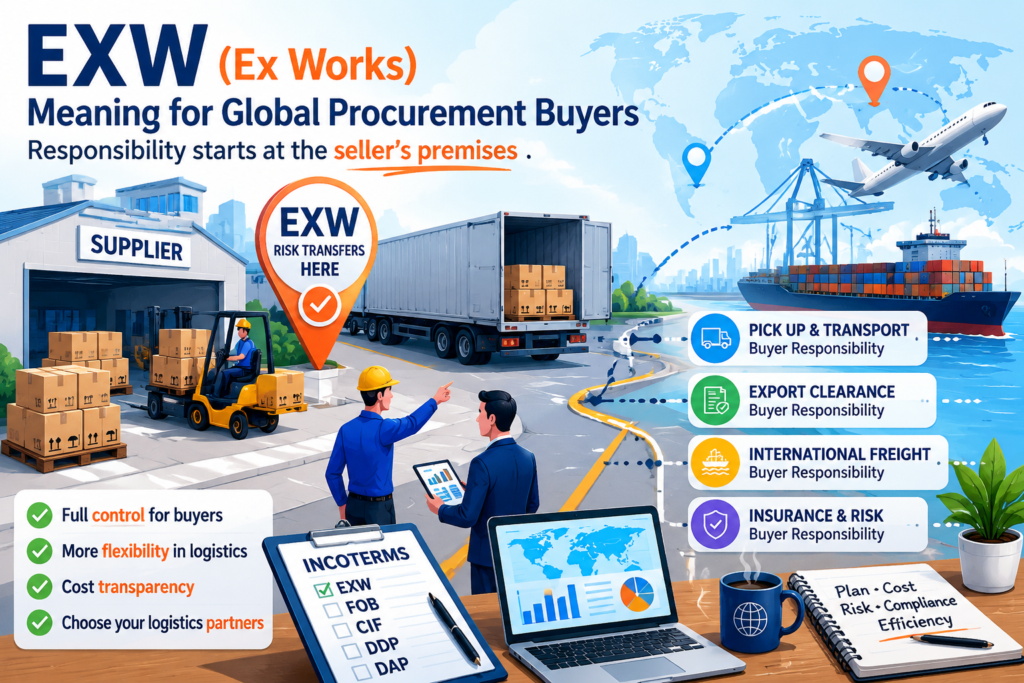
Figuring out how to ship containers overseas doesn’t have to be a barrier to your business growth. By understanding your cargo needs, choosing the right Incoterms, and partnering with an experienced logistics provider, you can streamline your entire supply chain.
At Jazlog, we are more than just a vendor; we are your strategic logistics partner in China. Whether you need standard FCL/LCL shipping, complex dangerous goods handling, or a completely hands-off DDP solution, our team is ready to deliver.