
mark
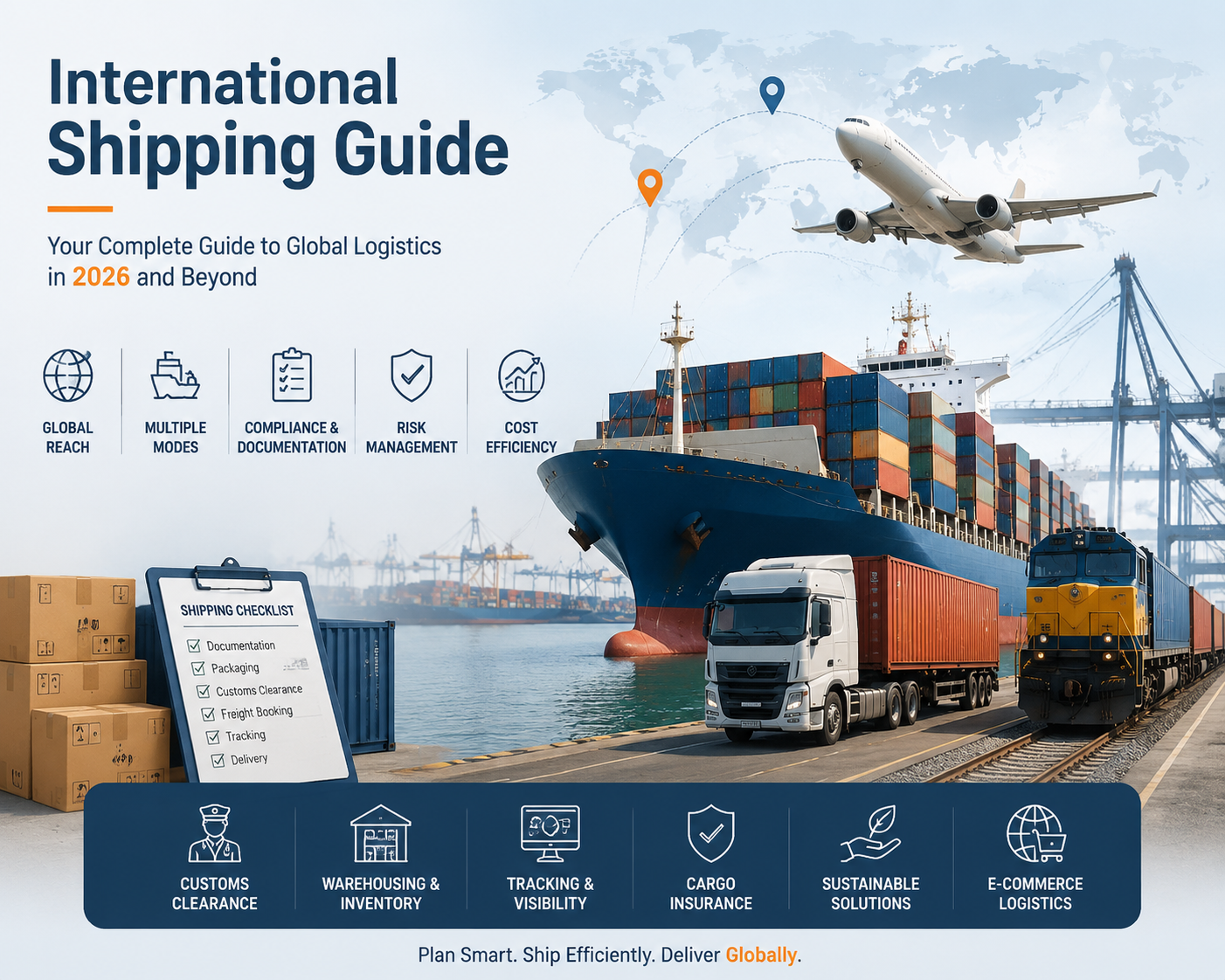
2026 Complete International Shipping Guide
1. Introduction to International Logistics
1.1 Definition and Importance of International Logistics
International logistics is the meticulous orchestration of moving goods across borders, encompassing transportation, storage, and information flow in a synchronized ballet of efficiency. For engineers and purchasing professionals, it is more than a backend function—it directly impacts production timelines, material quality, and cost-effectiveness. A robust international shipping guide is indispensable in navigating the labyrinthine channels of global supply chains, ensuring machinery parts arrive on schedule, intact, and compliant with regulations.
1.2 Evolution of Global Supply Chains
Global supply chains have metamorphosed from simple point-to-point exchanges into highly interlinked, technology-driven ecosystems. Early industrial trades relied on rudimentary shipping and overland routes, but today, we see a mesh of multimodal transport networks, advanced tracking systems, and predictive analytics, enabling just-in-time deliveries across continents. As engineers, understanding this evolution allows us to design procurement and logistics strategies that are resilient against disruptions like port congestion or geopolitical unrest.
1.3 Key Players in International Shipping
The ecosystem comprises shipping carriers, freight forwarders, customs brokers, warehouse operators, and technology platforms. Each plays a specialized role: carriers handle the physical movement, forwarders optimize routing and compliance, brokers ensure seamless customs clearance, while technology platforms knit it all together with real-time tracking and data analytics. Recognizing these actors ensures mechanical engineers can align production schedules with logistics realities. For more information, see Wikipedia: Logistics.
2. Understanding International Shipping
2.1 Overview of Shipping Methods: Sea, Air, and Land
Sea freight remains the workhorse for bulk and heavy industrial components, offering cost-efficiency albeit at slower speeds. Air freight, though premium-priced, delivers critical spare parts and high-value components with unparalleled swiftness. Land transport, especially rail and trucking, bridges local and cross-border gaps, providing flexibility in regions with robust infrastructure. Choosing the appropriate mode requires balancing weight, volume, urgency, and budget—a decision where every engineer’s calculus matters.
2.2 Comparing Costs, Speed, and Reliability
Cost, speed, and reliability form a triad that dictates shipping strategy. While sea freight may save 60–70% compared to air, transit times can extend into weeks. Air freight guarantees punctuality but at a premium, and land routes fluctuate with traffic, regulations, and border processes. Reliability hinges on carrier reputation, historical performance, and contingency planning—a crucial consideration when components drive production lines.
2.3 Choosing the Right Shipping Method for Your Business
A tailored approach is essential: high-volume, low-urgency components suit sea freight; high-value, urgent parts benefit from air transport; regional deliveries can leverage land logistics. Decision matrices factoring lead time, cost per unit, and risk exposure allow procurement engineers to optimize inventory flow while minimizing both downtime and excess warehousing.
3. International Shipping Regulations
3.1 Import and Export Compliance
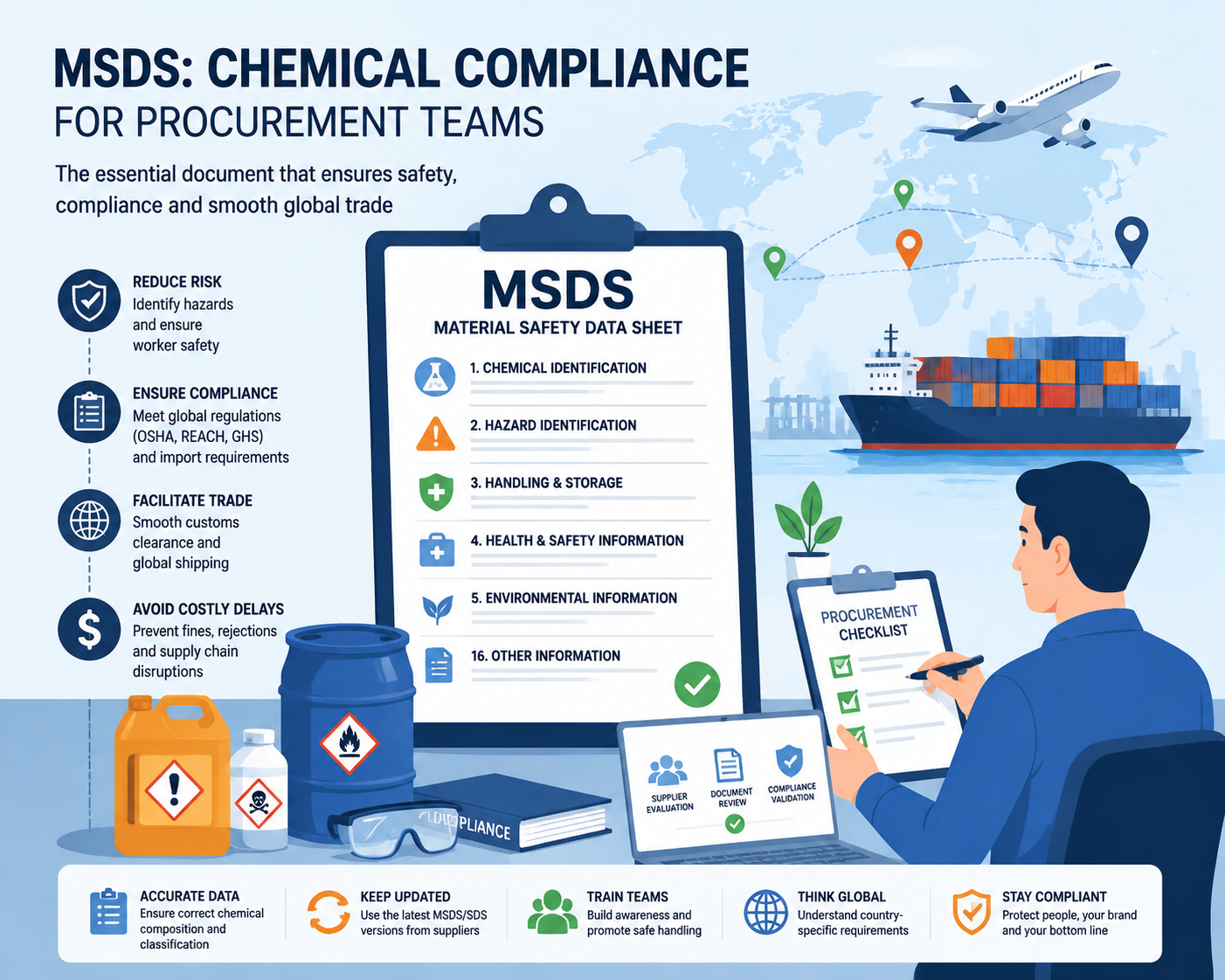
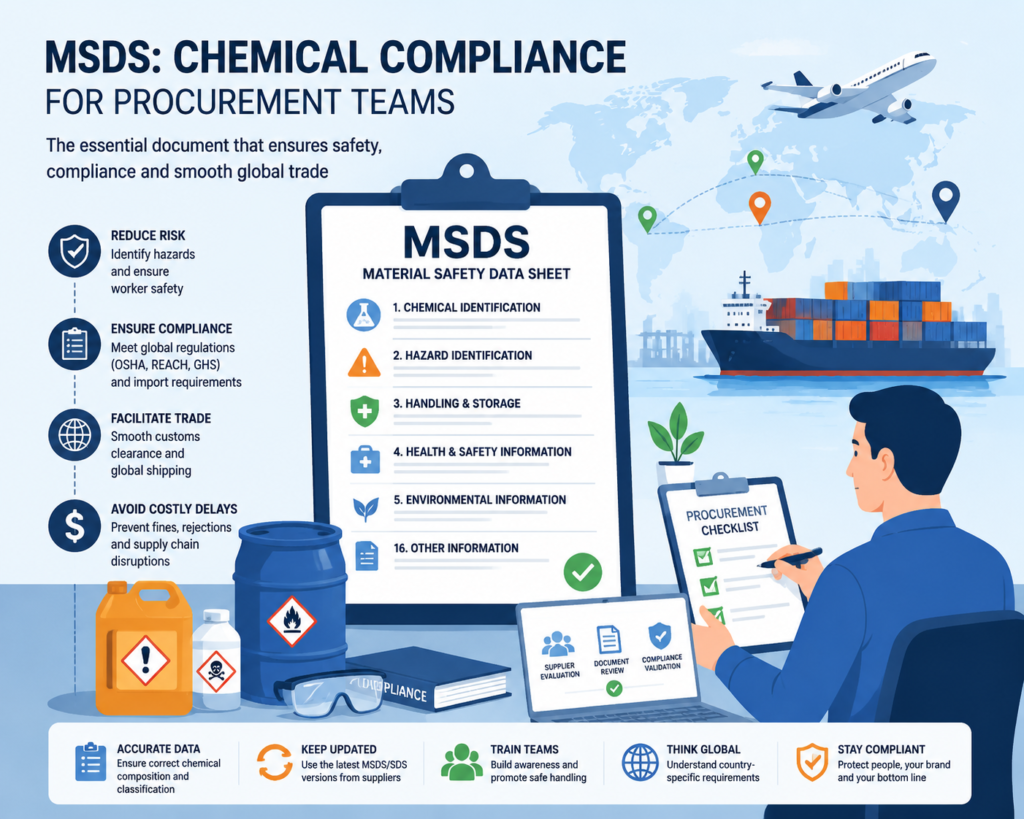
Compliance is non-negotiable. Regulations vary by country and dictate permissible goods, tariffs, licensing, and safety standards. Mechanical engineers must collaborate with legal and logistics teams to ensure that bearings, gears, or precision components comply with dual-use restrictions, hazardous material classifications, and local safety certifications. Refer to trade.gov for regulatory guidelines.
3.2 Customs Documentation Requirements
Correct documentation—including commercial invoices, packing lists, certificates of origin, and bills of lading—is the lifeblood of smooth customs clearance. Errors can result in delays, fines, or seizure, making meticulous verification critical. Advanced logistics software now automates checks, reducing human error and streamlining approval cycles.
3.3 Global Trade Agreements and Their Impact
Trade agreements, such as USMCA, EU Free Trade Agreements, and ASEAN trade pacts, influence duties, tariffs, and quotas. Strategic understanding allows procurement engineers to leverage preferential treatments, reducing cost and avoiding unnecessary paperwork—a small edge that can yield significant savings across bulk shipments. Learn more at World Trade Organization.
4. Freight Forwarders and Logistics Providers
4.1 Role of Freight Forwarders in Global Shipping
Freight forwarders act as the conductors of the logistics symphony, coordinating multimodal transport, compliance, and documentation. They offer expertise in routing, carrier selection, and customs negotiation, ensuring that machinery components move seamlessly across continents.
4.2 Selecting the Right Logistics Partner
Selection criteria extend beyond price. Track record in on-time delivery, experience with specialized cargo, technology adoption, and communication capabilities are paramount. Engineers must assess forwarders’ capacity to handle oversized machinery or sensitive components with care.
4.3 Evaluating Service Levels and Pricing
Service levels encompass shipment speed, tracking transparency, insurance coverage, and problem resolution efficiency. Transparent pricing models, factoring in surcharges and contingencies, prevent nasty surprises—a key consideration when high-value components are at stake.
5. Packaging and Labeling for International Shipments
5.1 Packaging Standards for Different Transport Modes
Packaging must withstand stacking, vibration, and environmental exposure. Sea freight demands moisture-resistant crates; air freight requires lightweight, high-strength containers; land transport emphasizes shock absorption. Proper packaging minimizes loss and ensures alignment with engineering specifications.
5.2 Labeling Requirements Across Countries
Labels must clearly indicate contents, weight, handling instructions, and hazardous material status. Some jurisdictions require multilingual labels and barcodes for customs scanning. Noncompliance can trigger costly delays, underscoring the necessity for precision in labeling.
5.3 Tips to Avoid Damage and Delays
Engineers should collaborate with packaging specialists to select cushioning materials, reinforced containers, and modular designs that facilitate stacking. Pre-shipment inspections and secure strapping techniques further safeguard components against transit-induced shocks.
6. Customs Clearance Process
6.1 Steps to Clear Goods at Customs
Customs clearance involves submission of accurate documentation, payment of duties, and inspection compliance. The process may include electronic submission, physical inspection, and tariff classification verification, all of which influence lead times.
6.2 Common Challenges and How to Avoid Them
Challenges include missing documentation, misclassification of goods, and varying inspection protocols. Proactive audits, customs pre-clearance, and using forwarders familiar with the region can mitigate risks and prevent costly holdups.
6.3 Leveraging Technology for Faster Clearance
Automated customs platforms, AI-powered risk assessment tools, and real-time tracking enable preemptive resolution of potential bottlenecks. Adoption of such technologies can compress clearance timelines, ensuring that critical machinery parts meet production deadlines.
7. Incoterms and International Shipping Contracts
7.1 Understanding Common Incoterms
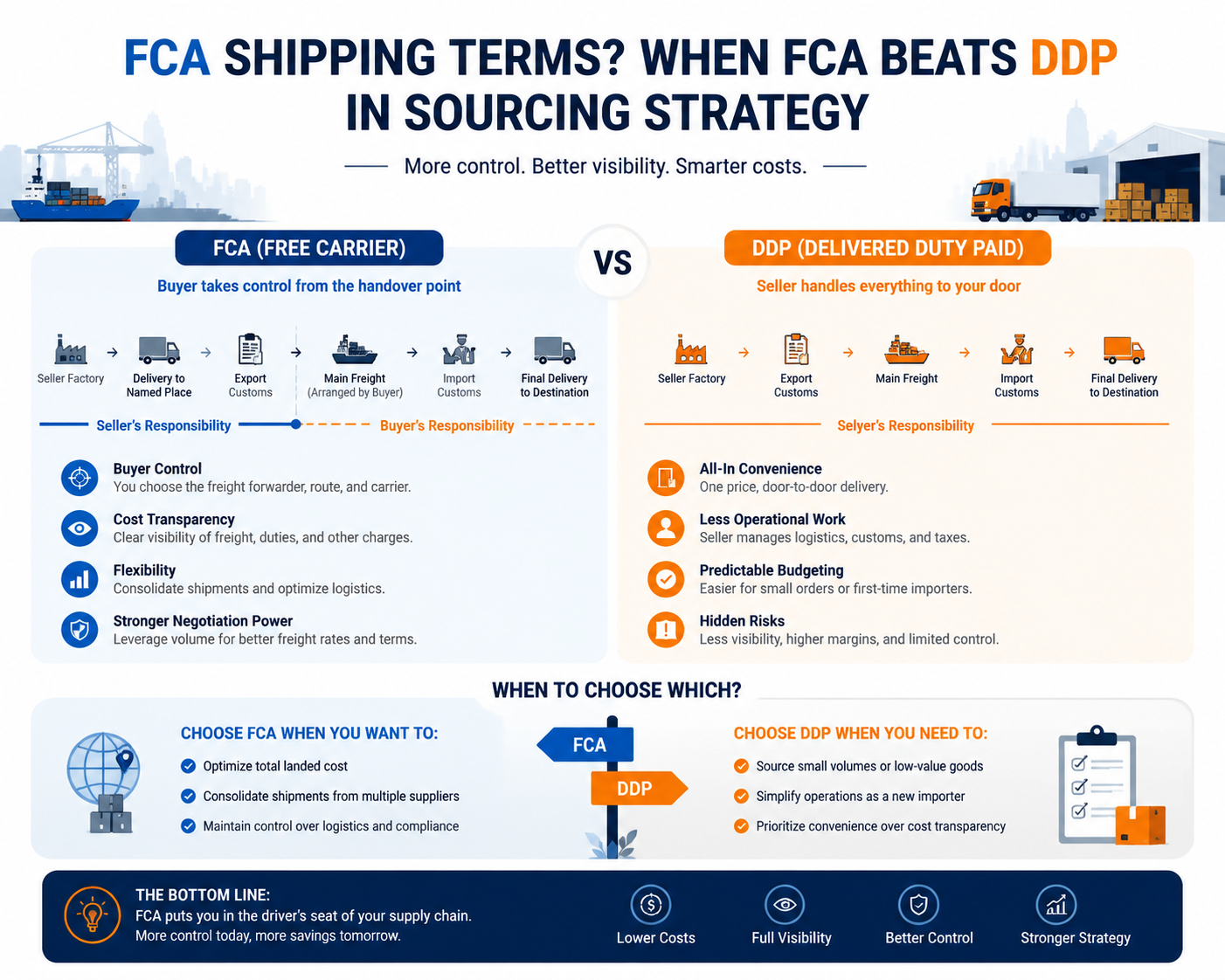
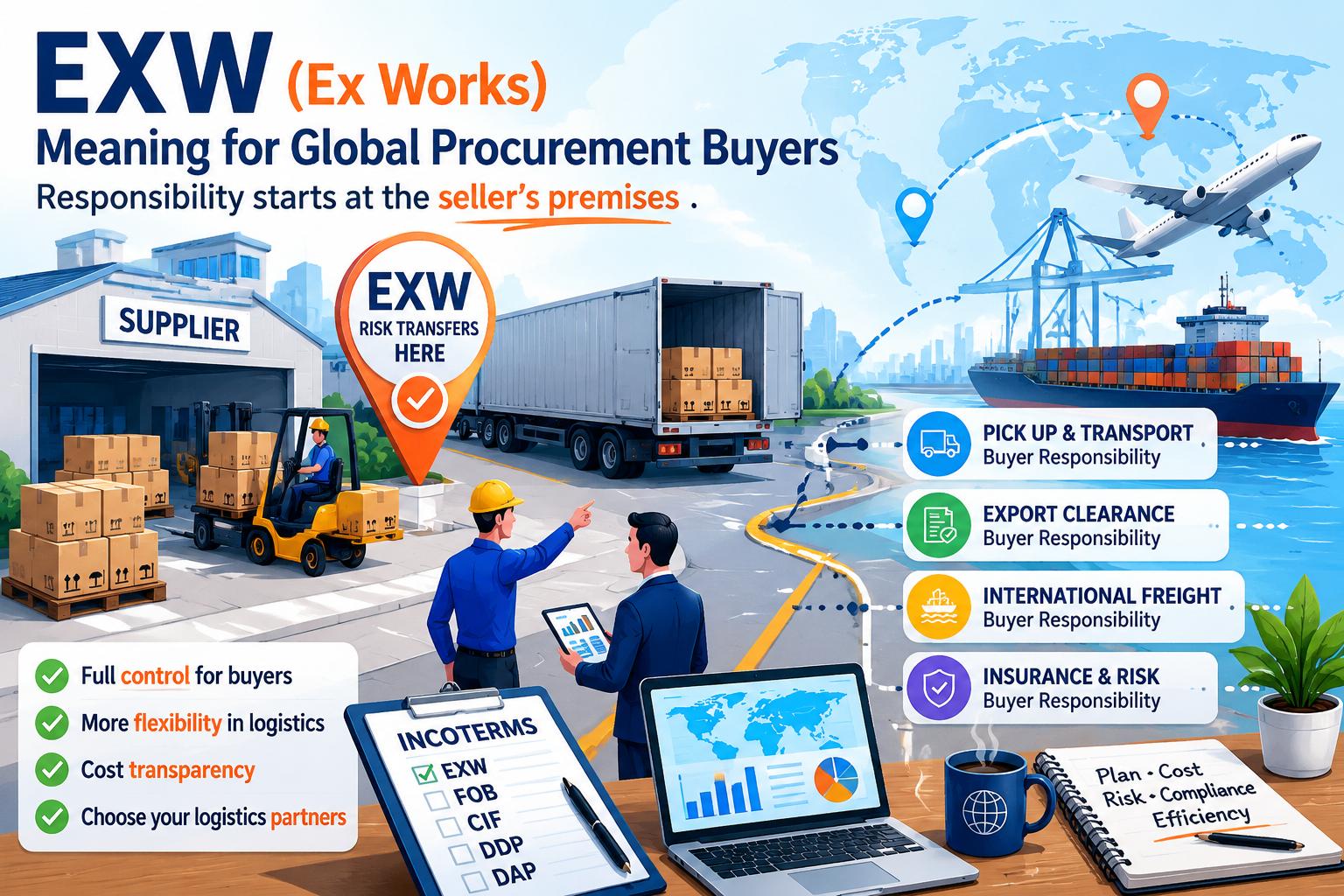
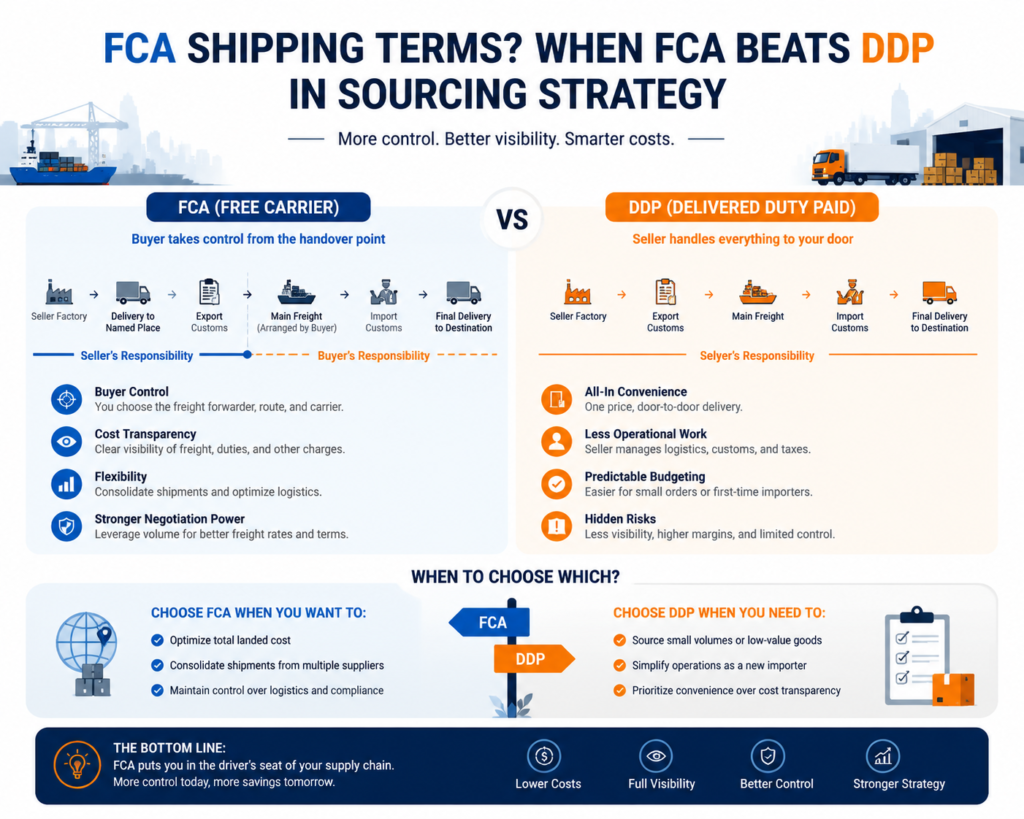
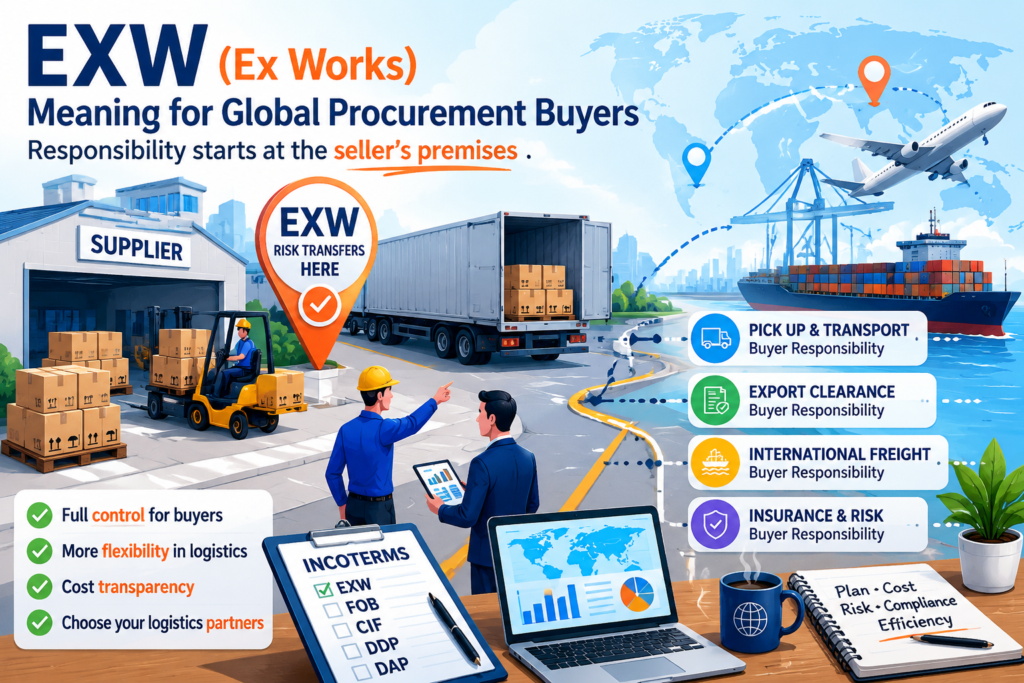
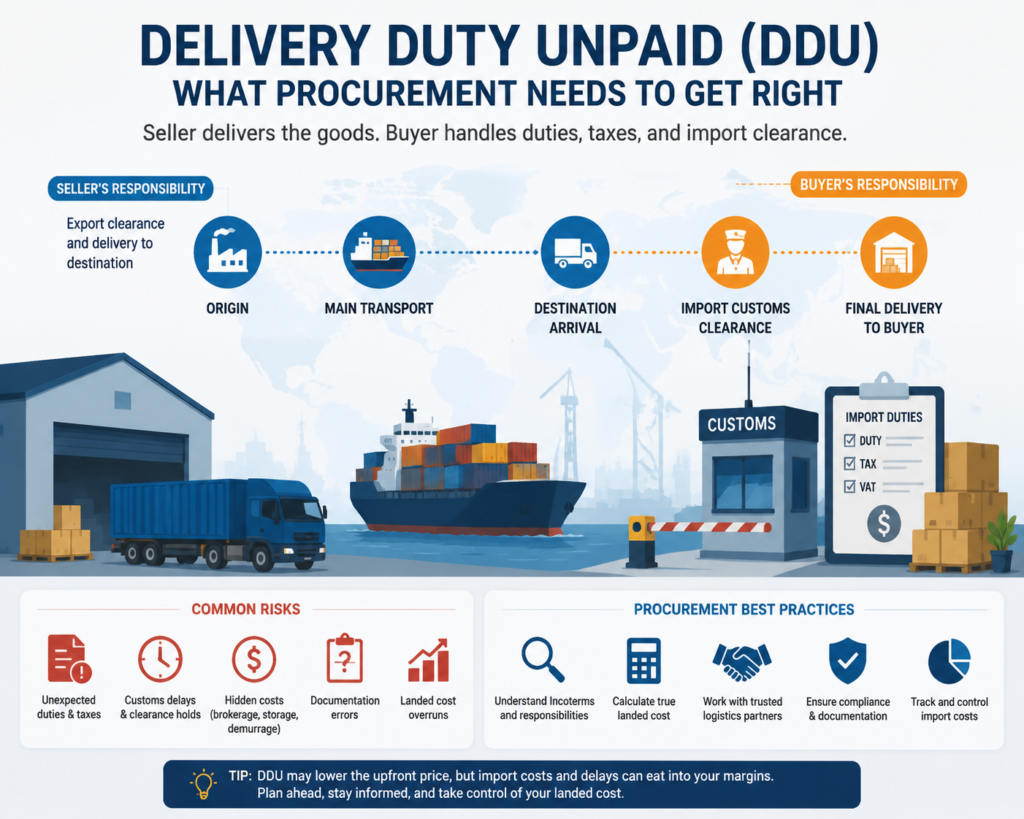
Incoterms define the responsibilities and risk allocation between buyers and sellers. Key terms include FOB (Free on Board), CIF (Cost, Insurance, Freight), and DDP (Delivered Duty Paid). Each dictates who manages transportation, insurance, and customs—a critical nuance for engineers managing cross-border procurement. More details at Incoterms.org.
7.2 How Incoterms Affect Costs and Responsibilities
Selection of Incoterms impacts budget, risk exposure, and logistics strategy. For instance, DDP shifts full responsibility to the seller, while FOB requires buyers to coordinate shipping from the port of origin. Clear understanding prevents disputes and unexpected costs.
7.3 Negotiating Contracts with International Clients
Negotiation requires clarity on shipping costs, risk transfer points, liability for delays, and insurance coverage. Structured agreements reduce friction and ensure mutual accountability across the supply chain.
8. Freight Costs and Pricing Structures
8.1 Components of International Shipping Costs
Costs encompass base freight rates, fuel surcharges, port handling fees, customs duties, and insurance premiums. Engineers must assess total landed cost rather than focusing on nominal freight charges to make informed procurement decisions.
8.2 How to Compare Quotes from Multiple Carriers
Comparisons should account for transit time, reliability, insurance coverage, and hidden fees. Side-by-side cost-benefit analyses enable optimization for both budget and operational efficiency.
8.3 Cost-Saving Strategies for Businesses
Consolidation of shipments, flexible routing, use of bonded warehouses, and leveraging volume discounts can drastically reduce expenses without compromising delivery speed or component integrity.
9. Tracking and Visibility in International Logistics
9.1 Tools for Shipment Tracking
Technologies like GPS, RFID tags, and cloud-based tracking dashboards provide granular visibility of shipments in transit. This enables proactive management of delays and inventory planning.
9.2 Importance of Real-Time Visibility
Real-time data allows engineers and procurement teams to anticipate delays, coordinate production schedules, and maintain client commitments without resorting to costly emergency shipping.
9.3 Improving Communication with Clients
Transparent reporting, alerts on shipment milestones, and direct access to tracking data enhance client confidence and foster stronger business relationships.
10. Risk Management in Global Shipping
10.1 Identifying Common Shipping Risks
Risks include weather disruptions, port congestion, piracy, regulatory changes, and supply chain bottlenecks. A comprehensive risk audit identifies vulnerabilities in the logistics chain.
10.2 Insurance Options for International Shipments
Marine insurance, all-risk coverage, and specific cargo insurance provide financial protection against loss or damage. Selection depends on cargo value, transport mode, and route risks.
10.3 Mitigation Strategies for Delays and Losses
Diversifying carriers, planning buffer times, using resilient packaging, and maintaining safety stock are essential practices to minimize disruptions and safeguard production continuity.
11. Warehousing and Inventory Management
11.1 Role of International Warehousing
Strategically located warehouses serve as nodes that buffer production against global shipping variability. They enable staging, consolidation, and timely distribution of components.
11.2 Managing Cross-Border Inventory
Effective inventory management leverages ERP systems, barcode scanning, and predictive analytics to synchronize supply with production demand across multiple geographies.
11.3 Choosing the Right Warehouse Location
Factors include proximity to ports, customs efficiency, labor availability, and local regulatory compliance. Optimal placement reduces lead times and lowers total logistics costs.
12. Technology in International Logistics
12.1 Transportation Management Systems (TMS)
TMS solutions optimize routing, consolidate shipments, calculate costs, and integrate with customs systems, offering engineers actionable insights for operational efficiency.
12.2 Automation and AI in Supply Chain
Automation streamlines repetitive tasks, while AI predicts demand, optimizes routing, and anticipates potential delays, transforming reactive logistics into proactive planning.
12.3 Blockchain for Shipping Transparency
Blockchain provides immutable records of shipments, facilitating trust, reducing fraud, and improving traceability of components across complex supply chains. Learn more from IBM Supply Chain Insights.
13. Sustainable Practices in Global Shipping
13.1 Reducing Carbon Footprint in Logistics
Carbon-efficient transport modes, route optimization, and eco-conscious carriers help organizations align with sustainability targets while mitigating environmental impact.
13.2 Eco-Friendly Packaging Solutions
Biodegradable materials, modular crates, and reusable pallets reduce waste and meet increasingly strict environmental regulations, while protecting sensitive machinery.
13.3 Regulatory Push for Green Shipping
Governments worldwide incentivize low-emission shipping, carbon reporting, and sustainable practices, making compliance both a legal requirement and a competitive advantage.
14. E-Commerce and International Shipping
14.1 Challenges for Online Retailers
Cross-border e-commerce faces regulatory complexity, variable shipping costs, and last-mile delivery challenges, especially for bulky or precision machinery components.
14.2 Strategies for Fast and Cost-Effective Delivery
Integrating fulfillment centers near target markets, using multi-carrier solutions, and leveraging predictive logistics ensures timely delivery without breaking the budget.
14.3 Cross-Border E-Commerce Solutions
Platforms providing bundled shipping, customs automation, and local distribution networks simplify international transactions for engineers sourcing components online.
15. Case Studies of Successful International Logistics
15.1 Lessons from Global Shipping Leaders
Industry leaders illustrate the benefits of multimodal transport integration, robust contingency planning, and data-driven decision-making, serving as blueprints for efficient operations.
15.2 Overcoming Challenges in Complex Markets
Strategies include leveraging local expertise, flexible contract terms, and scalable warehousing solutions to navigate regulatory, logistical, and infrastructural complexities.
15.3 Innovative Solutions Driving Efficiency
Automation, predictive analytics, and real-time communication tools demonstrate how innovation reduces lead times, minimizes costs, and enhances reliability across global supply chains.
16. Future Trends in International Logistics
16.1 Emerging Technologies in Shipping
Drones, autonomous vehicles, AI-powered logistics, and IoT sensors promise to revolutionize the speed, accuracy, and visibility of shipments globally.
16.2 Geopolitical and Economic Influences
Trade wars, tariffs, currency fluctuations, and regional instability directly influence shipping routes, costs, and risk mitigation strategies.
16.3 Preparing Your Business for Future Challenges
Scenario planning, flexible supplier networks, and digital transformation ensure resilience against unpredictable disruptions and evolving market demands.
17. Conclusion and Key Takeaways
17.1 Summary of Best Practices
Meticulous planning, proactive risk management, technology adoption, and strategic partnerships form the pillars of successful international logistics.
17.2 Building a Resilient International Logistics Strategy
Integrating forecasting, compliance, and supply chain visibility enables companies to maintain production flow and customer satisfaction, regardless of external pressures.
17.3 Resources for Ongoing Learning and Updates
Industry reports, trade publications, webinars, and professional associations provide continuous insight into evolving logistics trends, ensuring engineers remain ahead in the global shipping game.
Keyword Integration: This comprehensive international shipping guide equips engineers and procurement professionals with the knowledge, tools, and strategies to navigate the complex global logistics landscape, ensuring efficiency, compliance, and cost-effectiveness.
```