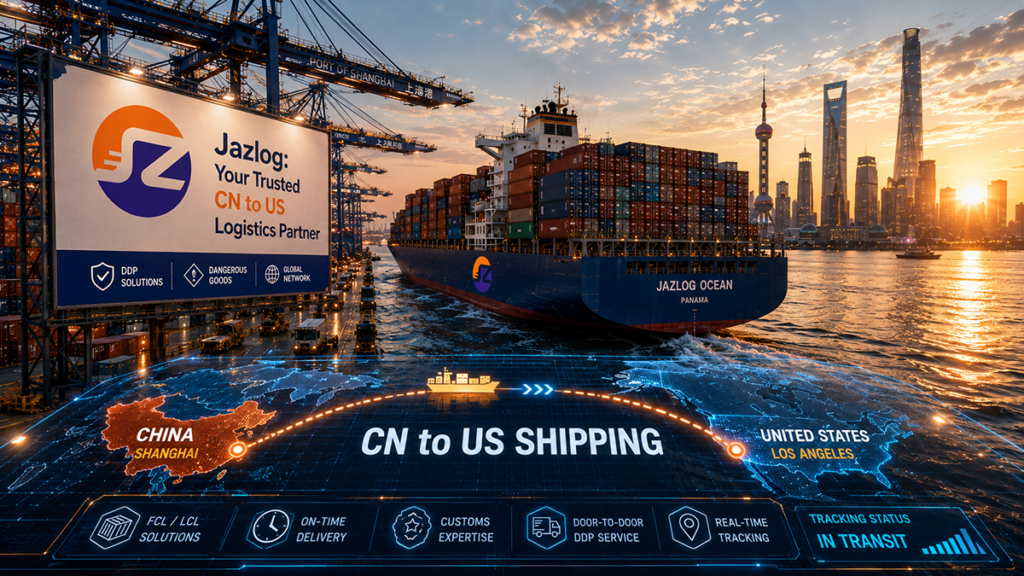
Global trade relies heavily on the efficiency of ocean freight. If you are a business owner or supply chain manager sourcing products from the world’s largest manufacturing hub, understanding exactly how to ship containers overseas is critical to your bottom line. Navigating international logistics, customs clearance, and long-distance ocean transit can seem daunting, but it doesn’t have to be.
At Jazlog, we are a premier China freight forwarder dedicated to bridging the gap between Chinese manufacturers and global markets. Whether you are shipping to the USA, Canada, Australia, the UK, Europe, or Africa, this comprehensive guide will walk you through the essential steps to ensure your cargo arrives safely, on time, and within budget.
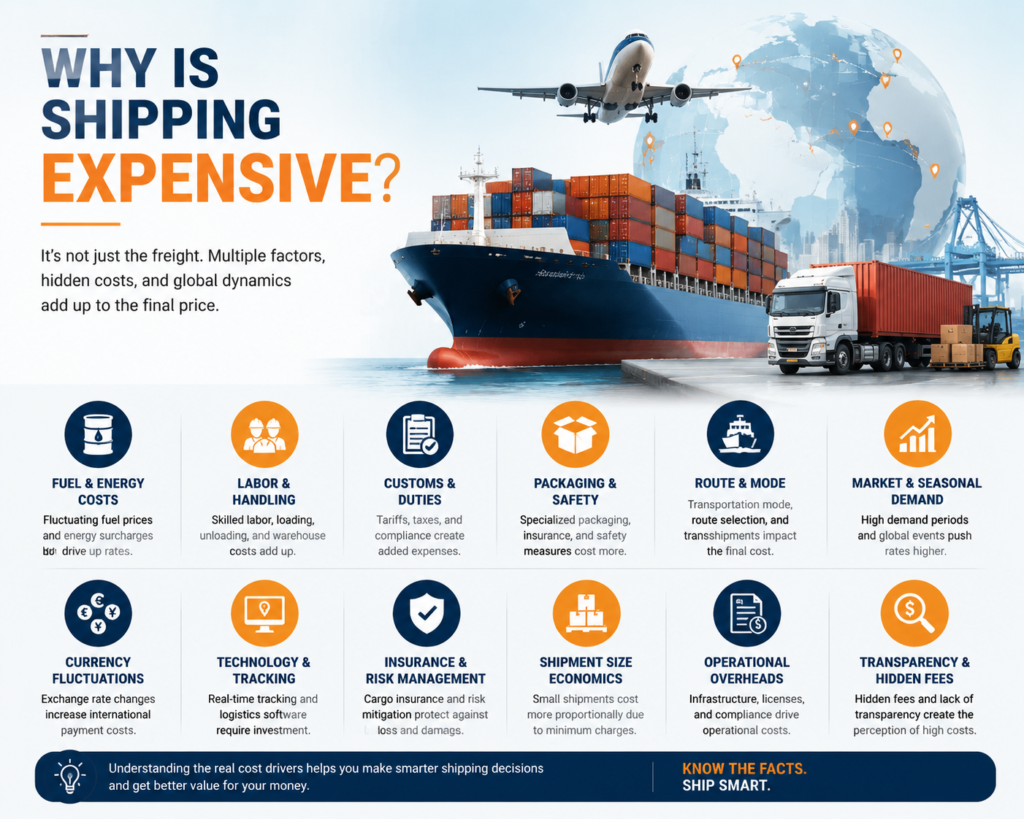
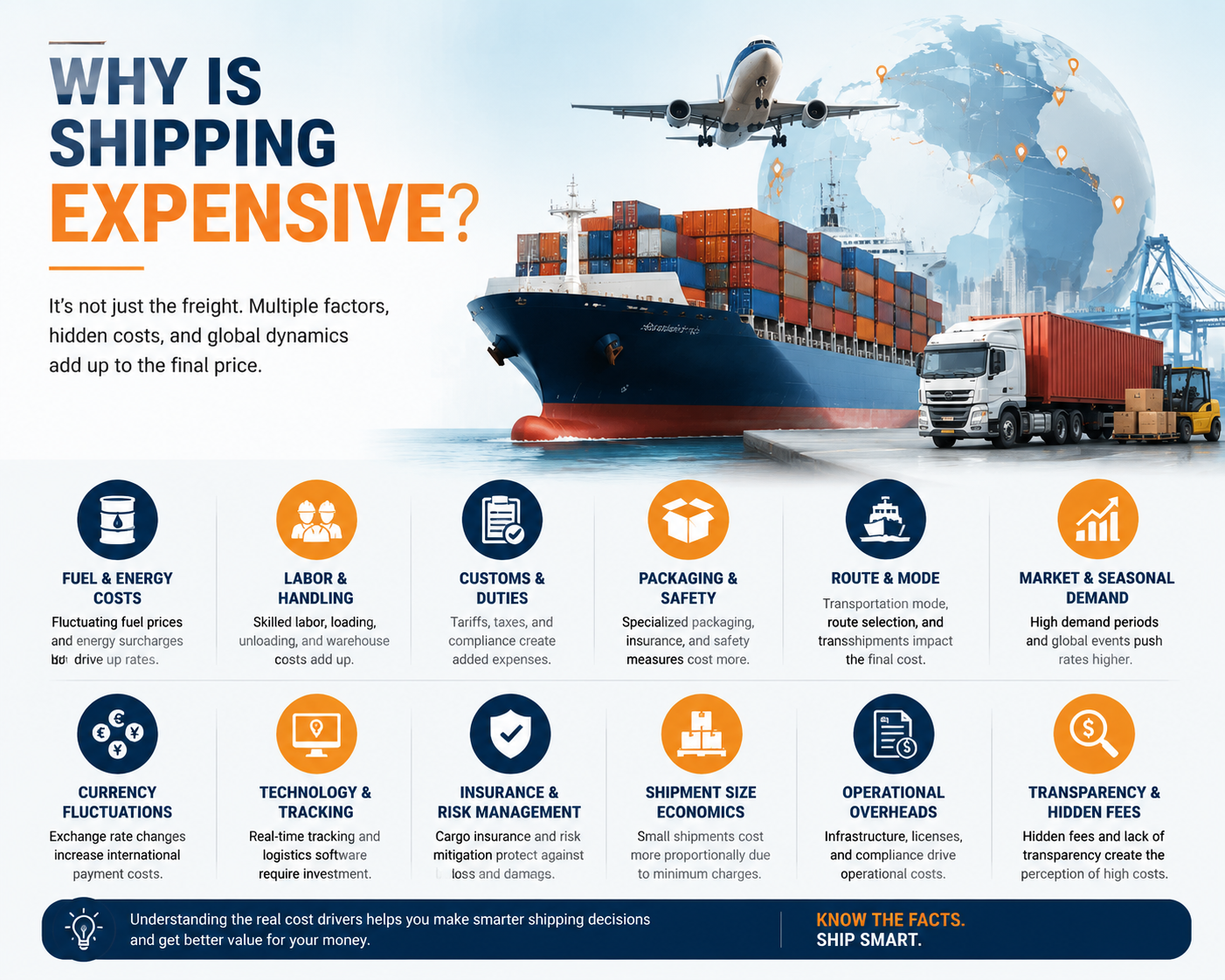
Why Shipping Expensive: Insights from Mechanical and Purchase Engineers
1. Introduction: Understanding Customer Perception of Shipping Costs
1.1 Common complaints about freight forwarding expenses
Many customers often grumble that shipping fees are “way too high,” citing costs that seem to balloon unpredictably, and in many cases, they fail to appreciate the intricate choreography behind each shipment—think of it as a complex ballet of logistics where even a minor misstep can add hundreds of dollars.
1.2 The impact of shipping costs on purchasing decisions
From the perspective of a purchase engineer, shipping costs are not just line items—they are deal-breakers. A seemingly minor spike in freight fees can tilt the cost-benefit analysis of sourcing overseas, prompting engineers and procurement teams to reconsider suppliers or even redesign parts to reduce shipping complexity.
1.3 Setting the stage: why shipping seems expensive
When clients ask “why shipping is expensive,” they often focus on the visible charges, but beneath the surface lurks an entire ecosystem of hidden costs, risk buffers, and operational contingencies that keep goods moving smoothly and safely from point A to point B.
2. The Complexity Behind Freight Forwarding
2.1 Multiple steps from origin to destination
Freight forwarding is rarely linear—it involves a series of nodes, including warehouse storage, trucking, port handling, customs inspections, and last-mile delivery, each adding layers of cost and potential delay.
2.2 Coordination between carriers, agents, and customs
The process requires seamless collaboration between multiple parties: shipping lines, airlines, local agents, and customs officials. Each interface carries coordination fees, administrative overhead, and potential penalties for misalignment.
2.3 Hidden operational costs
Beyond visible charges, operational expenditures like software licensing, tracking platforms, and contingency budgets quietly inflate shipping invoices, giving the impression that freight rates are “arbitrarily high.”
3. Fuel and Energy Costs
3.1 How fluctuating fuel prices affect shipping rates
Fuel constitutes a significant percentage of freight expenses, and when crude prices spike, fuel surcharges are passed down, directly impacting the customer.
3.2 The role of energy surcharges in freight forwarding
These surcharges are dynamic and sometimes obscure, often based on indices beyond the customer’s control, and they explain part of the “why shipping is expensive” phenomenon.
3.3 Environmental regulations and their cost impact
Stricter emissions rules for ships, trucks, and planes introduce compliance costs, which inevitably feed into the pricing of freight services, creating a complex interplay between environmental responsibility and operational economics.
4. Labor and Handling Costs
4.1 Loading, unloading, and warehousing fees
Every forklift lift, pallet scan, and warehouse shuffle translates into labor charges that are factored into shipping invoices. It’s not just physical work; it’s precision engineering of goods flow.
4.2 Skilled labor and specialized handling expenses
Handling sensitive or high-value components requires certified personnel and specialized equipment, elevating the labor portion of shipping costs.
4.3 Overtime and seasonal staffing surges
Peak seasons force freight forwarders to hire temporary staff or pay overtime, which can spike rates dramatically during holiday or industrial peak periods.
5. Customs and Import/Export Duties
5.1 Tariffs and taxes on imported goods
Import duties, excise taxes, and regional tariffs are unavoidable and sometimes unpredictable, adding to the perception of high shipping fees.
5.2 Documentation and compliance costs
Customs paperwork, certificates of origin, and compliance audits require administrative time and attention, which translates into indirect cost additions.
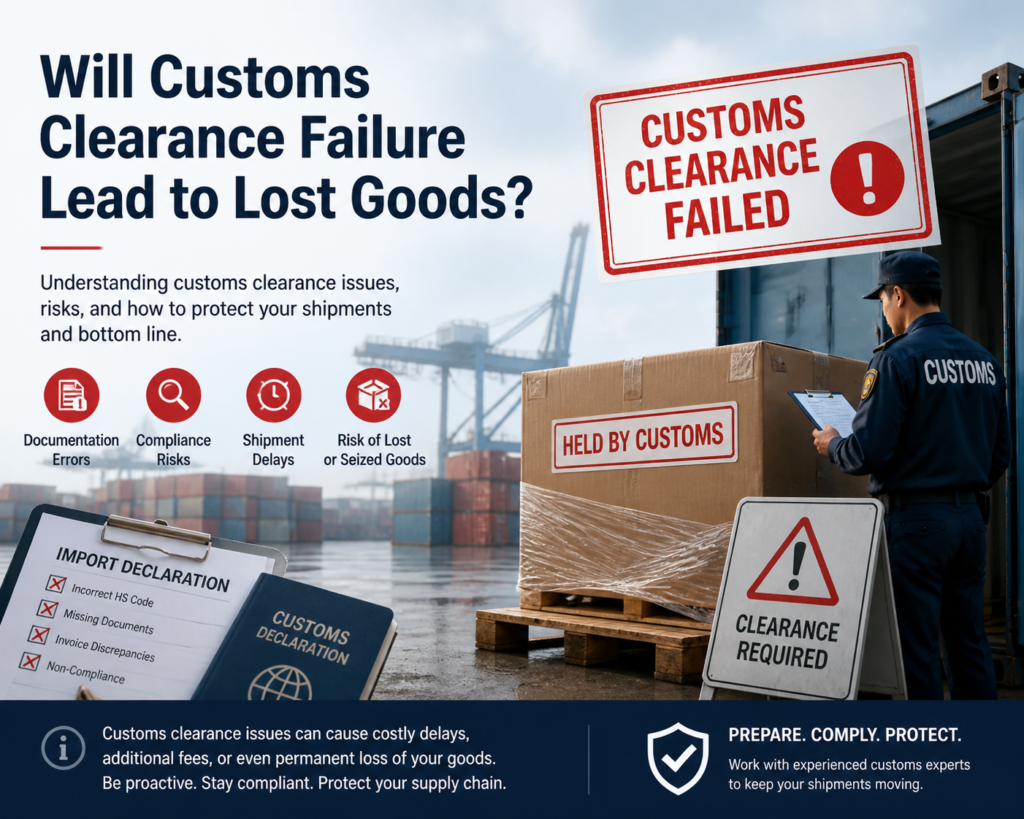
5.3 Delays leading to additional fees
Even minor customs delays can trigger demurrage fees or storage penalties, turning an already expensive shipment into a surprisingly costly affair.
6. Packaging and Safety Requirements
6.1 Specialized packaging for fragile or high-value goods
Mechanical components often require vibration-dampening crates, anti-corrosion treatments, or temperature-controlled packaging, all of which are pricey but critical to avoid damage.
6.2 Protective measures and insurance costs
Insurance premiums for high-value or high-risk cargo are baked into freight invoices, reflecting the financial hedging behind each shipment.
6.3 Waste management and eco-friendly packaging considerations
Increasingly, sustainability requirements compel forwarders to adopt recyclable or biodegradable materials, which can carry higher upfront costs.
7. Route and Mode of Transportation
7.1 Air freight versus sea freight cost differences
Air freight is fast but expensive, while sea freight is cheaper but slower. The choice impacts both cost and delivery lead times.
7.2 Choosing optimal shipping routes
Forwarders constantly analyze routes for cost-efficiency, balancing distance, port congestion, and fuel consumption, all of which influence customer pricing.
7.3 Impact of transshipment and intermediate stops
Every additional port or transfer increases handling costs and risk, often inflating perceived shipping expenses.
8. Freight Forwarder Operational Overheads
8.1 Office infrastructure and technology costs
ERP systems, warehouse management software, and cloud-based tracking platforms are essential investments that indirectly drive up shipping rates.
8.2 Regulatory compliance and licensing fees
Freight forwarders must maintain certifications and licenses, ensuring compliance with international and local regulations, which adds to operational overhead.
8.3 Insurance for liability and cargo damage
Professional indemnity and cargo insurance safeguard clients and forwarders alike, but the cost is embedded in the freight charges.
9. Market Demand and Seasonal Peaks
9.1 How high demand periods increase shipping rates
Global spikes in consumer demand—think holiday electronics or automotive parts—push freight rates up due to scarcity of shipping capacity.
9.2 The impact of global events on freight pricing
Political unrest, pandemics, or port strikes can drastically influence shipping costs, creating temporary price shocks.
9.3 Planning for seasonal surges to minimize costs
Advanced booking and demand forecasting can reduce exposure to peak surcharges, but many customers overlook this, wondering “why shipping is expensive.”
10. Currency Fluctuations and Exchange Rates
10.1 How international payments affect shipping costs
Freight fees invoiced in foreign currencies fluctuate with exchange rates, impacting the local cost for the customer.
10.2 Hedging strategies for freight forwarders
Forwarders often use financial instruments to stabilize costs, but those hedging expenses are ultimately reflected in shipping invoices.
10.3 Passing costs onto customers
Rather than absorbing currency risk, many forwarders adjust pricing dynamically, which contributes to customer perception of high costs.
11. Technology and Tracking Systems
11.1 Investment in real-time tracking systems
GPS, RFID, and IoT-enabled tracking platforms improve shipment visibility but require substantial capital expenditure.
11.2 Automated logistics software expenses
Advanced logistics software reduces errors and accelerates processes but adds to operational costs passed onto customers.
11.3 Value-added services that increase pricing
Custom notifications, analytics reports, and shipment performance dashboards all enhance transparency yet elevate costs, explaining part of the expensive shipping perception.
12. Risk Management and Insurance
12.1 The role of cargo insurance in shipping rates
Insurance premiums for potential damage, theft, or loss are priced into freight fees, reflecting risk mitigation strategies.
12.2 Mitigating risks from theft, loss, or damage
Special security measures—sealed containers, tamper-evident packaging, and GPS tracking—add incremental cost but safeguard critical shipments.
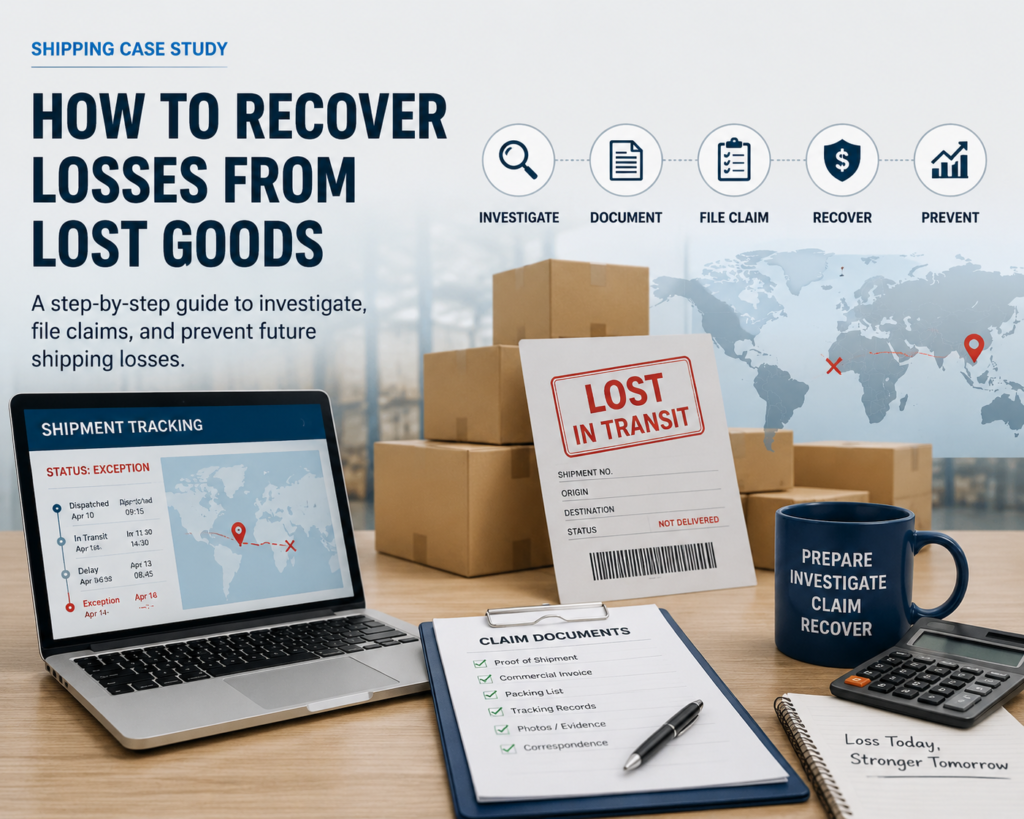
12.3 Cost of legal and dispute resolution
Forwarders allocate resources for legal counsel and claim handling, indirectly influencing the pricing customers see.
13. Small vs. Large Shipment Economics
13.1 Why small shipments cost proportionally more
Handling a 10kg component isn’t ten times cheaper than 100kg; the labor, compliance, and documentation scale differently.
13.2 Benefits of consolidation and bulk shipping
Combining shipments optimizes space and reduces per-unit shipping cost—a strategy often overlooked by customers.
13.3 Minimum charge thresholds for carriers
Forwarders impose minimum charges to cover baseline operational costs, which sometimes surprises clients with seemingly small shipments.
14. Freight Forwarder Competition and Pricing Strategies
14.1 Price comparison across providers
Competitive quotes vary widely depending on volume agreements, operational reach, and service scope.
14.2 How exclusive contracts affect customer costs
Long-term contracts can lock in lower rates but may require upfront commitments or limit flexibility.
14.3 Dynamic pricing models and fuel adjustments
Modern freight pricing is often algorithmic, responding in real time to fuel costs, demand, and route congestion, which can make rates fluctuate unexpectedly.
15. Misconceptions and Lack of Transparency
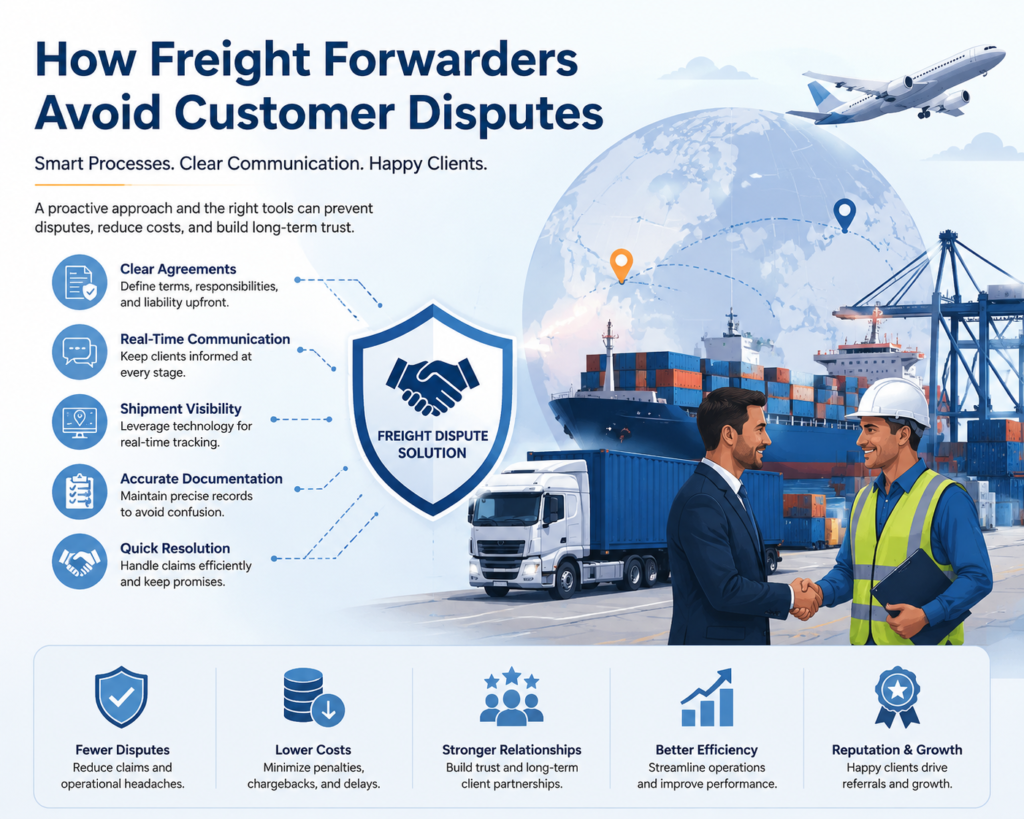
15.1 Hidden fees and misunderstood invoices
Service charges, handling fees, and surcharges are sometimes buried in fine print, frustrating customers and creating the impression of inflated shipping costs.
15.2 Miscommunication between forwarders and clients
Technical jargon, unclear quotes, or incomplete explanations often exacerbate customer frustration.
15.3 Educating customers about shipping cost breakdowns
Proactive transparency—breaking down fees and explaining operational necessities—can mitigate the “why shipping is expensive” perception.
16. Case Studies: Real Examples of Perceived Expensive Shipping
16.1 International e-commerce shipments
Small parcels shipped globally can incur high per-unit fees due to handling, customs, and international logistics.
16
.2 Heavy industrial cargo transportation
Oversized machinery demands special equipment, permits, and route planning, creating eye-popping shipping costs.
16.3 Time-sensitive express deliveries
Express shipments, particularly air freight, command premium rates for speed, reliability, and risk coverage.
17. Tips for Customers to Reduce Perceived Costs
17.1 Choosing the right freight forwarder
Selecting a partner with optimized networks, transparent pricing, and experience in specific cargo types can minimize unnecessary expenses.
17.2 Planning shipments in advance
Advanced scheduling avoids peak surcharges, last-minute handling fees, and reduces stress on both operations and wallet.
17.3 Consolidation and negotiation strategies
Combining shipments, negotiating volume discounts, or leveraging long-term contracts can materially reduce the cost burden.
18. Conclusion: Demystifying Freight Forwarding Expenses
18.1 Recap of factors contributing to high shipping costs
From fuel surcharges to labor, customs, and risk management, a multitude of operational realities explain why shipping is expensive.
18.2 Importance of transparency in customer communication
Clear invoices, cost breakdowns, and proactive explanations reduce friction and align customer expectations with actual operational realities.
18.3 Final thoughts on optimizing shipping budgets
Understanding the engineering and financial rationale behind freight costs allows purchase engineers to strategize, consolidate, and negotiate effectively, ultimately controlling costs without compromising quality or delivery performance.
Ready to Ship Your Containers Overseas?
Figuring out how to ship containers overseas doesn’t have to be a barrier to your business growth. By understanding your cargo needs, choosing the right Incoterms, and partnering with an experienced logistics provider, you can streamline your entire supply chain.
At Jazlog, we are more than just a vendor; we are your strategic logistics partner in China. Whether you need standard FCL/LCL shipping, complex dangerous goods handling, or a completely hands-off DDP solution, our team is ready to deliver.