Global trade relies heavily on the efficiency of ocean freight. If you are a business owner or supply chain manager sourcing products from the world’s largest manufacturing hub, understanding exactly how to ship containers overseas is critical to your bottom line. Navigating international logistics, customs clearance, and long-distance ocean transit can seem daunting, but it doesn’t have to be.
At Jazlog, we are a premier China freight forwarder dedicated to bridging the gap between Chinese manufacturers and global markets. Whether you are shipping to the USA, Canada, Australia, the UK, Europe, or Africa, this comprehensive guide will walk you through the essential steps to ensure your cargo arrives safely, on time, and within budget.
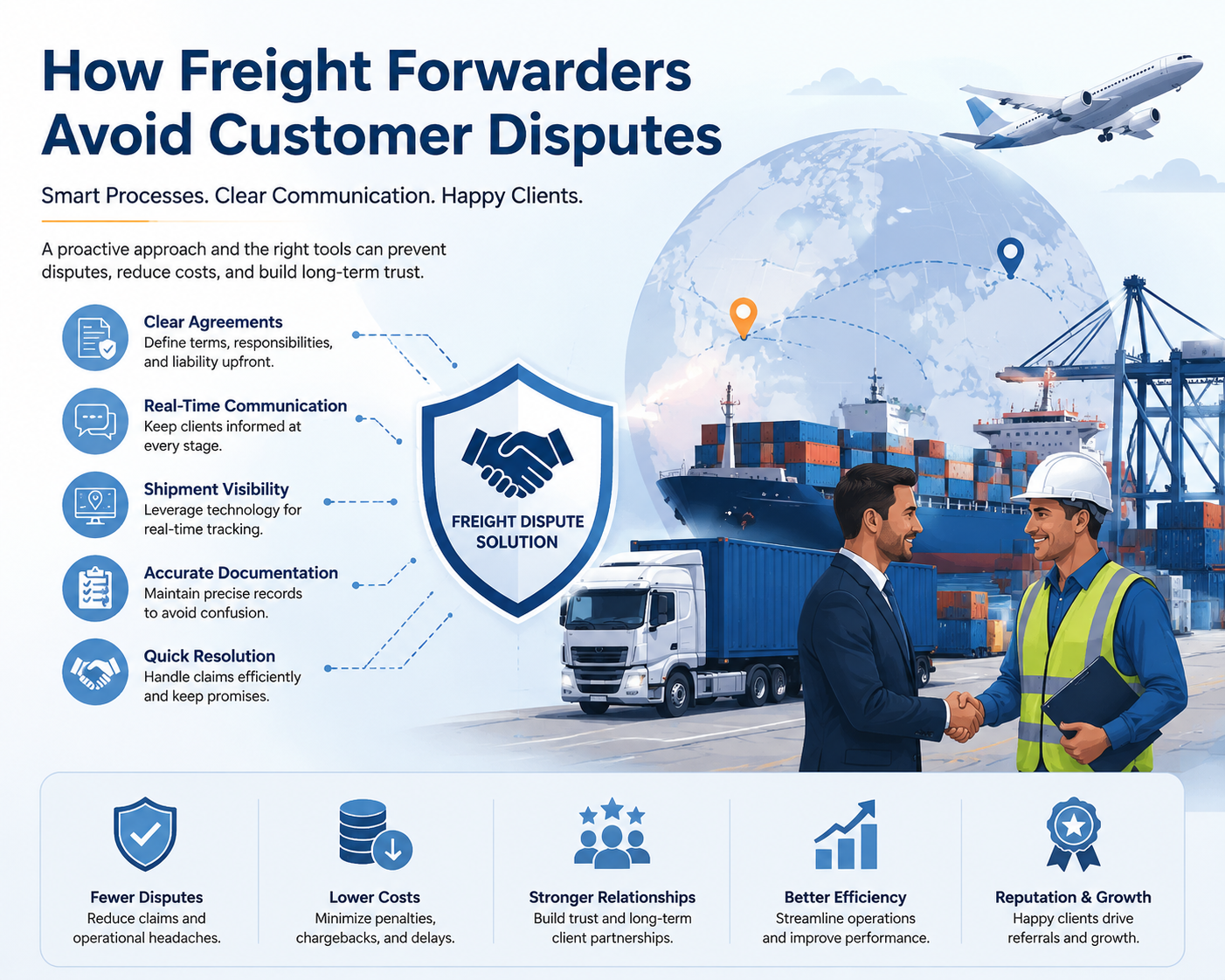
Effective Freight Dispute Solution Strategies
1. Introduction: Understanding Freight Disputes
1.1 Definition of freight disputes
Freight disputes can be described as the inevitable friction points between shippers, receivers, and freight forwarders when expectations collide with reality. These disputes range from contested invoices to claims of lost or damaged cargo, often escalating when communication is fragmented or operational transparency is lacking. In the world of industrial logistics, a dispute is more than just paperwork—it’s a challenge to the trust infrastructure upon which client relationships are built.
1.2 Common causes of customer complaints
Mechanical engineers and purchase engineers will tell you that delays in supply chains, damage during transit, and misaligned cost expectations are the trifecta of logistical headaches. Customers often voice complaints when shipments fail to meet anticipated timelines, when cargo arrives in less-than-pristine condition, or when invoicing seems inconsistent with prior agreements. Each complaint, no matter how small, carries the potential to snowball into a full-blown dispute if left unattended.
1.3 Importance of proactive dispute management
Being reactive in logistics is like trying to tighten a bolt after it has stripped—inefficient and frustrating. Proactive dispute management anticipates potential friction points and implements measures to prevent them, whether through meticulous documentation, real-time tracking, or pre-emptive communication. Freight dispute solution strategies are vital to preserving operational continuity and, more importantly, client confidence.
2. The Role of Freight Forwarders in Customer Satisfaction
2.1 Responsibilities of freight forwarders
Freight forwarders operate as the connective tissue between manufacturers, carriers, and clients, tasked with orchestrating a seamless flow of goods. Their responsibilities extend beyond booking shipments—they include monitoring cargo integrity, ensuring compliance with customs regulations, and providing accurate delivery projections. The devil, as engineers know, is in the details.
2.2 Impact of logistics performance on client relationships
A minor shipment delay can cascade into production downtime, missed deadlines, and strained supplier relationships. For purchase engineers, unreliable logistics equates to lost confidence in the supply chain. Conversely, consistently accurate and timely deliveries bolster credibility, demonstrating that the forwarder is more than a middleman—they’re a reliable operational partner.
2.3 Aligning services with customer expectations
Clients, especially in industrial sectors, expect precision akin to mechanical tolerances. Aligning services with these expectations requires not only clarity in contractual obligations but also a nuanced understanding of the operational pressures your clients face. Meeting, and ideally exceeding, these expectations minimizes the likelihood of disputes.
3. Common Types of Freight Disputes
3.1 Delayed deliveries
Time-sensitive shipments, such as components for assembly lines, can cause production bottlenecks if delayed. Forwarders must understand that every hour lost can translate to operational downtime, which often becomes the crux of a dispute.
3.2 Damaged or lost goods
Industrial equipment and materials are not always forgiving; improper handling or insufficient packaging can result in damages that are difficult to overlook. These incidents trigger customer dissatisfaction and, without an effective freight dispute solution, may evolve into claims and compensation conflicts.
3.3 Billing and invoicing errors
Even in a high-precision mechanical world, invoicing mistakes occur. Whether due to miscalculated tariffs, overlooked surcharges, or clerical errors, billing discrepancies are one of the most common friction points. Ensuring clarity and accuracy is paramount to avoiding unnecessary disputes.
4. Analyzing the Root Causes of Disputes
4.1 Internal operational inefficiencies
Poor coordination among staff, delayed documentation, or fragmented warehouse processes often underlie disputes. A single overlooked step in the workflow can ripple through the logistics chain, emphasizing the need for process optimization.
4.2 Miscommunication with clients
Ambiguities in shipment status, delivery expectations, or terms of service can create a communication vacuum where assumptions flourish and disputes emerge. Regular updates and clearly defined communication protocols reduce this risk substantially.
4.3 External factors in the supply chain
Unexpected port congestion, customs inspections, or transportation strikes are beyond a forwarder’s control but can nonetheless catalyze disputes. Contingency planning and proactive notifications are essential components of a robust freight dispute solution framework.
5. Importance of Clear Contracts and Agreements
5.1 Key clauses to prevent disputes
Contracts should clearly delineate responsibilities, including liability, insurance coverage, and delivery obligations. Ambiguities in these clauses often invite contention and should be meticulously drafted to anticipate edge cases.
5.2 Terms for liability and claims
Explicit terms regarding damage liability, lost cargo, and compensation thresholds establish a shared understanding between the forwarder and client, mitigating subjective interpretations that often fuel disputes.
5.3 Communicating agreements effectively to clients
Contracts are only effective if comprehended. Forwarders must articulate the terms in plain language, providing opportunities for questions and clarifications to ensure clients are fully aware of their rights and obligations.
6. Implementing Transparent Pricing
6.1 Providing accurate quotations
Underestimating or overcomplicating cost estimates triggers client dissatisfaction. Providing precise, itemized quotations that account for every logistical variable strengthens credibility and reduces billing disputes.
6.2 Explaining hidden or variable costs
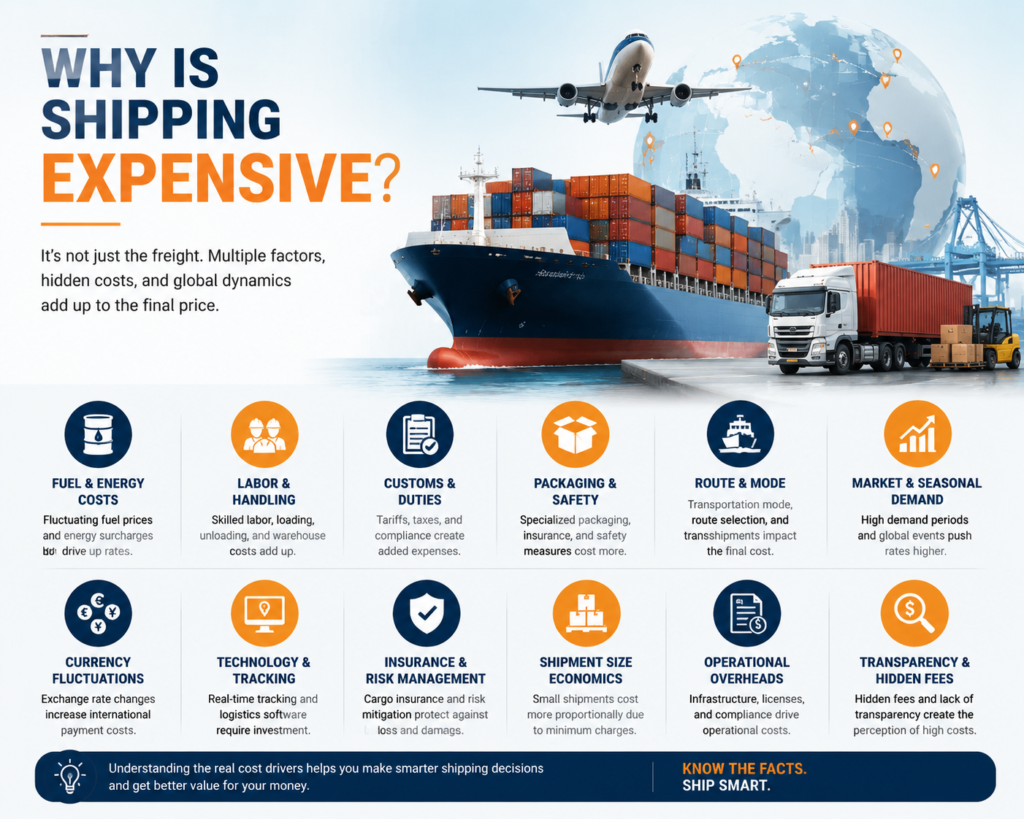
Fuel surcharges, customs duties, and port fees can be contentious if not disclosed upfront. Transparent explanations prevent surprises and reinforce trust, key pillars of a freight dispute solution approach.
6.3 Using technology to track pricing changes
Advanced software solutions allow forwarders to track dynamic pricing elements, providing clients with real-time updates and reducing the likelihood of conflict over unexpected fees.
7. Effective Documentation Practices
7.1 Accurate shipment records
Comprehensive logs detailing shipment contents, handling procedures, and delivery checkpoints create an audit trail that is invaluable in dispute resolution.
7.2 Proof of delivery procedures
Electronic signatures, timestamped photos, and GPS tracking serve as irrefutable proof of delivery, minimizing contested claims.
7.3 Maintaining digital records for audits
Centralized digital repositories enable quick access to historical data, ensuring swift investigation and resolution when disputes arise.
8. Real-Time Communication Strategies
8.1 Regular updates during shipment
Proactive communication regarding shipment milestones prevents uncertainty from festering into conflict. Automated notifications help maintain client confidence throughout the transit process.
8.2 Proactive notifications for delays
Unexpected setbacks must be communicated immediately. Informing clients before they discover the delay themselves transforms a potential dispute into an opportunity for transparency.
8.3 Using multiple communication channels
Email, messaging apps, and dedicated client portals ensure that critical updates reach the client promptly, catering to diverse preferences and enhancing responsiveness.
9. Leveraging Technology for Dispute Prevention
9.1 Tracking systems and software
Real-time tracking platforms offer visibility into the shipment lifecycle, allowing forwarders to anticipate issues and provide clients with accurate status updates.
9.2 Automated alerts for shipment issues
AI-driven alerts can flag potential bottlenecks, damaged cargo indicators, or deviations from the planned route, facilitating immediate corrective action.
9.3 Data analytics for predictive problem-solving
Analyzing historical shipment data helps identify recurring problem areas and informs preventive measures, forming the backbone of a proactive freight dispute solution strategy.
10. Staff Training and Accountability
10.1 Customer service training
Training staff in empathy, communication, and problem-solving equips them to handle disputes before escalation, creating a culture of accountability.
10.2 Operational responsibility assignments
Clear role delineation ensures that each team member understands their accountability for shipments, documentation, and client interaction, reducing human error.
10.3 Continuous improvement programs
Routine reviews and process refinements encourage ongoing efficiency and consistency, ultimately minimizing the incidence of disputes.
11. Handling Claims Efficiently
11.1 Step-by-step claims process
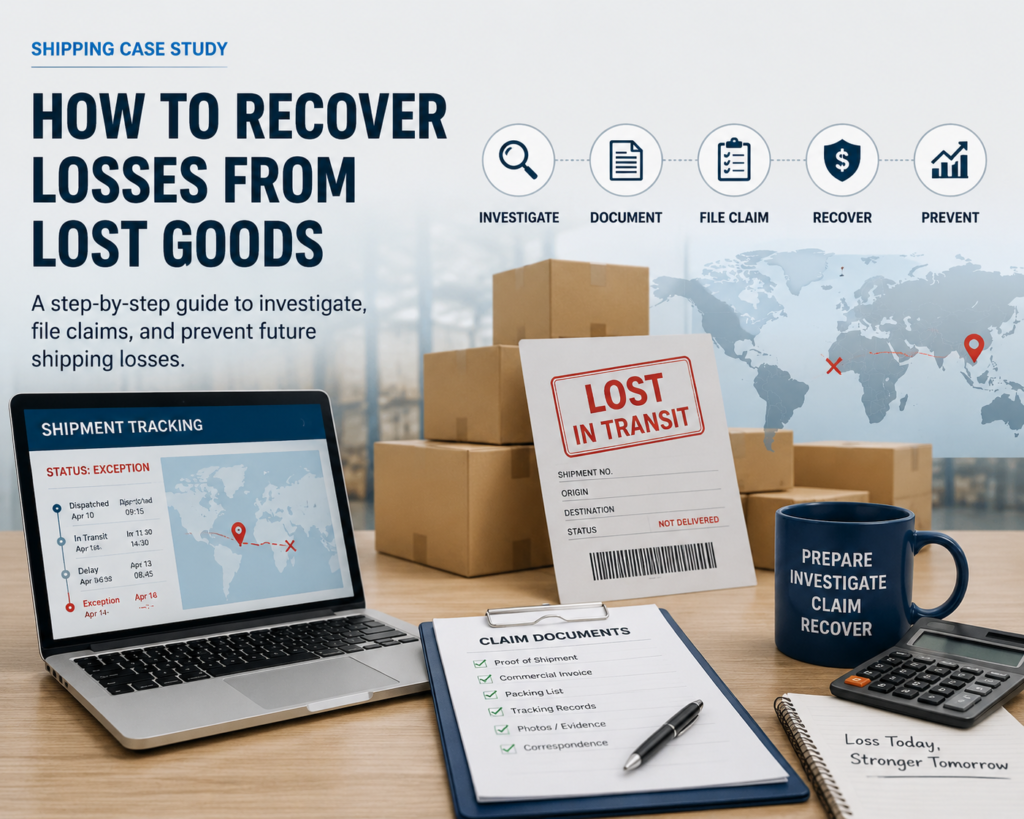
A structured claims workflow ensures that no step is skipped, from initial complaint intake to resolution, mitigating delays and miscommunication.
11.2 Documentation required from customers
Requiring detailed evidence from clients—photos, invoices, and shipment numbers—streamlines investigations and expedites resolution.
11.3 Timely resolution to maintain trust
Swift handling of claims demonstrates reliability and builds long-term confidence, a central tenet of a successful freight dispute solution.
12. Customer Feedback Collection
12.1 Surveys and follow-ups
Collecting structured feedback post-delivery identifies areas for improvement and signals to clients that their concerns are valued.
12.2 Identifying recurring problems
Analyzing feedback data uncovers patterns that may indicate systemic issues, allowing forwarders to implement corrective measures proactively.
12.3 Using feedback to improve processes
Incorporating client insights into operational protocols enhances service quality, reducing future disputes and reinforcing a cycle of continuous improvement.
13. Setting Realistic Expectations
13.1 Understanding shipment limitations
Clients must be aware of logistical constraints, from transit times to environmental risks, to prevent unrealistic expectations.
13.2 Transparent delivery timelines
Providing conservative yet accurate timelines reduces pressure on the logistics chain and limits potential for dispute escalation.
13.3 Explaining possible risks upfront
Educating clients on possible delays or hazards preemptively positions the forwarder as a partner rather than a scapegoat when unforeseen issues arise.
14. Collaborative Problem-Solving
14.1 Working with clients to find solutions
Engaging clients as active participants in problem resolution fosters trust and promotes mutual understanding during contentious situations.
14.2 Internal cross-department coordination
Operations, customer service, and claims departments must synchronize their efforts to respond to disputes efficiently,
minimizing delays and conflicting messages.
14.3 Leveraging supplier relationships to resolve issues
Strong partnerships with carriers, customs agents, and warehouse operators enable rapid remediation of problems before they escalate into formal disputes.
15. Legal Considerations and Compliance
15.1 Understanding international shipping regulations
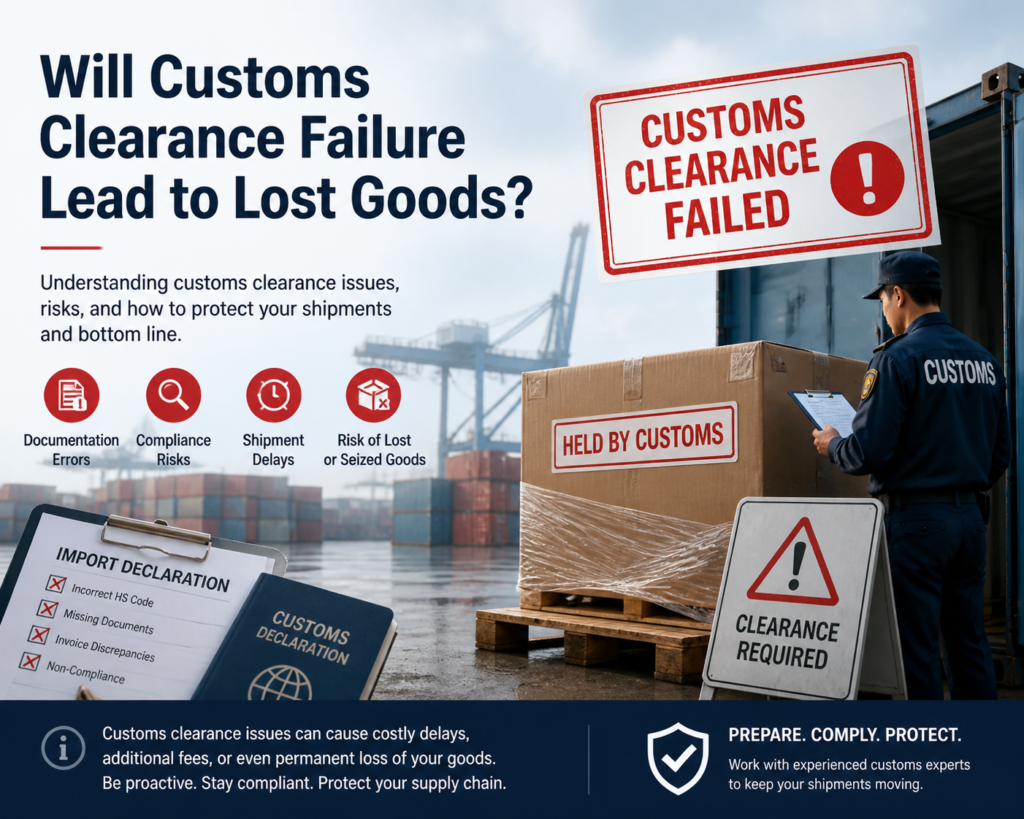
Freight forwarders must remain conversant with varying regulations across countries to avoid disputes arising from noncompliance.
15.2 Handling disputes under local laws
Familiarity with jurisdictional procedures ensures that claims are addressed in accordance with relevant legal frameworks, reducing exposure to litigation.
15.3 Incorporating compliance into operational procedures
Embedding legal compliance into standard operating procedures creates a culture of diligence, which minimizes errors and fosters client confidence.
16. Case Studies: Successful Freight Dispute Resolution
16.1 Examples from small-scale forwarders
Smaller operations often succeed by emphasizing personalized service and meticulous tracking, demonstrating that scale is not always a prerequisite for effectiveness.
16.2 Examples from global logistics companies
Major logistics players leverage technology, predictive analytics, and standardized protocols to maintain consistency and resolve disputes on a massive scale.
16.3 Lessons learned and best practices
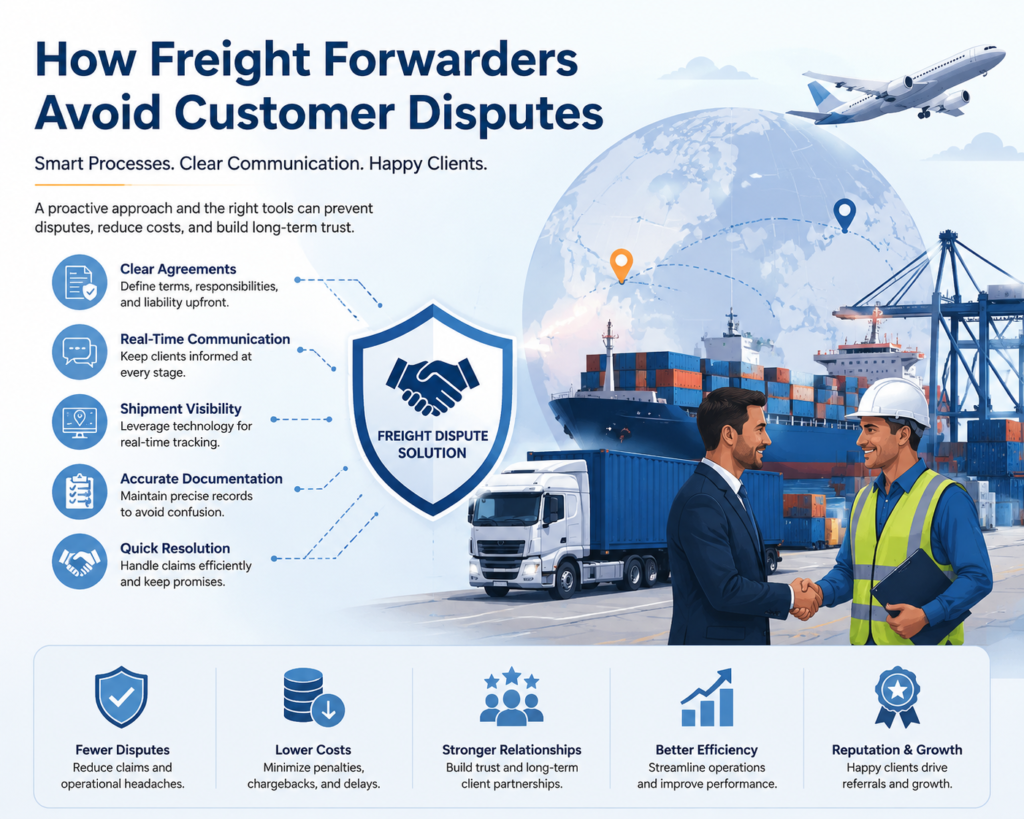
Across both small and large operations, proactive communication, transparent pricing, and robust documentation emerge as the core pillars of a freight dispute solution.
17. Preventive Strategies for Long-Term Customer Satisfaction
17.1 Regular process audits
Periodic audits identify operational inefficiencies before they manifest as disputes, ensuring ongoing reliability.
17.2 Continuous staff training
Upskilling employees in both technical operations and client interaction maintains high service standards and mitigates human error.
17.3 Investing in technology for proactive solutions
From automated tracking to AI-driven predictive models, technological investment ensures forwarders stay ahead of potential disputes rather than scrambling in response.
18. Conclusion: Building Trust Through Dispute Management
18.1 Summarizing key strategies
Clear contracts, transparent pricing, real-time communication, and robust documentation collectively form a comprehensive freight dispute solution framework.
18.2 Benefits of reducing disputes
Minimizing disputes preserves client relationships, enhances operational efficiency, and strengthens the forwarder’s reputation in a competitive market.
18.3 Final tips for freight dispute solution implementation
Adopt proactive processes, leverage technology, train your teams rigorously, and communicate transparently—because in logistics, trust isn’t optional, it’s engineered.
Ready to Ship Your Containers Overseas?
Figuring out how to ship containers overseas doesn’t have to be a barrier to your business growth. By understanding your cargo needs, choosing the right Incoterms, and partnering with an experienced logistics provider, you can streamline your entire supply chain.
At Jazlog, we are more than just a vendor; we are your strategic logistics partner in China. Whether you need standard FCL/LCL shipping, complex dangerous goods handling, or a completely hands-off DDP solution, our team is ready to deliver.