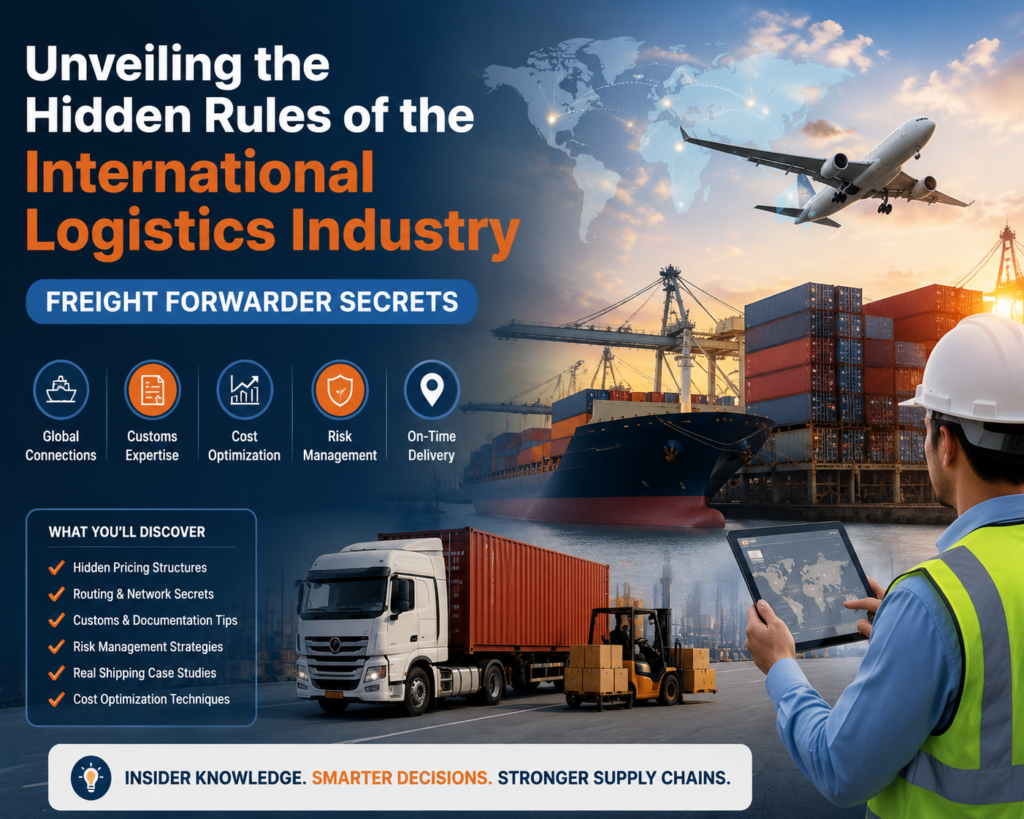
Global trade relies heavily on the efficiency of ocean freight. If you are a business owner or supply chain manager sourcing products from the world’s largest manufacturing hub, understanding exactly how to ship containers overseas is critical to your bottom line. Navigating international logistics, customs clearance, and long-distance ocean transit can seem daunting, but it doesn’t have to be.
At Jazlog, we are a premier China freight forwarder dedicated to bridging the gap between Chinese manufacturers and global markets. Whether you are shipping to the USA, Canada, Australia, the UK, Europe, or Africa, this comprehensive guide will walk you through the essential steps to ensure your cargo arrives safely, on time, and within budget.
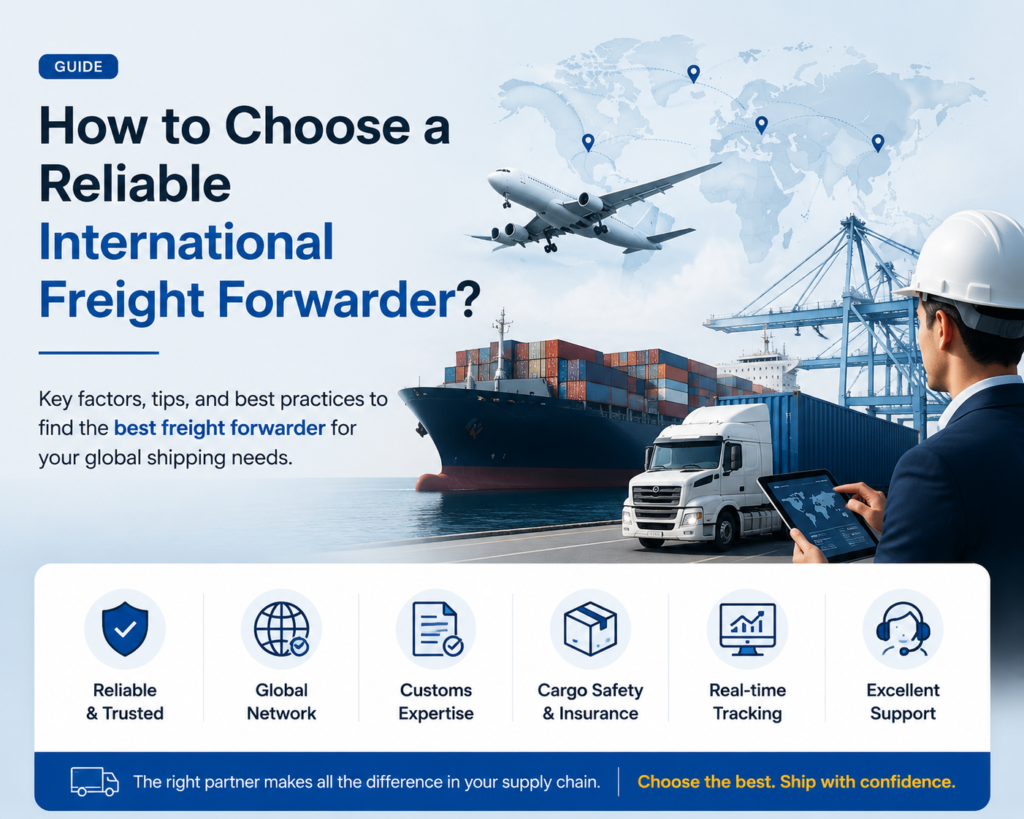
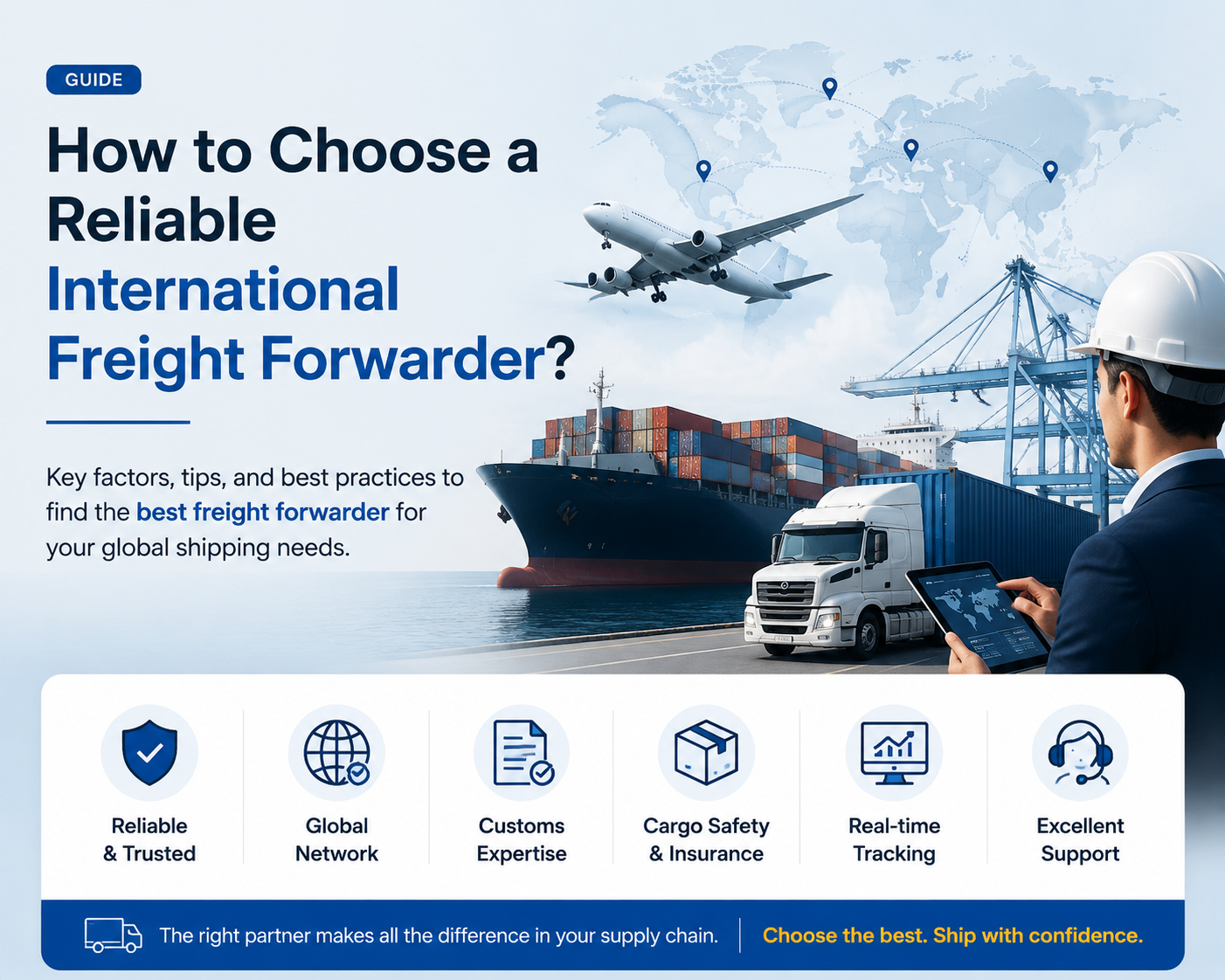
How to Choose a best Freight Forwarder
1. Introduction to International Freight Forwarding
1.1 Definition and Role of a Freight Forwarder
A freight forwarder acts as the linchpin in global logistics, orchestrating the complex symphony of shipping, customs, and transport. They are the operational maestros who ensure goods move seamlessly across continents, bridging the chasm between manufacturers, carriers, and importers. Without their strategic coordination, even a technically robust supply chain can spiral into delays and inefficiencies.
1.2 Importance in Global Trade
Global trade is no longer a straightforward shipment from point A to B; it’s a high-stakes chess game where timing, compliance, and route optimization are critical. Freight forwarders not only navigate international regulations and tariffs but also provide the intelligence necessary to mitigate logistical bottlenecks, ensuring that shipments reach their destination intact and on schedule.
1.3 Key Benefits of Using a Professional Freight Forwarder
Engaging a professional freight forwarder offers tangible advantages: streamlined documentation, minimized customs headaches, enhanced cargo security, and a reduction in overall operational risks. For engineers and procurement specialists, partnering with the best freight forwarder can translate to smoother project timelines and reduced inventory stress, allowing focus on engineering precision rather than shipping headaches.
2. Understanding the Different Types of Freight Forwarders
2.1 Air Freight Forwarders
Air freight forwarders specialize in speed, handling high-value and time-sensitive cargo with precision. They leverage a network of airline partnerships and priority clearances to guarantee rapid transit across international airports.
2.2 Sea Freight Forwarders
Sea freight forwarders dominate bulk and heavy cargo movement. They orchestrate container shipping, optimize vessel routing, and manage port logistics, ensuring cost efficiency without compromising delivery schedules.
2.3 Multimodal and Specialized Freight Forwarders
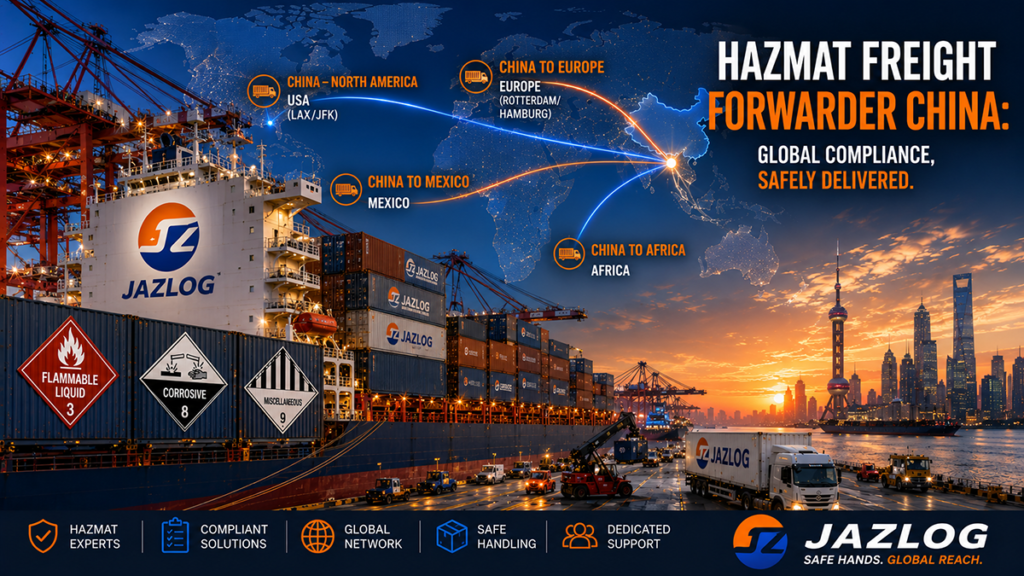
Multimodal freight forwarders offer hybrid solutions, combining air, sea, and road transport into a single cohesive service. Specialized forwarders focus on niche cargo types such as hazardous materials, oversize machinery, or temperature-sensitive goods, applying highly technical handling protocols.
3. Core Services Offered by Freight Forwarders
3.1 Customs Clearance and Documentation
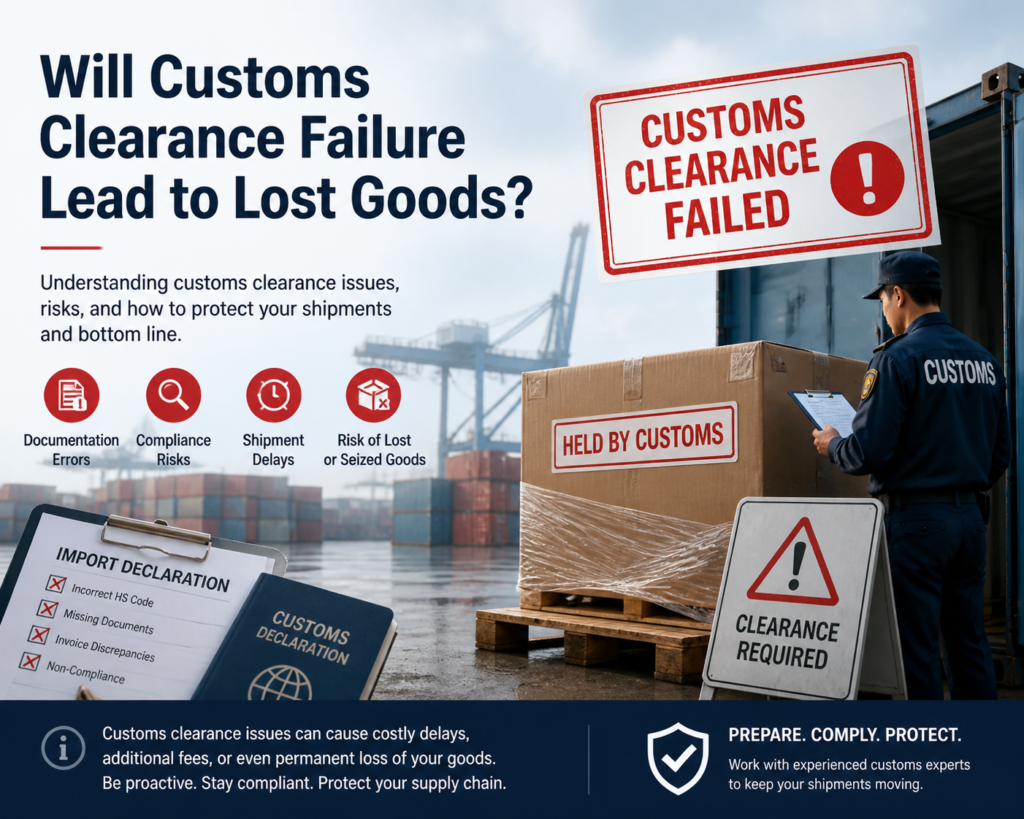
Navigating the labyrinth of import/export regulations is a non-negotiable component of international logistics. Freight forwarders prepare and verify bills of lading, commercial invoices, and certificates of origin, ensuring that shipments sail smoothly through customs inspections.
3.2 Cargo Insurance and Risk Management
Shipping globally exposes cargo to multifaceted risks—ranging from transit damage to theft. Professional freight forwarders offer insurance packages calibrated to shipment value and vulnerability, acting as a safety net for high-stakes supply chains.
3.3 Warehousing and Distribution Solutions
Freight forwarders often provide integrated warehousing, inventory management, and last-mile distribution services. By optimizing storage and retrieval processes, they reduce lead times and prevent costly stockouts or excess inventory accumulation.
4. Key Qualities of the Best Freight Forwarder
4.1 Reliability and Punctuality
Timeliness is non-negotiable in supply chains. A best freight forwarder demonstrates consistency in meeting delivery schedules, mitigating costly production downtime or missed deadlines.
4.2 Industry Expertise and Experience
Experience translates to problem-solving agility. Forwarders with a proven track record understand regulatory nuances, seasonal logistics fluctuations, and route-specific challenges, delivering informed recommendations to minimize delays.
4.3 Transparent Pricing and Communication
Clear communication and upfront pricing prevent unwelcome surprises. Transparency builds trust, ensuring clients are fully aware of all costs, potential surcharges, and the operational framework behind each shipment.
5. Assessing Freight Forwarder Credentials
5.1 Licenses and Certifications
Legitimate freight forwarders hold requisite licenses such as FMC (for U.S. operations) or IATA certification for air cargo, signaling regulatory compliance and professional credibility.
5.2 Membership in International Freight Associations
Active participation in global freight associations indicates a commitment to industry standards, best practices, and ongoing professional development.
5.3 Customer References and Testimonials
Authentic client feedback highlights operational reliability, service quality, and problem-resolution capabilities. Case studies and reviews provide an objective window into the forwarder’s performance.
6. Understanding Freight Forwarding Costs
6.1 Freight Rates and Hidden Charges
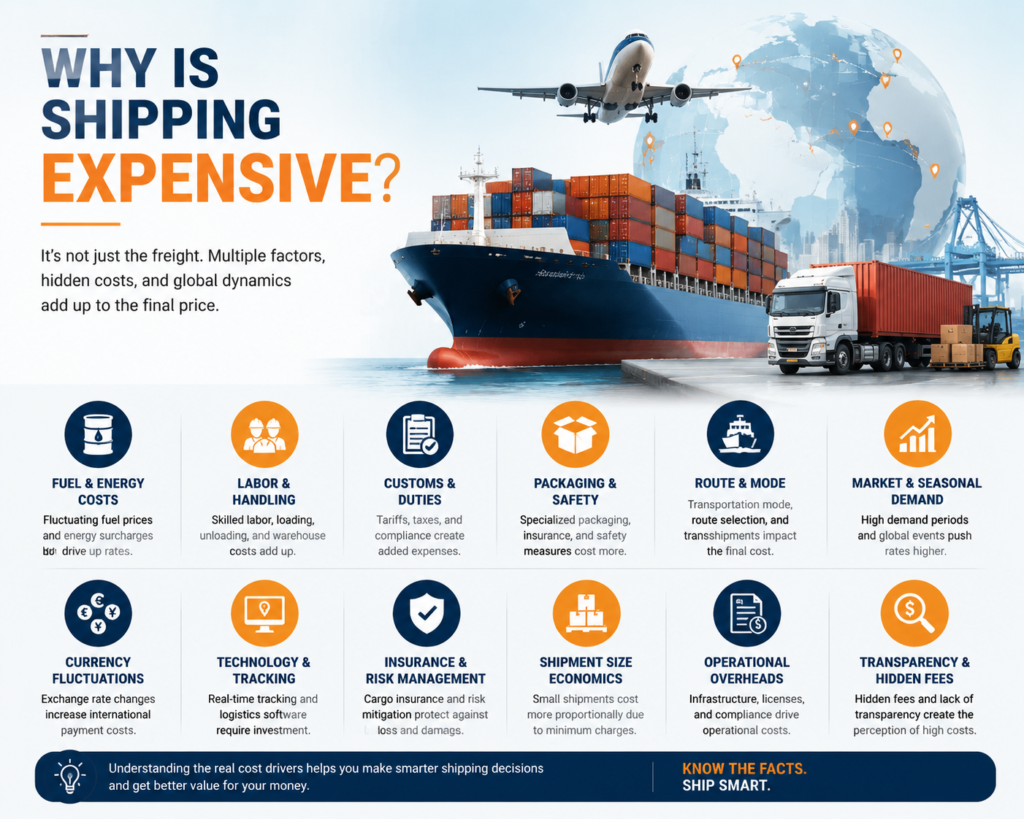
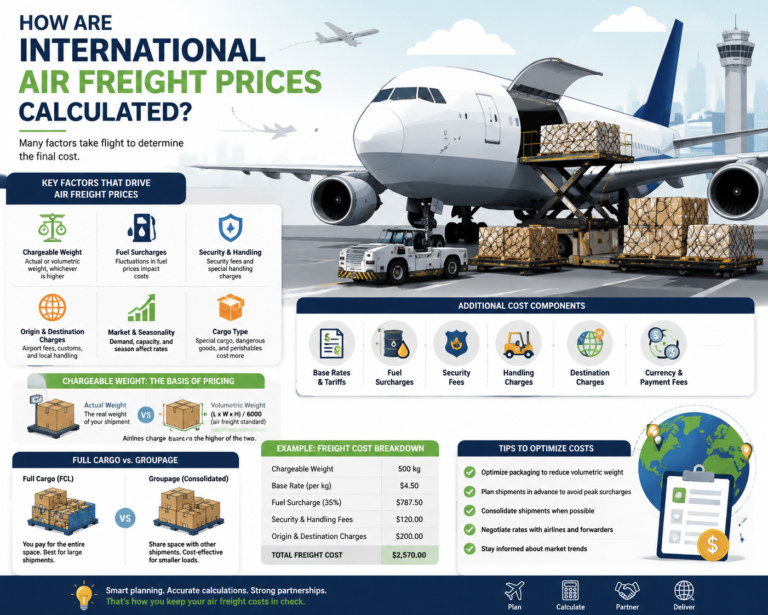
While headline rates may appear attractive, hidden charges such as documentation fees, fuel surcharges, and terminal handling costs can inflate the total. Scrutinizing these ensures budget predictability.
6.2 Surcharges and Additional Fees
Unexpected surcharges for peak seasons, port congestion, or special handling can disrupt cost planning. A seasoned forwarder preempts these with transparent reporting.
6.3 Comparing Quotes Effectively
Evaluating quotes requires more than a numerical comparison; assessing service scope, delivery reliability, and insurance coverage ensures value beyond mere price tags.
7. Evaluating Network and Global Reach
7.1 Partnerships with Carriers and Agents
Strong carrier relationships enable preferential rates, priority loading, and smoother customs interactions, critical for high-volume or sensitive shipments.
7.2 Regional Expertise and Presence
Local knowledge is invaluable. Forwarders with regional offices understand port operations, local regulations, and logistical idiosyncrasies that reduce delays and costs.
7.3 Ability to Handle Complex Routes
For multi-leg shipments or difficult trade lanes, forwarders capable of coordinating intricate routing demonstrate operational dexterity and contingency planning.
8. Technology and Tracking Capabilities
8.1 Real-Time Shipment Tracking
Cutting-edge tracking systems provide live visibility of cargo location, enhancing control and minimizing uncertainty across long-haul routes.
8.2 Digital Documentation Management
Electronic bills of lading, automated customs filings, and centralized document repositories streamline administrative workflows and reduce error rates.
8.3 Integration with Client Systems
Forwarders offering ERP or TMS integration allow seamless data exchange, providing procurement and engineering teams with immediate updates and operational insights.
9. Handling Customs and Regulatory Compliance
9.1 Knowledge of Import/Export Regulations
Compliance is mission-critical; forwarders well-versed in tariffs, embargoes, and licensing prevent fines and shipment holds.
9.2 Assistance with Customs Documentation
Meticulous preparation of HS codes, certificates of origin, and customs declarations mitigates rejection risks and expedites border clearance.
9.3 Minimizing Delays and Penalties
Proactive monitoring, pre-clearance strategies, and contingency planning reduce costly delays, safeguarding production timelines.
10. Risk Management and Cargo Safety
10.1 Cargo Insurance Options
Tailored insurance policies provide coverage for loss, damage, and unforeseen disruptions, translating to financial security in volatile trade environments.
10.2 Packaging and Handling Standards
Adherence to industry-specific packaging norms ensures goods arrive intact, with minimal exposure to vibration, temperature fluctuation, or mechanical stress.
10.3 Managing Potential Shipping Disruptions
Forwarders employ predictive analytics and contingency protocols to navigate strikes, port congestion, or adverse weather, maintaining operational continuity.
11. Customer Support and Communication
11.1 Dedicated Account Management
Single-point contacts streamline decision-making and enable rapid resolution of operational queries, improving collaboration with engineering and procurement teams.
11.2 Responsiveness and Support Channels
24/7 support lines, multilingual assistance, and proactive updates minimize uncertainty, critical when handling high-value or time-sensitive shipments.
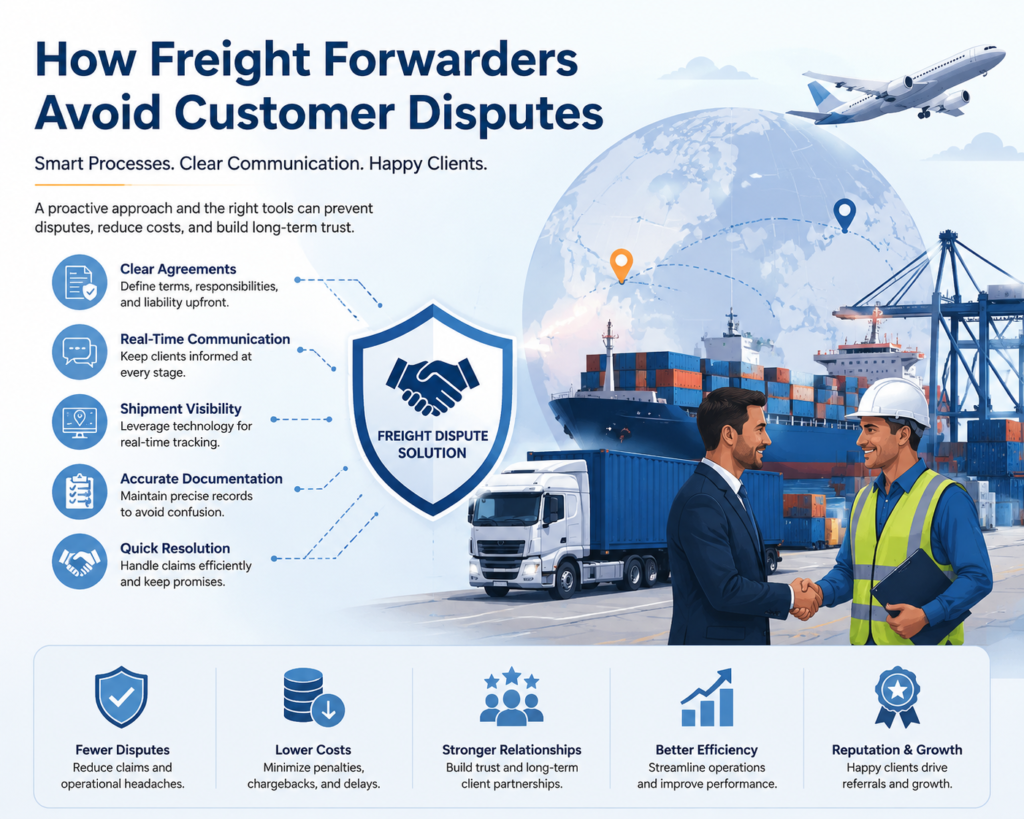
11.3 Resolving Disputes and Claims
Efficient claims processing and dispute resolution prevent prolonged delays, ensuring that losses are addressed professionally and expediently.
12. Sustainability and Green Freight Practices
12.1 Eco-Friendly Transportation Options
Forwarders increasingly employ low-emission carriers, optimized routing, and green warehousing, aligning logistics with corporate sustainability objectives.
12.2 Reducing Carbon Footprint in Shipping
Consolidated shipments, energy-efficient vehicles, and fuel optimization contribute to a measurable reduction in carbon emissions.
12.3 Industry Trends in Sustainable Logistics
The growing emphasis on ESG compliance incentivizes forwarders to adopt renewable energy solutions and environmentally responsible practices.
13. Industry Reviews and Reputation
13.1 Online Ratings and Reviews
Digital platforms provide real-world insights into reliability, timeliness, and service quality, helping buyers distinguish the best freight forwarder.
13.2 Case Studies and Success Stories
Documented operational successes reveal problem-solving capability and highlight efficiency in challenging logistical scenarios.
13.3 Awards and Recognitions
Accolades from trade associations and industry bodies affirm professional excellence and client satisfaction.
14. Making the Selection Process Efficient
14.1 Creating a Shortlist of Candidates
Identify forwarders with complementary strengths and evaluate compatibility with specific supply chain requirements.
14.2 Conducting Interviews and Site Visits
Direct engagement allows verification of operational capability, technological infrastructure, and adherence to safety protocols.
14.3 Evaluating Proposals and Contracts
Comprehensive review of terms, service level agreements, and penalties ensures alignment with project objectives and budget constraints.
15. Contract Negotiation Tips
15.1 Understanding Terms and Conditions
Scrutinize liability clauses, delivery guarantees, and insurance provisions to prevent ambiguous responsibilities.
15.2 Negotiating Favorable Rates and Services
Leveraging volume commitments, long-term contracts, and bundled services can secure optimal pricing without compromising service quality.
15.3 Avoiding Common Pitfalls
Be wary of vague clauses, hidden fees, or unrealistic transit promises, which can escalate costs and operational risk.
Red Flags to Avoid When Choosing a Freight Forwarder
16.1 Unclear Pricing Structures
Opaque fee models signal potential for unexpected costs, eroding trust and budget predictability.
16.2 Poor Communication and Responsiveness
Delayed updates or evasive responses indicate operational inefficiency and may disrupt critical timelines.
16.3 Lack of Proper Documentation or Licensing
Forwarders without valid certifications or transparent documentation practices pose regulatory and legal risks.
17. Case Studies: Successful International Shipping Experiences
17.1 Example of Efficient Air Freight Forwarding
A high-value electronics shipment successfully navigated multiple customs checkpoints via coordinated air freight logistics, arriving ahead of schedule with zero damage.
17.2 Example of Smooth Sea Freight Operations
Bulk machinery transported via sea, employing strategic container consolidation and optimized port rotations, demonstrated cost-effectiveness and minimized downtime.
17.3 Lessons Learned from Logistics Challenges
Unexpected port congestion required proactive rerouting and real-time tracking, highlighting the importance of forwarder agility and technological integration.
18. Conclusion and Key Takeaways
18.1 Recap of Essential Selection Criteria
The ideal freight forwarder combines operational reliability, regulatory expertise, technological sophistication, and transparent communication.
18.2 Long-Term Benefits of a Reliable Freight Forwarder
Partnering with the best freight forwarder ensures supply chain resilience, optimized costs, and timely delivery, supporting broader business objectives.
18.3 Encouragement to Make Informed Decisions
Thorough evaluation, reference checks, and strategic negotiation empower procurement and engineering teams to make confident, well-informed logistics choices.
Ready to Ship Your Containers Overseas?
Figuring out how to ship containers overseas doesn’t have to be a barrier to your business growth. By understanding your cargo needs, choosing the right Incoterms, and partnering with an experienced logistics provider, you can streamline your entire supply chain.
At Jazlog, we are more than just a vendor; we are your strategic logistics partner in China. Whether you need standard FCL/LCL shipping, complex dangerous goods handling, or a completely hands-off DDP solution, our team is ready to deliver.