Table of Contents
China to Argentina Logistics: Reduce Supply Chain Risks
1. Understanding the China to Argentina Logistics Landscape
1.1 Overview of Trade Between China and Argentina
- Major product categories shipped from China to Argentina, including electronics, machinery, automotive parts, textiles, furniture, consumer goods, and industrial equipment.
- The role of China as a key sourcing market for Argentine importers, distributors, manufacturers, and international brands.
- How economic conditions, exchange-rate fluctuations, import policies, and trade regulations influence cross-border procurement decisions.
1.2 Key Logistics Challenges in the China–Argentina Trade Lane
- Long international transit distances and their impact on inventory planning, delivery commitments, and product availability.
- Operational challenges involving multiple transport providers, transshipment ports, customs authorities, and inland delivery networks.
- Risks associated with changing freight rates, port congestion, customs inspections, and documentation errors.
1.3 Why Supply Chain Risk Management Matters for Procurement Professionals
- How logistics disruptions affect purchasing budgets, gross margins, production schedules, and customer satisfaction.
- The relationship between freight reliability, supplier performance, and long-term sourcing strategies.
- Establishing measurable logistics objectives, including on-time delivery, total landed cost, shipment visibility, and inventory continuity.
2. Identifying the Main Supply Chain Risks Before Shipping
2.1 Transportation and Transit-Time Risks
- Identifying delays caused by vessel schedule changes, missed connections, port congestion, and carrier capacity constraints.
- Evaluating the consequences of inaccurate transit-time estimates for product launches, seasonal demand, and manufacturing operations.
- Establishing realistic lead-time buffers based on shipping methods, route characteristics, and historical performance.
2.2 Financial and Commercial Risks
- Understanding how freight surcharges, currency movements, terminal handling charges, and unexpected storage fees affect procurement costs.
- Assessing exposure to demurrage, detention, customs examination charges, and destination handling expenses.
- Preventing disputes between buyers, suppliers, freight forwarders, and customs brokers through clearly defined commercial responsibilities.
2.3 Regulatory and Documentation Risks
- Identifying risks related to incorrect product classifications, undervaluation, incomplete declarations, and missing certificates.
- Understanding how import restrictions, product-specific permits, and changing customs requirements can delay cargo release.
- Creating a pre-shipment compliance checklist to identify potential problems before cargo leaves China.
3. Choosing the Right Shipping Method from China to Argentina
3.1 Sea Freight for Cost-Effective International Shipping
- Comparing full container load (FCL) and less-than-container load (LCL) services according to shipment volume, cargo value, and delivery deadlines.
- Evaluating the trade-offs between lower transportation costs, longer transit times, consolidation schedules, and handling frequency.
- Determining when sea freight is appropriate for bulk commodities, industrial machinery, furniture, and regular replenishment shipments.
3.2 Air Freight for Urgent and High-Value Cargo
- Evaluating air freight for production-critical components, high-value electronics, urgent samples, and time-sensitive commercial orders.
- Calculating chargeable weight using actual weight and volumetric weight to estimate transportation expenses accurately.
- Balancing premium freight charges against the financial impact of stockouts, production stoppages, and missed sales opportunities.
3.3 Selecting a Shipping Method Based on Business Priorities
- Comparing sea freight and air freight by total landed cost, delivery speed, cargo handling, and service reliability.
- Using product value, inventory turnover, demand variability, and order urgency to determine the most appropriate transport solution.
- Developing a mixed-mode shipping strategy that combines economical sea freight with selective air freight for urgent replenishment.
4. Selecting Reliable Shipping Routes to Argentina
4.1 Major Chinese Ports for Export Shipments
- Evaluating export gateways such as Shanghai, Ningbo-Zhoushan, Shenzhen, Guangzhou, and Qingdao according to supplier location and carrier services.
- Comparing inland trucking costs, export handling efficiency, sailing frequency, and container availability at different origin ports.
- Coordinating factory pickup, export customs clearance, container loading, and port delivery to reduce origin-side delays.
4.2 Main Argentine Ports and Destination Considerations
- Understanding the importance of the Port of Buenos Aires and the Port of Dock Sud for containerized import operations.
- Evaluating destination port selection based on final delivery location, available shipping services, inland transportation, and cargo type.
- Considering terminal capacity, port handling arrangements, and potential congestion when selecting an arrival gateway.
4.3 Managing Transshipment and Route Disruptions
- Understanding how transshipment through intermediate ports can affect connection reliability and total transit time.
- Evaluating direct and transshipment services based on actual carrier schedules, service frequency, and shipment urgency.
- Preparing alternative routing options when vessel omissions, schedule changes, port congestion, or capacity shortages occur.
5. Calculating the Total Landed Cost Before Procurement Approval
5.1 Breaking Down International Freight and Origin Charges
- Identifying ocean or air freight, export documentation, origin terminal handling, customs brokerage, and cargo pickup charges.
- Comparing freight quotations to determine whether fuel surcharges, peak-season charges, and other accessorial fees are included.
- Confirming the validity period of quotations and the conditions under which rates may change before shipment departure.
5.2 Estimating Argentine Import Duties, Taxes, and Clearance Costs
- Determining the applicable tariff classification and researching current import duties, taxes, and other product-specific charges.
- Understanding how customs valuation, freight, insurance, and applicable valuation adjustments may affect the import tax calculation.
- Verifying the importer’s eligibility, tax treatment, and regulatory obligations with an Argentine customs broker before shipment.
5.3 Preventing Unexpected Destination Charges
- Confirming destination terminal handling, delivery orders, customs broker fees, storage, and container-related charges in advance.
- Identifying free-time conditions, demurrage and detention tariffs, and the financial consequences of delayed cargo release.
- Comparing quotations on an equivalent service scope to avoid selecting a low headline rate with higher total landed costs.
6. Managing Argentine Customs Clearance and Import Compliance
6.1 Understanding Argentine Import Procedures
- Identifying the importer of record and confirming the required registrations, authorizations, and customs access before shipment.
- Understanding the role of Argentina’s customs authority, ARCA, and the applicable import declaration and release procedures.
- Confirming whether the goods are subject to import licensing, non-automatic authorization, technical requirements, or other product-specific controls.
6.2 Preparing Accurate Shipping and Commercial Documents
- Preparing the commercial invoice, packing list, bill of lading or air waybill, and supporting documents required for the shipment.
- Ensuring that product descriptions, quantities, declared values, country of origin, and consignee information are consistent across documents.
- Obtaining any required certificates of origin, conformity documents, permits, or technical certifications before dispatch.
6.3 Preventing Customs Holds, Penalties, and Cargo Rejections
- Checking tariff codes and product descriptions with a qualified customs broker before finalizing export documents.
- Verifying import restrictions, labeling obligations, product safety standards, and other applicable requirements for the specific goods.
- Establishing a process for responding promptly to customs inquiries, inspection requests, valuation questions, and documentary discrepancies.
7. Reducing Risks Through Accurate Product Classification and Valuation
7.1 Applying the Correct HS Code and Argentine Tariff Classification
- Reviewing the product’s materials, functions, technical specifications, and intended use to support appropriate tariff classification.
- Confirming the applicable Argentine tariff nomenclature and additional national classification requirements where relevant.
- Obtaining written classification guidance from a qualified customs broker for complex, high-value, or regulated products.
7.2 Establishing Defensible Customs Values
- Ensuring that declared values accurately reflect the applicable customs valuation rules and transaction documentation.
- Identifying potentially relevant additions, such as freight, insurance, assists, royalties, or commissions, where required by law.
- Maintaining purchase orders, payment records, supplier invoices, and supporting calculations to substantiate declared values.
7.3 Managing Country-of-Origin and Preferential-Tariff Questions
- Distinguishing country of origin from country of shipment, supplier location, and country of export.
- Confirming whether any applicable trade agreement or preferential tariff treatment exists for the specific product and origin.
- Preparing acceptable origin evidence and avoiding unsupported claims of preferential treatment.
8. Selecting a Reliable China-Based Freight Forwarder
8.1 Evaluating Freight Forwarder Experience and Capabilities
- Assessing experience with China–Argentina shipments, carrier networks, customs coordination, and destination delivery arrangements.
- Verifying operational capabilities for FCL, LCL, air freight, oversized cargo, dangerous goods, and specialized handling where applicable.
- Reviewing shipment references, service coverage, communication procedures, and demonstrated experience with similar products.
8.2 Comparing Quotations and Service Commitments
- Comparing transit-time estimates, routing details, origin charges, destination charges, and exclusions across competing quotations.
- Confirming whether the quoted service includes customs brokerage, cargo insurance arrangements, final-mile delivery, and other requested services.
- Reviewing service-level commitments, escalation procedures, liability terms, and conditions governing schedule changes.
8.3 Establishing Clear Communication and Accountability
- Assigning named contacts for booking, export documentation, shipment tracking, customs coordination, and exception management.
- Agreeing on milestone updates, response-time expectations, escalation contacts, and reporting frequency.
- Defining responsibility for delays, document corrections, additional charges, cargo damage, and claims handling.
9. Managing Supplier Risks Before Cargo Leaves China
9.1 Verifying Supplier Reliability and Production Capacity
- Assessing supplier manufacturing capacity, production lead times, quality control systems, and export experience.
- Confirming production schedules against purchase orders, shipping deadlines, and the buyer’s inventory requirements.
- Identifying single-source dependencies and establishing alternative sourcing arrangements for critical products.
9.2 Coordinating Production Completion and Cargo Readiness
- Establishing clear cargo-ready dates and requiring suppliers to provide timely production and packing updates.
- Verifying carton counts, dimensions, gross weight, packaging condition, and shipping marks before booking transportation.
- Coordinating factory pickup and container loading only after shipment readiness and required documentation have been confirmed.
9.3 Preventing Quality and Packaging Problems
- Conducting pre-shipment inspections where commercially appropriate to identify defects before international dispatch.
- Selecting packaging suitable for extended transit, multiple handling stages, humidity exposure, and stacking requirements.
- Photographing cargo condition, packaging, labels, and loading procedures to support traceability and potential claims.
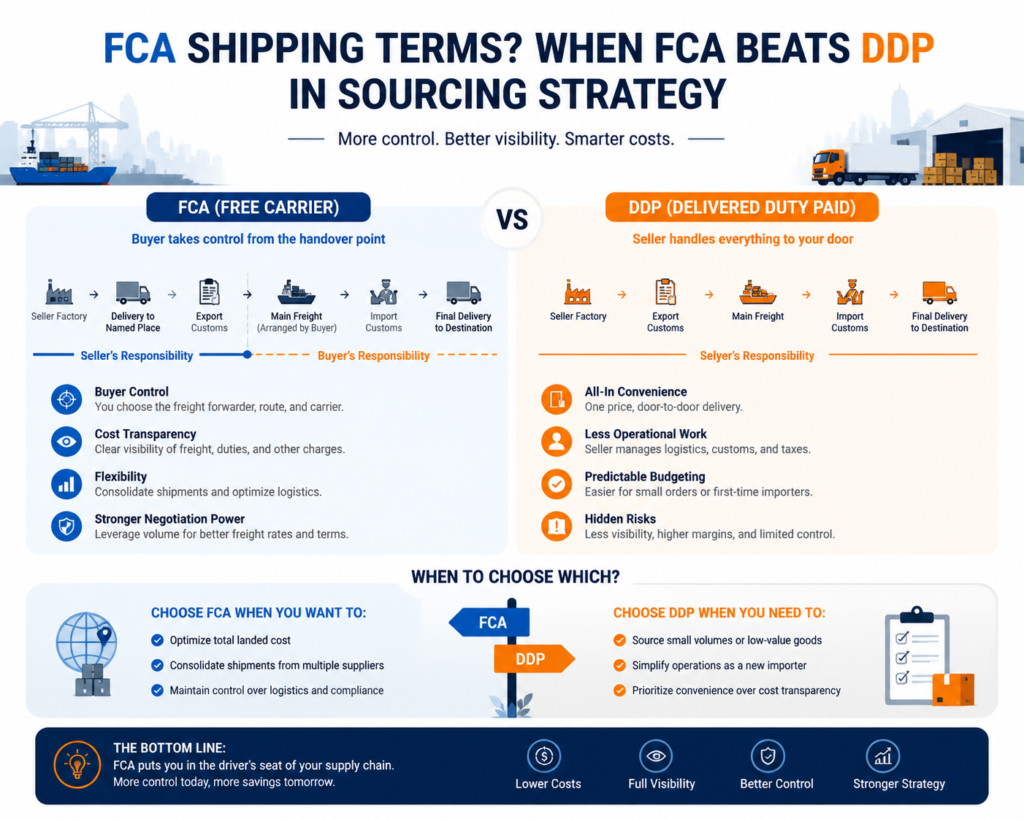
10. Choosing the Right Incoterms for China–Argentina Shipments
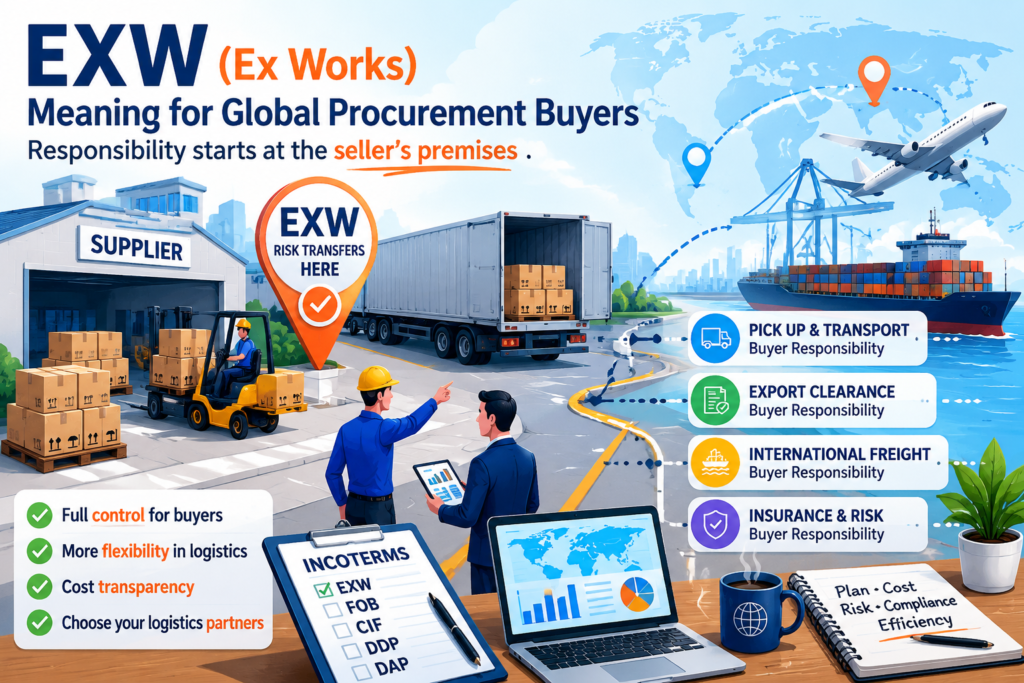
10.1 Understanding EXW, FCA, FOB, and CIF
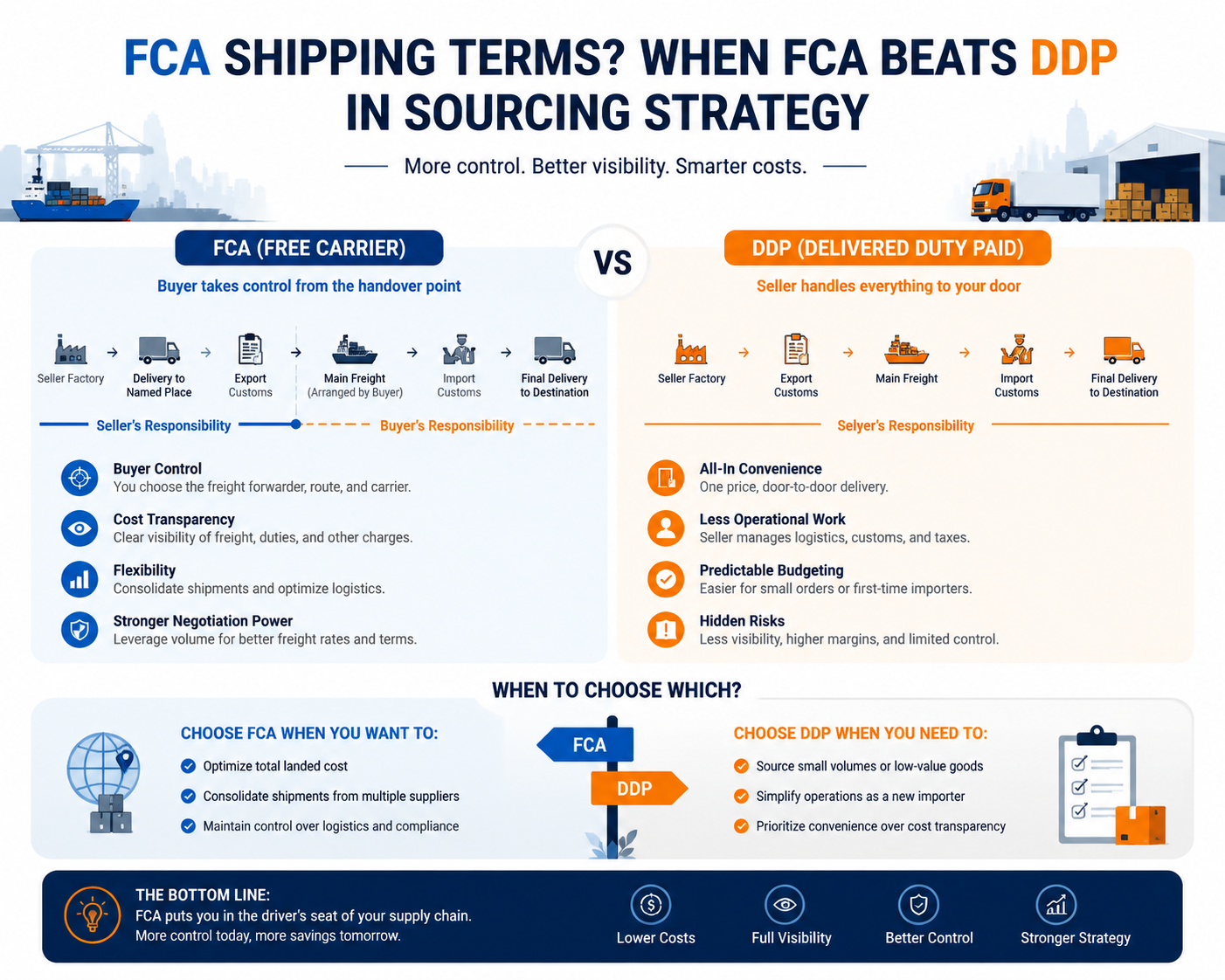
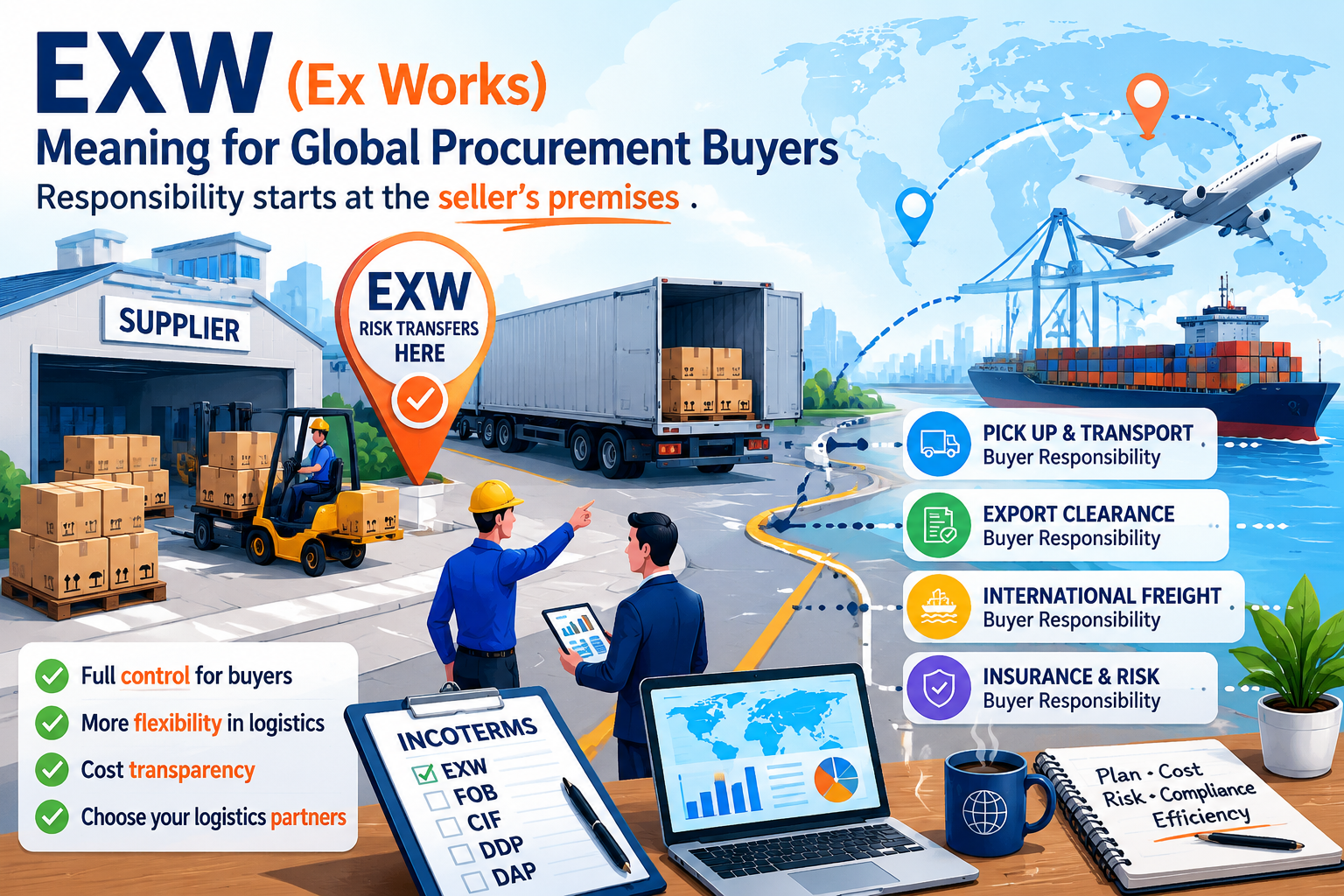
- Comparing EXW, FCA, FOB, and CIF in terms of transport arrangements, cost allocation, delivery obligations, and risk transfer.
- Understanding the limitations of FOB and CIF for containerized shipments and when FCA or other terms may be more suitable.
- Defining the named place or port precisely and identifying which party arranges export clearance, main carriage, and insurance.
10.2 Evaluating DAP and DDP for Argentine Imports
- Understanding the differences between DAP and DDP regarding delivery obligations, import clearance, duties, and taxes.
- Assessing whether the proposed seller or logistics provider can legally and operationally fulfill the relevant import obligations in Argentina.
- Verifying the importer of record, tax registration requirements, customs responsibilities, and the feasibility of the proposed DDP arrangement before contracting.
10.3 Aligning Incoterms With Procurement and Logistics Strategy
- Matching the selected Incoterm to the buyer’s internal logistics capabilities, purchasing policies, and desired cost visibility.
- Identifying hidden cost exposure and responsibility gaps that may arise when commercial terms are poorly defined.
- Recording agreed responsibilities in purchase contracts, freight instructions, and supplier operating procedures using the appropriate Incoterms rules.
11. Building an Effective Inventory and Demand Planning Strategy
11.1 Forecasting Demand for Imported Products
- Combining historical sales, customer forecasts, promotional plans, and market trends to estimate future demand.
- Adjusting forecasts for seasonality, product launches, changing lead times, and supplier production variability.
- Establishing communication between procurement, sales, finance, and warehouse teams to keep demand assumptions consistent.
11.2 Calculating Safety Stock and Reorder Points
- Estimating replenishment lead times across production, export processing, international transportation, customs clearance, and final delivery.
- Calculating reorder points using expected demand during lead time and an appropriate safety-stock allowance.
- Adjusting inventory buffers according to demand uncertainty, shipment reliability, product criticality, and the financial cost of stockouts.
11.3 Balancing Inventory Costs Against Service Reliability
- Comparing the carrying cost of additional inventory with the cost of expedited freight and lost sales.
- Using staggered shipments, partial releases, and planned replenishment cycles to reduce exposure to long international lead times.
- Defining inventory targets for fast-moving, high-value, seasonal, and production-critical products.
12. Improving Cargo Security, Packaging, and Insurance Protection
12.1 Preventing Cargo Damage and Loss
- Selecting export packaging based on product fragility, weight, dimensions, moisture sensitivity, and handling requirements.
- Applying suitable palletization, load securing, moisture protection, and container stuffing procedures.
- Maintaining packing records, loading photographs, seal numbers, and condition reports to support cargo traceability.
12.2 Selecting Appropriate Cargo Insurance
- Comparing available cargo insurance coverage against the shipment’s value, route risks, handling requirements, and contractual responsibilities.
- Reviewing exclusions, deductibles, valuation methods, claims deadlines, and coverage for transshipment or storage where applicable.
- Confirming whether coverage extends to inland transportation, loading and unloading, and other relevant stages of the logistics chain.
12.3 Managing Cargo Damage and Insurance Claims
- Documenting visible damage, shortages, seal discrepancies, and packaging problems immediately upon discovery.
- Notifying the relevant carrier, freight forwarder, insurer, and other responsible parties within applicable contractual deadlines.
- Preserving shipping documents, invoices, photographs, inspection reports, and repair or replacement cost evidence for claim submission.
13. Improving Shipment Visibility and Logistics Data Management
13.1 Establishing Shipment Milestones
- Tracking key milestones, including booking confirmation, cargo pickup, export clearance, vessel departure, arrival, customs release, and final delivery.
- Defining the data required from suppliers, carriers, freight forwarders, customs brokers, and local delivery providers.
- Standardizing shipment reference numbers, purchase order links, container numbers, and document storage procedures.
13.2 Using Digital Tools for Shipment Tracking
- Applying transportation management systems, carrier tracking portals, freight forwarder platforms, and shared shipment dashboards.
- Monitoring estimated arrival dates, schedule changes, customs status, document readiness, and delivery appointments.
- Setting automated alerts for missed milestones, extended dwell times, delayed departures, and approaching free-time deadlines.
13.3 Turning Logistics Data Into Procurement Decisions
- Measuring on-time departure, on-time delivery, transit-time variability, customs clearance duration, and total logistics cost.
- Comparing carrier, route, supplier, and freight forwarder performance using consistent definitions and reporting periods.
- Using historical data to revise supplier lead times, safety-stock targets, transport allocation, and procurement forecasts.
14. Preparing Contingency Plans for Logistics Disruptions
14.1 Developing a Supply Chain Risk Register
- Listing potential disruptions, including port congestion, vessel cancellations, customs holds, supplier failures, and sudden freight-rate increases.
- Scoring risks according to likelihood, financial impact, operational severity, and the time required to recover.
- Assigning risk owners, preventive controls, response actions, and review dates for each material risk.
14.2 Establishing Alternative Transportation and Routing Plans
- Identifying alternative carriers, sailing schedules, departure ports, transshipment options, and emergency air freight arrangements.
- Defining the conditions under which a shipment should be rerouted, expedited, split, or postponed.
- Confirming the cost, capacity, customs implications, and feasibility of backup options before a disruption occurs.
14.3 Creating a Shipment Escalation and Recovery Process
- Establishing notification thresholds for missed departures, customs delays, cargo damage, and projected stockouts.
- Defining who approves additional freight costs, alternative routing, revised delivery dates, and emergency inventory releases.
- Recording incident causes, corrective actions, recovery times, and lessons learned to improve future shipment planning.
15. Managing Currency, Payment, and Working Capital Risks
15.1 Assessing Exchange-Rate Exposure
- Evaluating how fluctuations between the Chinese yuan, US dollar, and Argentine peso can affect supplier payments and import costs.
- Identifying the currency used for purchase orders, freight invoices, customs valuation, taxes, and other payment obligations.
- Working with finance professionals to establish suitable budgeting assumptions and foreign-exchange risk controls.
15.2 Protecting Cash Flow Throughout the Import Cycle
- Mapping payment obligations from supplier deposits and production balances to freight charges, import taxes, and final delivery.
- Evaluating the effect of longer transit times, customs delays, and inventory holding periods on working capital.
- Coordinating payment timing with shipment milestones, contractual obligations, and internal financial controls.
15.3 Preventing Payment Disputes and Unexpected Financial Exposure
- Reconciling freight invoices against approved quotations, service scopes, and supporting charge documentation.
- Defining approval procedures for unexpected surcharges, storage fees, and emergency transportation expenses.
- Maintaining clear records of supplier payments, freight payments, customs disbursements, and outstanding financial obligations.
16. Managing Product-Specific Import and Transportation Risks
16.1 Shipping Electronics, Machinery, and Industrial Equipment
- Reviewing product-specific technical requirements, packaging specifications, handling limitations, and applicable import approvals.
- Assessing risks associated with oversized dimensions, heavy cargo, precision components, and equipment requiring special lifting arrangements.
- Verifying voltage, labeling, electrical safety, conformity, or other technical requirements when applicable to the product category.
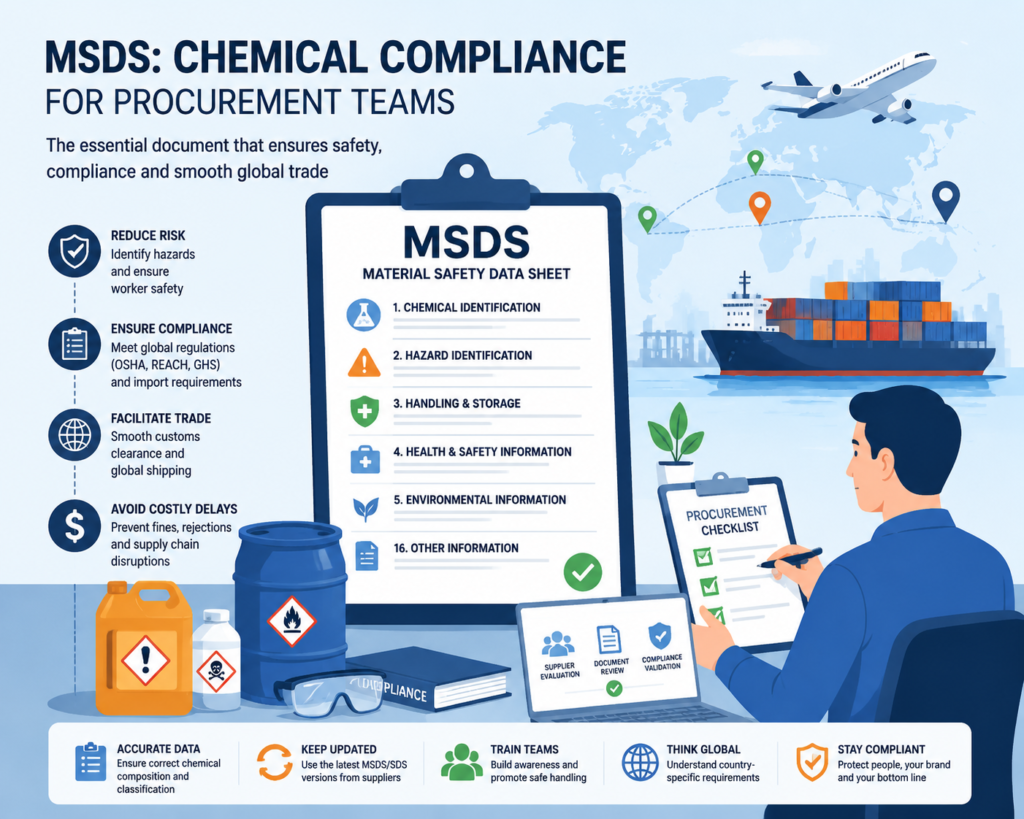
16.2 Shipping Batteries, Chemicals, and Regulated Goods
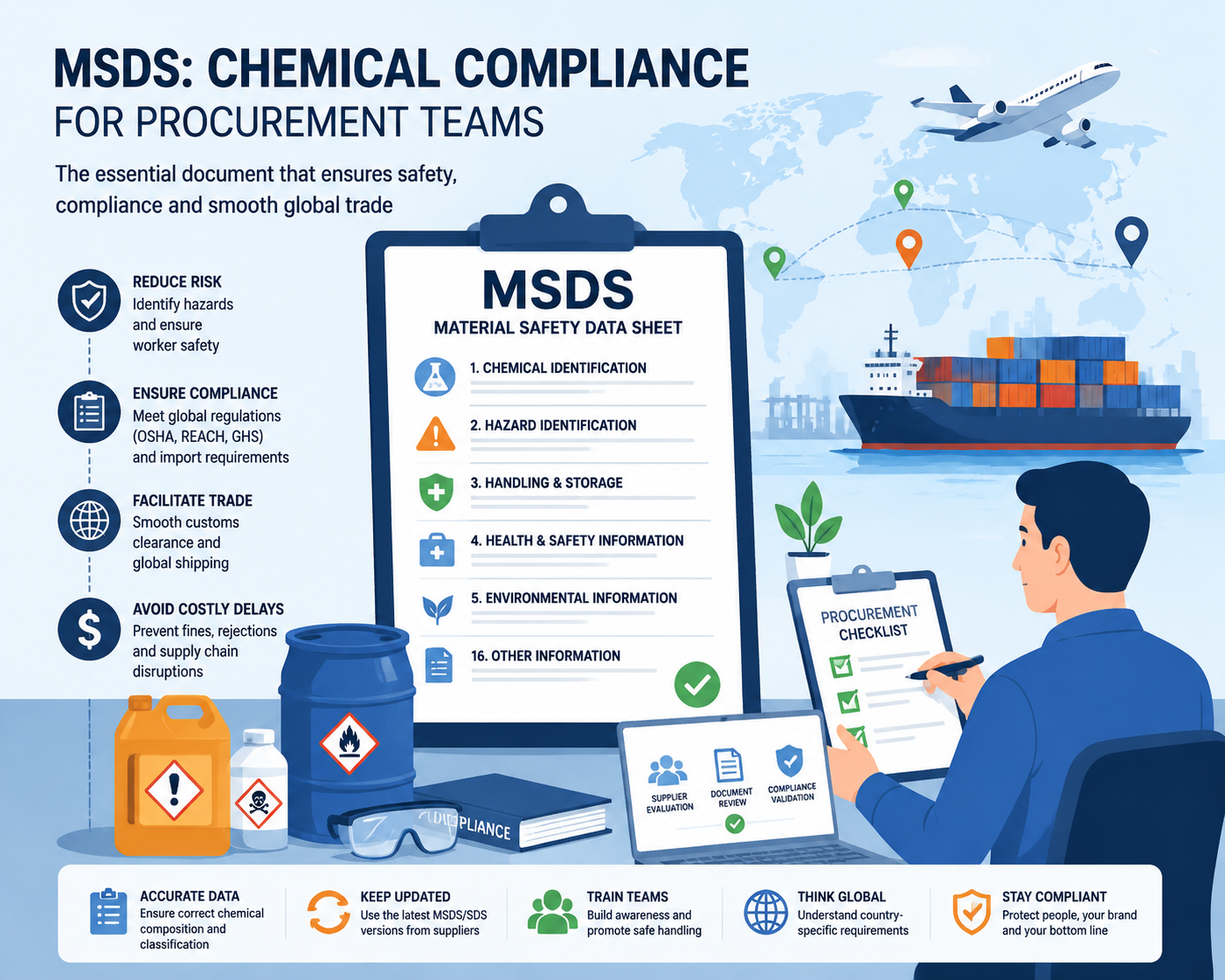
- Determining whether products qualify as dangerous goods and identifying applicable transport classification and documentation requirements.
- Preparing safety data sheets, test summaries, declarations, packaging, and labels where required by the relevant transport regulations.
- Confirming carrier acceptance, route restrictions, storage conditions, and Argentine import authorization requirements before booking.
16.3 Shipping Textiles, Consumer Goods, and Retail Products
- Checking applicable labeling, product safety, composition, origin-marking, and conformity requirements before export.
- Coordinating carton dimensions, packaging standards, barcodes, shipping marks, and retail-ready packaging with warehouse requirements.
- Planning around seasonal launches, promotional calendars, product assortment changes, and the financial impact of late deliveries.
17. Optimizing Warehouse Operations and Final-Mile Delivery in Argentina
17.1 Planning Cargo Release and Destination Handling
- Coordinating customs clearance, terminal release, delivery order processing, and collection appointments to minimize dwell time.
- Confirming destination handling charges, required release documents, payment status, and truck availability before cargo arrival.
- Monitoring free-time deadlines and establishing escalation procedures to prevent avoidable storage, demurrage, and detention costs.
17.2 Selecting the Right Inland Transportation Solution
- Comparing trucking and other suitable inland transport arrangements according to destination, shipment size, cargo type, and delivery urgency.
- Evaluating vehicle capacity, delivery access restrictions, handling equipment, route conditions, and unloading requirements.
- Confirming delivery appointments, receiving hours, consignee details, and proof-of-delivery procedures before dispatch.
17.3 Reducing Last-Mile Delivery Failures
- Verifying warehouse addresses, receiving capacity, contact information, and delivery instructions before cargo leaves the terminal.
- Coordinating unloading equipment, labor availability, pallet requirements, and any special handling arrangements.
- Recording delivery completion, exceptions, shortages, damage, and signed proof of delivery to close the shipment record accurately.
18. Measuring Freight Forwarder and Supply Chain Performance
18.1 Defining Key Logistics Performance Indicators
- Measuring on-time delivery, transit-time consistency, customs clearance performance, and shipment exception frequency.
- Tracking total landed cost per unit, freight cost per kilogram or cubic meter, and unplanned destination charges.
- Monitoring cargo damage rates, documentation error rates, invoice discrepancies, and claim resolution times.
18.2 Conducting Regular Supplier and Logistics Reviews
- Reviewing monthly or quarterly shipment data to identify recurring delays, cost overruns, and process weaknesses.
- Comparing freight forwarder performance against agreed service levels, historical benchmarks, and procurement priorities.
- Establishing corrective action plans with responsible owners, measurable targets, and completion deadlines.
18.3 Building Long-Term Logistics Partnerships
- Evaluating freight forwarders based on operational consistency, transparency, responsiveness, and problem-solving capabilities.
- Negotiating sustainable service arrangements that balance competitive pricing with dependable capacity and clear responsibilities.
- Sharing forecasts, shipment schedules, and operational requirements to improve planning and reduce avoidable disruptions.
19. Developing a Step-by-Step China to Argentina Shipping Workflow
19.1 Pre-Shipment Planning and Booking
- Confirming purchase order details, product specifications, cargo dimensions, shipment volume, Incoterms, and required delivery dates.
- Verifying import eligibility, tariff classification, permits, documentation requirements, and customs broker readiness.
- Comparing shipping options, approving the total landed-cost estimate, booking transport, and confirming cargo insurance arrangements.
19.2 Export Handling and International Transportation
- Arranging factory pickup, cargo inspection, export packaging, container loading or consolidation, and Chinese export customs clearance.
- Checking shipping documents for consistency and obtaining the bill of lading or air waybill and other required transport records.
- Monitoring departure, transshipment, schedule changes, estimated arrival, and document transmission to the Argentine import team.
19.3 Argentine Import Clearance and Final Delivery
- Submitting the required import declarations and supporting documents through the applicable customs process.
- Coordinating duty and tax payments, inspections, cargo release, terminal collection, and inland transportation.
- Confirming delivery, reconciling final costs, recording performance data, and documenting any incidents for future improvement.
20. Common Mistakes Procurement Professionals Should Avoid
20.1 Choosing Freight Based on Price Alone
- Avoiding decisions based solely on the lowest quoted freight rate without evaluating transit time, routing, reliability, and service scope.
- Recognizing the hidden costs associated with cargo delays, customs problems, storage, emergency freight, and inventory shortages.
- Using total landed cost and risk-adjusted delivery performance as core criteria in freight procurement decisions.
20.2 Shipping Before Compliance and Documentation Are Ready
- Avoiding cargo dispatch before confirming the importer’s eligibility, product restrictions, permits, and applicable customs requirements.
- Preventing inconsistent invoices, incorrect tariff classifications, inaccurate cargo descriptions, and incomplete supporting documents.
- Establishing a mandatory pre-shipment approval process involving the supplier, freight forwarder, buyer, and customs broker.
20.3 Underestimating Lead Times and Destination Responsibilities
- Avoiding overly optimistic delivery promises that exclude production, export handling, international transit, customs clearance, and final-mile delivery.
- Confirming the named delivery location, Incoterms responsibilities, destination fees, and arrangements for cargo collection.
- Maintaining contingency buffers and clear escalation procedures for shipments supporting critical sales or production deadlines.
21. Future Trends Affecting China to Argentina Logistics
21.1 Changes in Global Freight Markets and Carrier Capacity
- Monitoring changes in ocean freight rates, carrier capacity, fuel costs, vessel schedules, and major trade route disruptions.
- Assessing how changes in global shipping networks may influence routing options, transit times, and freight procurement budgets.
- Using market intelligence and historical freight data to inform booking timing and contract strategy.
21.2 Digitalization and Supply Chain Risk Analytics
- Exploring predictive analytics, automated shipment alerts, and integrated logistics platforms to identify potential disruptions earlier.
- Improving data sharing among suppliers, freight forwarders, customs brokers, finance teams, and Argentine receiving facilities.
- Using performance dashboards and scenario analysis to support faster and more evidence-based procurement decisions.
21.3 Building More Resilient and Sustainable Logistics Networks
- Evaluating route diversification, supplier diversification, inventory optimization, and flexible shipping arrangements.
- Considering emissions reporting, packaging efficiency, container utilization, and transport-mode selection where sustainability targets apply.
- Integrating resilience, cost control, regulatory compliance, and service reliability into long-term sourcing strategies.
22. Conclusion: Building a Lower-Risk China to Argentina Supply Chain
22.1 Prioritizing the Most Important Risk-Reduction Measures
- Establishing a reliable freight forwarding partnership, confirming import compliance, and calculating the full landed cost before shipping.
- Improving shipment visibility, inventory planning, and coordination between suppliers, logistics providers, and procurement teams.
- Maintaining contingency plans for transportation disruptions, customs delays, cargo damage, and unexpected cost increases.
22.2 Creating a Repeatable Procurement and Shipping Process
- Standardizing shipment booking, documentation review, cargo readiness checks, customs coordination, and delivery confirmation.
- Tracking key performance indicators and regularly updating shipping procedures based on actual operational results.
- Applying consistent risk assessment criteria to new suppliers, new product categories, and alternative transportation routes.
22.3 Working With a China-Based Freight Forwarder to Reduce Logistics Risk
- Selecting a logistics partner that understands Chinese export operations and can coordinate the requirements of shipments destined for Argentina.
- Requesting route comparisons, transparent freight quotations, shipment-specific risk assessments, and realistic transit-time estimates.
- Establishing a long-term logistics strategy that protects procurement budgets, supports inventory availability, and improves supply chain reliability.
Share the Post: