Global trade relies heavily on the efficiency of ocean freight. If you are a business owner or supply chain manager sourcing products from the world’s largest manufacturing hub, understanding exactly how to ship containers overseas is critical to your bottom line. Navigating international logistics, customs clearance, and long-distance ocean transit can seem daunting, but it doesn’t have to be.
At Jazlog, we are a premier China freight forwarder dedicated to bridging the gap between Chinese manufacturers and global markets. Whether you are shipping to the USA, Canada, Australia, the UK, Europe, or Africa, this comprehensive guide will walk you through the essential steps to ensure your cargo arrives safely, on time, and within budget.
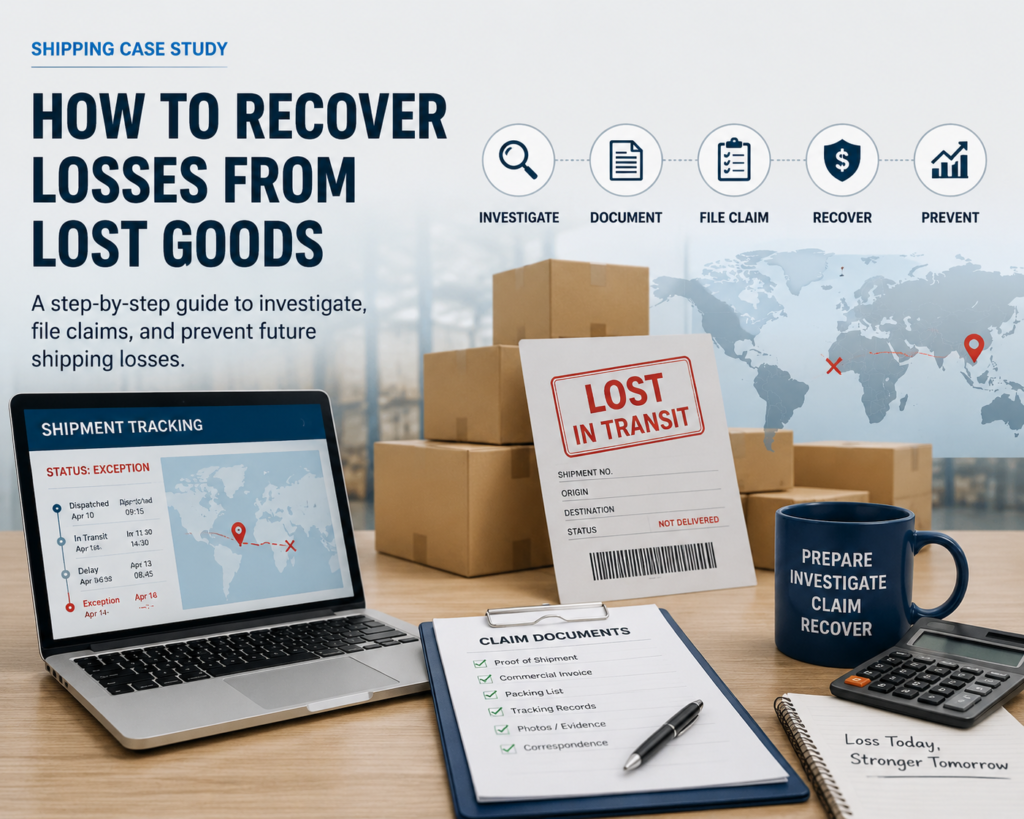
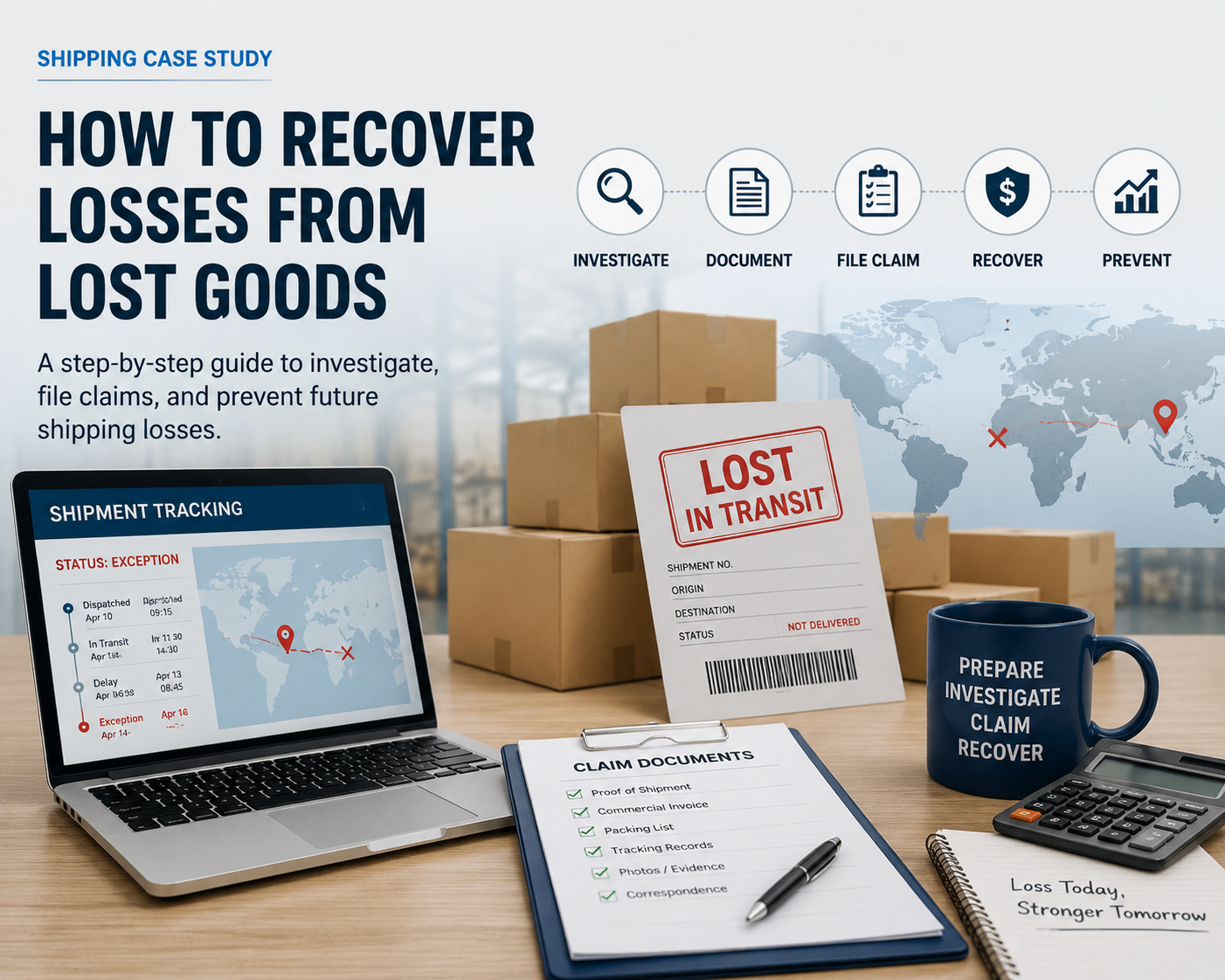
Shipping Case Study: How to Recover Losses from Lost Goods
1. Introduction: Understanding the Cost of Lost Goods
The financial impact on businesses
When a shipment vanishes into the ether, the immediate sting isn’t just the dollar value of the goods—it’s the compounded effect on cash flow, customer trust, and production timelines. For manufacturing outfits, missing inventory can trigger a cascade of downstream disruptions, from halted assembly lines to emergency procurement of last-minute replacements at inflated costs. It’s akin to a chain reaction: one lost pallet can set off a domino effect that slams operational efficiency.
Common reasons shipments go missing Shipping Case Study
From mislabeled pallets to rogue transport mishaps, lost shipments often stem from a mix of human error, systemic flaws, and sometimes sheer bad luck. Misrouting at distribution hubs, incomplete documentation, or theft during transit are perennial culprits. Even advanced supply chains can falter if the synchronization between procurement, warehousing, and carriers isn’t airtight.
Importance of proactive loss prevention
Preventing losses is far cheaper than recovery. Implementing proactive measures—robust inventory audits, smart labeling, and secure handling protocols—reduces risk before it materializes. Think of it as installing an insurance net under a high-wire act: you hope it’s never needed, but when the unexpected happens, you’re spared the catastrophic plunge.
2. The Scope of Shipping Losses in Logistics
Statistics on lost shipments globally
Industry studies indicate that anywhere from 2% to 5% of all shipments never reach their destination, with the cumulative losses tallying billions annually. For high-value components, even minor shrinkages can translate into substantial financial hemorrhaging, magnifying the impact far beyond mere numbers on a spreadsheet.
Industries most affected
High-frequency, high-value sectors such as electronics, automotive parts, and precision machinery are disproportionately impacted. These industries rely on just-in-time inventory flows, and even a small lapse can halt production lines, trigger contractual penalties, or erode client confidence.
Hidden costs beyond the product value
Beyond the sticker price, losses carry hidden costs: administrative hours spent tracing shipments, expedited replacement shipping, overtime wages, and strained supplier relationships. Over time, these hidden costs often exceed the nominal value of the missing goods themselves.
3. Defining a Shipping Case Study
What constitutes a shipping case study
A shipping case study is a structured analysis of a specific incident of lost goods, documenting the circumstances, actions taken, and eventual outcomes. It serves as both a forensic exercise and a strategic tool, revealing vulnerabilities in your logistics network.
Benefits of analyzing lost shipments
Examining lost shipments allows organizations to pinpoint systemic inefficiencies, refine operational protocols, and optimize carrier partnerships. Lessons learned can prevent repetition, ultimately safeguarding both revenue and reputation.
Key metrics to track
Metrics such as incident frequency, recovery time, cost per lost shipment, and claim success rates provide quantifiable insights. Tracking these over time reveals patterns and informs decisions on risk mitigation investments.
4. Initial Incident: When Shipping Case Study
Noticing discrepancies in shipments
Noticing discrepancies in shipments
Discrepancies can surface through routine inventory audits, customer complaints, or discrepancies in transport manifests. Early detection is crucial; the longer the gap goes unnoticed, the murkier the trail becomes.
Immediate steps to take
Immediately isolate the missing shipment, notify relevant teams, and freeze related transactions to prevent compounding issues. Quick action preserves evidence and demonstrates due diligence to carriers and insurers.
Gathering evidence for documentation
Compile tracking logs, delivery receipts, surveillance footage, and employee statements. Comprehensive documentation strengthens the case, facilitates claims, and helps reconstruct the sequence of events.
5. Communication with Shipping Partners
Contacting carriers and freight forwarders
Establish a direct line to your carrier’s claims or loss prevention team. Clear communication ensures that the issue is logged officially, and helps maintain professional leverage throughout the recovery process.
Tracking shipment history
Leverage digital tracking tools, GPS logs, and electronic bills of lading to pinpoint the last known location. The more precise the timeline, the better your case for reimbursement or recourse.
Understanding carrier liability
Familiarize yourself with the contractual terms of carriage. Carrier liability is often capped, and exceptions abound, so understanding the fine print is essential to framing realistic expectations.
6. Internal Investigation: Tracing the Loss
Reviewing warehouse processes
Inspect storage procedures, packing protocols, and internal controls to rule out internal mishandling. Often, losses occur within your own operations before the shipment even leaves the yard.
Checking inventory records
Cross-reference stock counts, purchase orders, and dispatch logs to identify anomalies. Discrepancies in documentation can provide critical clues on the point of loss.
Employee accountability and interviews
Conduct discrete interviews with relevant staff to understand any operational irregularities. Maintaining a professional, non-accusatory approach helps elicit honest insights while protecting team morale.
7. Documenting the Case
Essential paperwork to collect
Assemble bills of lading, invoices, purchase orders, inspection reports, and proof-of-delivery documents. A complete dossier supports claims and legal processes.
Photos, receipts, and tracking logs
Visual and digital evidence strengthens credibility. Images of packaging, receipts of shipment handovers, and timestamped tracking logs provide tangible proof for insurers and carriers.
Maintaining a clear timeline
Construct a chronological sequence of events, from dispatch to loss detection, including every communication and action. Timelines contextualize the case and highlight critical decision points.
8. Filing a Claim with Carriers
Understanding claim policies
Carrier claim procedures vary widely; familiarize yourself with deadlines, documentation requirements, and coverage conditions. This prevents procedural errors from undermining your claim.
Step-by-step filing process
Document the submission process, from initial notification to follow-ups, including all supporting evidence. Consistency and thoroughness increase the likelihood of claim approval.
Common pitfalls to avoid
Avoid delays, incomplete submissions, and missing documentation. Even minor oversights can result in claim denial, turning a recoverable incident into a financial loss.
9. Insurance Considerations
Types of shipping insurance
Options include all-risk cargo insurance, named-peril coverage, and carrier liability extensions. Selecting the right policy depends on shipment value, route risk, and contractual obligations.
Coverage limits and exclusions
Policies may exclude high-risk regions, certain commodities, or packaging deficiencies. Understanding these nuances prevents unpleasant surprises during the claim process.
How to ensure claims are honored
Meticulous documentation, prompt reporting, and compliance with policy terms are essential. Insurance is only as good as the evidence supporting the loss.
10. Legal Recourse Options
When to involve legal counsel shipping case study
Engage legal professionals when recovery claims exceed thresholds, or when carrier or insurer disputes arise. Proactive legal advice often expedites resolution.
Contractual obligations and rights
Review contracts to determine responsibilities, liability caps, and obligations. This clarifies avenues for compensation or arbitration.
Alternative dispute resolution methods
Mediation and arbitration can provide faster, cost-effective solutions compared to traditional litigation, preserving business relationships in the process.
11. Analyzing Financial Losses
Direct vs indirect costs
Direct costs include the product value and shipping expenses, while indirect costs encompass operational delays, reputational damage, and opportunity costs. Both must be quantified for accurate recovery planning.
Accounting for business disruption
Disruptions ripple across procurement, production, and sales channels. Quantifying these impacts ensures realistic ROI calculations for recovery efforts.
ROI on recovery efforts
Compare costs incurred in tracing, claiming, and replacing goods against the recovered value. Efficient processes yield positive returns, validating investment in robust risk management.
12. Preventing Future Losses
Implementing better packaging and labeling
Durable packaging, clear labeling, and tamper-evident seals minimize mishandling. Small improvements here yield outsized reductions in loss probability.
Strengthening tracking systems
Advanced GPS, RFID, and cloud-based inventory solutions allow real-time monitoring, providing early alerts to anomalies and reducing reliance on reactive measures.
Training staff on risk mitigation
Educate teams on security protocols, documentation standards, and loss prevention practices. A well-informed workforce is the first line of defense against shipping failures.
13. Technology Solutions for Shipping Security
GPS and RFID tracking shipping case study
High-precision tracking provides real-time visibility, enabling immediate response to deviations and enhancing situational awareness across the supply chain.
Automated inventory monitoring
Sensors and AI-driven monitoring reduce human error, flagging discrepancies before they escalate into lost goods. Automation acts as a digital sentinel guarding assets.
Predictive analytics for high-risk shipments
By analyzing historical patterns and operational data, predictive models identify shipments most susceptible to loss, allowing targeted preventive actions.
14. Real Case Study Walkthrough
Background of the lost shipment shipping case study
A batch of precision gears destined for Southeast Asia went missing during transit, triggering production delays and contractual penalties. The initial audit revealed discrepancies in labeling and tracking logs.
Steps taken to recover losses
Immediate communication with the carrier, internal inventory audits, detailed documentation, and filing an insurance claim were initiated. Supplementary legal consultations ensured compliance with international shipping law.
Outcome and lessons learned
Recovery was partially successful, with insurance covering most of the value. The incident highlighted gaps in packaging, documentation, and internal tracking, prompting permanent procedural changes.
15. Lessons for Supply Chain Management
Identifying weak points in logistics
Routine audits and process reviews reveal vulnerabilities—from human error to systemic inefficiencies. Identifying these weak points is the first step toward robust mitigation.
Best practices from case studies
Documented experiences demonstrate the value of rapid reporting, complete evidence collection, and proactive technology adoption. Replicating these practices strengthens operational resilience.
Creating a company-wide loss prevention strategy
Institutionalizing procedures, technology solutions, and staff training embeds loss prevention into corporate DNA, reducing future
exposure to lost shipments.
16. Conclusion and Key Takeaways
Summary of recovery steps
Rapid detection, meticulous documentation, effective communication with carriers, and strategic insurance usage form the pillars of successful recovery.
Financial and operational benefits
A structured approach not only recoups lost value but preserves client trust, safeguards production schedules, and enhances operational efficiency.
Recommendations for shipping risk management
Combine technological monitoring, staff training, robust documentation, and contractual diligence to mitigate losses, turning shipping risk from an uncontrollable variable into a manageable factor.
17. Appendix: Resources and Tools
Recommended shipping and insurance resources
List of carriers with strong claims support, top-rated cargo insurers, and international shipping regulatory bodies.
Checklists for filing claims
Stepwise guidance for tracking, documenting, and submitting claims efficiently.
Templates for documenting losses
Standardized forms for incident logs, photographic evidence, and communication records.
18. Frequently Asked Questions
How long does a recovery process take?
Recovery timelines vary depending on carrier responsiveness, insurance processing, and legal involvement; expect anywhere from a few weeks to several months.
Can small businesses claim lost goods?
Yes, as long as contractual agreements and insurance policies are in place. Small enterprises must be diligent with documentation to succeed.
What are the most common mistakes to avoid?
Delays in reporting, incomplete evidence, misunderstanding insurance coverage, and ignoring internal process gaps are frequent missteps that can compromise recovery success.
Ready to Ship Your Containers Overseas?
Figuring out how to ship containers overseas doesn’t have to be a barrier to your business growth. By understanding your cargo needs, choosing the right Incoterms, and partnering with an experienced logistics provider, you can streamline your entire supply chain.
At Jazlog, we are more than just a vendor; we are your strategic logistics partner in China. Whether you need standard FCL/LCL shipping, complex dangerous goods handling, or a completely hands-off DDP solution, our team is ready to deliver.