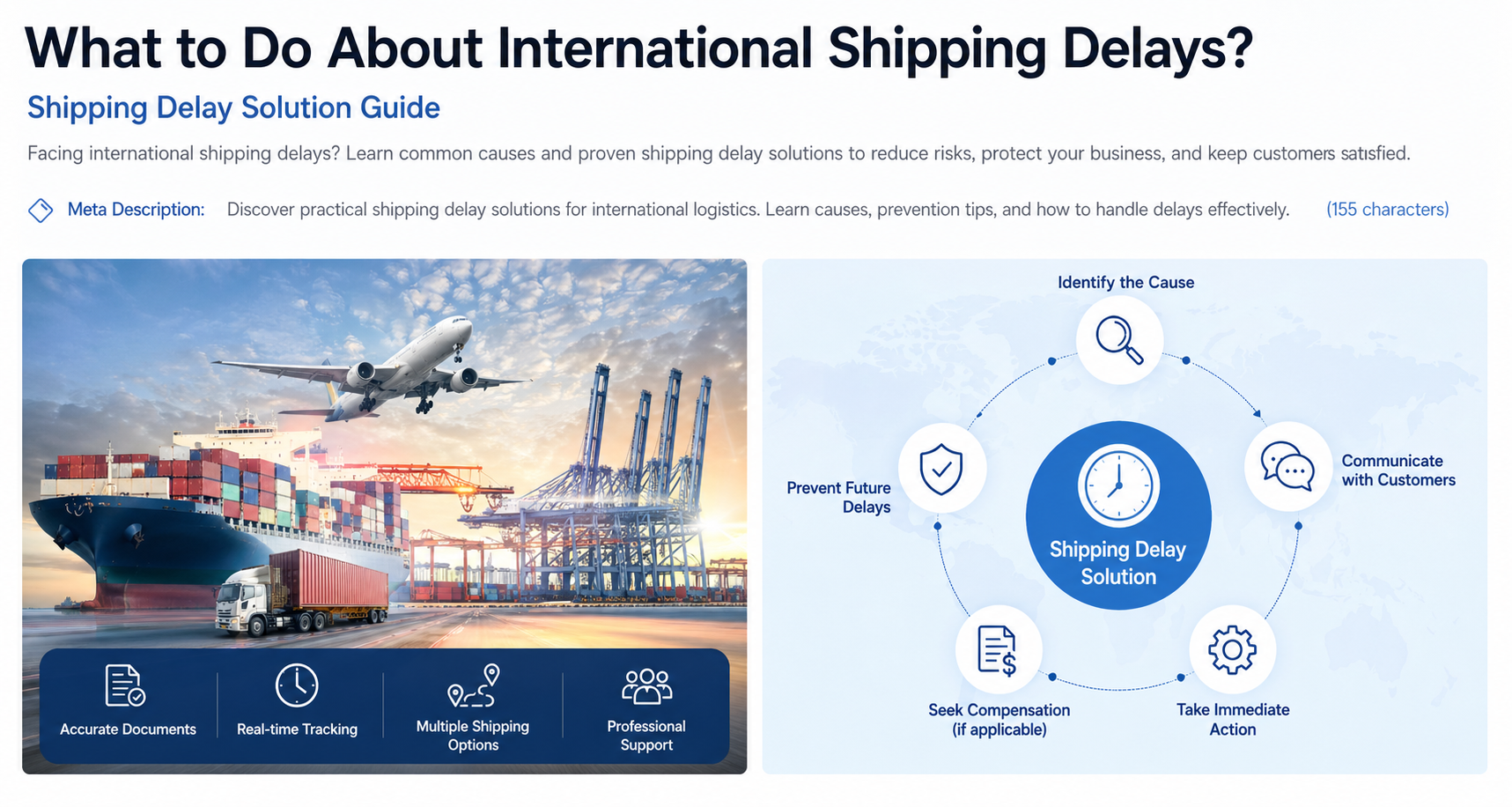
Discover Shipping Delay Solution strategies for international logistics. Learn causes, prevention tips, and how to handle shipping delays effectively.
1. Common Causes of International Shipping Delays
1. Customs Clearance Issues
Different countries have varying customs regulations. Incomplete documentation, incorrect declarations, or inspections can result in cargo being held. Common problems include inaccurate declared value or incorrect HS codes.
2. Carrier Schedule Disruptions
Airlines and shipping lines may adjust schedules due to weather conditions, port congestion, or mechanical issues, directly affecting transit time.
3. Peak Season Congestion
During peak periods such as Black Friday, Christmas, and Chinese New Year, logistics networks often face capacity constraints, leading to delays or rolled cargo.
4. Last-Mile Delivery Issues
Inefficiencies in local delivery, unclear addresses, or unresponsive recipients can delay final delivery.
2. Professional Shipping Delay Solutions
1. Plan with Lead Time Buffers
Always include buffer time in your logistics planning. During peak seasons, it is advisable to ship 7–15 days in advance to reduce risks.
2. Optimize Documentation Accuracy
Ensure all documents—commercial invoices, packing lists, and certificates of origin—are accurate and consistent to avoid customs delays.
3. Use Multi-Channel Logistics Strategies
Avoid relying on a single shipping method. Combine air freight, sea freight, and express services. For urgent shipments, switch to air; for cost efficiency, use sea freight.
4. Implement Real-Time Tracking
Leverage logistics systems or API integrations to monitor shipment status. If tracking data is not updated for an extended period, intervene immediately.
5. Work with Professional Freight Forwarders
Experienced forwarders can anticipate risks, optimize routes, and coordinate solutions quickly when delays occur.
3. How to Respond to Shipping Delays
1. Proactive Customer Communication
Inform customers immediately when delays occur and provide updated estimated arrival times (ETA) to maintain trust.
2. Initiate the Claim Process
If the delay is caused by the carrier, compensation may be claimed according to transport terms. Note that international shipping typically follows a “limited liability” principle.
3. Adjust Inventory Strategy
Maintain safety stock to prevent disruptions in sales due to unexpected delays.
4. How to Reduce Delay Risks at the Source
From a supply chain perspective, delays can be mitigated through systematic improvements:
- Build stable logistics partnerships
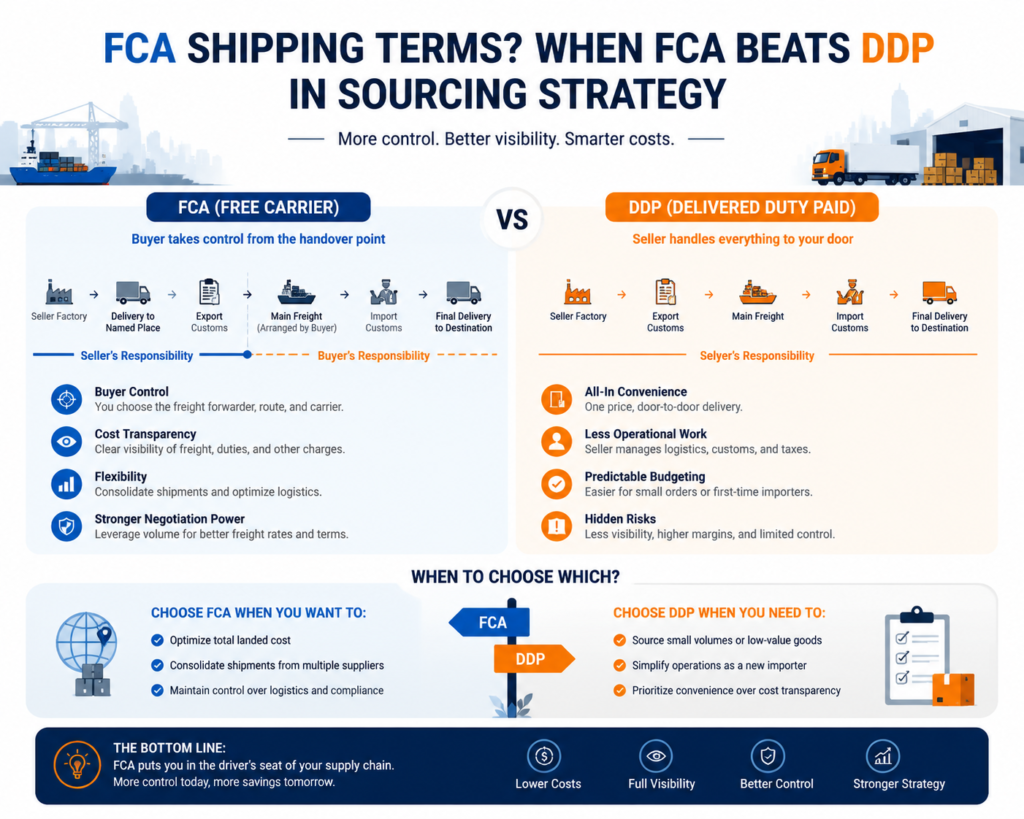
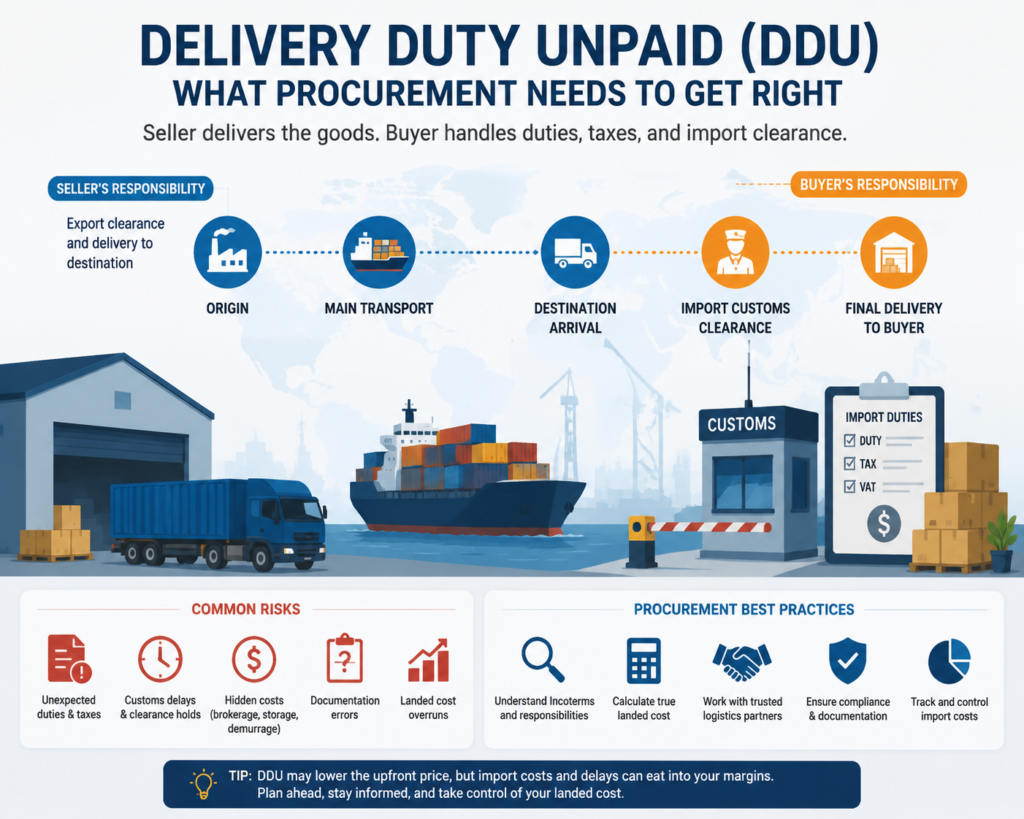
- Use DDP (Delivered Duty Paid) shipping to reduce customs uncertainty
- Purchase cargo insurance to transfer risk
- Analyze transit time data and continuously optimize routes
5. Conclusion
Shipping delays are a common reality in international logistics. However, with a well-structured shipping delay solution, businesses can effectively control risks and reduce losses. The key lies in prevention, real-time monitoring, responsive action, and continuous optimization. A strong logistics management system enables companies to maintain operational stability and enhance customer experience in global trade.
📞 Call To Action