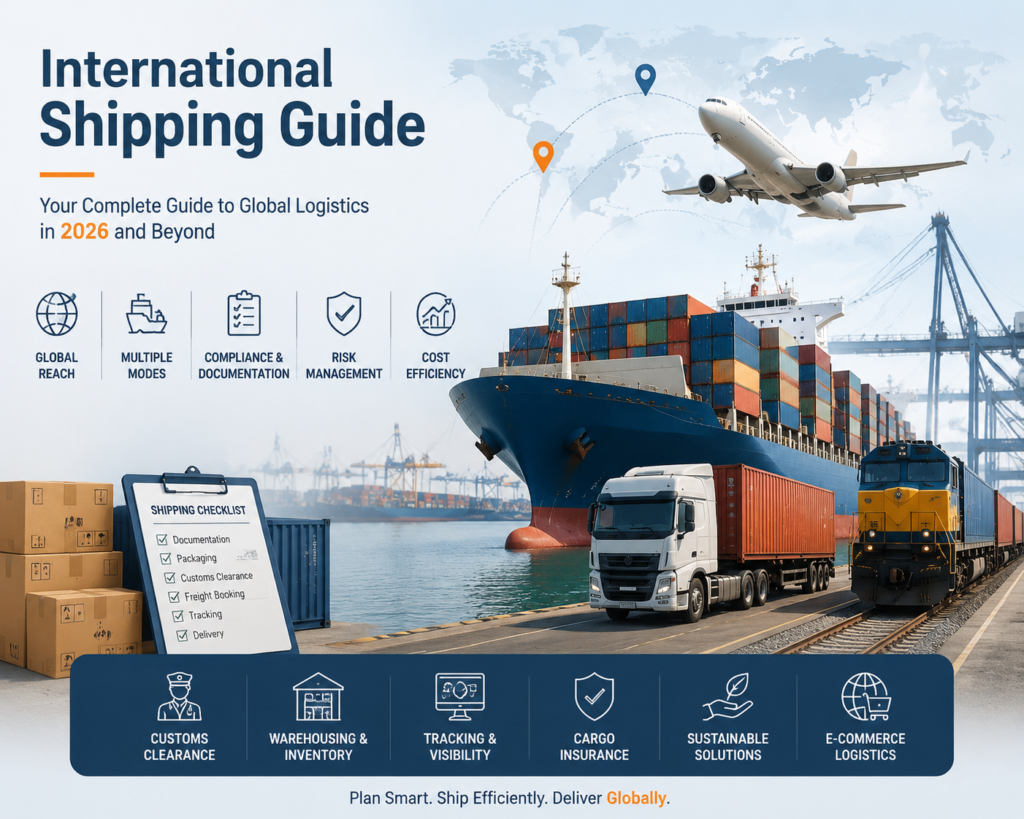
Global trade relies heavily on the efficiency of ocean freight. If you are a business owner or supply chain manager sourcing products from the world’s largest manufacturing hub, understanding exactly how to ship containers overseas is critical to your bottom line. Navigating international logistics, customs clearance, and long-distance ocean transit can seem daunting, but it doesn’t have to be.
At Jazlog, we are a premier China freight forwarder dedicated to bridging the gap between Chinese manufacturers and global markets. Whether you are shipping to the USA, Canada, Australia, the UK, Europe, or Africa, this comprehensive guide will walk you through the essential steps to ensure your cargo arrives safely, on time, and within budget.
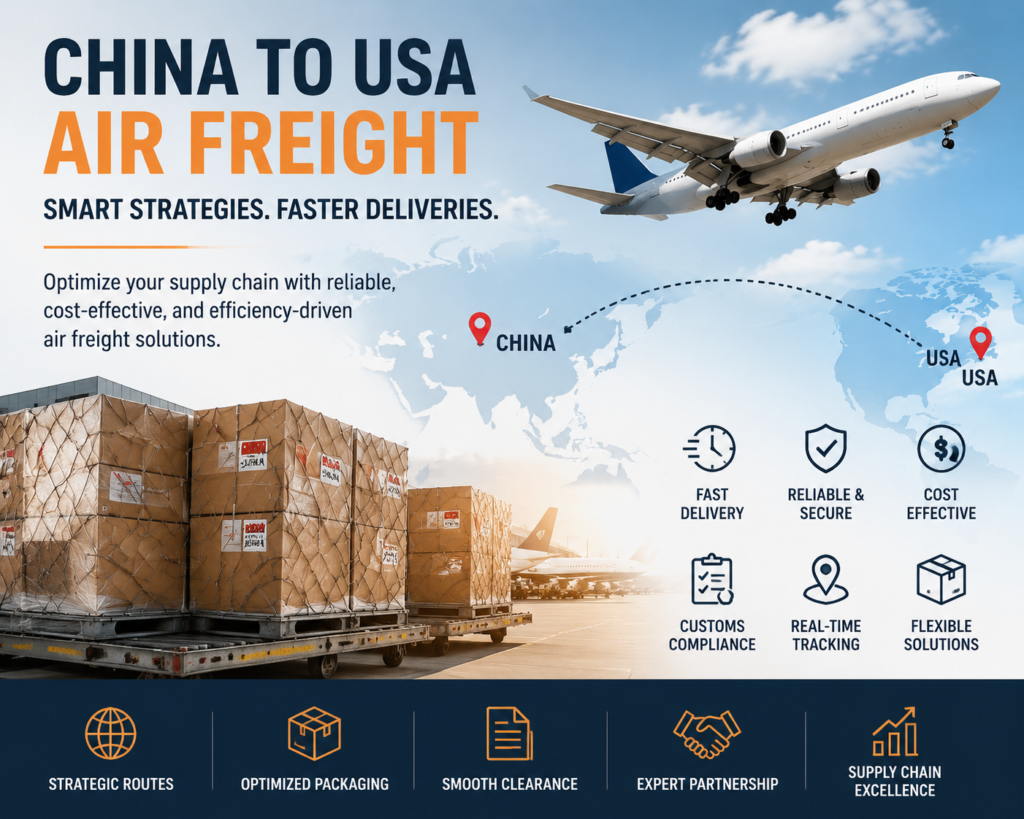
1. Introduction to Air Freight from China to the USA
1.1 Overview of China-USA Trade Routes
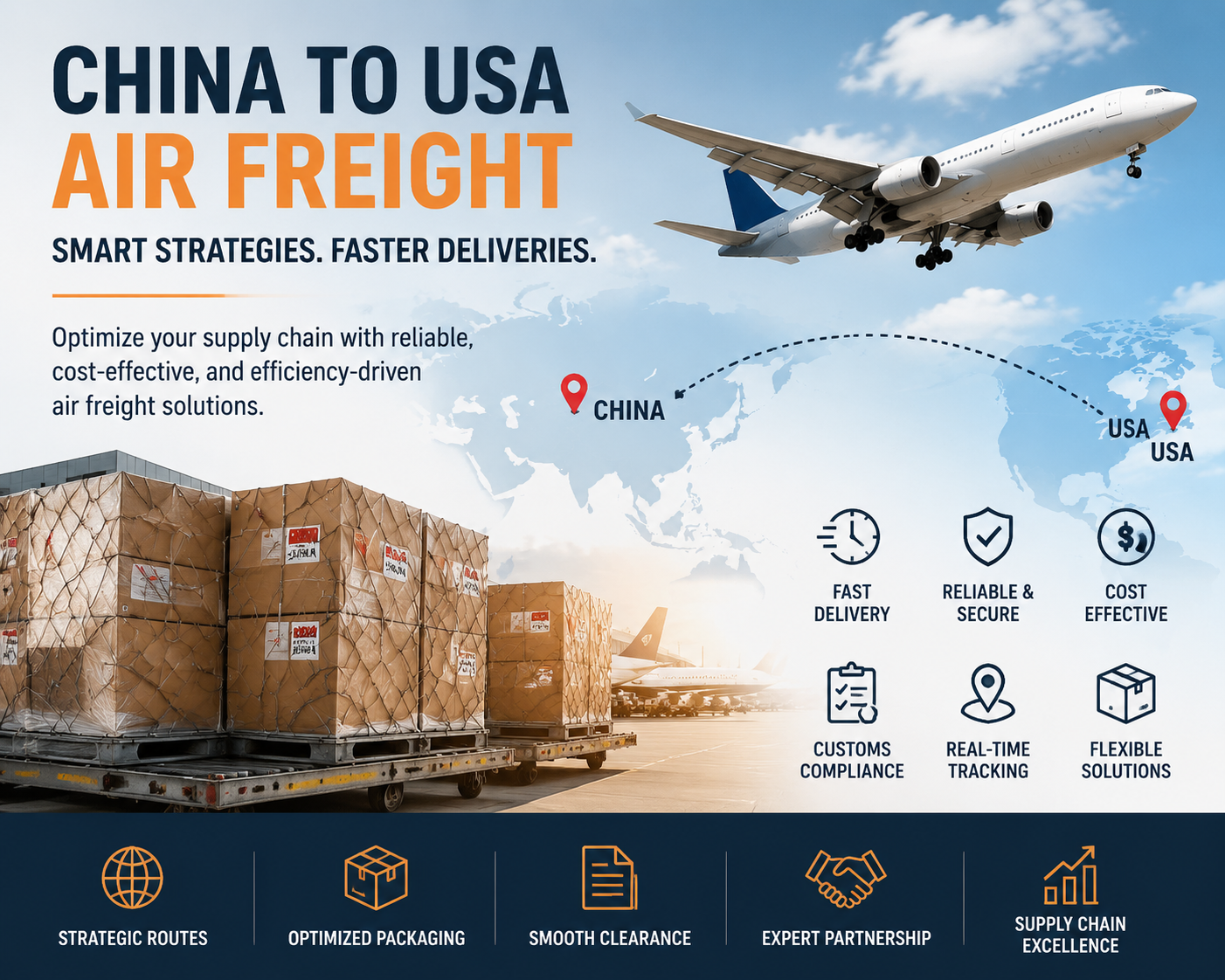
China and the USA are two colossal engines of global commerce, and air freight between them serves as the high-speed bloodstream for critical components, machinery, and consumer goods. From Shanghai to Los Angeles, Shenzhen to Chicago, and Guangzhou to New York, the air corridors are bustling with aircraft carrying everything from precision mechanical gears to high-end electronics, often in timeframes that make sea freight look like a Sunday stroll. Engineers and purchasing professionals rely on these routes to maintain just-in-time inventory systems without skipping a beat.
1.2 Importance of Efficient Air Freight Solutions
In today’s hyper-competitive industrial landscape, delayed shipments can grind operations to a halt faster than a misaligned gear in a gearbox. Efficient air freight solutions are not just a matter of convenience—they’re a lifeline for manufacturers and procurement teams who need to synchronize global supply chains with operational tempo. From meeting production deadlines to satisfying client orders, time is money, and every hour saved in transit translates directly into operational leverage.
1.3 Trends in International Shipping
Recent years have witnessed a surge in integrated logistics, with predictive analytics and AI-driven planning tools redefining how China to USA air freight is executed. Airlines are optimizing cargo routes, while forwarders are employing smart container tracking and automated customs documentation to shave days off traditional delivery times. The trend is toward faster, more transparent, and highly accountable freight services, allowing engineers and purchasing managers to operate with near-surgical precision in supply chain management.
2. Understanding Air Freight Basics
2.1 Types of Air Freight Services (Express, Standard, Charter)
Air freight can be broken down into express, standard, and charter services. Express is your “lightspeed” option, ideal for time-critical components. Standard services balance cost and speed, often handling bulk shipments with predictable delivery windows. Charter flights, although pricier, offer bespoke solutions for oversized or sensitive cargo that cannot wait for scheduled flights. Each type has its pros and cons, and matching cargo urgency to service type is a subtle art akin to fine-tuning a CNC machine.
2.2 Key Terminology and Definitions
Understanding industry jargon—air waybills, volumetric weight, consolidation, IATA codes—is crucial for avoiding costly mistakes. For instance, volumetric weight calculations can make or break freight pricing, especially when shipping bulky but lightweight industrial components. Familiarity with these terms ensures procurement engineers can interpret quotes correctly and avoid the hidden pitfalls that often inflate costs.
2.3 Differences Between Air and Sea Freight
While sea freight is cost-effective for heavy, non-urgent shipments, air freight is unmatched in speed and predictability. Engineers juggling production schedules often prefer air freight because it drastically reduces lead time, minimizes inventory holding costs, and provides a buffer against supply chain disruptions. However, it comes with higher per-kilogram costs, making strategic planning essential.
3. Advantages of Air Freight from China to the USA
3.1 Speed and Reliability
Nothing beats the velocity of air freight. From urgent prototype components to critical spares, China to USA air freight ensures parts arrive on time, allowing production lines to hum smoothly without unscheduled downtime. Airlines prioritize reliability, and forwarders implement stringent scheduling protocols, making this mode of transport indispensable for high-value, time-sensitive shipments.
3.2 Reduced Inventory Costs
With rapid transit, companies can maintain lean inventory levels, which reduces storage costs and mitigates risks associated with excess stock. Just-in-time operations become feasible, letting engineers optimize warehouse space while keeping working capital free for other strategic initiatives.
3.3 Enhanced Supply Chain Flexibility
Air freight introduces a layer of agility to supply chains that sea routes simply cannot match. Companies can respond faster to market shifts, accommodate last-minute design changes, and handle unplanned spikes in demand without breaking a sweat, all of which are critical in industries where lead time is king.
4. Common Challenges in China to USA Air Freight
4.1 Customs Delays and Documentation Issues
Even the fastest flight can be grounded if paperwork is incomplete or incorrect. Misfiled air waybills, missing commercial invoices, or inaccurate HS codes can lead to delays, fines, or even shipment seizure. Engineers and procurement teams must collaborate closely with logistics providers to preempt these bottlenecks.
4.2 Seasonal Capacity Fluctuations
During peak seasons—such as pre-holiday consumer shipments or industrial trade fairs—air cargo space becomes a hot commodity, sometimes resulting in limited availability and surging prices. Understanding seasonal patterns is crucial for engineers and purchasing teams to secure slots in advance and maintain uninterrupted supply chains.
4.3 High Transportation Costs
Air freight is a premium service, and the costs can bite hard if not managed correctly. Factors like fuel surcharges, airport fees, and volumetric weight considerations can inflate budgets. Strategic planning, consolidation, and smart negotiation with carriers are critical to keeping these costs manageable.
5. Selecting the Right Air Freight Forwarder
5.1 Criteria for Evaluating Freight Forwarders
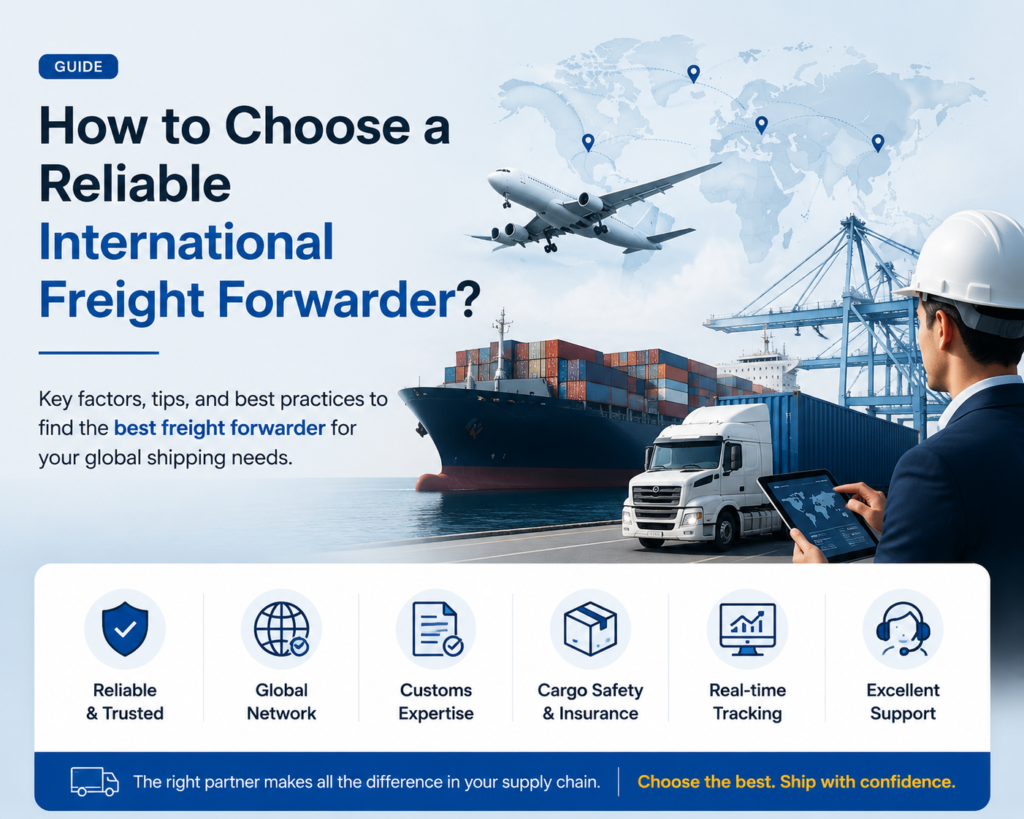
Choosing the right partner is akin to selecting a torque wrench for precision work—you need reliability, consistency, and performance under pressure. Evaluate forwarders on their network coverage, responsiveness, cargo handling expertise, and track record in China to USA air freight.
5.2 Importance of Industry Experience
Experienced forwarders understand the quirks of specific trade lanes, regulatory nuances, and customs intricacies. Their insights often translate into faster clearance times, lower risk, and a smoother overall shipping experience.
5.3 Comparing Quotes and Service Options
Quotes can vary widely, and the lowest price doesn’t always deliver the best value. Examine service inclusions, transit times, insurance coverage, and handling procedures. A holistic evaluation ensures that the chosen forwarder aligns with both operational requirements and cost constraints.
6. Optimizing Packaging for Air Freight
6.1 Weight and Volume Considerations
Airlines charge based on either actual weight or volumetric weight, whichever is higher. Smart packaging design can minimize volumetric penalties while ensuring cargo protection. Engineers often employ modular, stackable containers to optimize space utilization.
6.2 Packaging Materials and Protection
Mechanical components, electronics, and delicate instruments require robust packaging. Shock-absorbing foam, reinforced crates, and anti-static wrapping reduce damage risk, while careful labeling ensures handlers treat cargo appropriately.
6.3 Compliance with Airline Regulations
Airlines enforce strict guidelines on packaging, labeling, and hazardous materials. Non-compliance can lead to shipment rejection or fines. Staying abreast of IATA regulations ensures smooth handling from origin to destination.
7. Customs Clearance Strategies
7.1 Required Documentation for US Import
Essential paperwork includes commercial invoices, packing lists, air waybills, and certificates of origin. Accuracy and completeness are non-negotiable, as minor errors can cascade into costly delays.
7.2 Tips for Faster Clearance
Pre-filing documents electronically, employing customs brokers, and maintaining open communication channels with customs authorities accelerates clearance. Engineers often leverage these strategies to prevent downtime in production lines.
7.3 Role of Customs Brokers
Brokers act as intermediaries who interpret regulations, prepare documentation, and liaise with authorities. Their expertise can be the difference between a shipment cleared in hours versus one held for days.
8. Cost Management Techniques
8.1 Understanding Air Freight Charges
Charges include base freight, fuel surcharges, security fees, and terminal handling. Knowing how these elements interact allows purchasing engineers to forecast costs accurately.
8.2 Consolidation and Groupage Options
Combining shipments with others heading in the same direction reduces per-unit costs. Consolidation is especially effective for small to medium-sized enterprises looking to balance speed with budget constraints.
8.3 Negotiating Better Rates with Carriers
Long-term contracts, volume commitments, and flexible scheduling often yield discounts. Negotiation isn’t just about price—it’s about value-added services that reduce risk and improve reliability.
9. Tracking and Visibility Solutions
9.1 Technology Tools for Real-Time Tracking
GPS-enabled tracking, RFID sensors, and cloud-based dashboards give engineers a real-time view of cargo location, condition, and estimated arrival.
9.2 Importance of Shipment Updates
Regular updates allow procurement teams to anticipate delays, plan contingencies, and communicate accurate ETAs to production and clients.
9.3 Integrating Tracking with Supply Chain Management
Linking air freight tracking data to ERP systems provides end-to-end visibility, enabling data-driven decision-making and seamless operational coordination.
10. Seasonal Planning and Scheduling
10.1 Preparing for Peak Shipping Seasons
Forecasting demand surges and booking air cargo slots well in advance prevents bottlenecks. Strategic planning ensures critical components arrive on time, even during holiday or trade show spikes.
10.2 Flexibility in Flight Schedules
Alternative routing, standby flights, and flexible transit options provide a safety net against unexpected disruptions, keeping production timelines intact.
10.3 Balancing Urgency and Cost
Sometimes it’s better to pay a premium for expedited service rather than risk downtime, while other times standard scheduling suffices. Evaluating shipment criticality guides optimal decisions.
11. Risk Management in Air Freight
11.1 Cargo Insurance Options
Insurance policies protect against damage, loss, or theft. Selecting coverage tailored to high-value or fragile shipments is critical to mitigating financial exposure.
11.2 Handling Delays and Disruptions
Weather, air traffic, or mechanical issues can derail schedules. Contingency
protocols, alternative routes, and pre-established carrier agreements minimize the impact of such disruptions.
11.3 Contingency Planning for High-Value Goods
High-value shipments require specialized handling, security protocols, and redundancy plans to ensure they reach their destination without incident.
12. Documentation and Compliance Tips
12.1 Air Waybills and Commercial Invoices
Accuracy in these documents ensures smooth clearance. They are the lifeblood of China to USA air freight operations.
12.2 Regulatory Requirements for Hazardous Materials
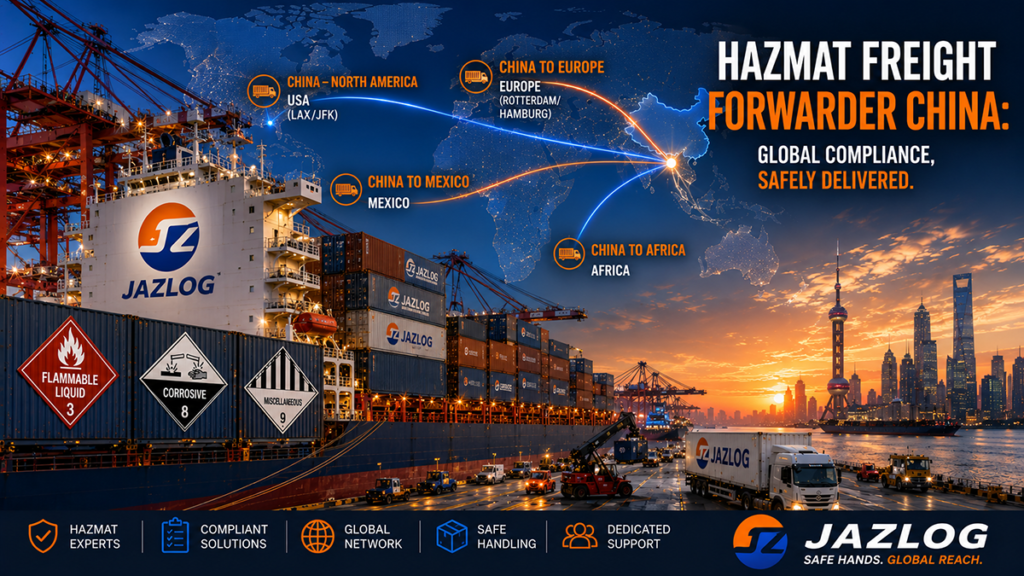
Transporting chemicals, batteries, or flammable items demands adherence to strict IATA regulations. Missteps can result in fines or shipment rejection.
12.3 Export-Import Permits and Licenses
Certain goods require government approval before export or import. Procurement engineers must verify compliance to avoid costly delays.
13. Leveraging Technology for Efficiency
13.1 Automated Freight Booking Platforms
Digital booking systems streamline scheduling, pricing, and documentation, reducing manual errors and accelerating lead times.
13.2 AI and Predictive Logistics Tools
Artificial intelligence forecasts delays, optimizes routing, and predicts capacity constraints, enabling proactive decision-making.
13.3 Integration with Enterprise Resource Planning (ERP) Systems
Linking logistics data with ERP systems creates a seamless flow of information, enhancing coordination across production, procurement, and distribution functions.
14. Case Studies of Successful Air Freight
14.1 Electronics Industry Shipments
Rapid delivery of semiconductors and circuit boards ensures production lines don’t idle, highlighting air freight’s role in high-tech manufacturing.
14.2 Fashion and Consumer Goods
Air freight allows seasonal apparel and trending products to reach US markets swiftly, maintaining competitive advantage and consumer satisfaction.
14.3 Perishable Goods Logistics
Perishable food items and pharmaceuticals benefit from rapid transit and controlled environments, reducing spoilage and ensuring regulatory compliance.
15. Environmental Considerations
15.1 Carbon Footprint of Air Freight
Air freight has a higher carbon footprint compared to sea transport. Understanding emissions helps engineers and procurement teams factor sustainability into decision-making.
15.2 Eco-Friendly Alternatives and Offsets
Carbon offset programs, sustainable fuel use, and optimized routing can mitigate environmental impact without compromising delivery speed.
15.3 Balancing Speed with Sustainability
Sometimes a hybrid strategy—combining air and sea freight for different shipment components—achieves both timely delivery and reduced environmental impact.
16. Conclusion and Best Practices
16.1 Recap of Key Strategies
Efficient China to USA air freight hinges on careful planning, proper documentation, strategic forwarder selection, and proactive risk management.
16.2 Future Trends in China-USA Air Freight
Automation, AI-driven logistics, and greener aircraft promise faster, more transparent, and environmentally responsible shipments in the coming years.
16.3 Final Recommendations for Shippers
Align shipment urgency with cost, leverage technology for visibility, optimize packaging, and partner with experienced forwarders to ensure seamless and reliable air freight operations.
Ready to Ship Your Containers Overseas?
Figuring out how to ship containers overseas doesn’t have to be a barrier to your business growth. By understanding your cargo needs, choosing the right Incoterms, and partnering with an experienced logistics provider, you can streamline your entire supply chain.
At Jazlog, we are more than just a vendor; we are your strategic logistics partner in China. Whether you need standard FCL/LCL shipping, complex dangerous goods handling, or a completely hands-off DDP solution, our team is ready to deliver.