Table of Contents
1. Introduction to China to USA Supply Chain Optimization
1.1 Overview of global supply chains
In today’s hyperconnected marketplace, global supply chains are the intricate webs that bind manufacturers, suppliers, and consumers across continents, forming a lifeline for commerce. Every cog in this complex machinery—from sourcing raw materials in Asia to distributing finished goods in North America—requires meticulous orchestration. For procurement engineers and logistics professionals alike, understanding the ripple effects of delays, disruptions, or inefficiencies can mean the difference between hitting deadlines or facing costly bottlenecks. The modern supply chain is no longer just about moving goods; it’s about orchestrating a symphony of timing, compliance, and cost efficiency on a global stage.
1.2 Importance of efficient China to USA logistics
When it comes to the China to USA corridor, the stakes are particularly high. Millions of shipments traverse this route monthly, carrying everything from consumer electronics to automotive components. Inefficiencies here can cascade down the supply chain, causing stockouts, missed launches, or bloated inventories. A streamlined logistics operation ensures that procurement engineers can maintain optimal inventory levels, negotiate favorable contracts, and meet production schedules without the headache of last-minute scrambles or penalty charges from delayed customs clearance. Simply put, if you can nail this corridor, you gain a massive competitive edge.
1.3 Purpose of the case study
This case study is designed to illuminate the strategies and tactics that top-tier brands leverage to optimize their China to USA supply chains. By analyzing real-world scenarios, highlighting key bottlenecks, and showcasing actionable improvements, the study offers a roadmap for procurement engineers and brand managers looking to tighten the screws on efficiency, reduce freight costs, and improve delivery predictability.
2. Understanding the China to USA Trade Route
2.1 Key ports and shipping hubs in China
China boasts several mega-ports that act as the starting points for international shipments. Shanghai, Ningbo-Zhoushan, Shenzhen, and Guangzhou dominate the landscape, each equipped with state-of-the-art container terminals and intermodal facilities. Understanding port capacities, peak congestion periods, and hinterland connectivity is crucial, as even a minor delay in port processing can disrupt a just-in-time inventory system. A savvy procurement engineer doesn’t just book space—they factor in port efficiency metrics, local labor strike history, and rail connectivity.
2.2 Major entry points in the USA
On the U.S. side, ports like Los Angeles, Long Beach, New York/New Jersey, Savannah, and Houston serve as the main gateways. Each port has unique strengths, limitations, and inland connectivity options. For example, West Coast ports often face seasonal congestion during peak holiday imports, while East Coast ports offer faster rail access to Midwest distribution centers. Selecting the right entry point can dramatically affect transit time, storage costs, and overall reliability.
2.3 Shipping modes: sea, air, and rail
The triad of shipping modes—ocean freight, air cargo, and rail—offers varying trade-offs between cost, speed, and reliability. Ocean freight remains the workhorse for bulk shipments due to cost efficiency, while air cargo is preferred for high-value, time-sensitive goods. Rail, especially emerging intermodal corridors like China-Europe-USA, provides a balance between speed and cost for certain commodities. An optimal supply chain strategy blends these modes intelligently, depending on seasonality, demand volatility, and product lifecycle considerations. More info on intermodal transport can be found here.
3. Challenges in China to USA Supply Chains
3.1 Customs clearance and regulatory hurdles
Customs regulations are a labyrinth of documentation, tariffs, and compliance requirements. Even minor errors on invoices, HS codes, or certificates of origin can trigger fines, hold-ups, or even seizure of goods. Procurement engineers need to anticipate and mitigate these hurdles by maintaining precise paperwork, using trade compliance software, and staying abreast of changing regulatory landscapes in both China and the U.S.
3.2 Shipping delays and congestion issues
Congestion is a perennial thorn in the side of supply chain professionals. Seasonal peaks, labor shortages, and weather-related disruptions can all slow cargo movement. Delays at ports, inland transit bottlenecks, or container shortages often cascade into missed production cycles, forcing engineers to juggle inventory buffers and alternative suppliers in real time.
3.3 Rising freight costs and fuel surcharges
Freight costs are far from static. Fuel price volatility, carrier capacity constraints, and surging global demand can all drive up shipping expenses. Procurement engineers must actively negotiate contracts, leverage hedging strategies, and explore consolidation opportunities to keep costs within acceptable margins while maintaining service reliability.
4. Importance of Supply Chain Visibility
4.1 Real-time tracking technologies
Real-time shipment tracking platforms have transformed supply chain management, providing granular visibility down to the container level. GPS tracking, IoT sensors, and blockchain-enabled ledgers allow engineers to monitor goods from origin to destination, proactively identify delays, and respond swiftly to disruptions before they snowball into major operational headaches. Read more about blockchain in supply chains here.
4.2 Benefits of transparent logistics data
Transparent data empowers decision-making at every stage. Procurement teams can analyze transit times, carrier performance, and port throughput metrics, identifying bottlenecks and refining shipping strategies. Such data-driven insights also enhance negotiation leverage with carriers, enabling cost reductions without sacrificing reliability.
4.3 Reducing risks through visibility
Visibility isn’t just a buzzword—it’s a risk mitigation strategy. By mapping each step of the supply chain and continuously monitoring KPIs, engineers can anticipate potential pitfalls, optimize buffer stock, and adjust shipment priorities dynamically. Essentially, you’re converting uncertainty into actionable intelligence.
5. Selecting the Right Freight Forwarder
5.1 Criteria for choosing a reliable partner
A freight forwarder is more than a transporter—they’re a strategic ally. Criteria include global network reach, expertise in customs clearance, real-time tracking capabilities, and a track record of reliability. A procurement engineer looks for a forwarder who can provide end-to-end solutions and navigate both predictable and unexpected disruptions.
5.2 Comparing freight forwarding services
Not all forwarders are created equal. Comparing service offerings, pricing models, and technology integration is crucial. Some forwarders excel at ocean freight consolidation, while others provide superior air freight solutions or warehousing support. Matching the forwarder’s strengths to your supply chain requirements is essential.
5.3 Cost vs. service quality considerations
The cheapest option isn’t always the smartest. Balancing cost efficiency with service reliability is key. Investing slightly more in a forwarder with robust contingency plans can prevent costly delays and reputational damage, making the extra spend a prudent long-term decision.
6. Strategic Route Planning
6.1 Identifying optimal shipping routes
Route planning involves analyzing shipping lanes, port efficiency, inland connectivity, and seasonal variations. Engineers must evaluate not only transit time but also vulnerability to congestion, geopolitical risks, and carrier reliability, ensuring the chosen route aligns with business objectives.
6.2 Seasonal and demand-based planning
Peak seasons, holiday surges, and promotional campaigns require foresight. Engineers must anticipate high-demand periods, adjust shipment schedules, and potentially pre-stock inventory to maintain service levels while avoiding exorbitant expedited freight costs.
6.3 Risk mitigation through alternate routes
Contingency routing is a lifesaver when unexpected disruptions occur. Having alternate port entries, carriers, or intermodal options ensures that shipments keep moving even when primary routes face delays, keeping production and fulfillment on track.
7. Inventory Management Strategies
7.1 Balancing stock levels for demand
Maintaining the delicate balance between overstock and stockouts is an art. Engineers use historical demand patterns, predictive analytics, and safety stock calculations to ensure sufficient inventory without tying up excessive capital.
7.2 Just-in-time vs. safety stock approaches
Just-in-time minimizes inventory carrying costs but increases exposure to supply chain disruptions, whereas safety stock buffers against volatility. A hybrid approach often works best, dynamically adjusting stock levels based on real-time demand signals and transit reliability.
7.3 Tools for inventory forecasting
Sophisticated forecasting tools leverage AI, machine learning, and historical trends to predict demand spikes, seasonal fluctuations, and potential disruptions. Engineers can integrate with ERP systems to create a seamless, proactive inventory management strategy.
8. Cost Optimization Techniques
8.1 Negotiating with carriers and suppliers
Leveraging volume, long-term relationships, and market intelligence allows engineers to negotiate favorable freight rates, surcharges, and service agreements. A proactive approach often yields discounts, flexible payment terms, and prioritized shipment handling.
8.2 Consolidating shipments for savings
Consolidation of multiple shipments reduces per-unit freight costs and maximizes container utilization. Grouping smaller orders into a single shipment can yield significant cost efficiencies while maintaining service standards.
8.3 Leveraging bulk and long-term contracts
Long-term contracts with carriers and suppliers secure predictable pricing, priority capacity, and risk sharing. Bulk purchasing agreements often provide additional leverage, reducing the impact of market volatility on overall supply chain costs.
9. Technology in Supply Chain Optimization
9.1 Warehouse management systems
WMS platforms streamline inventory control, picking, packing, and dispatch operations. Real-time inventory visibility, automated replenishment, and optimized storage layouts enhance throughput and reduce operational friction.
9.2 Transportation management software
TMS solutions optimize routing, carrier selection, and freight cost management. They enable engineers to track shipments, evaluate carrier performance, and adjust plans dynamically, turning reactive logistics into a proactive discipline.
9.3 AI and data analytics for decision making
AI-powered analytics uncover hidden inefficiencies, forecast demand, and simulate “what-if” scenarios. By leveraging predictive insights, engineers can optimize resource allocation, reduce lead times, and prevent costly bottlenecks before they manifest. Additional information on artificial intelligence can be found at Wikipedia.
10. Customs Compliance and Documentation
10.1 Understanding import/export regulations
A thorough understanding of tariff codes, trade agreements, and country-specific regulations is essential. Engineers must stay current with evolving policies to avoid delays, fines, or shipment rejections.
10.2 Avoiding penalties and delays
Proactive compliance measures, such as pre-clearing shipments, ensuring accurate documentation, and using licensed customs brokers, mitigate the risk of costly penalties and slowdowns.
10.3 Efficient documentation processes
Standardizing forms, leveraging digital platforms, and implementing cross-functional checks streamline documentation workflows, reducing human error and expediting customs clearance. For official U.S. customs guidance, visit U.S. Customs and Border Protection.
11. Risk Management in China to USA Logistics
11.1 Identifying potential supply chain risks
Supply chain vulnerabilities include port congestion, geopolitical tensions, carrier insolvency, and natural disasters. Mapping these risks allows engineers to anticipate potential disruptions and formulate mitigation strategies.
11.2 Contingency planning for disruptions
Contingency planning involves alternate sourcing, flexible routing, emergency stock reserves, and dynamic scheduling. Having robust backup plans ensures operational resilience even in high-stakes scenarios.
11.3 Insurance solutions for shipments
Cargo insurance protects against loss, damage, or theft. Selecting comprehensive coverage aligned with shipment value, transit mode, and destination risk is critical to safeguarding assets.
12. Sustainability in Supply Chain Practices
12.1 Reducing carbon footprint in shipping
Optimizing shipment routes, consolidating cargo, and using low-emission carriers help reduce environmental impact while often lowering costs—a win-win scenario.
12.2 Eco-friendly packaging and materials
Sustainable packaging, recyclable materials, and optimized packing dimensions not only benefit the planet but also reduce freight volume and storage costs.
12.3 Sustainable supplier selection
Choosing suppliers committed to environmental responsibility strengthens brand reputation and aligns with global sustainability mandates, creating long-term value.
13. Case Study: Successful Brand Example
13.1 Overview of the brand and shipment goals
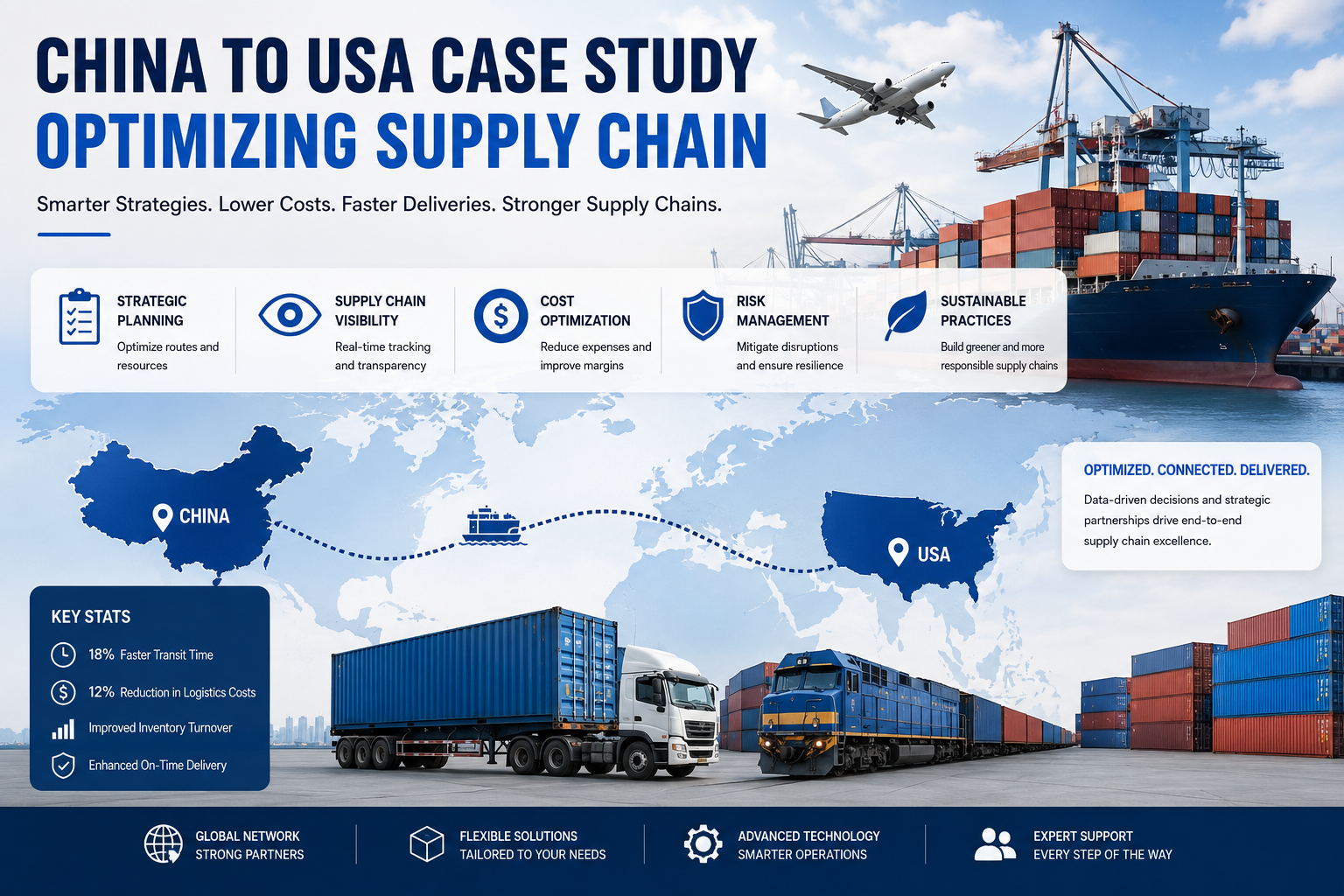
A leading consumer electronics brand sought to streamline shipments from Shenzhen to Los Angeles, aiming to reduce transit time by 20% while controlling freight costs amid fluctuating demand.
13.2 Challenges faced and solutions implemented
They faced port congestion, customs delays, and rising fuel surcharges. Solutions included selecting alternative ports, consolidating shipments, negotiating long-term contracts, and implementing advanced tracking systems.
13.3 Measurable results and improvements
Transit time improved by 18%, freight costs dropped by 12%, and inventory turnover increased, demonstrating tangible benefits of a holistic, data-driven supply chain strategy.
14. Lessons Learned from the Case Study
14.1 Key takeaways for procurement professionals
Real-time visibility, proactive planning, and strategic partnerships are crucial. Engineers must continuously monitor performance metrics and adapt to changing conditions.
14.2 Common pitfalls to avoid
Overreliance on a single port or carrier, ignoring seasonality, and insufficient documentation can cripple operations. Diversification and contingency planning are non-negotiable.
14.3 Actionable insights for future shipments
Implement integrated tech solutions, optimize routes dynamically, and negotiate strategically to maintain efficiency and cost-effectiveness under shifting global conditions.
15. Future Trends in China to USA Supply Chains
15.1 Emerging shipping technologies
Autonomous vessels, drone-based deliveries, and blockchain-enabled tracking promise faster, more transparent, and secure logistics in the near future.
15.2 Changes in global trade regulations
Evolving trade agreements, tariffs, and compliance mandates will require procurement engineers to be more agile, knowledgeable, and proactive in risk management.
15.3 Evolving customer expectations
End-users demand faster delivery, transparent tracking, and sustainable practices. Supply chains must evolve to meet these expectations while balancing cost and efficiency.
16. Conclusion and Recommendations
16.1 Summary of key strategies
Optimizing China to USA supply chains requires visibility, strategic partnerships, robust risk management, and technological integration. The case study proves that thoughtful orchestration yields measurable results.
16.2 Practical steps for supply chain optimization
Adopt real-time tracking, diversify carriers and routes, consolidate shipments, leverage tech-driven forecasting, and maintain rigorous compliance checks to achieve operational excellence.
16.3 Final thoughts on long-term efficiency
Sustainable, data-driven, and resilient supply chains are not just a competitive advantage—they are the backbone of modern procurement engineering. Forward-thinking brands that implement these strategies position themselves for consistent growth, cost control, and market leadership in an increasingly complex global trade environment.