Table of Contents
China to Mexico Shipping Cost: Avoid Hidden Logistics Fees
1. Introduction to China to Mexico Shipping Cost
1.1 Overview of China-Mexico Trade
Trade between China and Mexico has expanded dramatically over the past decade, transforming Mexico into one of the most important destinations for Chinese exports in the Americas. From consumer electronics and automotive components to industrial machinery, textiles, and renewable energy equipment, a vast spectrum of products moves between these two economic powerhouses every day.
For procurement engineers and sourcing professionals, Mexico has become a strategic manufacturing and distribution hub due to its proximity to the United States and participation in various international trade agreements. At the same time, China remains the world's largest manufacturing ecosystem, offering unparalleled production capacity and supplier diversity.
However, while sourcing products from China may appear straightforward, shipping costs often contain layers of expenses that are not immediately visible during supplier negotiations. What initially looks like a competitive landed cost can quickly become a budgetary headache when hidden logistics charges begin to surface.
1.2 Importance of Accurate Shipping Cost Estimation
In procurement and supply chain management, cost estimation is not merely a financial exercise—it is a strategic decision-making tool. A small error in freight forecasting can significantly impact profit margins, inventory planning, and customer pricing.
Accurate shipping cost estimation enables procurement teams to:
- Develop realistic purchasing budgets
- Calculate total landed costs
- Compare supplier quotations fairly
- Avoid unexpected financial exposure
- Improve supply chain predictability
Many buyers focus heavily on unit price negotiations while overlooking logistics expenses. As experienced sourcing professionals often say, "The cheapest supplier is not always the cheapest shipment."
A product purchased at a lower factory price may ultimately become more expensive once transportation, customs duties, storage fees, and ancillary charges are included.
1.3 Common Misconceptions About Logistics Fees
One of the most widespread misconceptions is that freight quotations represent the complete transportation cost. In reality, many shipping quotations cover only a portion of the logistics chain.
Another common assumption is that customs duties constitute the only government-related expense. Importers frequently encounter inspection fees, customs processing charges, brokerage fees, and administrative costs.
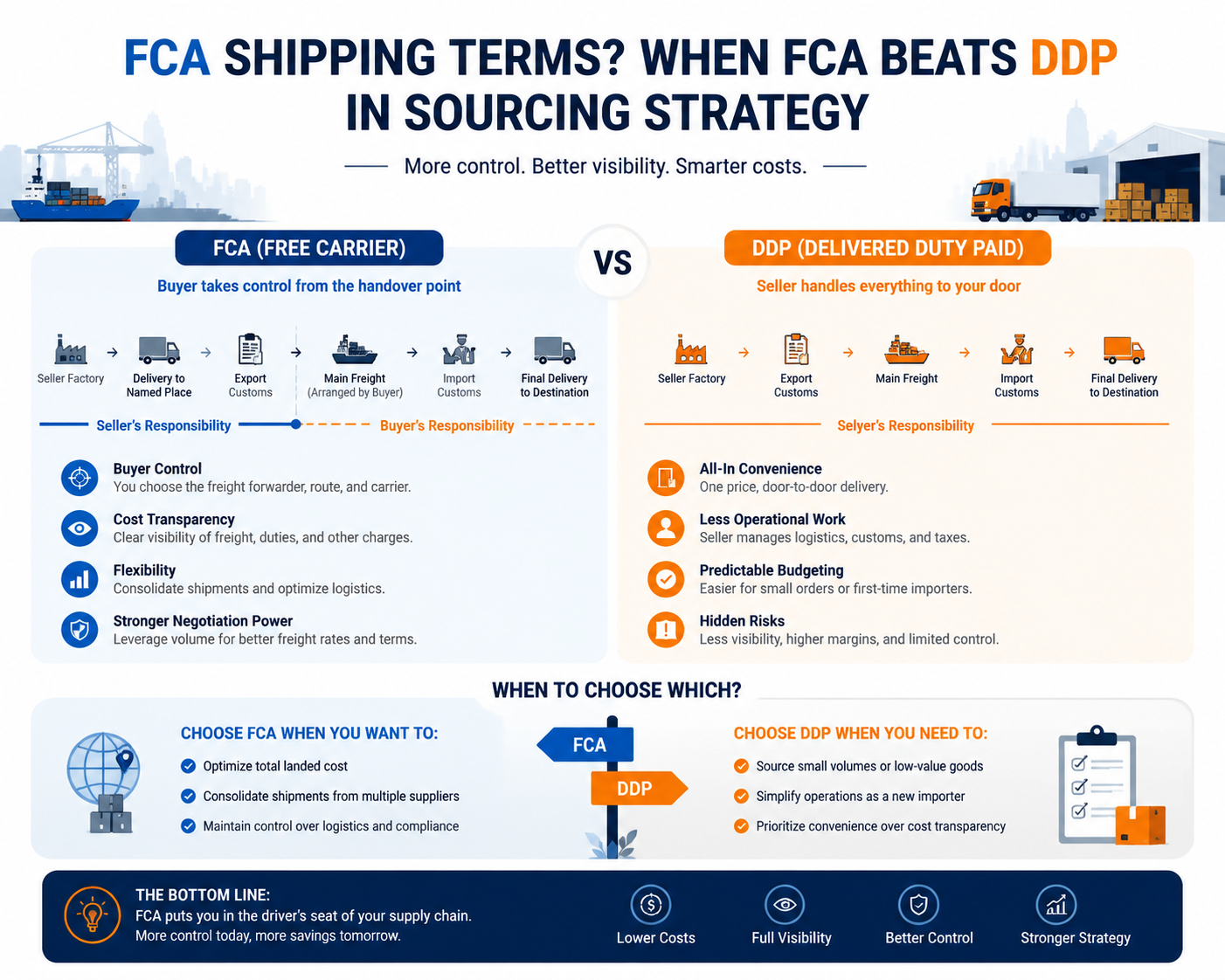
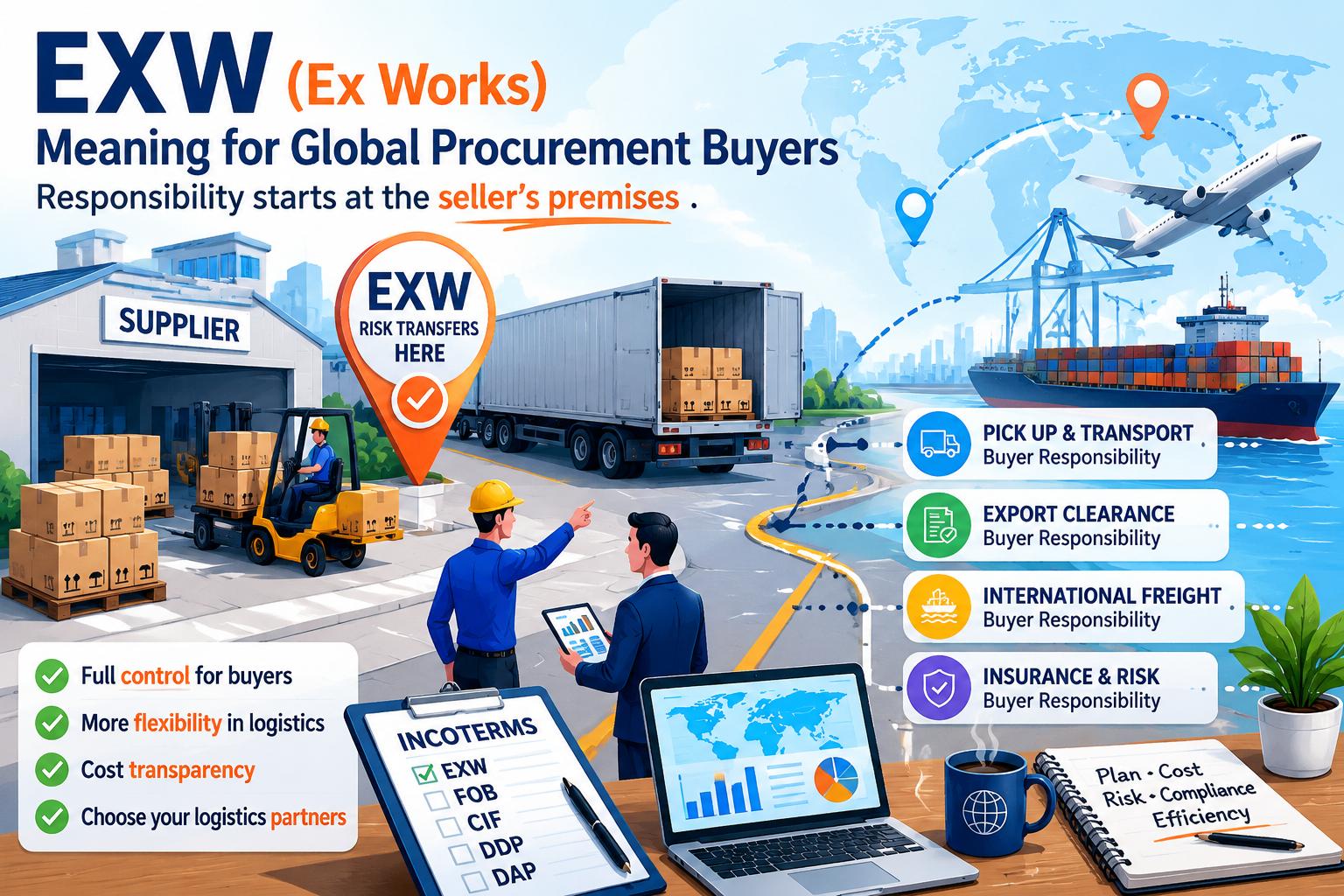
Some buyers also assume that freight forwarders absorb all logistics risks. In practice, responsibilities vary according to Incoterms, contractual arrangements, and insurance coverage.
The bottom line? If a freight quote seems too good to be true, there is usually more beneath the surface.
2. Factors Influencing Shipping Costs
2.1 Freight Mode: Sea, Air, and Rail
The transportation method selected has the greatest impact on overall shipping expenses.
Sea Freight
Sea freight remains the most economical solution for large-volume cargo. It is widely used for industrial goods, machinery, furniture, and bulk commodities.
Advantages include:
- Lower cost per unit
- Greater cargo capacity
- Better scalability
Disadvantages include:
- Longer transit times
- Potential port congestion
- Increased inventory carrying costs
Air Freight
Air freight offers unmatched speed but commands premium pricing.
Ideal applications include:
- Urgent replenishment orders
- High-value electronics
- Time-sensitive products
The old saying in logistics still rings true: "Air freight saves time but costs a pretty penny."
Rail Freight
Although less common between China and Mexico compared to Europe-bound routes, rail transportation may be incorporated into multimodal logistics solutions.
Benefits include:
- Improved transit consistency
- Reduced environmental footprint
- Balanced cost structure
2.2 Cargo Size, Weight, and Volume
Freight pricing relies heavily on cargo dimensions.
Carriers evaluate shipments using:
- Gross weight
- Chargeable weight
- Cubic volume
- Container utilization
A shipment of lightweight furniture may occupy substantial container space despite weighing very little. Conversely, metal products may weigh heavily while consuming limited space.
Procurement engineers must understand dimensional calculations because carriers charge based on whichever metric generates higher revenue.
2.3 Seasonal Fluctuations and Demand Trends
Shipping markets operate according to supply and demand dynamics.
Peak periods include:
- Chinese New Year
- Golden Week
- Christmas inventory buildup
- Back-to-school purchasing seasons
During these periods, freight rates can rise sharply due to limited vessel capacity and increased booking demand.
Many importers learn this lesson the hard way when freight costs suddenly jump 30% to 100% during peak seasons.
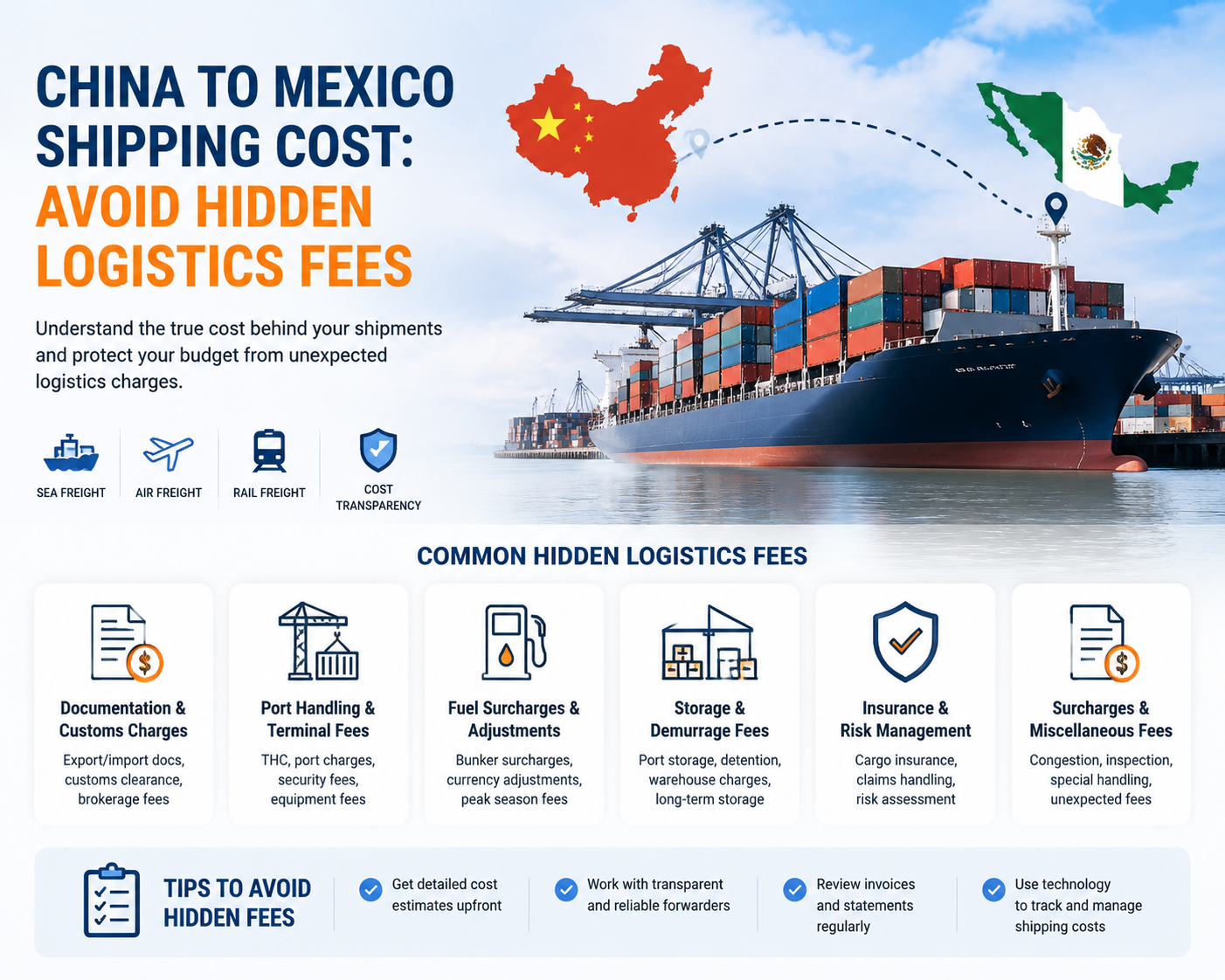
3. Understanding Hidden Fees in Shipping
3.1 Documentation and Customs Charges
Shipping documentation generates numerous administrative costs.
Common fees include:
- Export declarations
- Certificate processing
- Customs entries
- Compliance verification
- Electronic filing charges
Individually these charges may seem modest, but collectively they can substantially increase shipment costs.
3.2 Port Handling and Terminal Fees
Ports function as sophisticated logistics ecosystems requiring extensive infrastructure and labor.
Associated costs may include:
- Terminal handling charges
- Container positioning fees
- Equipment usage fees
- Security assessments
- Port maintenance charges
Many first-time importers are surprised when terminal charges exceed expectations despite having already paid ocean freight.
3.3 Fuel Surcharges and Currency Adjustments
Fuel prices fluctuate continuously.
To mitigate volatility, carriers impose:
- Bunker adjustment factors
- Fuel surcharges
- Emergency fuel supplements
Currency exchange movements also influence international freight pricing. When exchange rates shift significantly, carriers often introduce currency adjustment factors to offset financial exposure.
4. Freight Forwarders and Their Role
4.1 Services Offered by Freight Forwarders
Freight forwarders coordinate logistics activities throughout the supply chain.
Services often include:
- Cargo booking
- Documentation management
- Customs clearance
- Warehousing
- Cargo insurance
- Shipment tracking
An experienced forwarder functions almost like an outsourced logistics department.
4.2 How Forwarders Negotiate Better Rates
Forwarders consolidate cargo from multiple customers, enabling them to negotiate favorable contracts with shipping lines and airlines.
Because they control larger cargo volumes, they often secure:
- Reduced freight rates
- Priority vessel space
- Better transit schedules
These economies of scale frequently benefit importers.
4.3 Choosing the Right Forwarder for Cost Transparency
The lowest quotation should never be the sole selection criterion.
Evaluate forwarders based on:
- Cost transparency
- Industry expertise
- Communication quality
- Customs knowledge
- Service reliability
A transparent partner clearly identifies all anticipated charges before cargo departs.
5. Sea Freight Costs from China to Mexico
5.1 Full Container Load (FCL) Pricing Breakdown
FCL shipments involve exclusive container usage.
Typical cost components include:
- Ocean freight
- Container fees
- Export handling
- Documentation
- Port charges
- Customs clearance
FCL becomes increasingly cost-effective as shipment volume grows.
5.2 Less Than Container Load (LCL) Fees
LCL shipping consolidates cargo from multiple shippers.
Additional costs often include:
- Consolidation fees
- Deconsolidation fees
- Warehouse handling
- Volume-based charges
While flexible, LCL shipments frequently carry higher per-unit transportation costs.
5.3 Additional Port and Terminal Charges
Sea freight commonly includes supplementary charges such as:
- Wharfage fees
- Security fees
- Congestion surcharges
- Container inspection fees
These costs can vary significantly between ports.
6. Air Freight Costs from China to Mexico
6.1 Factors Affecting Air Cargo Pricing
Air freight rates depend on:
- Weight
- Volume
- Route availability
- Fuel prices
- Cargo classification
Special cargo categories may require premium handling.
6.2 Security and Handling Fees
Modern aviation regulations require stringent security procedures.
Additional expenses may include:
- X-ray screening
- Security inspections
- Specialized handling
- Airport terminal fees
6.3 Comparing Speed Versus Cost Efficiency
Air freight may cost several times more than ocean transportation. However, the calculation should consider inventory carrying costs, lost sales opportunities, production downtime, and customer service levels. Sometimes paying more for transportation actually reduces total supply chain costs.
7. Customs Duties and Taxes
7.1 Mexico Import Tariffs Overview
Mexico applies tariffs based on product classifications and trade regulations. Duty rates vary substantially depending on product category, country of origin, and trade agreement eligibility. Accurate classification remains essential. More details on Mexican tariffs can be found at Trade.gov.
7.2 Value-Added Tax (VAT) Implications
Mexican imports generally incur VAT obligations. VAT calculations may include product value, freight cost, insurance cost, and applicable duties. Miscalculations can create significant compliance risks.
7.3 HS Codes and Classification Impact
HS codes determine duty rates, regulatory requirements, and documentation obligations. An incorrect classification can trigger audits, penalties, and shipment delays. Learn more about HS codes at WTO Tariff Data.
8. Packaging and Labeling Costs
8.1 Standard Packaging Requirements
Proper packaging protects cargo throughout international transit. Requirements often involve export cartons, pallets, moisture protection, and shock absorption. Investing in quality packaging frequently reduces damage-related costs and ensures compliance with both carrier and destination regulations.
8.2 Special Handling Fees for Fragile or Oversized Items
Certain products require extraordinary handling procedures, including industrial equipment, glass products, medical devices, and heavy machinery. These shipments often incur premium handling charges due to additional labor, equipment, and risk mitigation measures.
8.3 Labeling Compliance and Penalties
Mexico enforces product labeling requirements for many imported goods. Non-compliance may result in customs delays, re-labeling expenses, or administrative fines. Proper preparation ensures smooth clearance and avoids costly disruptions. Learn more about labeling requirements at Gob.mx SENASICA.
9. Insurance and Risk Management
9.1 Types of Cargo Insurance
Common coverage options include all-risk insurance, named-perils coverage, and warehouse-to-warehouse protection. Coverage scope directly influences premium costs and dictates the level of financial protection for high-value shipments.
9.2 Assessing Risk for High-Value Shipments
Procurement professionals should evaluate product value, theft risk, transit complexity, and historical loss rates. Accurate risk assessment supports informed insurance decisions and prevents significant financial losses in case of accidents or theft.
9.3 Claim Processes and Cost Impact
Claims require documentation, inspection reports, proof of loss, and timely notification. Efficient claim management minimizes financial exposure and expedites reimbursement. Understanding the claim process is as crucial as choosing the right insurance coverage.
10. Warehousing and Storage Fees
10.1 Temporary Storage at Ports
Cargo occasionally requires short-term storage before customs clearance. Costs depend upon storage duration, cargo type, and port regulations. Even brief delays can generate unexpected charges that accumulate rapidly.
10.2 Long-Term Warehouse Options
Long-term warehousing supports inventory management strategies. Factors affecting cost include facility location, security measures, inventory turnover, and storage conditions. Optimized warehousing can significantly influence total supply chain cost.
10.3 Hidden Storage and Demurrage Fees
Demurrage occurs when containers remain beyond allotted free time, and detention occurs when containers are not returned promptly. These fees can escalate quickly, creating major budget overruns if not monitored.
11. Documentation and Administrative Charges
11.1 Bill of Lading and Airway Bills
Transportation documents are essential for cargo movement. Issuance, amendment, and replacement often involve administrative fees. Maintaining accurate records prevents delays and unexpected costs.
11.2 Customs Paperwork and Filing Fees
Customs processing may require import declarations, regulatory certifications, and compliance documentation. Each step may generate additional charges, which cumulatively affect the total landed cost.
11.3 Brokerage Service Charges
Customs brokers facilitate regulatory compliance through entry preparation, duty calculations, and government coordination. Brokerage fees should always be factored into landed cost calculations to avoid surprises.
12. Surcharges and Miscellaneous Fees
12.1 Fuel Adjustment and Peak Season Surcharges
Fuel and peak-season surcharges fluctuate according to market conditions. These charges can materially affect freight budgets and must be considered during cost planning.
12.2 Port Congestion and Detention Fees
When ports become overwhelmed, carriers may implement congestion surcharges. Importers may also face detention fees when containers remain in use beyond permitted periods, increasing total shipment cost.
12.3 Unexpected Handling or Inspection Fees
Random inspections and special handling requirements can generate unforeseen costs, such as customs examinations, agricultural inspections, and security screenings. These charges often appear without advance notice.
13. Strategies to Avoid Hidden Fees
13.1 Detailed Cost Estimation Before Shipment
Develop comprehensive landed cost models incorporating freight, duties, taxes, insurance, and handling fees. A meticulous forecast reduces unpleasant surprises and supports better procurement decisions.
13.2 Transparent Contracts with Forwarders
Request written confirmation of included services, excluded charges, and surcharge policies. Clear agreements improve accountability and ensure no hidden costs are buried in fine print.
13.3 Regularly Reviewing Invoices and Statements
Routine audits help identify billing errors, duplicate charges, and unauthorized fees. Small discrepancies can accumulate into substantial losses over time, impacting the bottom line.
14. Cost Comparison: Direct vs Third-Party Shipping
14.1 Advantages of Direct Shipping
Direct carrier relationships may provide greater operational control, simplified communication, and potential volume discounts. Large importers often pursue this model to maintain transparency and reduce costs.
14.2 Benefits of Using Third-Party Logistics (3PL)
3PL providers offer expertise, technology integration, flexible capacity, and global networks. Many growing brands find 3PL partnerships highly advantageous for cost efficiency and operational scalability.
14.3 Case Studies of Cost Savings
Companies frequently reduce costs by consolidating shipments, optimizing packaging, negotiating annual contracts, and improving forecasting accuracy. Strategic logistics management consistently delivers measurable savings.
15. Technology Tools for Cost Management
15.1 Freight Tracking and Cost Calculators
Modern platforms provide real-time visibility, transit monitoring, and freight cost simulations. These tools support better procurement decisions and enhance supply chain control.
15.2 Software for Customs and Documentation
Automation reduces manual errors, processing delays, and compliance risks. Digital workflows improve operational efficiency and reduce hidden administrative costs. Explore more at Supply Chain Digital.
15.3 Analytics to Forecast Shipping Expenses
Advanced analytics can identify seasonal trends, carrier performance, cost anomalies, and budget risks. Data-driven procurement is rapidly becoming the industry standard for minimizing hidden logistics fees.
16. Conclusion and Key Takeaways
16.1 Summary of Hidden Cost Risks
China-to-Mexico shipping costs extend far beyond basic freight rates. Documentation charges, customs duties, terminal fees, storage costs, surcharges, insurance premiums, and compliance expenses can significantly increase total landed cost if not properly managed. The most expensive logistics mistake is not necessarily paying a higher freight rate—it is failing to anticipate the ancillary costs that quietly accumulate throughout the supply chain.
16.2 Actionable Tips for Brand Procurement Professionals
- Calculate total landed cost, not just freight cost.
- Verify all fees before cargo departure.
- Audit logistics invoices regularly.
- Classify products correctly.
- Monitor peak-season surcharges.
- Maintain strong relationships with logistics partners.
- Invest in visibility and tracking technologies.
16.3 Final Recommendations for Cost Optimization
Successful procurement professionals approach logistics with the same rigor applied to supplier selection and contract negotiations. Every charge, surcharge, duty, and administrative fee should be scrutinized through a total-cost-of-ownership lens. By combining accurate forecasting, transparent logistics partnerships, regulatory compliance, and data-driven decision-making, importers can significantly reduce hidden logistics expenses and build a more resilient, cost-efficient supply chain between China and Mexico.