
mark
China to USA Shipping Cost Optimization Tips
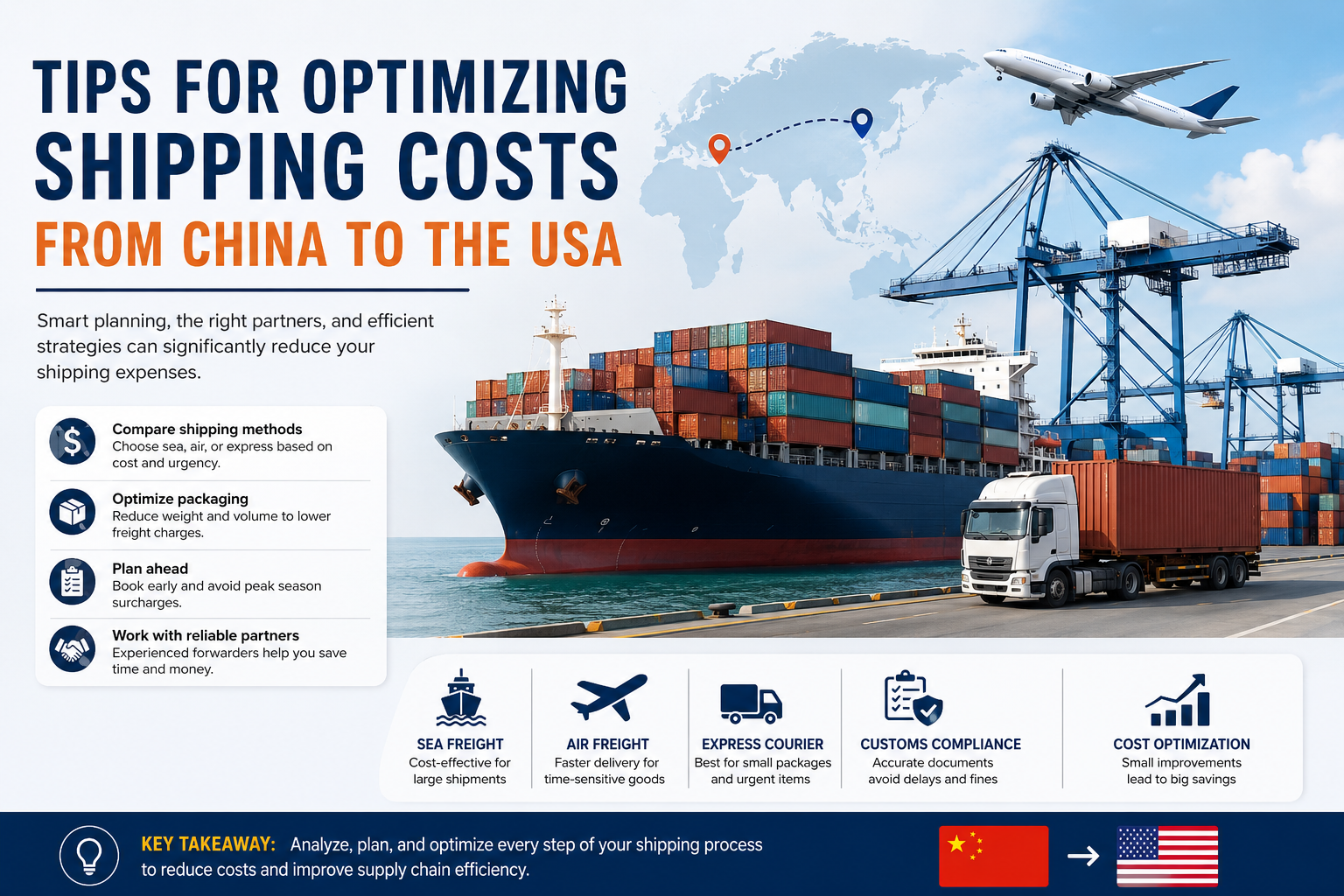
Tips for Optimizing Shipping Costs from China to the USA
1. Introduction to China to USA Shipping Cost
1.1 Why Shipping Costs Matter in Global Trade
In modern industrial commerce, shipping expenditures are no longer a peripheral operational concern; they have evolved into a decisive factor influencing procurement strategy, inventory planning, and overall corporate profitability. For manufacturers, distributors, and sourcing managers importing goods from China into the United States, logistics expenditures can substantially alter the landed cost of products, particularly in sectors involving heavy machinery, mechanical assemblies, automotive components, industrial gears, or fabricated steel structures.
A few bucks shaved off the freight bill may not sound earth-shattering at first glance, but when container volumes scale into monthly or quarterly procurement cycles, those savings compound like crazy. In many industries, logistics optimization can mean the difference between maintaining healthy margins and getting squeezed tighter than a rusted coupling on an overtorqued shaft.
Shipping costs also affect customer pricing, market competitiveness, and supply chain resilience. During periods of geopolitical instability, fuel price escalation, or port congestion, freight expenses can fluctuate violently, creating a domino effect throughout the procurement ecosystem. Mechanical engineers and purchasing departments increasingly collaborate to redesign packaging, optimize shipment density, and reduce dead space inside containers because every cubic meter counts in international transportation.
1.2 Current Trends in China-to-USA Logistics
The China-to-USA logistics corridor has undergone dramatic transformations over the past several years. Freight markets have become increasingly volatile due to pandemic aftershocks, labor shortages, geopolitical trade tensions, container imbalances, and fluctuating bunker fuel costs.
Ocean freight remains the dominant transportation mode for industrial cargo due to its cost efficiency for bulk shipments. However, transit reliability has become a persistent concern. Port congestion at major gateways such as Los Angeles and Long Beach periodically disrupts delivery schedules, compelling importers to diversify entry ports and reconsider routing strategies.
Meanwhile, air freight demand continues to grow for high-value or time-sensitive products such as precision mechanical components, robotics assemblies, semiconductors, and custom-engineered industrial equipment. Although air shipping commands a premium price, many procurement managers accept the elevated cost to avoid costly production downtime.
Another prevailing trend is the digitization of supply chains. Real-time cargo tracking, predictive analytics, automated customs documentation, and AI-assisted route optimization are rapidly becoming standard operating procedures rather than luxury add-ons. Frankly speaking, companies still relying solely on spreadsheets and email chains are getting left in the dust.
1.3 Common Challenges Importers Face
Importers navigating the China-to-USA shipping pipeline encounter a multitude of operational obstacles. One of the most common headaches involves unpredictable freight rates. Ocean container pricing can fluctuate drastically within weeks, making budgeting difficult for procurement departments attempting to stabilize long-term purchasing forecasts.
Customs compliance presents another formidable challenge. Improper documentation, inaccurate HS code classification, or insufficient product declarations may trigger inspections, delays, penalties, or cargo holds. For industrial goods with technical specifications, classification complexity can become especially cumbersome.
Communication barriers between overseas suppliers, freight forwarders, customs brokers, and domestic trucking companies often create informational fragmentation. A simple misunderstanding regarding packaging dimensions or pallet configurations can result in costly dimensional surcharges or rejected warehouse deliveries.
Additionally, importers frequently underestimate hidden logistics charges such as terminal handling fees, demurrage, detention costs, chassis usage fees, and destination delivery surcharges. Those little nickel-and-dime expenses can snowball into a monster invoice before you know it.
2. Understanding the Main Shipping Methods
2.1 Air Freight Shipping
Air freight is the preferred transportation method when speed outweighs cost considerations. Industrial buyers importing urgent machine parts, prototype assemblies, or high-value equipment often utilize air transportation to maintain production continuity and minimize operational downtime.
Transit times from China to the USA generally range between three and ten days, depending on customs clearance efficiency and airport handling capacity. This rapid delivery window makes air freight particularly advantageous for lean manufacturing environments operating under just-in-time inventory systems.
However, air freight pricing is heavily influenced by dimensional weight calculations. Lightweight yet bulky products can incur disproportionately high charges because airlines allocate pricing according to cargo volume rather than actual mass. Engineers involved in packaging design therefore play a surprisingly critical role in freight cost reduction.
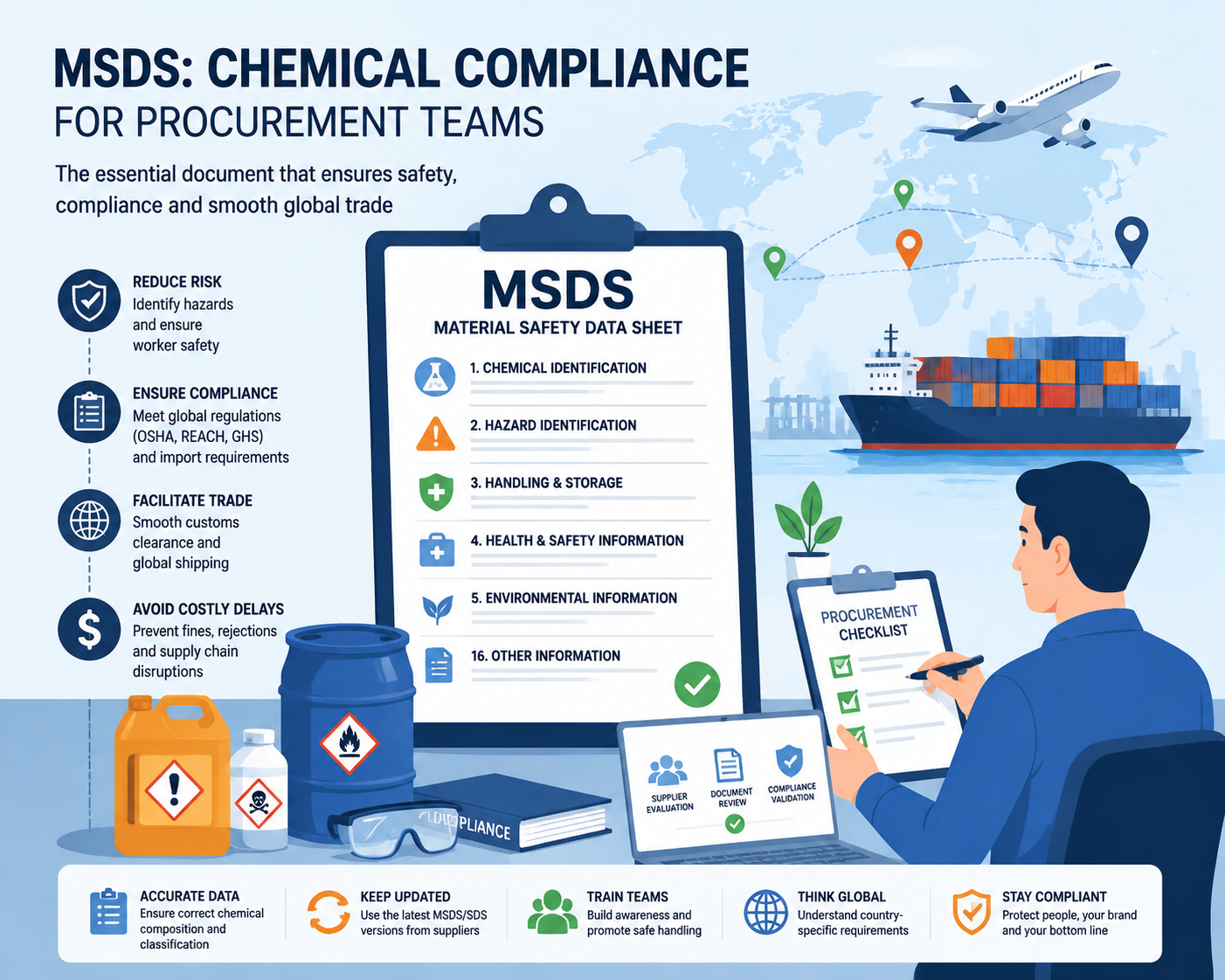
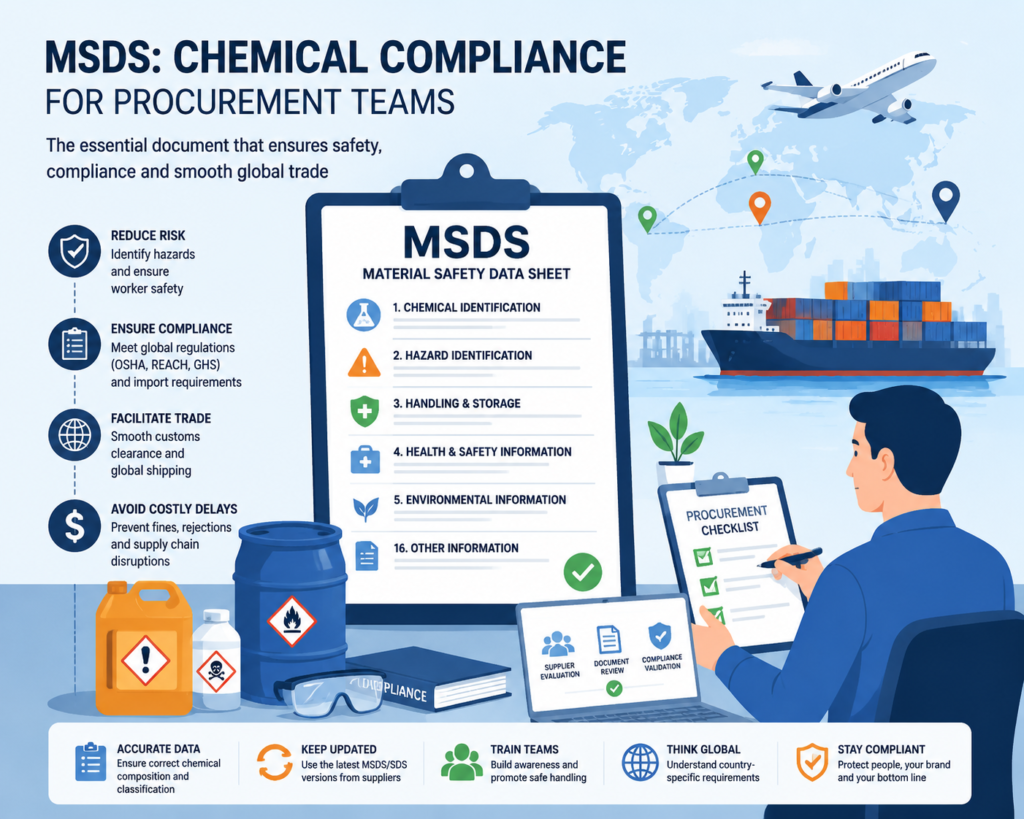
Another consideration is cargo restrictions. Certain industrial chemicals, lubricants, magnetic equipment, and battery-powered machinery may require special handling certifications or hazardous goods declarations.
2.2 Sea Freight Shipping
Sea freight remains the backbone of global industrial logistics due to its unparalleled cost efficiency for large-volume cargo. For companies importing castings, forgings, reducers, electric motors, conveyor systems, or heavy mechanical assemblies, ocean transportation is typically the most economical solution.
Importers generally choose between Full Container Load (FCL) and Less than Container Load (LCL) services. FCL shipments provide superior cargo security, faster handling, and lower per-unit transportation costs when shipment volume justifies dedicated container usage.
LCL shipping allows multiple importers to share container space, reducing costs for smaller orders. Nevertheless, LCL cargo often experiences longer transit durations due to consolidation and deconsolidation procedures at origin and destination warehouses.
Sea freight transit times between China and the United States usually range from 18 to 45 days depending on routing, weather conditions, port congestion, and customs processing efficiency. As the old logistics saying goes, ocean freight saves money but tests patience.
For additional information on international shipping practices, visit Wikipedia Freight Transport.
2.3 Express Courier Services
Express courier companies provide highly streamlined door-to-door transportation solutions for small parcels and urgent commercial shipments. Services from international carriers offer integrated customs clearance, tracking visibility, and simplified documentation procedures.
This method is ideal for product samples, engineering prototypes, replacement components, and lightweight ecommerce goods. Procurement engineers frequently rely on courier services when evaluating supplier samples before approving full-scale production orders.
Although convenient, courier pricing can become prohibitively expensive for dense industrial products. Additionally, dimensional weight calculations often inflate transportation costs for oddly shaped mechanical components.
Still, for emergency maintenance parts needed to avoid factory shutdowns, paying premium courier rates can be far cheaper than halting production lines. Nobody wants a multimillion-dollar assembly line sitting idle over a missing gearbox bearing.
3. Key Factors That Affect China to USA Shipping Cost
3.1 Cargo Weight and Volume
Freight pricing fundamentally revolves around cargo mass and occupied volume. Transportation providers allocate finite cargo capacity based on space utilization and payload restrictions, making shipment density a crucial economic variable.
Heavy industrial components such as steel gears, cast housings, and machined shafts typically incur weight-based charges. Conversely, lightweight yet voluminous products may trigger dimensional pricing calculations.
Proper packaging engineering can dramatically reduce unnecessary freight expenditures. Eliminating excessive void space, optimizing pallet configurations, and utilizing compact packaging geometries help maximize container utilization efficiency.
3.2 Shipping Distance and Destination Port
Transportation costs increase proportionally with shipping distance and inland delivery complexity. Cargo destined for major coastal logistics hubs generally benefits from lower freight rates due to superior infrastructure and higher shipping volume density.
Deliveries to inland destinations often incur substantial trucking or rail surcharges. Importers located far from coastal ports should evaluate intermodal transportation options carefully to balance transit speed against transportation expense.
3.3 Fuel Surcharges and Seasonal Fees
Fuel represents a substantial operational expense for carriers. Consequently, fluctuating oil prices directly influence freight surcharges across ocean, air, rail, and trucking sectors.
Seasonal demand spikes also trigger elevated freight rates. Peak shipping seasons surrounding major holidays, retail inventory replenishment periods, and Chinese New Year often create capacity shortages and pricing escalation.
Savvy procurement teams plan shipments well in advance to avoid getting hammered by peak-season premiums.
4. How Shipping Incoterms Impact Total Costs
4.1 FOB vs EXW Pricing Structures
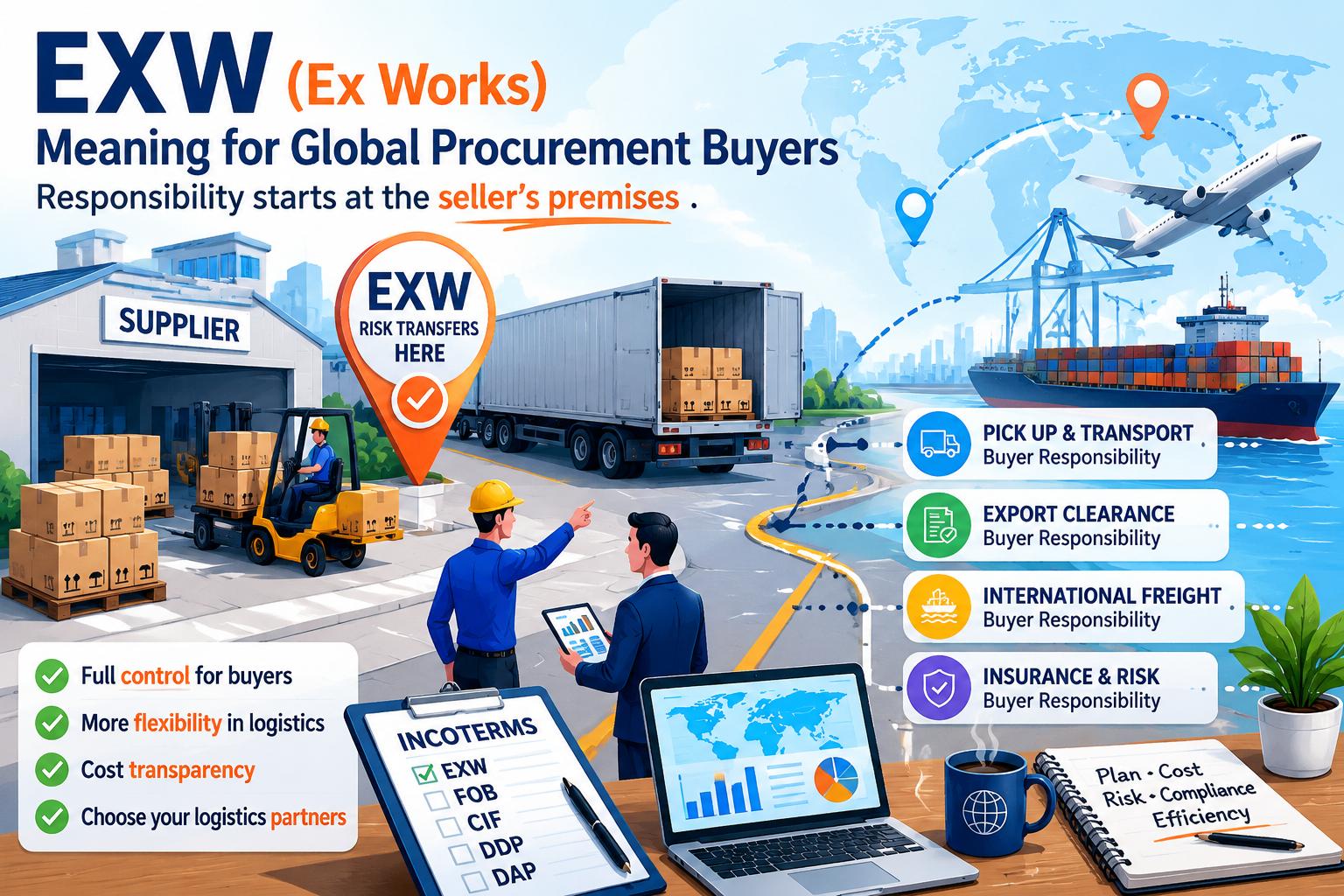
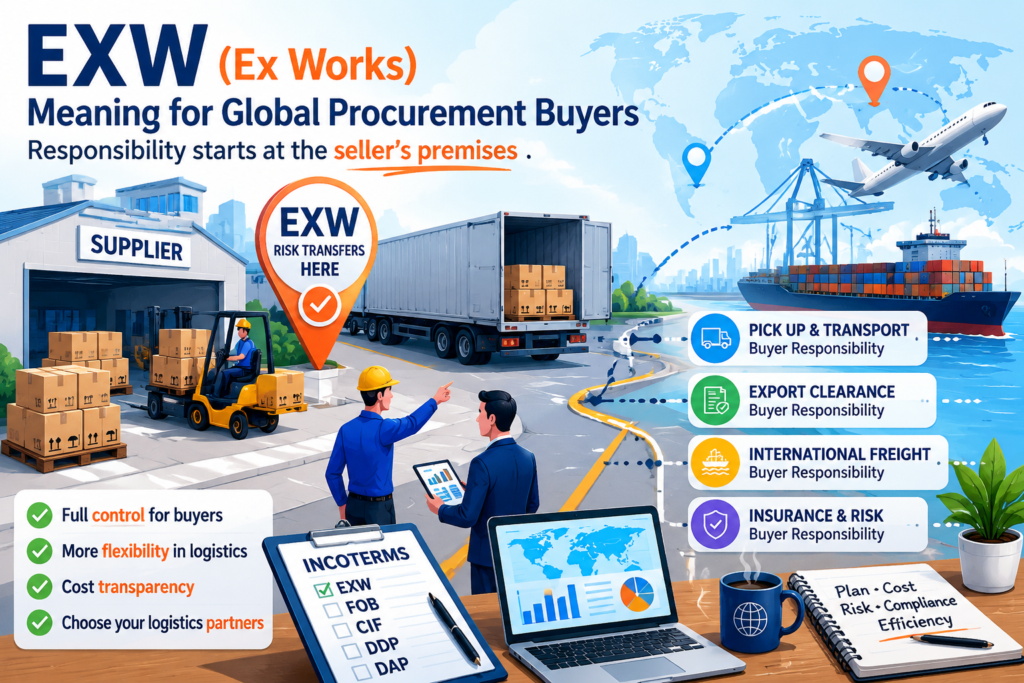
FOB (Free on Board) and EXW (Ex Works) represent two widely utilized Incoterms in international trade. Under EXW arrangements, buyers assume responsibility for virtually all logistics activities beginning at the supplier’s facility.
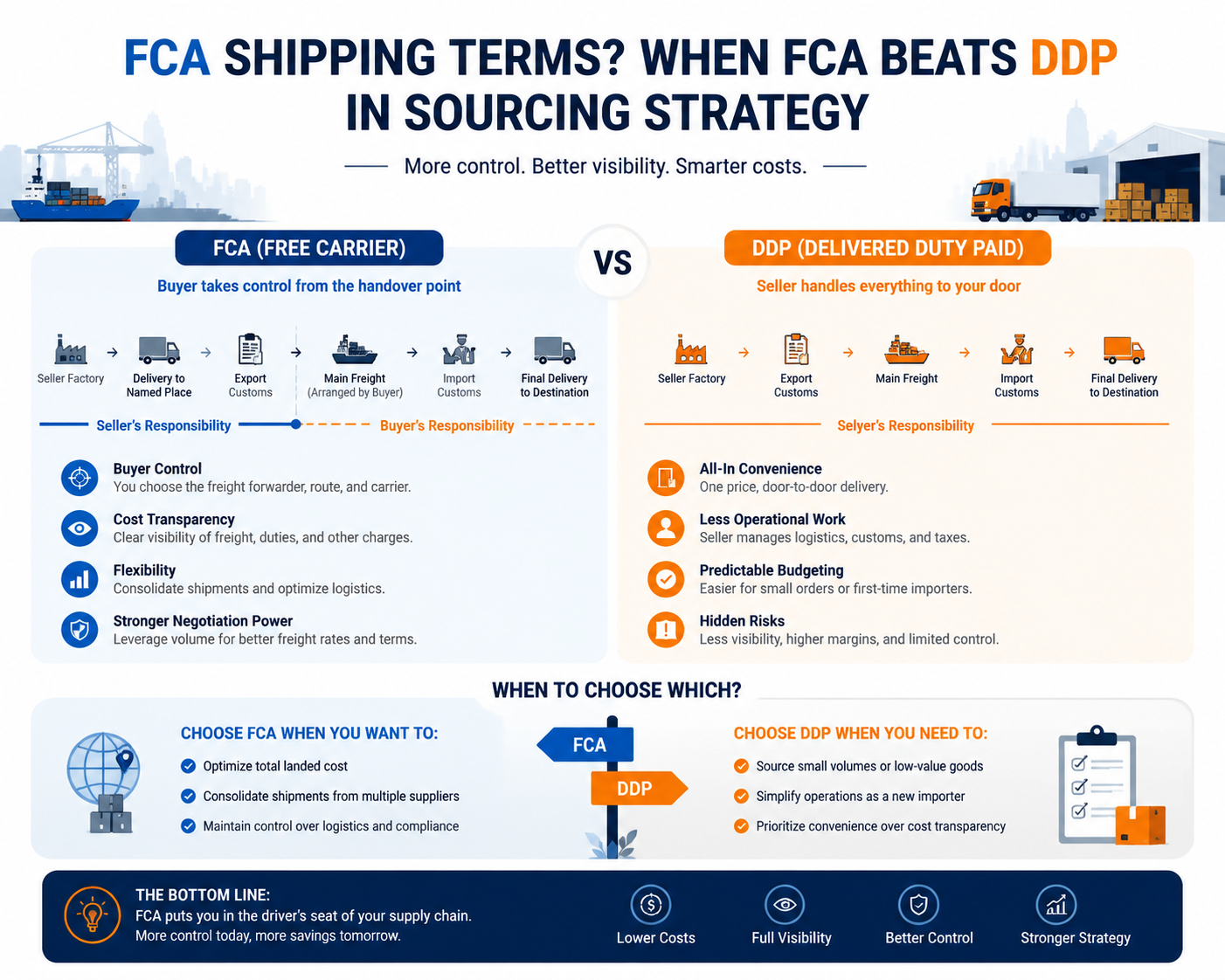
FOB terms shift export clearance and origin port responsibilities onto the supplier, simplifying logistics management for importers while often reducing administrative complications.
For inexperienced importers, FOB arrangements generally provide superior operational control without the complexity associated with coordinating inland Chinese transportation independently.
4.2 CIF and DDP Shipping Explained
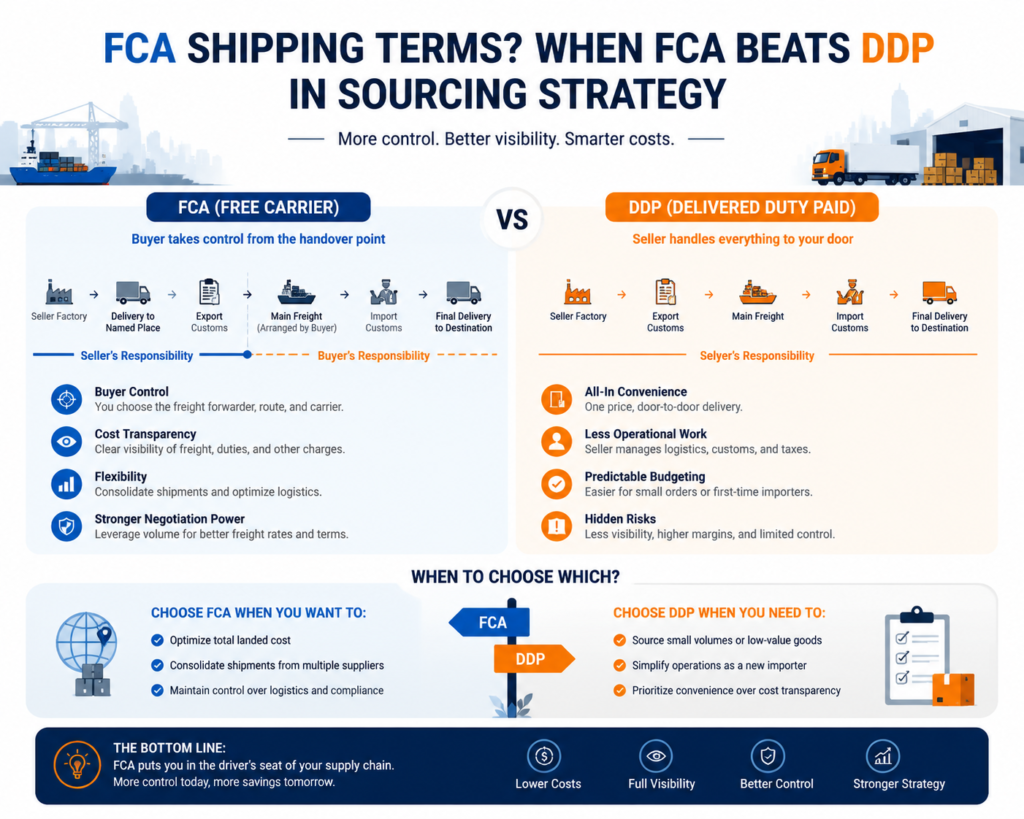
CIF (Cost, Insurance, and Freight) agreements include ocean freight and insurance within supplier pricing. While convenient, CIF structures sometimes obscure actual transportation costs and limit buyer control over carrier selection.
DDP (Delivered Duty Paid) arrangements provide maximum convenience because suppliers manage transportation, customs clearance, and duty payments. However, DDP pricing frequently includes significant hidden markups.
Buyers should thoroughly analyze landed cost structures before selecting any Incoterm configuration.
Additional information about international commercial terms can be found at ICC Incoterms Rules.
4.3 Choosing the Best Incoterm for Cost Control
The optimal Incoterm depends on shipment volume, importer expertise, supplier capabilities, and operational objectives. Experienced procurement managers often favor FOB arrangements because they maintain freight visibility and negotiation leverage.
Ultimately, transparency is king. If shipping invoices resemble a cryptic puzzle written in hieroglyphics, something probably needs attention.
5. Choosing the Right Freight Forwarder
5.1 Evaluating Freight Forwarder Experience
An experienced freight forwarder acts as a logistical quarterback coordinating transportation, customs compliance, warehousing, and cargo tracking activities. Selecting the wrong partner can trigger delays, communication breakdowns, and unnecessary expenses.
Importers should evaluate industry specialization, operational network coverage, customs expertise, and emergency response capabilities before entering long-term logistics agreements.
5.2 Comparing Service Packages and Rates
Freight quotations should never be evaluated solely on base transportation rates. Buyers must analyze service inclusions, transit reliability, cargo insurance coverage, tracking systems, and destination handling fees.
Sometimes the cheapest quote turns into the most expensive mistake in the whole procurement cycle. Been there, done that.
5.3 Avoiding Hidden Logistics Charges
Hidden fees frequently emerge from ambiguous quotation structures. Common surprise charges include port congestion surcharges, container detention fees, customs examination costs, and residential delivery surcharges.
Clear contractual definitions and transparent communication help eliminate unpleasant financial surprises.
6. Sea Freight Optimization Strategies
6.1 Full Container Load (FCL) Cost Advantages
FCL shipping maximizes transportation efficiency for large-volume importers. Dedicated container usage reduces cargo handling frequency, minimizes damage risk, and accelerates customs processing.
For manufacturers importing heavy machinery or industrial components regularly, FCL shipping typically delivers the lowest per-unit transportation cost.
6.2 Less than Container Load (LCL) Savings Tips
LCL shipping remains highly advantageous for smaller orders. Importers can reduce expenses by consolidating purchase orders, optimizing packaging dimensions, and coordinating shipment schedules strategically.
Patience becomes essential because LCL transit timelines often fluctuate due to consolidation logistics.
6.3 Selecting Efficient Shipping Routes
Alternative routing strategies sometimes provide substantial savings. Secondary ports may offer lower congestion levels and reduced terminal handling charges compared with primary logistics gateways.
A well-planned route can shave thousands off annual freight expenditures without sacrificing delivery reliability.
7. Air Freight Cost Reduction Techniques
7.1 Consolidating Air Cargo Shipments
Combining multiple smaller shipments into consolidated air freight loads significantly improves pricing efficiency. Freight forwarders frequently offer discounted rates for consolidated cargo arrangements.
7.2 Reducing Dimensional Weight Charges
Packaging redesign remains one of the most overlooked cost-reduction opportunities in air freight logistics. Compact packaging geometries reduce billable dimensional weight substantially.
Mechanical engineers collaborating with packaging teams often discover surprisingly effective optimization opportunities.
7.3 Booking During Off-Peak Seasons
Air cargo capacity tightens dramatically during holiday demand surges. Advanced booking during lower-demand periods frequently secures more favorable pricing.
Waiting until the eleventh hour usually means paying through the nose.
8. Packaging Methods That Lower Shipping Expenses
8.1 Using Lightweight Packaging Materials
Modern composite materials, engineered corrugated structures, and lightweight polymer reinforcements provide exceptional protection while minimizing package mass.
8.2 Optimizing Carton Dimensions
Container cubic utilization directly impacts freight efficiency. Proper carton engineering eliminates wasted space and increases shipment density.
8.3 Preventing Damage and Return Costs
Cargo damage generates replacement expenses, return freight charges, production delays, and customer dissatisfaction. Protective packaging investments often yield significant long-term savings.
For packaging and cargo handling standards, visit ISO International Standards Organization.
9. Warehouse and Inventory Optimization
9.1 Using Consolidation Warehouses in China
Consolidation warehouses aggregate products from multiple suppliers into unified export shipments, improving container utilization and reducing transportation inefficiencies.
9.2 Managing Inventory Turnover Efficiently
Balanced inventory management minimizes storage costs while preventing stockouts. Excess inventory ties up capital and increases warehousing expenses unnecessarily.
9.3 Reducing Storage and Demurrage Fees
Port storage fees accumulate rapidly when containers remain uncollected beyond allotted free time periods. Efficient customs processing and transportation coordination help avoid these punitive charges.
10. Customs Clearance and Import Duties
10.1 Understanding USA Import Regulations
Import compliance requires meticulous attention to documentation accuracy, safety standards, and customs declarations. Regulatory noncompliance can result in severe penalties or cargo seizure.
10.2 Proper HS Code Classification
Correct HS classification determines applicable duty rates and regulatory requirements. Technical industrial products often require detailed classification analysis.
10.3 Avoiding Customs Delays and Penalties
Accurate invoices, packing lists, certificates, and declarations streamline customs clearance significantly.
A tiny paperwork mistake can gum up the works faster than metal shavings inside a gearbox.
Detailed customs guidance is available from U.S. Customs and Border Protection.
11. Best Ports for Reducing China to USA Shipping Cost
11.1 Major Chinese Export Ports Comparison
Ports such as Shanghai, Ningbo, Shenzhen, and Qingdao each offer unique infrastructure strengths, transit schedules, and carrier networks.
11.2 Popular USA Entry Ports and Their Advantages
Los Angeles, Long Beach, Savannah, Houston, and New York provide distinct advantages depending on final cargo destination and inland transportation requirements.
11.3 Inland Transportation Cost Considerations
Rail and trucking expenses often represent a substantial portion of total landed cost calculations.
12. Seasonal Shipping Cost Fluctuations
12.1 Chinese New Year Shipping Impact
Factory shutdowns during Chinese New Year disrupt production schedules and create severe freight capacity shortages.
12.2 Peak Season Surcharges Explained
Carriers impose seasonal surcharges when transportation demand exceeds available capacity.
12.3 Planning Shipments Around Holiday Demand
Advanced procurement planning helps companies avoid costly emergency freight situations.
13. The Role of Technology in Shipping Cost Optimization
13.1 Freight Tracking and Visibility Tools
Real-time shipment visibility improves operational forecasting and inventory planning accuracy.
13.2 Transportation Management Systems
Integrated logistics platforms automate documentation, optimize routing, and streamline freight auditing processes.
13.3 AI and Data Analytics in Logistics Planning
Predictive analytics enhance transportation efficiency by identifying cost-saving opportunities and operational bottlenecks.
14. Negotiation Tips for Better Freight Rates
14.1 Building Long-Term Carrier Relationships
Stable business relationships often yield preferential pricing and service prioritization.
14.2 Leveraging Shipment Volume Discounts
Higher shipping volumes strengthen negotiation leverage significantly.
14.3 Comparing Multiple Freight Quotes
Competitive quotation analysis prevents overpayment and exposes hidden fees.
15. Common Mistakes That Increase Shipping Costs
15.1 Incorrect Documentation Submission
Documentation errors generate delays, penalties, and administrative complications.
15.2 Poor Packaging Decisions
Inefficient packaging inflates freight costs and increases cargo damage risk.
15.3 Last-Minute Shipping Bookings
Emergency bookings frequently command premium pricing due to limited capacity availability.
16. Cost Comparison Between Different Shipping Options
16.1 Air Freight vs Sea Freight
Air freight prioritizes speed while sea freight maximizes economic efficiency.
16.2 Express Courier vs Freight Forwarder
Courier services simplify small shipments while freight forwarders provide scalable logistics management.
16.3 FCL vs LCL Shipping Costs
FCL favors high-volume importers whereas LCL supports smaller procurement operations economically.
17. Strategies for Ecommerce Businesses Importing from China
17.1 Optimizing Shipping for Amazon FBA
Amazon sellers must comply with strict packaging, labeling, and delivery scheduling requirements.
17.2 Reducing Returns and Reverse Logistics Costs
Accurate product descriptions and robust packaging minimize costly return rates.
17.3 Choosing Reliable Fulfillment Partners
Reliable fulfillment providers improve delivery consistency and customer satisfaction.
18. Sustainable Shipping and Cost Efficiency
18.1 Eco-Friendly Packaging Solutions
Sustainable packaging materials reduce environmental impact while often lowering shipping weight.
18.2 Carbon Emission Reduction Strategies
Optimized routing and efficient cargo consolidation help reduce emissions substantially.
18.3 Balancing Sustainability with Profitability
Sustainability initiatives increasingly align with long-term operational efficiency objectives.
Learn more about sustainable logistics at EPA SmartWay Program.
19. Future Trends in China to USA Shipping Cost
19.1 Impact of Global Trade Policies
Tariffs, sanctions, and trade agreements continue reshaping global logistics economics.
19.2 Automation in International Logistics
Warehouse robotics and autonomous cargo handling systems improve operational efficiency.
19.3 Emerging Alternative Shipping Routes
Alternative trade corridors may reduce congestion and diversify transportation resilience.
20. Final Recommendations for Lower Shipping Costs
20.1 Creating a Long-Term Shipping Strategy
Successful importers approach logistics strategically rather than transactionally.
20.2 Monitoring Freight Market Changes
Continuous market monitoring enables faster adaptation to pricing fluctuations.
20.3 Partnering with Reliable Logistics Providers
Strong logistics partnerships improve operational predictability, cost efficiency, and supply chain resilience over the long haul.
```