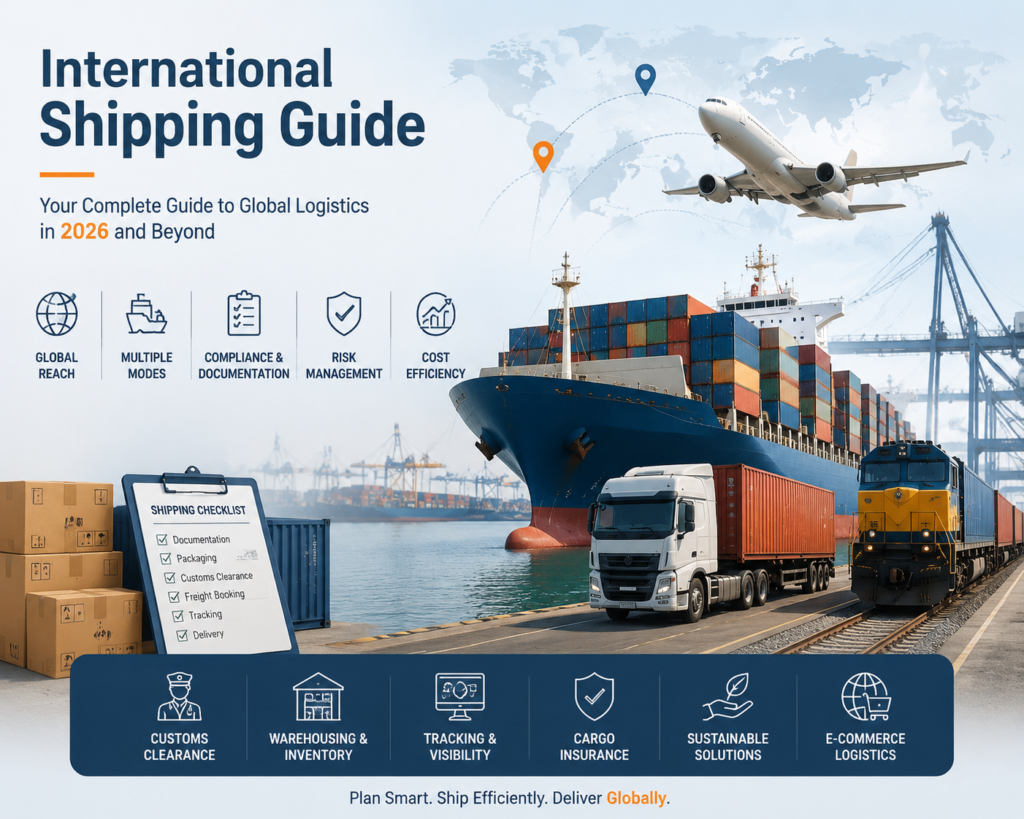
Global trade relies heavily on the efficiency of ocean freight. If you are a business owner or supply chain manager sourcing products from the world’s largest manufacturing hub, understanding exactly how to ship containers overseas is critical to your bottom line. Navigating international logistics, customs clearance, and long-distance ocean transit can seem daunting, but it doesn’t have to be.
At Jazlog, we are a premier China freight forwarder dedicated to bridging the gap between Chinese manufacturers and global markets. Whether you are shipping to the USA, Canada, Australia, the UK, Europe, or Africa, this comprehensive guide will walk you through the essential steps to ensure your cargo arrives safely, on time, and within budget.
Mexico DDP Shipping Guide (Engineering & Procurement Perspective)
1. Introduction to Mexico DDP Shipping
1.1 What DDP Shipping Means in International Trade
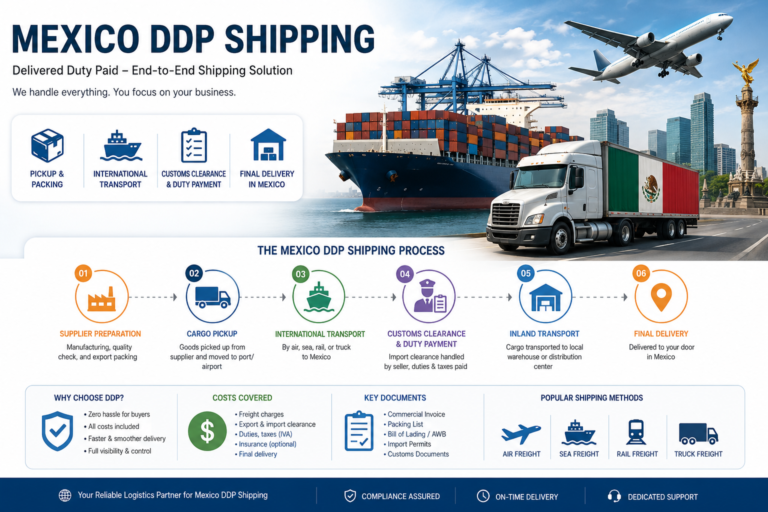
Delivered Duty Paid (DDP) is essentially the “full-system solution” of global logistics, where the seller takes responsibility for transporting goods, clearing customs, paying duties, and delivering the cargo straight to the buyer’s doorstep. In mechanical procurement terms, it resembles a turnkey machine installation—everything is pre-configured, stress-tested, and delivered ready for integration without the buyer wrestling with customs torque curves or tax friction coefficients. It’s clean, structured, and highly controlled, though it requires strong upstream logistics engineering.
1.2 Why Mexico Is a Key Import Market
Mexico sits in a strategic industrial corridor connecting North and South American supply chains, with booming automotive, machinery, and electronics sectors that heavily rely on imported components. From a purchase engineer’s lens, it’s a high-throughput assembly hub where uptime matters more than anything—downtime caused by delayed parts is basically money burning in real time. With nearshoring trends accelerating, Mexico has become a “pressure node” in global supply chain architecture.
1.3 Overview of Mexico DDP Shipping Processes
The process resembles a multi-stage mechanical transmission system: procurement initiation, export consolidation, international freight transfer, customs torque conversion (duties and taxes), and final mile delivery. Each stage must be synchronized like gear meshing—any misalignment leads to vibration in the form of delays, penalties, or cost overruns. In DDP shipping, the seller absorbs the entire operational load, ensuring a smooth output at the delivery shaft.
2. Understanding Incoterms and DDP Responsibilities
2.1 Definition of Delivered Duty Paid (DDP)
Under Incoterms, DDP represents the highest obligation threshold for sellers, where risk and cost are fully transferred only at the destination point. Think of it as a fully assembled gearbox delivered with oil already filled and tested under load conditions—no assembly required on the buyer side. It is the most “engineered” form of trade responsibility allocation.
2.2 Seller Responsibilities Under DDP Terms
The seller is responsible for sourcing, export clearance, international freight coordination, import customs clearance, duty payment, and last-mile logistics. From an engineering procurement standpoint, the seller becomes both OEM and systems integrator, managing a multi-layered supply chain machine. It demands tight process control, redundancy planning, and compliance calibration.
2.3 Buyer Responsibilities in Mexico Imports
The buyer essentially operates in a plug-and-play mode, focusing only on receiving goods and integrating them into production or distribution systems. This reduces operational friction dramatically, like receiving a pre-calibrated servo motor ready for immediate deployment. However, buyers still need to ensure technical specifications, compliance requirements, and demand forecasting are clearly defined.
3. How Mexico DDP Shipping Works Step by Step
3.1 Supplier Preparation and Cargo Pickup
The process begins with manufacturing completion, quality inspection, and export packaging designed to withstand multi-modal stress loads. Cargo pickup is coordinated with precision timing, similar to aligning a crane lift with millimeter-level tolerance. Proper packaging engineering is critical here to avoid micro-failure during transit.
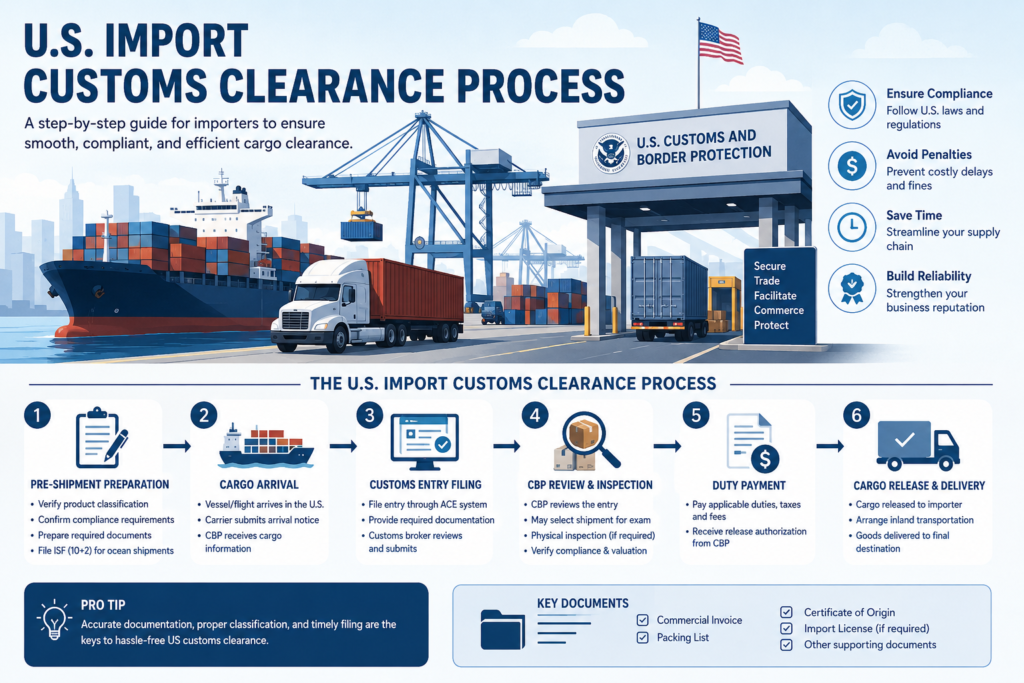
3.2 Customs Clearance and Tax Payment
Once the shipment arrives in Mexico, customs clearance acts like a regulatory gate valve controlling flow resistance. Duties, VAT, and compliance checks are processed by the seller’s logistics operator. Any mismatch in documentation behaves like cavitation in a pump system—small errors can escalate into major flow disruptions.
3.3 Final Delivery to the Customer in Mexico
The final stage is last-mile delivery, where cargo is distributed to warehouses, factories, or distribution centers. In engineering terms, this is the final torque transfer stage where efficiency losses must be minimized. Reliable inland logistics networks ensure stable output delivery without shock loads or delays.
4. Main Advantages of Mexico DDP Shipping
4.1 Simplified Import Procedures for Buyers
DDP eliminates procedural complexity for buyers, effectively removing the need to manage customs bureaucracy or tax calculations. It is equivalent to receiving a fully assembled machine without needing to decode its installation manual in a foreign language. Operational friction drops significantly.
4.2 Predictable Total Landed Costs
From a procurement budgeting perspective, DDP provides a fixed-cost model that improves financial predictability. This is similar to locking in a stable operating curve for a machine under varying load conditions. No hidden torque spikes in the form of surprise customs charges.
4.3 Faster Cross-Border Logistics Coordination
Because the seller controls the entire chain, coordination becomes streamlined and linear rather than fragmented. Communication loops are shorter, decision latency is reduced, and overall supply chain responsiveness improves like upgrading from a manual gearbox to an automated transmission system.
5. Common Challenges in Mexico DDP Shipping
5.1 Customs Delays and Documentation Errors
Even minor discrepancies in invoices or HS codes can cause clearance bottlenecks. It’s like misaligned gear teeth causing system-wide vibration. Documentation precision is non-negotiable in high-efficiency logistics operations.
5.2 Tax Compliance and Regulatory Issues
Mexico’s import regulations require strict adherence to classification and valuation rules. Non-compliance leads to penalties or shipment holds, resembling overload protection tripping in electrical systems. Engineering-grade compliance planning is essential.
5.3 Delivery Risks in Remote Regions
Infrastructure variability outside major industrial hubs can create last-mile inefficiencies. Roads, transit reliability, and warehousing gaps act like uneven load distribution in mechanical systems, requiring buffer design and contingency routing.
6. Mexico Import Regulations and Compliance
6.1 Mexico Customs Rules for Imported Goods
Customs regulations define classification, valuation, and inspection protocols for incoming goods. These rules function like design standards in mechanical engineering—non-negotiable parameters that must be followed precisely to ensure system approval.
6.2 Restricted and Prohibited Products
Certain categories require additional permits or are restricted entirely. Attempting to bypass these restrictions is equivalent to operating machinery outside rated stress limits—risk of system failure is high.
6.3 NOM Certification Requirements
NOM standards ensure product safety and compliance within Mexico. For industrial buyers, this is akin to ISO certification in mechanical manufacturing—mandatory for market entry and operational legitimacy.
7. Essential Documents for Mexico DDP Shipping
7.1 Commercial Invoice and Packing List
These documents define product value, specifications, and packaging structure. They act like technical drawings in mechanical systems—without them, nothing can be validated or processed correctly.
7.2 Bill of Lading or Air Waybill
This is the transport contract and proof of shipment control. It functions like a system serial number, tracking the asset through every operational stage.
7.3 Import Permits and Customs Documents
These approvals ensure regulatory compliance and legal entry into Mexico. Think of them as certification stamps required before a machine can be commissioned on-site.
8. Mexico DDP Shipping Methods
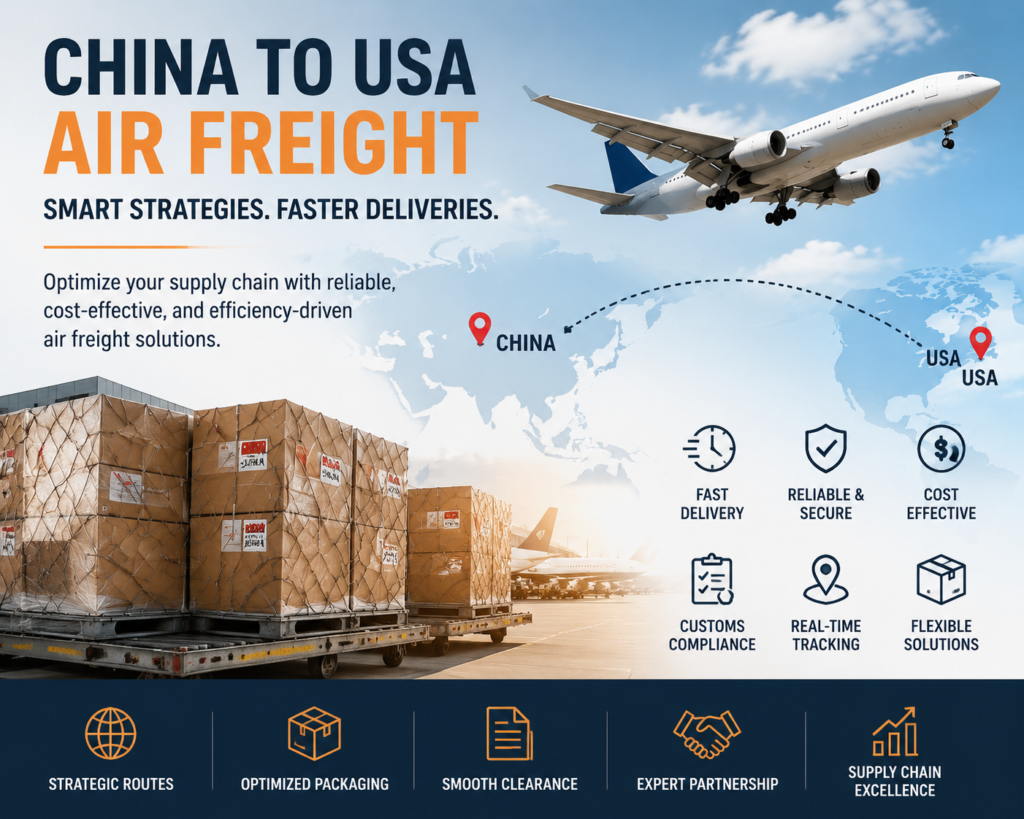
8.1 Air Freight DDP to Mexico
Air freight is the high-speed spindle of logistics—fast, precise, but cost-intensive. Ideal for urgent industrial components or high-value parts where downtime cost exceeds freight cost.
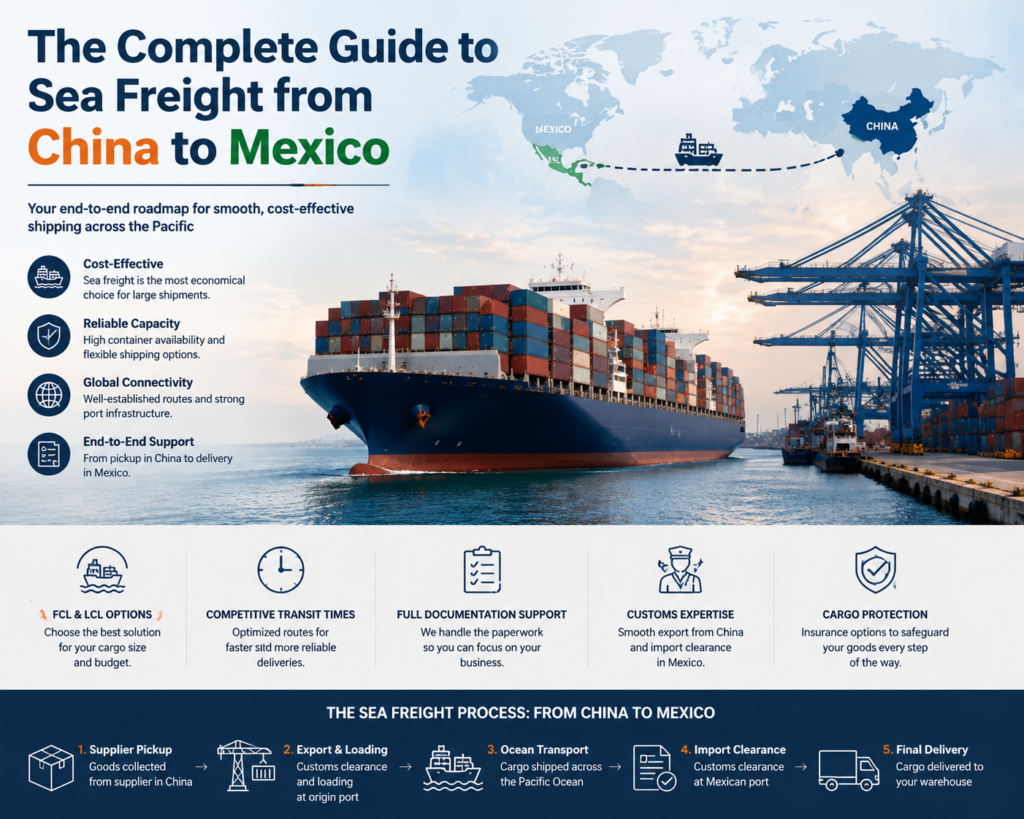
8.2 Sea Freight DDP to Mexico
Sea freight functions like bulk material conveyor systems—slow but highly economical for large-volume shipments. It is the backbone of industrial supply chains.
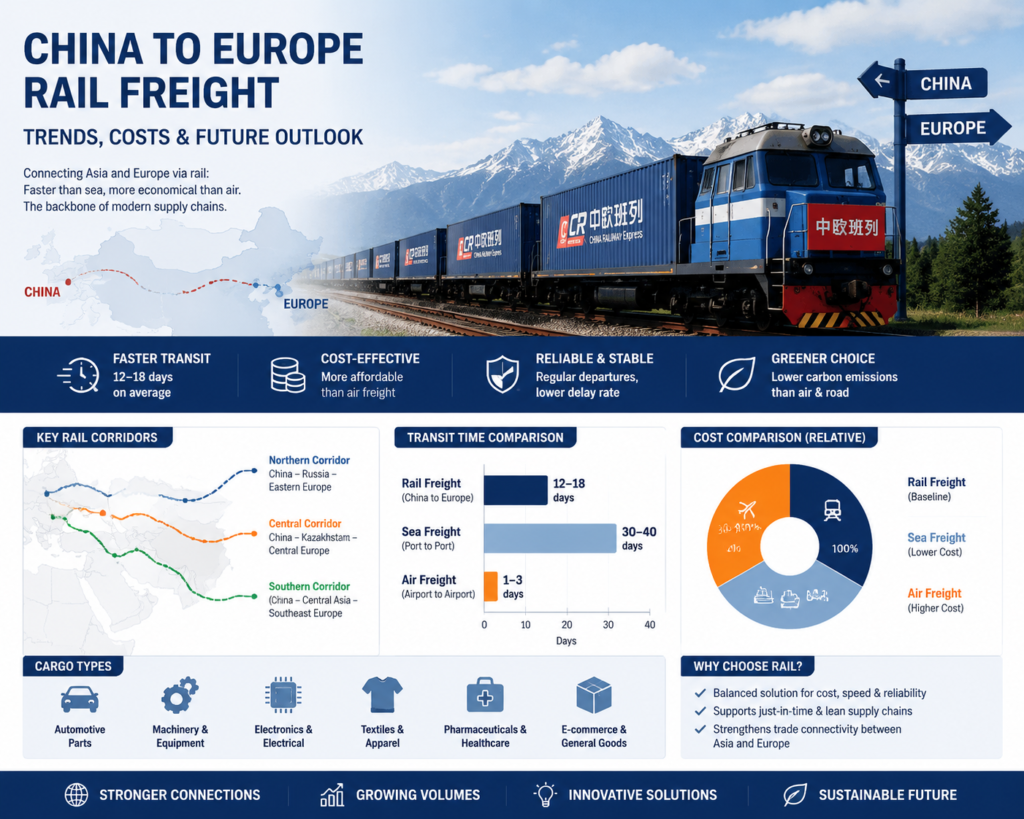
8.3 Rail and Truck Freight Solutions
These are hybrid transport systems acting as the final transfer mechanism between ports and inland destinations. They provide flexibility in distribution networks across Mexico.
9. Shipping from China to Mexico Under DDP Terms
9.1 Popular Shipping Routes and Ports
Major routes typically pass through Pacific gateways into Mexican ports such as Manzanillo or Lázaro Cárdenas, forming critical maritime intake points in global trade systems.
9.2 Transit Time Expectations
Transit varies depending on mode—air freight may take days, while ocean freight can span weeks. Like machining cycles, timing depends on operational parameters and load conditions.
9.3 Typical Industries Using DDP Shipping
Automotive, electronics, machinery, and industrial tooling sectors dominate usage. These industries require just-in-time delivery precision akin to synchronized production lines.
10. Mexico Customs Duties and Tax Structure
10.1 Import Duty Rates in Mexico
Duty rates vary by product classification and trade agreements. From a procurement angle, this acts like variable resistance in an electrical circuit affecting total system output cost.
10.2 VAT and Additional Customs Fees
Value-added tax and administrative fees add layers of cost beyond base duty. These must be integrated into landed cost modeling like secondary load factors in mechanical design.
10.3 How Duties Are Calculated
Duties are calculated based on CIF value, classification codes, and applicable tariffs. Precision in classification is critical—misclassification introduces systemic cost distortion.
11. Cost Breakdown of Mexico DDP Shipping
11.1 Freight Charges and Handling Fees
These include international transport, loading, unloading, and carrier surcharges. Think of them as energy consumption across the logistics drivetrain.
11.2 Customs Brokerage and Clearance Costs
Brokerage services ensure compliance and documentation accuracy. They act like control engineers optimizing system entry into regulated environments.
11.3 Last-Mile Delivery Expenses
Final distribution costs vary based on geography and infrastructure. These represent the torque delivery efficiency of the entire logistics system.
12. Choosing the Right Freight Forwarder for Mexico DDP Shipping
12.1 Experience with Mexico Customs Procedures
Experienced forwarders understand regulatory nuances like seasoned engineers understand machine tolerances under real-world conditions.
12.2 Warehouse and Distribution Capabilities
Strong warehousing infrastructure ensures buffering capacity and demand smoothing, similar to energy storage systems in mechanical operations.
12.3 Customer Support and Shipment Tracking
Real-time communication and tracking systems function like SCADA systems in industrial plants—critical for operational transparency.
13. Packaging and Labeling Requirements
13.1 Secure Packaging for International Transport
Packaging must resist vibration, compression, and humidity exposure, similar to designing a housing for high-precision gear systems under dynamic loads.
13.2 Spanish Labeling Requirements in Mexico
Labeling ensures regulatory clarity and operational traceability within local markets.
13.3 Palletization and Carton Standards
Standardization ensures compatibility with logistics handling systems, like modular components in mechanical assemblies.
14. Mexico DDP Shipping for E-Commerce Businesses
14.1 Cross-Border E-Commerce Opportunities
E-commerce demand is expanding rapidly, creating high-frequency shipment flows resembling automated production lines.
14.2 Small Parcel DDP Shipping Solutions
Small parcel systems prioritize speed and cost efficiency, similar to micro-actuators in precision engineering systems.
14.3 Managing Returns and Reverse Logistics
Reverse logistics acts like system feedback loops, essential for maintaining equilibrium in supply chain performance.
15. Risk Management in Mexico DDP Shipping
15.1 Cargo Insurance Options
Insurance functions as structural reinforcement against unpredictable system failures.
15.2 Preventing Customs Clearance Problems
Proactive documentation control reduces friction like lubrication reduces mechanical wear.
15.3 Managing Delivery Delays and Claims
Delay mitigation requires contingency planning akin to redundant system design in critical machinery.
16. Warehouse and Distribution Solutions in Mexico
16.1 Bonded Warehousing Services
Bonded warehouses act as controlled environments for deferred duty payment, similar to buffer storage in manufacturing systems.
16.2 Local Fulfillment and Inventory Management
Local inventory optimization reduces latency and improves responsiveness.
16.3 Distribution to Major Mexico Cities
Distribution networks function like multi-output transmission systems delivering goods across varied load zones.
17. Technology and Tracking in DDP Logistics
17.1 Real-Time Shipment Visibility
Tracking systems provide continuous monitoring like sensors embedded in smart mechanical systems.
17.2 Digital Customs Documentation Systems
Digitalization reduces human error and accelerates clearance cycles.
17.3 Automation in International Freight Operations
Automation enhances throughput efficiency and reduces operational variance.
18. Comparing DDP with Other Shipping Terms
18.1 DDP vs DAP Shipping
DDP includes duty responsibility while DAP shifts that burden to the buyer, altering cost distribution dynamics.
18.2 DDP vs CIF Shipping
CIF covers cost, insurance, and freight but not import duties, creating different risk transfer boundaries.
18.3 Best Scenarios for Using DDP Terms
DDP is ideal for buyers prioritizing simplicity and predictable landed cost structures.
19. Best Practices for Successful Mexico DDP Shipping
19.1 Preparing Accurate Shipping Documentation
Precision documentation prevents downstream system failures.
19.2 Partnering with Reliable Logistics Providers
Trusted partners function like high-precision suppliers in a mechanical ecosystem.
19.3 Planning for Seasonal Shipping Demand
Demand forecasting ensures system stability under load fluctuations.
20. Future Trends in Mexico DDP Shipping
20.1 Growth of Nearshoring and Manufacturing
Nearshoring is reshaping global supply chains into shorter, more responsive loops.
20.2 Increasing Cross-Border Trade Between China and Mexico
Trade volume growth intensifies logistics demand and system complexity.
20.3 Digital Transformation in Customs and Logistics
Digital systems are replacing manual processes, increasing efficiency and reducing friction losses.
21. Frequently Asked Questions About Mexico DDP Shipping
21.1 How Long Does Mexico DDP Shipping Take
Transit time depends on freight mode, customs efficiency, and inland distribution networks.
21.2 What Products Are Difficult to Ship Under DDP
Regulated goods require additional compliance layers and certifications.
21.3 How to Reduce Mexico DDP Shipping Costs
Cost optimization requires route engineering, consolidation strategies, and tariff classification accuracy.
22. Conclusion
22.1 Key Takeaways for Importers and Exporters
DDP shipping offers a structured, low-friction logistics framework for industrial supply chains.
22.2 Importance of Compliance and Logistics Planning
Regulatory alignment ensures system stability and uninterrupted flow.
22.3 Final Recommendations for Smooth Mexico DDP Shipping
Strategic planning, strong logistics partnerships, and precise documentation engineering ensure optimal performance across the entire supply chain.
Ready to Ship Your Containers Overseas?
Figuring out how to ship containers overseas doesn’t have to be a barrier to your business growth. By understanding your cargo needs, choosing the right Incoterms, and partnering with an experienced logistics provider, you can streamline your entire supply chain.
At Jazlog, we are more than just a vendor; we are your strategic logistics partner in China. Whether you need standard FCL/LCL shipping, complex dangerous goods handling, or a completely hands-off DDP solution, our team is ready to deliver.