
mark
A Comprehensive Guide to the U.S. Import Customs Clearance Proces
Navigating the intricate landscape of international trade requires more than simply arranging transportation and paying suppliers. For manufacturers, procurement managers, industrial distributors, and mechanical engineers sourcing overseas components, understanding US customs clearance is absolutely essential for maintaining uninterrupted supply chain continuity.
From industrial gearboxes and precision-machined shafts to electronic assemblies and raw materials, every imported shipment entering the United States must satisfy a multifaceted compliance framework governed by federal agencies and customs authorities.
1. Introduction to US Customs Clearance
1.1 What US Customs Clearance Means for Importers
US customs clearance refers to the official process through which imported cargo is reviewed, documented, inspected, and approved by U.S. Customs authorities before entering domestic commerce. This process ensures imported products comply with legal regulations, tariff obligations, safety requirements, and national security standards.
For industrial importers, customs clearance directly affects production schedules, inventory management, procurement forecasting, and customer delivery commitments. One delayed shipment can ripple through an entire manufacturing operation like a misaligned bearing causing vibration throughout a drivetrain assembly.
In practical business environments, customs clearance is not merely administrative paperwork. It is a strategic operational function that influences landed costs, profitability, and supply chain resilience.
1.2 Why Customs Compliance Matters in International Trade
Customs compliance ensures that international trade activities remain lawful, transparent, and operationally secure. Governments enforce customs regulations to collect duties, prevent counterfeit goods, protect domestic industries, and maintain border security.
For importers, non-compliance can trigger cargo inspections, shipment holds, financial penalties, delayed deliveries, and reputational damage. As logistics professionals often say, “Small paperwork mistakes can create big warehouse headaches.”
Companies maintaining strong compliance practices typically experience smoother cargo releases and lower inspection frequencies. In industrial procurement sectors where timing is everything, efficient compliance becomes a competitive advantage.
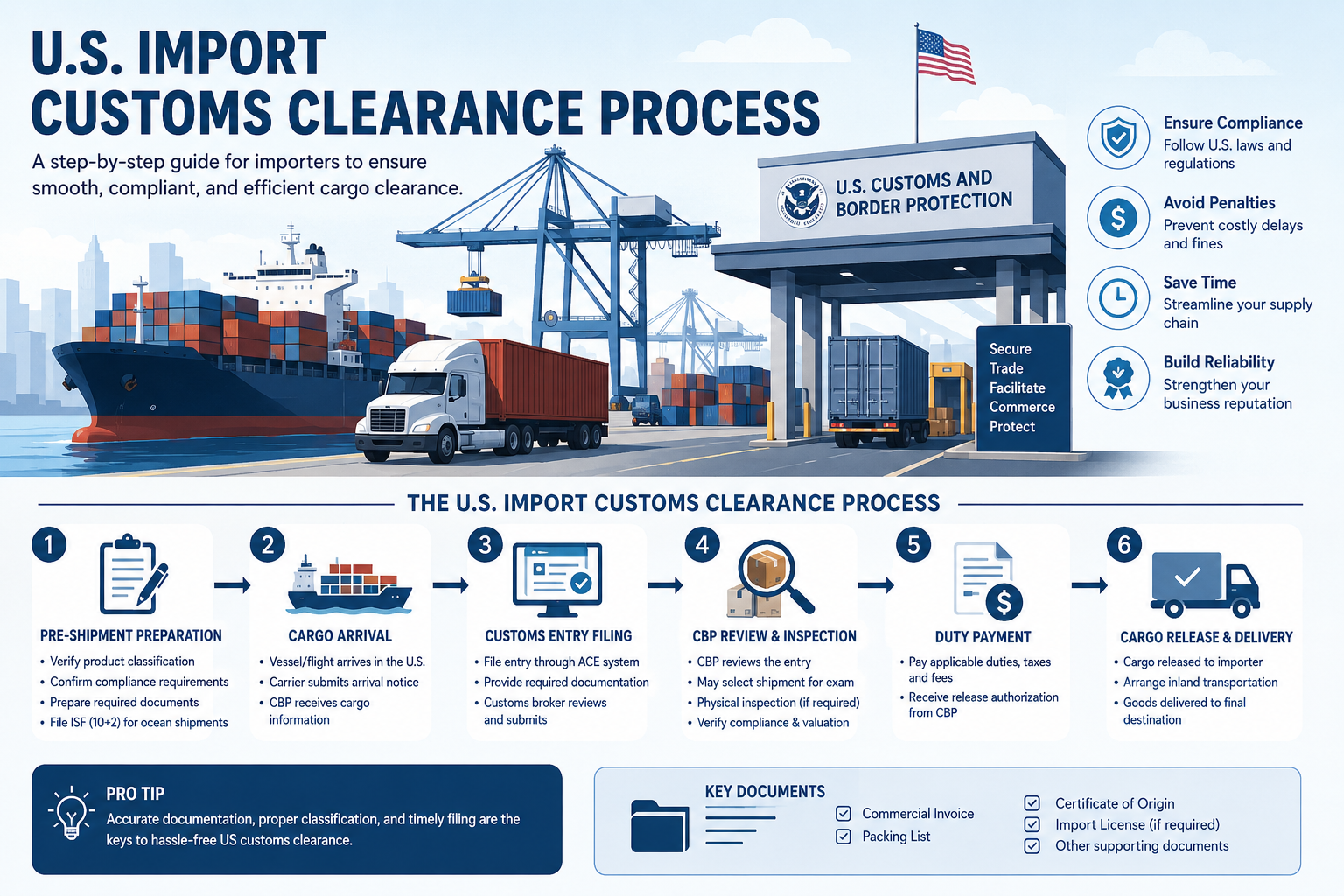
1.3 Overview of the U.S. Import Entry Process
The import entry process begins before cargo even departs the exporting country. Importers must prepare commercial invoices, packing lists, HTS classifications, customs bonds, and transportation documentation.
Upon cargo arrival at a U.S. port, Customs and Border Protection (CBP) reviews shipment declarations, evaluates risk factors, verifies classifications, and determines applicable duties and taxes.
Once customs approval is granted and duties are paid, the shipment receives release authorization for domestic transportation and final delivery.
2. Understanding the Role of U.S. Customs Authorities
2.1 The Responsibilities of CBP (Customs and Border Protection)
U.S. Customs and Border Protection (CBP) serves as the primary federal agency responsible for overseeing imports entering the United States.
CBP responsibilities include:
- Collecting import duties and taxes
- Enforcing trade regulations
- Preventing counterfeit imports
- Protecting intellectual property rights
- Conducting inspections and cargo examinations
- Maintaining border security
CBP utilizes sophisticated risk assessment systems, cargo screening technologies, and data analytics to identify high-risk shipments.
2.2 How Government Agencies Regulate Imported Goods
Numerous federal agencies participate in import regulation depending on product categories.
- FDA regulates food, pharmaceuticals, cosmetics, and medical devices.
- FCC oversees electronic communication devices.
- EPA monitors environmentally sensitive products.
- USDA regulates agricultural imports.
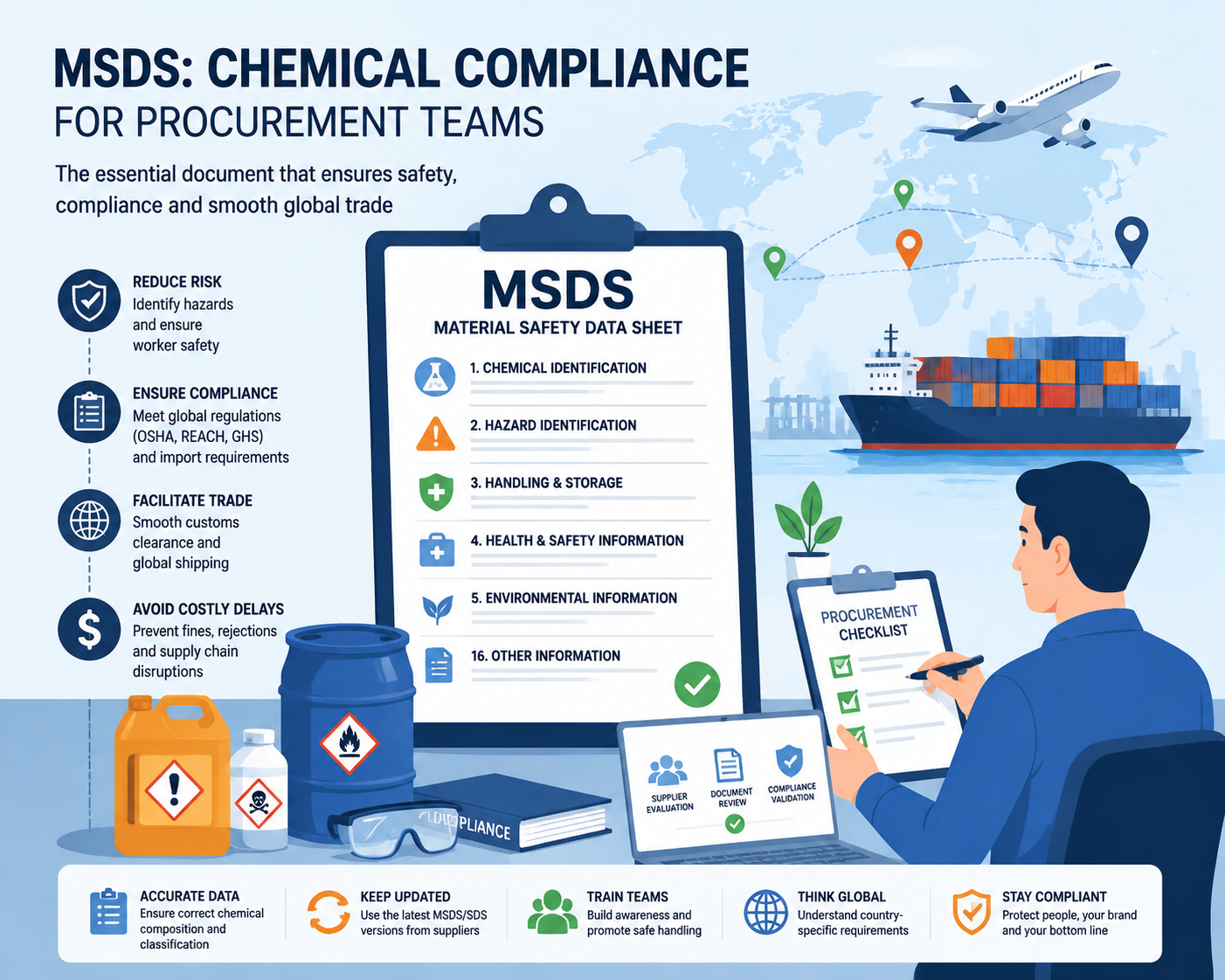
Industrial machinery, automation equipment, and engineered products may also require safety certifications or hazardous material declarations depending on their application.
2.3 The Importance of Border Security and Trade Enforcement
Trade enforcement mechanisms protect domestic markets against unsafe products, unfair pricing practices, and counterfeit merchandise.
Without these controls, low-quality or illegally subsidized imports could undermine domestic manufacturing sectors and compromise operational safety standards.
Reliable supplier verification therefore becomes critically important for procurement engineers and sourcing managers.
3. Key Terminology in US Customs Clearance
3.1 Customs Bond Explained
A customs bond functions as a financial guarantee ensuring importers fulfill their obligations regarding duty payments and regulatory compliance.
There are two primary bond types:
- Single Entry Bond — Covers one shipment only.
- Continuous Bond — Covers multiple shipments over a one-year period.
Frequent importers generally prefer continuous bonds due to operational efficiency and administrative simplicity.
3.2 Harmonized Tariff Schedule (HTS) Codes
HTS codes classify imported products according to internationally standardized nomenclature systems. These classifications determine applicable duty rates and regulatory requirements.
Industrial products often involve highly technical classifications requiring detailed engineering analysis.
Additional information regarding the Harmonized System can be found on Wikipedia’s Harmonized System page.
3.3 Duties, Taxes, and Merchandise Processing Fees
Importers may encounter several cost categories during customs clearance:
- Import duties
- Merchandise Processing Fees (MPF)
- Harbor Maintenance Fees (HMF)
- Anti-dumping duties
- Countervailing duties
Understanding these expenses is essential for accurate landed cost calculations and procurement budgeting.
4. Types of Imports Entering the United States
4.1 Commercial Imports vs. Personal Shipments
Commercial imports involve goods intended for manufacturing, resale, or operational use, while personal imports are intended for individual consumption.
Commercial shipments typically require more extensive documentation and compliance verification procedures.
4.2 Temporary Imports and Bonded Shipments
Temporary imports are products entering the U.S. for exhibitions, testing, repair, or demonstrations before re-exportation.
Bonded shipments remain under customs supervision until duties are paid or cargo exits the country.
4.3 Restricted and Regulated Products
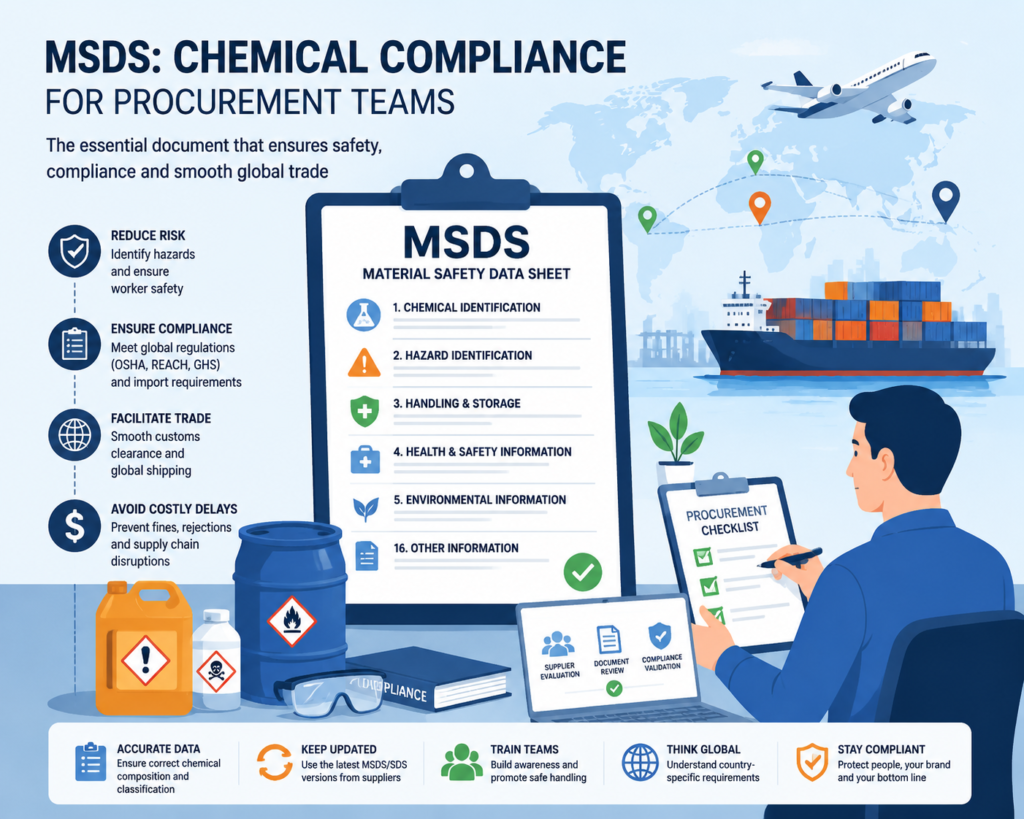
Certain products require special permits or certifications before importation, including:
- Chemicals
- Medical devices
- Defense equipment
- Electronics
- Agricultural products
5. Preparing Before Shipping Goods to the USA
5.1 Supplier Documentation Requirements
Importers should ensure suppliers provide:
- Commercial invoices
- Packing lists
- Certificates of origin
- Technical specifications
- Compliance certifications
Accurate documentation minimizes clearance delays and inspection risks.
5.2 Verifying Product Compliance Standards
Before shipment departure, importers should verify applicable regulatory standards and labeling requirements.
Skipping this step is like assembling industrial machinery without checking tolerances first — eventually something binds up.
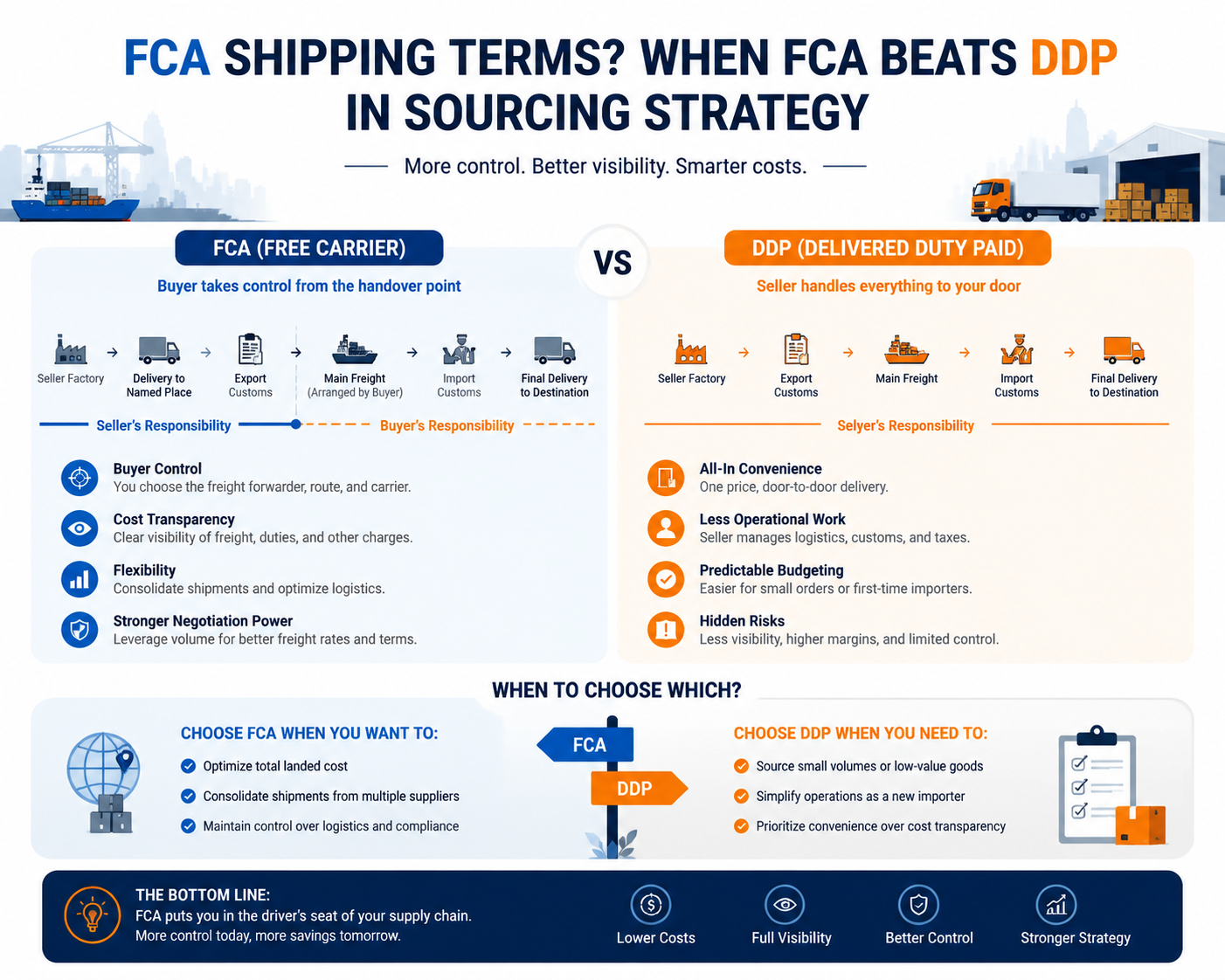
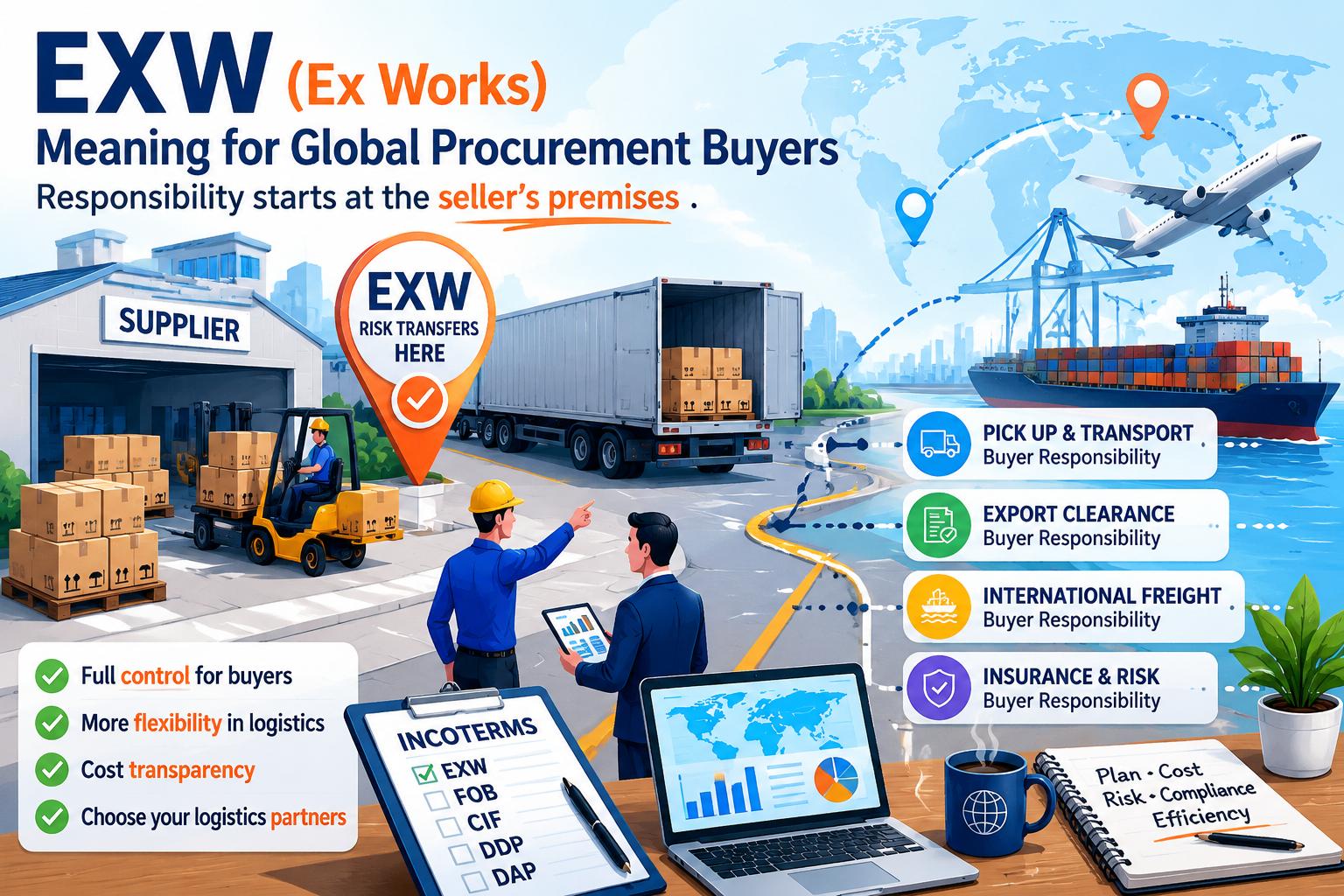
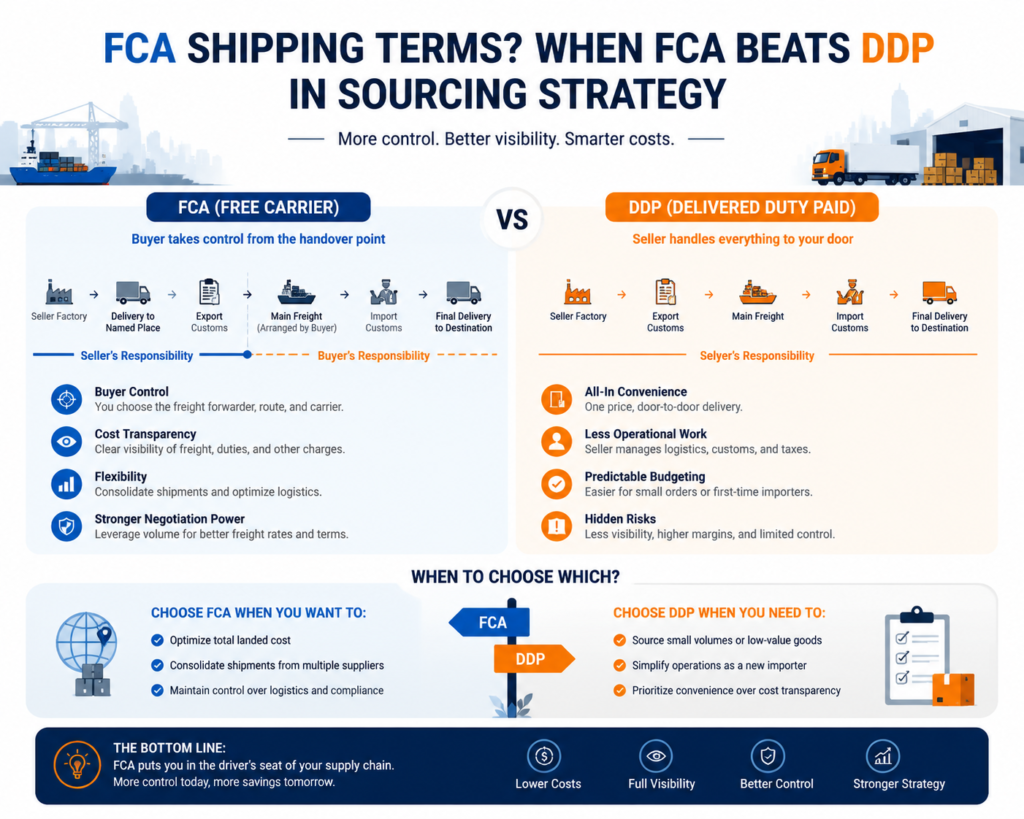
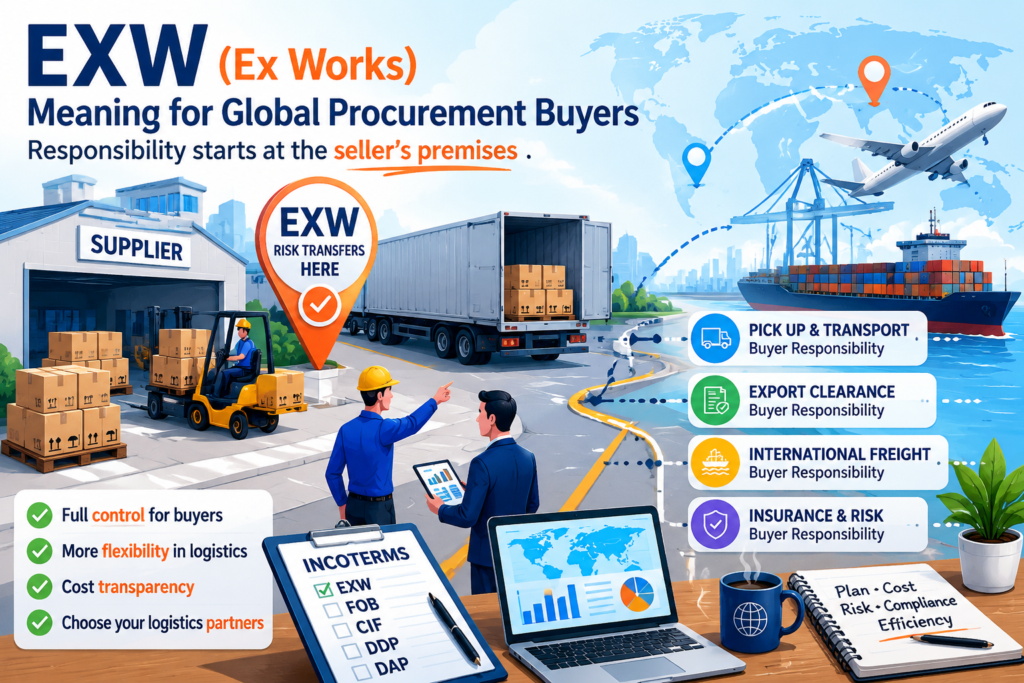
5.3 Choosing the Right Shipping Terms (Incoterms)
Incoterms define transportation responsibilities, insurance obligations, and risk transfer points between buyers and sellers.
Common Incoterms include:
- FOB
- CIF
- DDP
- EXW
6. Essential Documents Required for US Customs Clearance
6.1 Commercial Invoice Requirements
Commercial invoices should include:
- Product descriptions
- Declared values
- Country of origin
- Buyer and seller information
- Currency terms
6.2 Packing List and Bill of Lading
Packing lists provide cargo details and packaging quantities, while bills of lading establish transportation contracts between carriers and shippers.
6.3 Arrival Notice and Importer Security Filing
Arrival notices inform importers about incoming shipments, while ISF filings provide advance shipment data to customs authorities.
7. Understanding HTS Codes and Product Classification
7.1 How HTS Codes Affect Import Duties
Duty rates vary according to HTS classifications, making accurate coding essential for cost forecasting.
7.2 Common Classification Mistakes
Typical errors include:
- Incorrect material identification
- Improper product descriptions
- Misunderstanding intended product use
7.3 Tips for Accurate Product Categorization
Engineering drawings, technical specifications, and material certifications improve classification accuracy.
8. Duties, Taxes, and Import Fees
8.1 Calculating Import Duties
Import duties are generally based on customs value, HTS code, and country of origin.
8.2 Anti-Dumping and Countervailing Duties
Anti-dumping duties protect domestic industries from unfairly low-priced imports.
Countervailing duties offset foreign government subsidies.
8.3 Additional Fees Importers Should Expect
Additional costs may include:
- Port storage fees
- Demurrage charges
- Container detention fees
- Inspection costs
9. Customs Bonds and Why They Matter
9.1 Single Entry Bond vs. Continuous Bond
Single-entry bonds work well for infrequent importers, while continuous bonds suit ongoing commercial operations.
9.2 When a Customs Bond Is Required
CBP generally requires customs bonds for commercial imports exceeding designated value thresholds.
9.3 How Bond Costs Are Calculated
Bond pricing depends on shipment value, duty exposure, importer history, and transaction volume.
10. Step-by-Step US Customs Clearance Process
10.1 Cargo Arrival and Customs Notification
Upon cargo arrival, carriers submit shipment manifests and arrival notices to CBP.
10.2 Customs Entry Filing Procedures
Importers or customs brokers electronically file entry documents through CBP systems.
10.3 Cargo Release and Final Delivery
After duties are paid and compliance verified, cargo receives release authorization for inland transportation.
11. The Role of Customs Brokers in Import Clearance
11.1 What Customs Brokers Actually Do
Customs brokers manage entry filing, duty calculation, compliance verification, and customs communication.
11.2 Benefits of Hiring a Licensed Broker
Experienced brokers reduce delays, improve compliance accuracy, and streamline clearance procedures.
11.3 How to Choose the Right Customs Broker
Importers should evaluate licensing credentials, industry expertise, responsiveness, and technical competency.
12. Importer Security Filing (ISF) Requirements
12.1 What Is ISF 10+2
ISF 10+2 requires advance cargo information submission before ocean shipments depart foreign ports.
12.2 Filing Deadlines and Compliance Rules
Filings generally must occur at least 24 hours before vessel loading.
12.3 Penalties for Incorrect ISF Submission
Late or inaccurate filings may result in fines, inspections, and shipment delays.
13. Customs Exams and Inspections
13.1 Types of Customs Inspections
Inspections may include:
- X-ray examinations
- Tailgate inspections
- Intensive physical examinations
13.2 Reasons Shipments Get Flagged
Customs may flag shipments due to incomplete paperwork, inconsistent declarations, or elevated risk indicators.
13.3 How Inspections Impact Delivery Timelines
Inspections can significantly delay cargo release and increase warehousing costs.
14. Common US Customs Clearance Delays
14.1 Missing or Incorrect Documentation
Documentation errors remain one of the most common causes of customs delays.
14.2 Product Labeling and Compliance Problems
Improper labeling or missing certifications can result in shipment detention.
14.3 Payment and Duty-Related Issues
Late duty payments or insufficient bond coverage can delay cargo release.
15. Special Regulations for Certain Imported Goods
15.1 FDA-Regulated Products
FDA-regulated products include food items, pharmaceuticals, cosmetics, and medical equipment.
15.2 Electronics and FCC Compliance
Electronic products often require FCC certifications demonstrating electromagnetic compliance.
15.3 Agricultural and Food Product Restrictions
Agricultural products require phytosanitary documentation and inspection approvals.
16. Import Compliance and Recordkeeping Requirements
16.1 Required Import Documentation Retention Periods
CBP requires importers to retain records for several years following entry.
16.2 Maintaining Audit-Ready Import Records
Digital recordkeeping systems improve compliance visibility and retrieval efficiency.
16.3 Avoiding Customs Compliance Violations
Routine compliance audits and supplier verification procedures reduce operational risk.
17. Technology and Automation in Customs Clearance
17.1 Automated Commercial Environment (ACE) System
The ACE platform enables electronic trade data submission and customs communication.
17.2 Digital Documentation Management
Digital workflows improve efficiency and minimize manual entry errors.
17.3 AI and Automation Trends in Global Trade
Artificial intelligence increasingly supports risk analysis, shipment tracking, and classification management.
18. Cost-Saving Strategies for Importers
18.1 Reducing Duty Exposure Legally
Tariff engineering and free trade agreement utilization can reduce duty obligations legally.
18.2 Using Free Trade Agreements Effectively
Proper origin documentation helps importers qualify for preferential duty rates.
18.3 Improving Supply Chain Efficiency
Efficient logistics coordination minimizes storage costs, delays, and operational disruptions.
19. Common Mistakes Importers Should Avoid
19.1 Incorrect Product Valuation
Improper valuation declarations can trigger audits and financial penalties.
19.2 Misclassification of Goods
Incorrect HTS classifications remain among the most frequent customs violations.
19.3 Failing to Understand Import Regulations
Lack of regulatory knowledge often leads to preventable compliance problems.
20. Best Practices for Smooth US Customs Clearance
20.1 Building Strong Supplier Communication
Consistent communication improves documentation accuracy and shipment reliability.
20.2 Working Closely With Freight Forwarders and Brokers
Strong logistics partnerships improve visibility and issue resolution speed.
20.3 Creating a Reliable Import Compliance Checklist
Structured compliance procedures help standardize import operations.
21. Future Trends in US Customs Clearance
21.1 Evolving Trade Policies and Tariffs
Trade regulations continue evolving in response to economic and geopolitical changes.
21.2 Sustainability and Supply Chain Transparency
Environmental accountability and ethical sourcing are becoming increasingly important.
21.3 The Growing Impact of E-Commerce Imports
Cross-border e-commerce growth continues reshaping customs processing frameworks.
22. Conclusion
22.1 Key Takeaways for Importers
Successful US customs clearance depends on preparation, compliance accuracy, and supplier coordination.
22.2 How Proper Planning Reduces Customs Risks
Strategic planning reduces delays, minimizes costs, and strengthens supply chain reliability.
22.3 Final Thoughts on Efficient US Customs Clearance
In modern industrial procurement environments, efficient US customs clearance has evolved into a strategic business competency directly influencing profitability, operational continuity, and customer satisfaction.
Organizations investing in compliance expertise, documentation accuracy, and supply chain visibility position themselves for sustainable long-term success within increasingly complex global trade ecosystems.
External Resources
```