
mark
Europe Import Compliance Handbook for Cross-Border Trade
Europe Import Compliance in Modern Global Trade
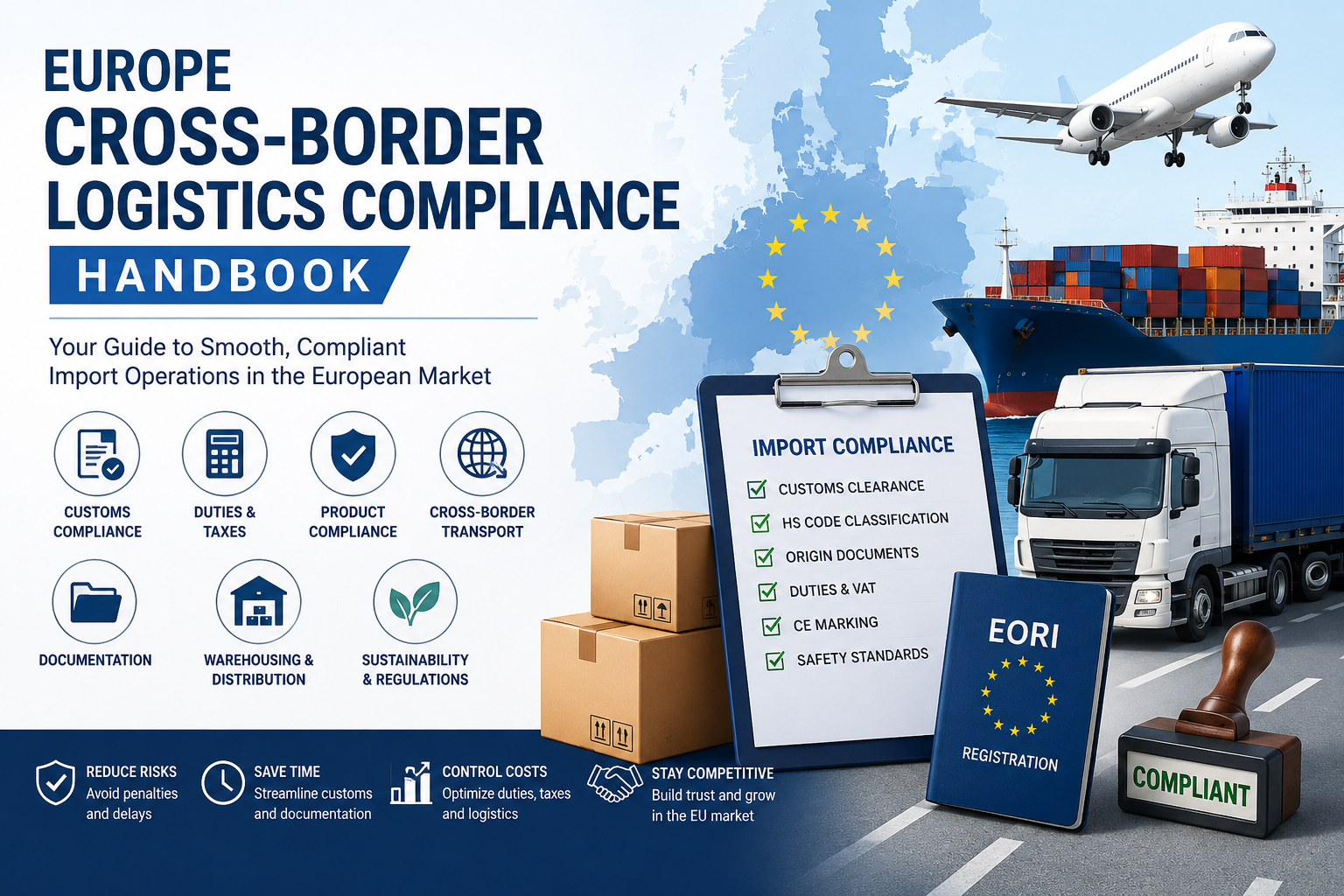
European trade corridors remain among the most lucrative yet regulation-intensive commercial environments in the world. For procurement engineers, sourcing directors, freight managers, and B2B importers, understanding Europe import compliance is no longer a bureaucratic side quest buried somewhere between customs paperwork and freight booking. It has become a strategic discipline that directly affects landed cost, delivery lead time, customer satisfaction, and even corporate reputation.
One missing declaration, one inaccurate HS code, or one overlooked CE requirement can snowball into customs detention, punitive fines, or inventory paralysis. In plain English, the whole shipment can get stuck in limbo while everyone starts pointing fingers. That’s the sort of headache no purchasing department wants on a Monday morning.
This handbook explores the regulatory intricacies, operational obligations, and tactical considerations surrounding Europe import compliance across logistics, customs, taxation, transportation, and product conformity.
1. Introduction to Europe Cross-Border Logistics Compliance
1.1 What Europe Import Compliance Means for Global Trade
Europe import compliance refers to the collective regulatory obligations governing goods entering the European Union and associated markets. These obligations encompass customs declarations, tariff classifications, VAT procedures, product certifications, environmental directives, transportation standards, and supply chain traceability.
From a procurement engineering perspective, compliance is not merely an administrative appendage. It functions as a commercial safeguard that ensures imported products can legally circulate within the European market ecosystem.
Global manufacturers supplying industrial machinery, automotive components, electronics, lithium batteries, textiles, or consumer goods must align their operational procedures with EU legislation before cargo even leaves the origin port. Otherwise, things can go sideways pretty fast.
1.2 Why Compliance Matters in Modern Supply Chains
Modern supply chains are hyperconnected, digitized, and increasingly scrutinized by regulatory authorities. European customs agencies now employ sophisticated risk assessment algorithms capable of identifying irregularities in shipment valuation, product origin, and documentation consistency.
For importers, non-compliance creates several operational hazards:
- Customs delays
- Demurrage and detention charges
- VAT disputes
- Product recalls
- Market access restrictions
- Reputational damage
In highly competitive industries where procurement cycles are measured in days rather than weeks, a delayed shipment can disrupt production schedules and contractual obligations. Nobody wants the factory floor standing idle because a customs declaration had the wrong commodity code.
1.3 Common Compliance Risks for International Shippers
International shippers frequently encounter compliance failures due to fragmented communication between suppliers, freight forwarders, customs brokers, and end buyers.
Common risks include:
- Incorrect HS classifications
- Incomplete invoices
- Missing CE documentation
- Improper Incoterm allocation
- Under-declared customs value
- Failure to register EORI numbers
- Inaccurate origin declarations
These issues may appear trivial during shipment preparation, yet European authorities interpret them with considerable severity.
2. Overview of the European Import Regulatory Framework
2.1 Key EU Trade and Customs Regulations
The European Union operates under a harmonized customs structure primarily governed by the Union Customs Code (UCC). This framework standardizes customs procedures throughout member states.
Several regulatory pillars dominate Europe import compliance:
- Union Customs Code (UCC)
- REACH Regulation
- CE Marking Directives
- VAT Directives
- Import Control System 2 (ICS2)
- Environmental compliance legislation
Each regulation imposes unique obligations depending on product category, transportation mode, and country of origin.
2.2 The Role of EU Member States in Enforcement
Although the EU establishes overarching customs regulations, individual member states maintain localized enforcement practices. Germany, the Netherlands, France, Italy, and Poland may interpret inspection intensity differently.
For example, customs scrutiny in Rotterdam may differ substantially from procedures in Southern European ports. Procurement managers often discover that operational flexibility varies by entry point, which is why experienced importers strategically select ports with efficient clearance ecosystems.
2.3 Differences Between EU-Wide and Local Compliance Rules
EU-wide legislation provides harmonization, but local administrative nuances still exist.
Examples include:
- National VAT registration procedures
- Local environmental taxes
- Packaging recycling obligations
- Product labeling language requirements
That’s where things get a little “fun,” as logistics veterans like to joke. One shipment can comply perfectly at EU level while simultaneously violating a country-specific packaging rule.
3. Understanding the EU Customs Union
3.1 How the EU Customs Union Operates
The EU Customs Union allows goods legally imported into one member state to circulate freely throughout the union without additional customs duties.
Once customs clearance is completed in the first entry country, products generally move within the EU single market under simplified procedures.
This structure creates substantial efficiency for distributors operating pan-European supply chains.
3.2 Benefits and Challenges for Importers
Benefits include:
- Elimination of internal customs borders
- Simplified regional distribution
- Harmonized tariffs
- Streamlined trade procedures
However, importers still face complexities involving VAT obligations, documentation consistency, and varying enforcement standards.
A shipment cleared in Belgium may still trigger downstream compliance reviews in Germany if inconsistencies emerge during distribution audits.
3.3 Customs Procedures Across European Borders
Customs procedures typically involve:
- Cargo arrival notification
- Entry summary declaration
- Customs declaration submission
- Duty and VAT assessment
- Inspection if required
- Cargo release
Digital customs integration has accelerated processing speed, but documentation accuracy remains paramount.
4. Essential Import Documentation Requirements
4.1 Commercial Invoices and Packing Lists
Commercial invoices form the cornerstone of Europe import compliance. They must accurately describe:
- Product specifications
- Quantity
- Unit price
- Incoterms
- Origin country
- HS codes
Packing lists must align precisely with shipment contents. Customs officers dislike discrepancies, and frankly, they spot inconsistencies faster than many importers expect.
4.2 Certificates of Origin and Compliance Documents
Certificates of origin determine tariff eligibility under trade agreements.
Additional compliance documents may include:
- CE declarations
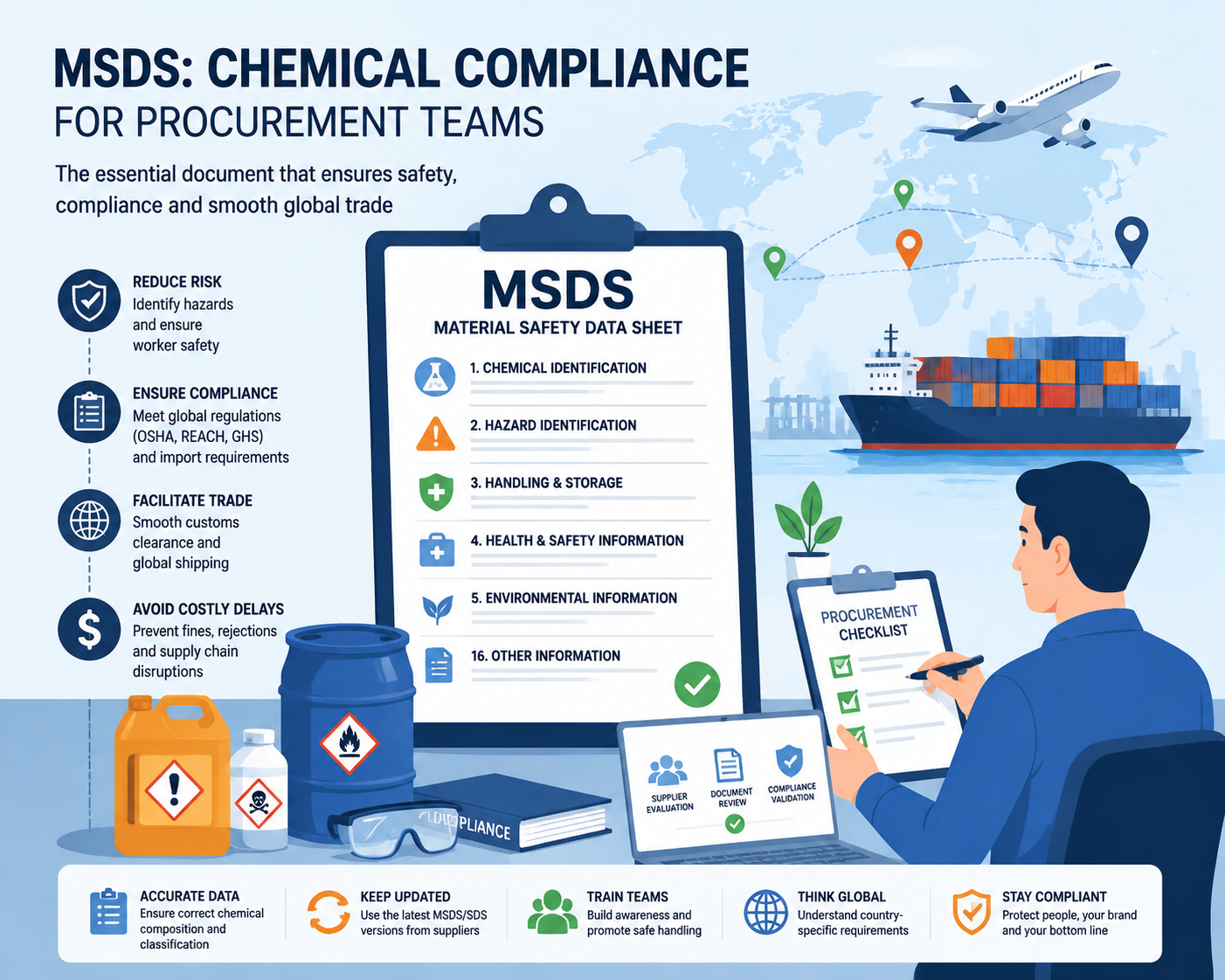
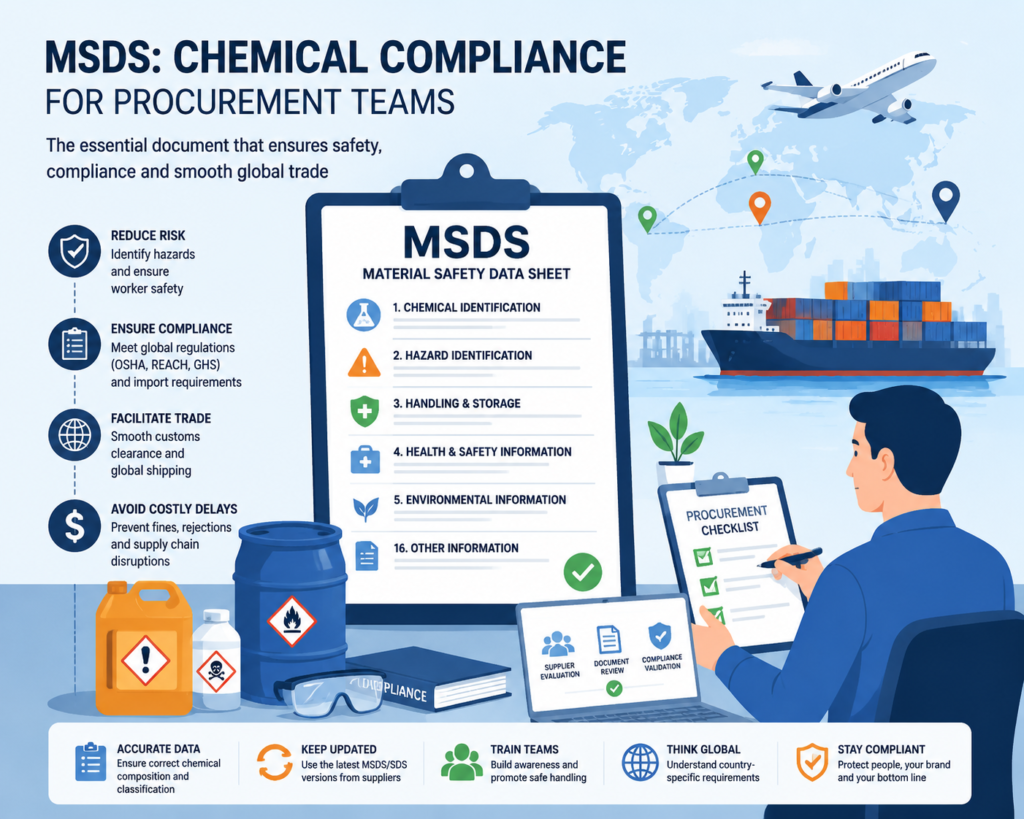
- Material safety data sheets
- Test reports
- REACH declarations
- RoHS certificates
Industrial buyers increasingly demand these documents before purchase orders are finalized.
4.3 Bill of Lading, Air Waybill, and Transport Records
Transportation records establish cargo custody and routing history.
Key transport documents include:
- Ocean Bill of Lading
- Air Waybill
- CMR road transport document
- Rail consignment notes
Incomplete transport records can create customs ambiguity and shipment detention risks.
5. HS Codes and Product Classification
5.1 How HS Codes Impact Europe Import Compliance
HS codes determine:
- Import duty rates
- Product restrictions
- Licensing requirements
- VAT applicability
An inaccurate classification can trigger retroactive tax assessments and compliance investigations.
5.2 Common Product Classification Errors
Frequent mistakes include:
- Using outdated tariff codes
- Misclassifying multifunctional products
- Applying supplier assumptions without verification
Many importers simply copy previous declarations and hope for the best. That gamble occasionally turns into a very expensive lesson.
5.3 Best Practices for Accurate Tariff Coding
Best practices include:
- Conducting classification reviews
- Consulting customs experts
- Maintaining classification databases
- Auditing supplier declarations regularly
Engineering teams should collaborate closely with customs personnel when products involve technical complexity.
6. EU Import Duties, VAT, and Tax Regulations
6.1 Calculating Import Duties Correctly
Import duties depend on:
- Customs value
- Freight cost
- Insurance value
- Product classification
- Country of origin
Errors in customs valuation frequently attract audits.
6.2 Understanding EU VAT Requirements
VAT obligations vary across Europe but remain central to Europe import compliance.
Importers must understand:
- VAT registration thresholds
- Reverse charge mechanisms
- Deferred VAT procedures
- Fiscal representation obligations
6.3 Deferred VAT and Fiscal Representation Options
Deferred VAT schemes improve cash flow by postponing tax payment obligations.
Fiscal representatives may also be required for non-EU importers operating within certain jurisdictions.
7. Incoterms and Their Compliance Impact
7.1 Key Incoterms Used in European Trade
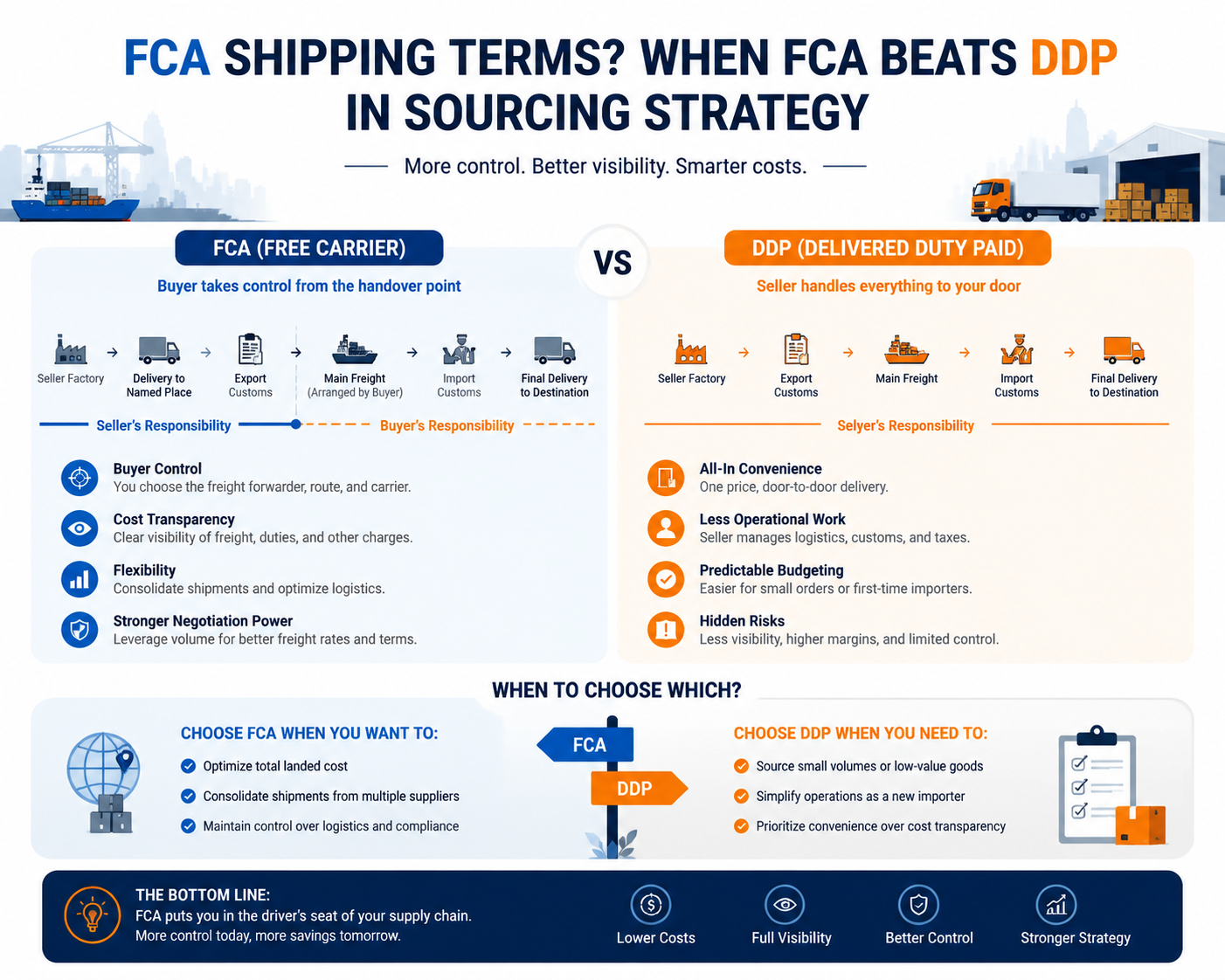
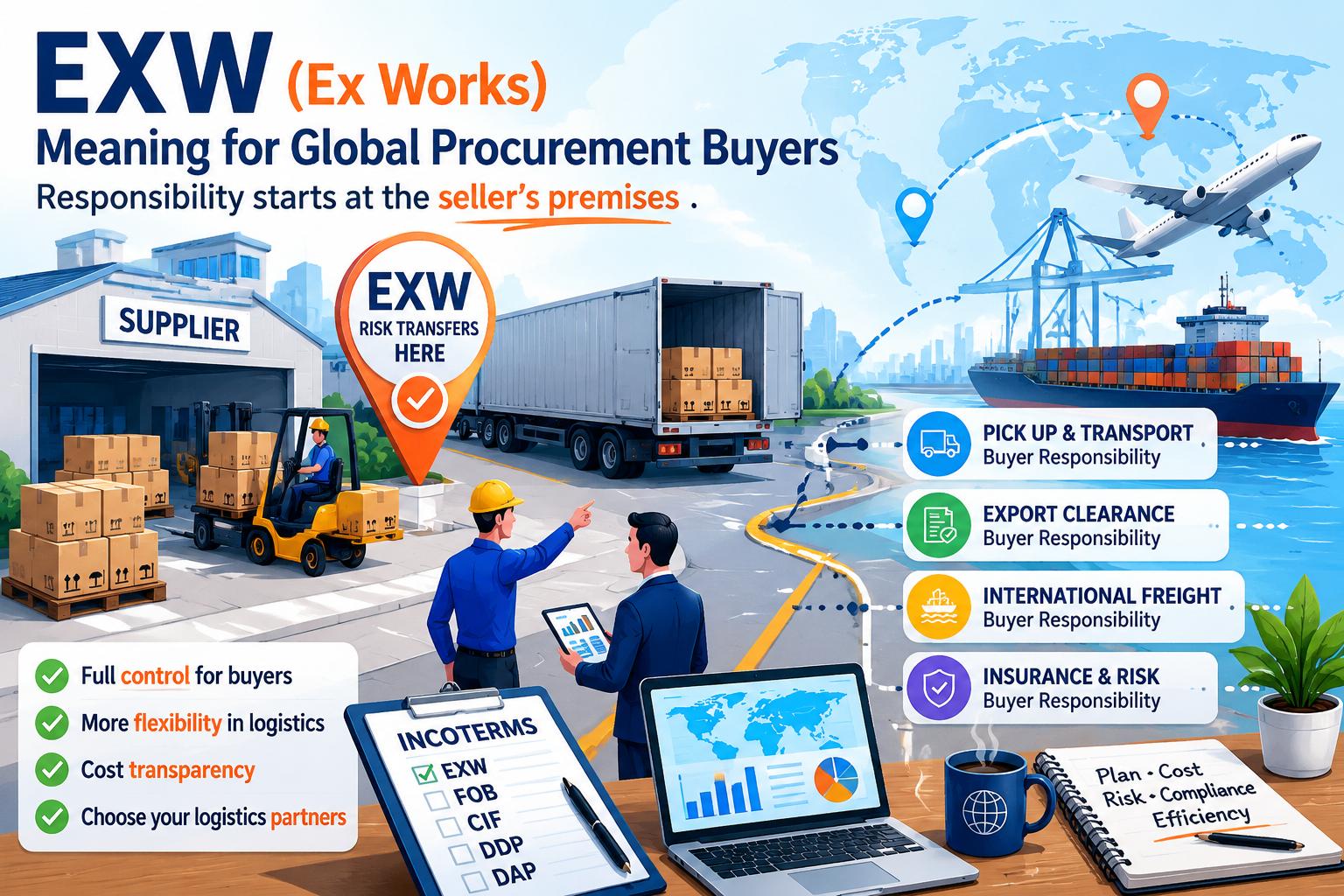
Popular Incoterms include:
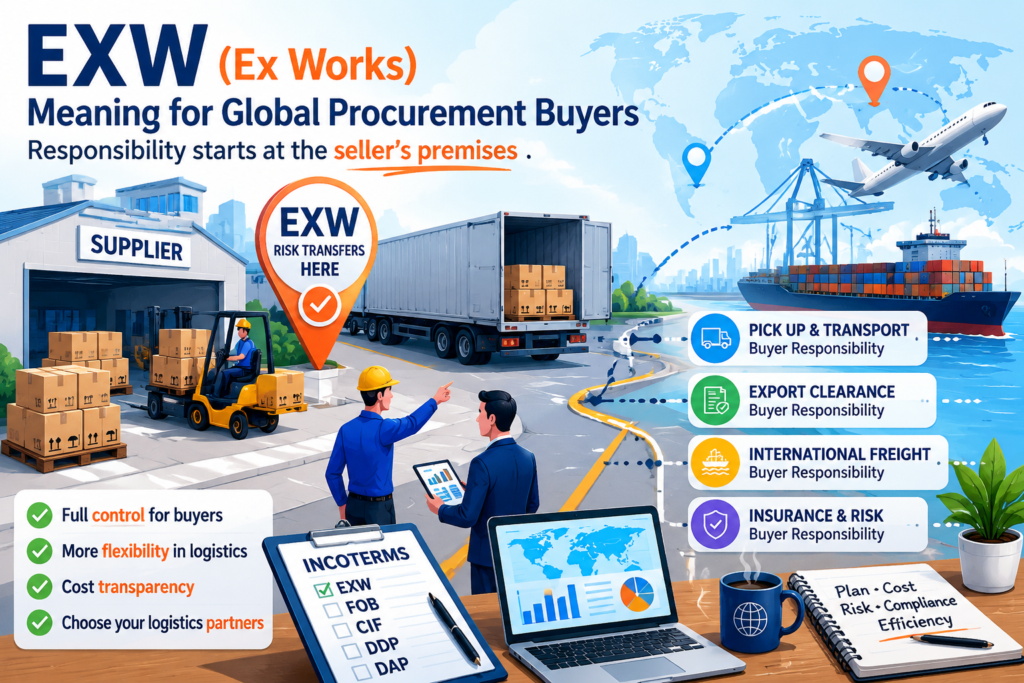
- EXW
- FOB
- CIF
- DAP
- DDP
Each term allocates different customs and logistics responsibilities.
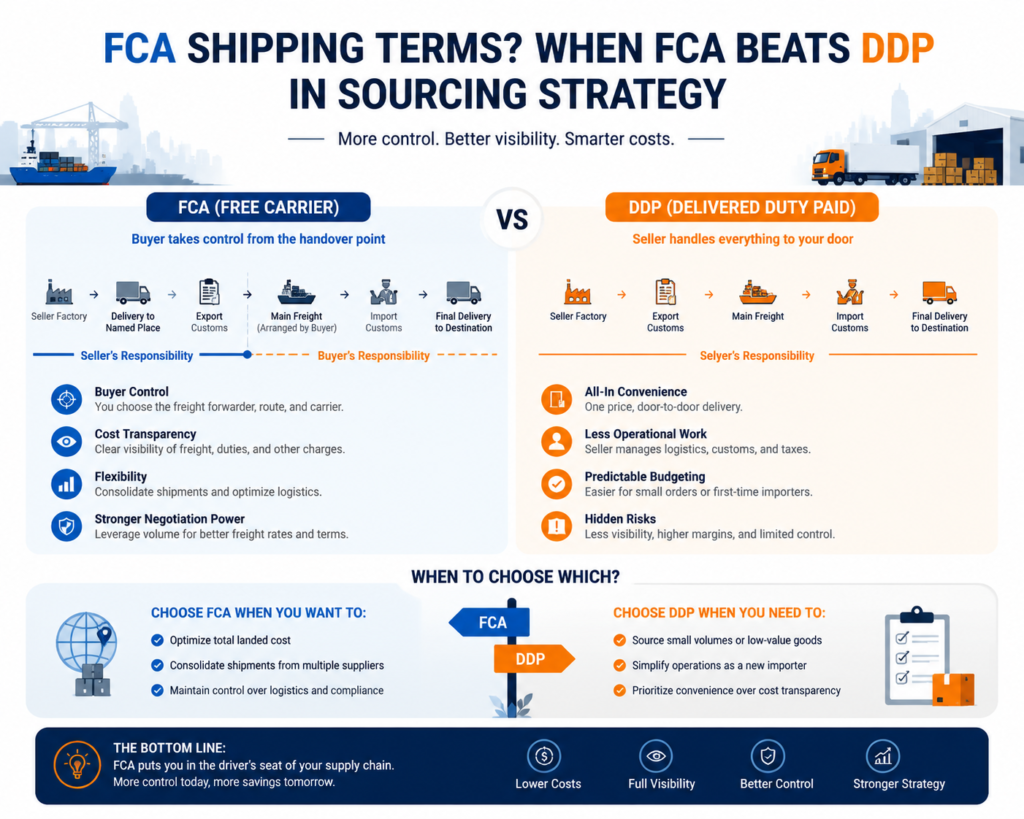
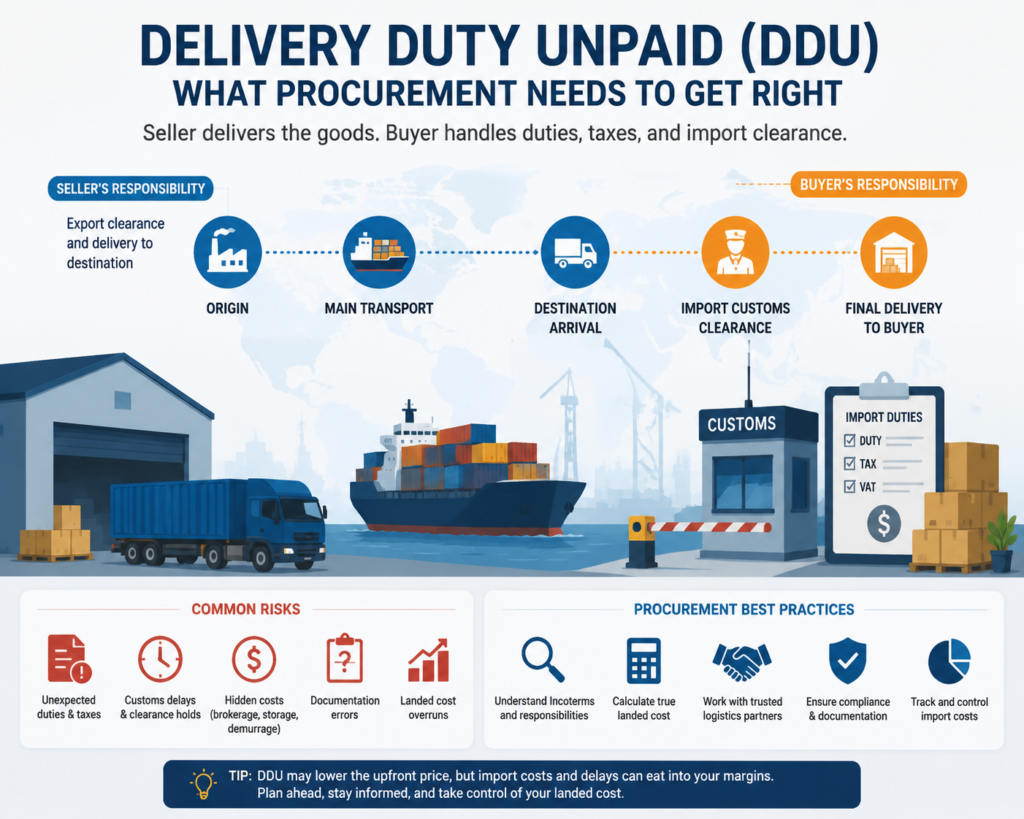
7.2 DDP vs DAP Compliance Responsibilities
DDP places maximum responsibility on the seller, including customs clearance and VAT obligations.
DAP transfers many import responsibilities to the buyer.
This distinction matters enormously because confusion over customs responsibility often creates operational chaos.
7.3 Risk Allocation Between Buyers and Sellers
Clear contractual allocation reduces disputes regarding:
- Customs delays
- Duty payments
- Cargo inspections
- Compliance liabilities
Without explicit allocation, everybody starts scrambling when customs raises questions.
8. CE Marking and Product Compliance Standards
8.1 Products Requiring CE Certification
Products requiring CE marking include:
- Machinery
- Electronics
- Medical devices
- Construction products
- Industrial equipment
Failure to obtain valid CE certification can prohibit market access entirely.
8.2 Technical Documentation Requirements
Manufacturers must maintain technical files containing:
- Risk assessments
- Product specifications
- Test reports
- Compliance declarations
European regulators increasingly request digital documentation access during inspections.
8.3 Market Surveillance and Penalty Risks
Authorities actively monitor unsafe or non-compliant products.
Consequences include:
- Product recalls
- Import bans
- Financial penalties
- Criminal liability in severe cases
9. EORI Registration and Customs Identification
9.1 What an EORI Number Is
An EORI number serves as the importer’s customs identification within the EU.
Without it, customs clearance simply cannot proceed.
9.2 How to Register for EORI in Europe
Registration procedures vary slightly by country but generally require:
- Company registration
- Tax information
- Business activity documentation
9.3 Common EORI Compliance Mistakes
Common mistakes include:
- Using expired registrations
- Incorrect entity details
- Duplicate registrations
These administrative oversights frequently delay cargo release.
10. Import Compliance for Restricted and Controlled Goods
10.1 Batteries, Electronics, and Dangerous Goods
Lithium batteries and hazardous goods face particularly stringent transportation and safety regulations.
Importers must ensure compliance with:
- ADR regulations
- IATA dangerous goods standards
- IMDG Code requirements
10.2 Dual-Use Products and Export Controls
Certain industrial technologies may qualify as dual-use items with both civilian and military applications.
These products often require export licenses and enhanced compliance controls.
10.3 Licensing Requirements for Sensitive Cargo
Sensitive products may require:
- Import permits
- Safety approvals
- Environmental certifications
Skipping these approvals is basically asking customs to hit the brakes on your shipment.
11. Cross-Border Transportation Compliance
11.1 Road Freight Regulations Across Europe
European road transport regulations address:
- Driver working hours
- Vehicle emissions
- Cargo securing
- Cabotage rules
11.2 Air Freight Security and Compliance Checks
Air cargo faces extensive screening procedures under EU aviation security legislation.
Security declarations and advanced cargo information are mandatory.
11.3 Rail and Ocean Freight Documentation Standards
Ocean and rail freight require accurate cargo manifests, transport declarations, and security filings.
Documentation synchronization remains essential throughout multimodal transportation.
12. Warehouse and Distribution Compliance in Europe
12.1 Bonded Warehousing Requirements
Bonded warehouses allow temporary duty suspension for imported goods.
This structure benefits businesses managing regional inventory redistribution.
12.2 Inventory Traceability Standards
European authorities increasingly emphasize supply chain transparency and traceability.
Importers must maintain auditable inventory records capable of demonstrating product movement history.
12.3 Compliance in Last-Mile Distribution
Even final delivery stages involve compliance considerations including:
- VAT treatment
- Product labeling
- Consumer protection obligations
13. Customs Clearance Procedures and Best Practices
13.1 Standard Customs Clearance Workflow
Efficient customs clearance depends on pre-arrival preparation and documentation accuracy.
Advanced electronic filing significantly reduces delays.
13.2 Working With Customs Brokers and Agents
Experienced customs brokers provide valuable support regarding:
- Tariff classification
- Documentation review
- Regulatory interpretation
A good broker is worth their weight in gold when customs systems start flashing warning messages.
13.3 Avoiding Delays at European Ports and Airports
Best practices include:
- Pre-validating documents
- Monitoring shipment milestones
- Maintaining broker communication
- Conducting compliance audits
14. Digitalization and Electronic Customs Systems
14.1 EU Customs Data Platforms and Portals
European customs systems increasingly rely on interconnected digital platforms.
Examples include:
- ICS2
- AES
- NCTS
14.2 Electronic Filing and Automated Declarations
Automation improves declaration speed and reduces manual errors.
However, flawed input data still creates downstream compliance risks.
14.3 Data Accuracy and Cybersecurity Compliance
Data integrity has become a critical element of Europe import compliance.
Cybersecurity breaches affecting customs records may trigger legal liabilities and operational disruptions.
15. Sustainability and Environmental Compliance
15.1 EU Green Deal Logistics Requirements
The EU Green Deal promotes sustainability through stricter emissions and environmental standards.
Importers increasingly face pressure to demonstrate carbon accountability.
15.2 Packaging Waste and Recycling Regulations
Packaging compliance involves:
- Recycling registration
- Waste reporting
- Material restrictions
Environmental non-compliance now attracts serious financial consequences.
15.3 Carbon Reporting in Cross-Border Transport
Carbon reporting obligations continue expanding across transportation sectors.
Large importers increasingly integrate emissions reporting into procurement decisions.
16. Compliance Challenges for E-Commerce Imports
16.1 VAT Rules for Online Sellers
E-commerce sellers must comply with complex VAT collection requirements across EU markets.
16.2 IOSS and Low-Value Shipment Procedures
The Import One-Stop Shop (IOSS) simplifies VAT collection for low-value shipments.
However, procedural inaccuracies can quickly create tax exposure.
16.3 Returns Management and Reverse Logistics Compliance
Reverse logistics creates additional customs and VAT complications that many sellers underestimate.
17. Risk Management and Compliance Auditing
17.1 Building an Internal Compliance Program
Strong compliance programs require:
- Staff training
- Process standardization
- Documentation controls
- Internal audits
17.2 Conducting Import Compliance Audits
Regular audits identify operational vulnerabilities before authorities intervene.
17.3 Managing Supplier and Carrier Risks
Suppliers and carriers significantly influence compliance performance.
Vendor qualification programs reduce exposure to unreliable partners.
18. Common Europe Import Compliance Violations
18.1 Incorrect Customs Declarations
Declaration inaccuracies remain one of the most common compliance violations.
18.2 Under-Valuation and Misclassification Risks
Artificially lowering customs value can trigger severe enforcement action.
Customs authorities are not exactly known for their sense of humor when they discover undervaluation schemes.
18.3 Penalties, Cargo Holds, and Legal Consequences
Penalties may include:
- Financial fines
- Cargo confiscation
- Import suspension
- Criminal prosecution
19. Choosing Reliable Logistics and Compliance Partners
19.1 Evaluating Freight Forwarders and Brokers
Selection criteria should include:
- Industry expertise
- Customs capability
- Digital infrastructure
- Regional experience
19.2 Questions to Ask Before Partner Selection
Important questions include:
- How are compliance audits handled?
- What contingency plans exist?
- How is documentation verified?
19.3 Benefits of End-to-End Compliance Support
Integrated logistics providers streamline customs coordination and reduce operational fragmentation.
20. Future Trends in Europe Import Compliance
20.1 AI and Automation in Customs Management
Artificial intelligence increasingly supports:
- Risk analysis
- Document verification
- Customs targeting
- Predictive compliance monitoring
20.2 Upcoming EU Trade Policy Changes
Trade regulations continue evolving due to geopolitical tensions, environmental policies, and digitalization initiatives.
20.3 Preparing for Evolving Cross-Border Regulations
Companies should invest in:
- Compliance technology
- Staff training
- Regulatory monitoring
- Strategic supplier diversification
21. Conclusion and Strategic Compliance Recommendations
21.1 Key Takeaways for Importers and Logistics Teams
Europe import compliance requires coordinated management across procurement, logistics, customs, finance, and engineering departments.
21.2 Building a Scalable Compliance Strategy
Successful importers establish scalable frameworks emphasizing:
- Process consistency
- Digital integration
- Documentation precision
- Regulatory awareness
21.3 Staying Competitive in the European Market
In today’s fiercely regulated commercial environment, compliance is no longer merely a legal necessity. It has evolved into a strategic differentiator capable of improving delivery reliability, reducing operational friction, and strengthening customer confidence throughout the European supply chain landscape.
Companies that master Europe import compliance position themselves not only to avoid costly disruptions, but also to operate with the kind of commercial agility that keeps competitors perpetually playing catch-up.
Additional reference materials can be found through: