Table of Contents
1. Introduction to China to France DDP Shipping
What DDP Shipping Means
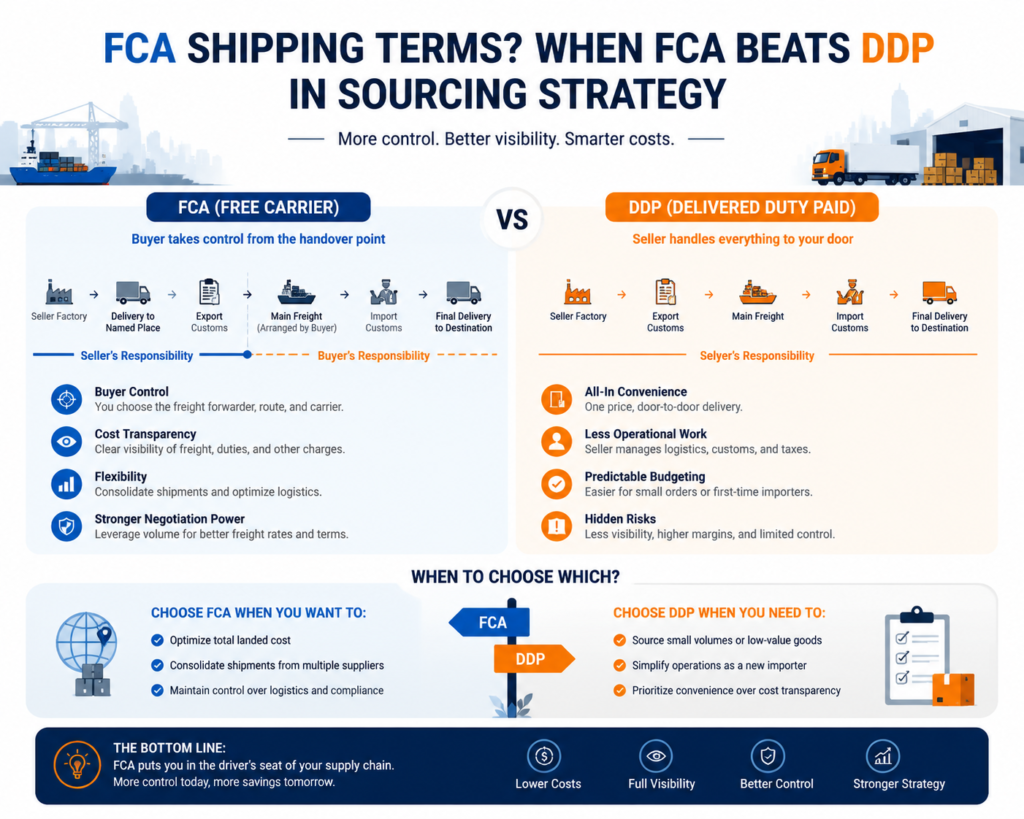
Delivered Duty Paid, or DDP, is like handing your procurement headache straight to someone else and saying, handle it. Essentially, the seller assumes all responsibilities for transportation, customs clearance, duties, and taxes until the goods arrive at your doorstep in France. For engineers and procurement pros juggling multiple suppliers, it’s the equivalent of having a well-oiled gearbox: everything just meshes together without grinding gears.
Why France Imports Heavily from China
France, with its strong manufacturing and retail sectors, depends on China for cost-effective components, consumer products, and industrial machinery. The sheer scale of Chinese production, combined with its global logistics network, makes sourcing from China a no-brainer. Think of it like sourcing premium ball bearings from a specialized foundry—you know where quality and price align. Learn more about France's imports.
Why Procurement Teams Prefer Simplified Logistics
Procurement teams thrive on predictability. DDP shipping minimizes paperwork, eliminates customs surprises, and provides a predictable landed cost. When budgets are tight and timelines unforgiving, having a single, accountable point of contact feels like a turbocharger for supply chain efficiency—everything moves faster with less stress.
2. Understanding the DDP Shipping Model
Definition of Delivered Duty Paid
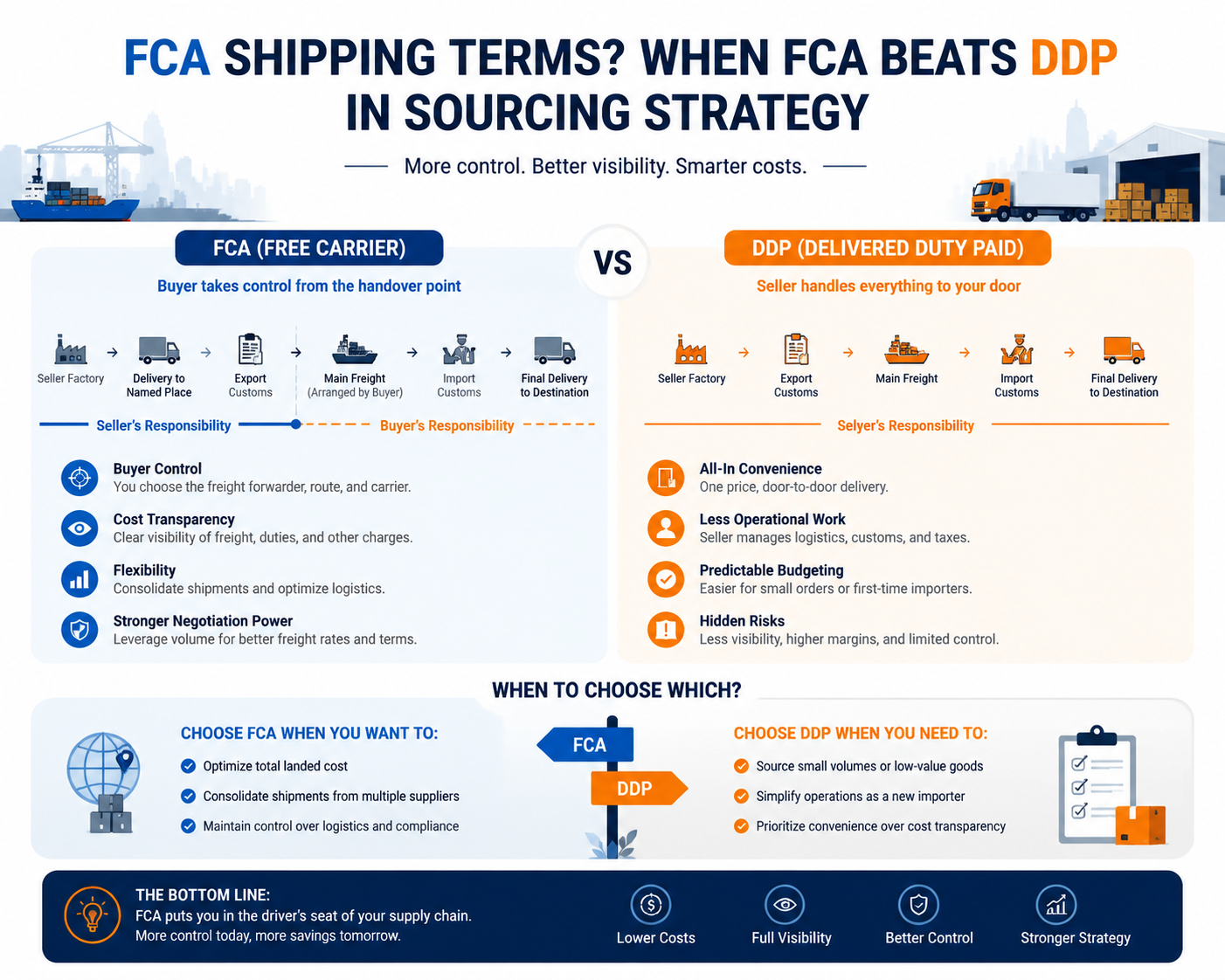
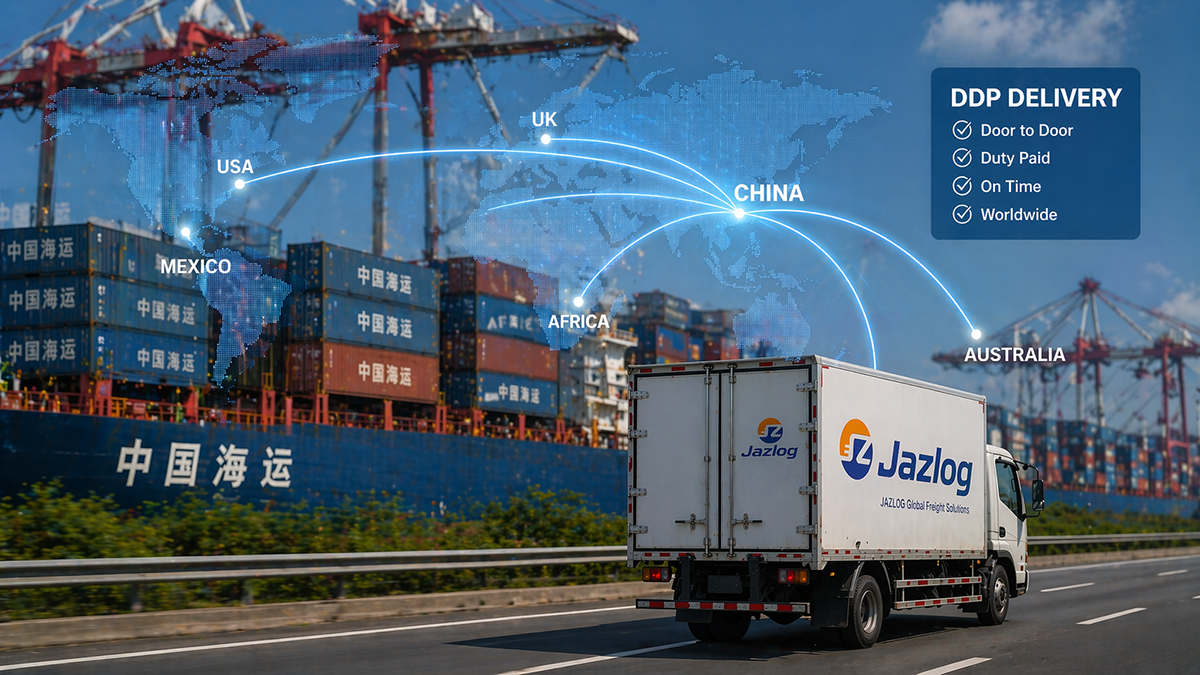
Delivered Duty Paid is an Incoterm that places the onus entirely on the seller. From warehouse pickup in China to final delivery in France, the seller covers shipping, insurance, and duties. Buyers can essentially cross their arms, sip their coffee, and watch the supply chain run smoothly. More details on Incoterms 2020.
Responsibilities of the Seller and Freight Forwarder
Sellers must organize transport, secure cargo insurance, handle export and import documentation, and pay all applicable taxes. Freight forwarders act as the navigators, ensuring the cargo doesn’t hit regulatory speed bumps along the way. For mechanical engineers accustomed to precision, this division of labor ensures no misalignment or skipped steps.
How DDP Differs from Other Shipping Terms
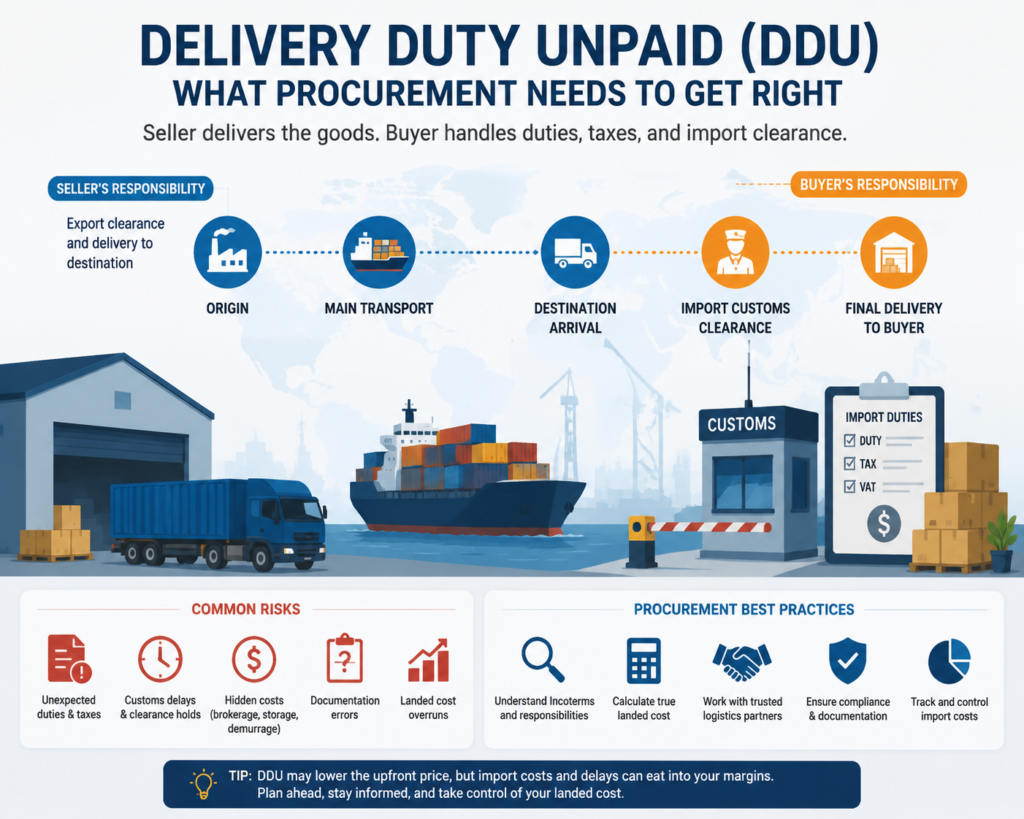
Unlike FOB or CIF, where buyers shoulder part of the journey or risk, DDP shifts all operational and financial responsibility to the seller until delivery. For procurement engineers, it’s like choosing a fully automated assembly line over a manual one—less micromanagement, more predictability.
3. Why Global Buyers Choose DDP Shipping
Reduced Administrative Work
All the paperwork, customs filings, and coordination with carriers are handled upstream. Procurement teams can focus on inventory planning, supplier evaluations, and production schedules instead of chasing down shipping forms.
Better Cost Predictability
By locking in duties, taxes, and freight charges upfront, DDP eliminates surprise costs that can throw budgets off track. For engineers running cost analyses, this is akin to having exact material specs before manufacturing—no guesswork.
Improved Supply Chain Visibility
Freight forwarders often provide end-to-end tracking and reporting. This real-time visibility allows procurement professionals to anticipate delays, manage warehouse capacity, and optimize downstream operations like clockwork. See more on supply chain visibility standards.
4. Key Benefits of China to France DDP Shipping
Single Point of Contact
Instead of juggling multiple carriers, brokers, and customs agents, procurement teams work with a single freight forwarder, simplifying communications and reducing risk of miscoordination.
Fewer Customs Complications
With experienced forwarders handling French import procedures, the risk of compliance errors, fines, or shipment holds drops significantly—keeping production schedules on track.
Streamlined International Procurement
DDP shipping integrates seamlessly with sourcing strategies, allowing buyers to focus on product quality, vendor reliability, and cost optimization, rather than the minutiae of international logistics.
5. How the China to France DDP Process Works
Supplier Pickup in China
Goods are collected directly from the supplier’s factory or warehouse. Forwarders coordinate packaging checks, labeling, and cargo consolidation before departure, ensuring nothing goes off-spec.
International Transportation
Depending on urgency and budget, cargo may travel by air, sea, or rail. Freight forwarders manage all transit documentation, route optimization, and carrier negotiations for cost efficiency.
Final Delivery in France
Upon arrival, the forwarder handles customs clearance, taxes, and duties before delivering goods to the buyer’s specified location, eliminating the need for buyer intervention.
6. Step-by-Step Shipping Timeline
Cargo Preparation and Collection
Procurement teams and suppliers confirm order specifications, packaging, and labeling before forwarding to logistics partners. Precision here prevents costly missteps downstream.
Customs Clearance Procedures
Forwarders prepare import declarations, validate HS codes, and ensure compliance with French and EU regulations—avoiding fines, delays, or shipment rejections.
Last-Mile Delivery to Destination
The final leg involves local trucking, scheduling, and confirmation of receipt. Modern tracking tools allow buyers to see the shipment’s journey in real-time, down to the pallet level.
7. Transportation Options for DDP Shipping
Air Freight DDP
Fast, reliable, and ideal for high-value or time-sensitive goods. Air freight is like a high-speed spindle in production: it gets critical components exactly where they need to be, on time.
Sea Freight DDP
Cost-effective for bulk shipments, sea freight is slower but reliable. Engineers appreciate its predictability when planning production cycles months in advance.
Rail and Multimodal Solutions
Rail offers a balance between cost and speed, while multimodal solutions combine air, sea, and land to optimize delivery for both cost and efficiency.
8. Choosing the Right Shipping Method
Urgency of Delivery
Time-sensitive goods favor air or rail. Non-critical, bulk shipments are better suited for sea freight to optimize costs.
Product Characteristics
Fragile, perishable, or high-value items may require specialized transport, insurance, or packaging methods—elements that forwarders handle expertly.
Budget Considerations
The cost-benefit equation dictates method choice. DDP shipping allows upfront cost visibility, enabling engineers to run detailed procurement models without hidden surprises.
9. Cost Components in China to France DDP Shipping
Freight Charges
These include carrier fees, fuel surcharges, and route-specific costs. Freight is essentially the backbone of DDP pricing.
Duties and Taxes
French import duties, VAT, and potential excise taxes are prepaid by the seller, giving buyers a fixed landed cost and eliminating cash flow shocks.
Customs and Handling Fees
Forwarders charge for document processing, warehouse handling, and cargo inspections—often bundled to simplify cost tracking.
10. Factors That Influence Shipping Costs
Cargo Weight and Volume
Heavier or oversized shipments incur higher transport costs, requiring careful load optimization.
Seasonal Demand Fluctuations
Peak shipping seasons or holiday surges can spike costs, much like rush orders in manufacturing.
Delivery Location in France
Urban congestion, rural access limitations, and last-mile logistics affect final delivery charges.
11. Customs Clearance Under DDP
Import Documentation Requirements
Key documents include commercial invoices, packing lists, and certificates of origin—anything missing can trigger delays.
French Customs Procedures
Authorities verify compliance with EU regulations, tariffs, and quotas, with automated and manual inspections depending on the shipment.
Common Customs Challenges
Misclassified products, incomplete paperwork, or discrepancies in declared value can result in fines or shipment holds, slowing production timelines.
12. Essential Documents for DDP Shipments
Commercial Invoice
Details product descriptions, unit price, total value, and HS codes—a blueprint for customs assessment.
Packing List
Specifies carton counts, dimensions, and
Packing List
Specifies carton counts, dimensions, and weight, enabling smooth inspection and inventory handling.
Product Compliance Certificates
Certificates like CE markings ensure products meet EU standards for safety, quality, and environmental compliance. For more information on CE compliance, visit the European Union CE Marking Guide.
13. Product Categories Commonly Shipped Under DDP
Consumer Goods
Electronics, apparel, furniture, home décor products, kitchenware, and personal accessories are among the most common consumer products imported from China into France. DDP shipping provides retailers and distributors with predictable landed costs and simplified logistics planning, making inventory management considerably easier.
Industrial Equipment and Components
Industrial buyers frequently source gears, bearings, motors, pumps, automation systems, CNC machine components, hydraulic equipment, and precision-engineered assemblies from China. DDP shipping is particularly valuable for these products because procurement teams can focus on technical specifications, quality control, and production schedules rather than customs formalities.
E-commerce Products
The rapid growth of cross-border e-commerce has increased demand for efficient DDP shipping solutions. Online sellers importing products from China to France benefit from simplified customs handling, faster delivery coordination, and improved customer satisfaction through predictable fulfillment processes.
14. Compliance Requirements for France and the EU
CE Marking Requirements
Many products entering France require CE marking before they can be legally sold within the European Union. The CE mark demonstrates that a product meets applicable safety, health, and environmental protection requirements established by EU legislation.
Product Safety Regulations
Importers must ensure products comply with relevant French and EU directives covering electrical safety, machinery safety, electromagnetic compatibility, chemical restrictions, and consumer protection requirements. Non-compliant products may face rejection, recalls, penalties, or market restrictions.
Environmental and Packaging Standards
The European Union places significant emphasis on sustainability and environmental responsibility. Packaging materials, labeling practices, recycling requirements, and waste reduction measures must comply with applicable regulations. Buyers should verify compliance before shipments leave China to avoid unnecessary complications upon arrival.
15. Common Risks in China to France DDP Shipping
Incorrect Customs Declarations
Errors in product descriptions, HS classifications, customs values, or country-of-origin declarations can trigger customs inspections, delays, penalties, and additional costs. Even a seemingly minor discrepancy can become a significant obstacle during customs clearance.
Unexpected Regulatory Changes
International trade regulations evolve continuously. Changes in import duties, VAT rates, environmental standards, product safety requirements, or customs procedures may affect shipping costs and compliance obligations. Staying informed is essential for procurement professionals managing international sourcing programs.
Delivery Delays and Disruptions
Port congestion, adverse weather conditions, labor strikes, transportation bottlenecks, geopolitical developments, and carrier scheduling changes can all impact delivery timelines. While experienced freight forwarders help mitigate these risks, contingency planning remains a critical component of supply chain management.
16. How to Reduce Shipping Risks
Accurate Product Classification
Proper HS code classification serves as the foundation of successful customs clearance. Accurate classification helps ensure correct duty calculations, compliance verification, and regulatory treatment throughout the shipping process.
Working with Experienced Freight Forwarders
Knowledgeable freight forwarders bring valuable expertise in route planning, customs compliance, documentation management, and risk mitigation. Their experience often helps buyers avoid costly mistakes while improving shipment reliability and efficiency.
Proactive Shipment Tracking
Modern tracking systems provide real-time visibility throughout the transportation process. Procurement teams can monitor shipment status, identify potential disruptions early, communicate effectively with stakeholders, and implement corrective actions when necessary.
17. How DDP Shipping Supports Global Sourcing Strategies
Simplifying Supplier Management
DDP shipping reduces operational complexity by consolidating logistics responsibilities under a single provider. Procurement professionals can devote more time to evaluating supplier performance, negotiating contracts, and strengthening strategic sourcing initiatives.
Improving Procurement Efficiency
When transportation, customs clearance, duties, and taxes are managed through a single logistics solution, procurement teams can streamline workflows, reduce administrative burdens, and improve overall operational efficiency.
Enhancing Supply Chain Stability
Reliable logistics processes contribute significantly to supply chain resilience. Predictable delivery schedules, transparent cost structures, and professional customs management help organizations maintain production continuity and customer satisfaction.
18. Evaluating a China Freight Forwarder
Industry Experience and Expertise
A freight forwarder's track record in China-France trade lanes should be carefully evaluated. Experience handling similar product categories, transportation modes, and regulatory requirements often translates into smoother operations and fewer disruptions.
Customs and Compliance Knowledge
Strong understanding of Chinese export procedures, French import regulations, EU compliance standards, and customs documentation requirements is essential. This expertise helps prevent delays, penalties, and compliance-related complications.
Communication and Customer Support
Clear communication remains one of the most important characteristics of a dependable logistics partner. Buyers should seek forwarders that provide timely updates, responsive customer service, and transparent reporting throughout the shipping process.
19. Technology and Visibility in Modern DDP Shipping
Real-Time Shipment Tracking
Advanced transportation management systems provide detailed shipment visibility across every stage of the logistics journey. Real-time tracking enables procurement teams to make informed decisions and maintain accurate inventory forecasts.
Digital Documentation Management
Electronic document management systems improve efficiency by centralizing invoices, certificates, customs declarations, shipping instructions, and compliance records. Digitalization reduces administrative workload while improving document accessibility.
Supply Chain Analytics and Reporting
Modern logistics platforms generate valuable performance metrics that support continuous improvement. Procurement professionals can analyze transit times, transportation costs, carrier performance, and inventory impacts to optimize future sourcing decisions.
20. Best Practices for Procurement Professionals
Forecasting Demand Accurately
Accurate demand forecasting reduces inventory carrying costs while minimizing the risk of stock shortages. Effective forecasting enables organizations to align procurement activities with production requirements and customer demand patterns.
Consolidating Shipments for Savings
Shipment consolidation often produces substantial cost savings by maximizing container utilization and reducing per-unit transportation expenses. Consolidated shipments can also simplify customs procedures and improve logistics efficiency.
Building Long-Term Logistics Partnerships
Developing strong relationships with reliable freight forwarders creates long-term value through improved service quality, priority capacity access, competitive pricing, and collaborative problem-solving. As the saying goes, smooth seas don't make skilled sailors, but dependable partners certainly help navigate rough waters.
21. Frequently Asked Questions About China to France DDP Shipping
How Long Does DDP Shipping Take?
Transit times vary according to transportation mode, origin location, destination, customs processing requirements, and seasonal demand conditions. Air freight generally takes between 3 and 10 days, rail freight typically requires 15 to 25 days, while sea freight commonly ranges from 25 to 45 days.
What Products Can Be Shipped Under DDP?
Most legally importable products can be shipped under DDP terms, including consumer goods, industrial machinery, automotive components, electronics, furniture, textiles, and commercial equipment. However, certain regulated products may require additional certifications, permits, or approvals.
Is DDP Suitable for Small and Large Businesses?
DDP shipping benefits organizations of all sizes. Small businesses appreciate the simplicity and reduced administrative burden, while larger enterprises value cost predictability, operational efficiency, and enhanced supply chain visibility.
22. Conclusion
Key Takeaways for Importers
China to France DDP shipping offers a highly efficient solution for organizations seeking predictable costs, simplified customs procedures, and streamlined international logistics. By transferring transportation and compliance responsibilities to experienced logistics providers, buyers can focus on their core business objectives.
How DDP Simplifies Global Sourcing
DDP shipping consolidates multiple logistics functions into a single, coordinated service model. From factory pickup in China to final delivery in France, the process becomes significantly more transparent, manageable, and efficient for procurement professionals.
Next Steps for Successful China to France Imports
Successful importing begins with selecting qualified suppliers, partnering with experienced freight forwarders, understanding compliance requirements, and implementing effective supply chain visibility tools. With proper planning and execution, DDP shipping can become a powerful enabler of global sourcing success, helping organizations reduce complexity while improving operational performance.
Additional resources: