Table of Contents
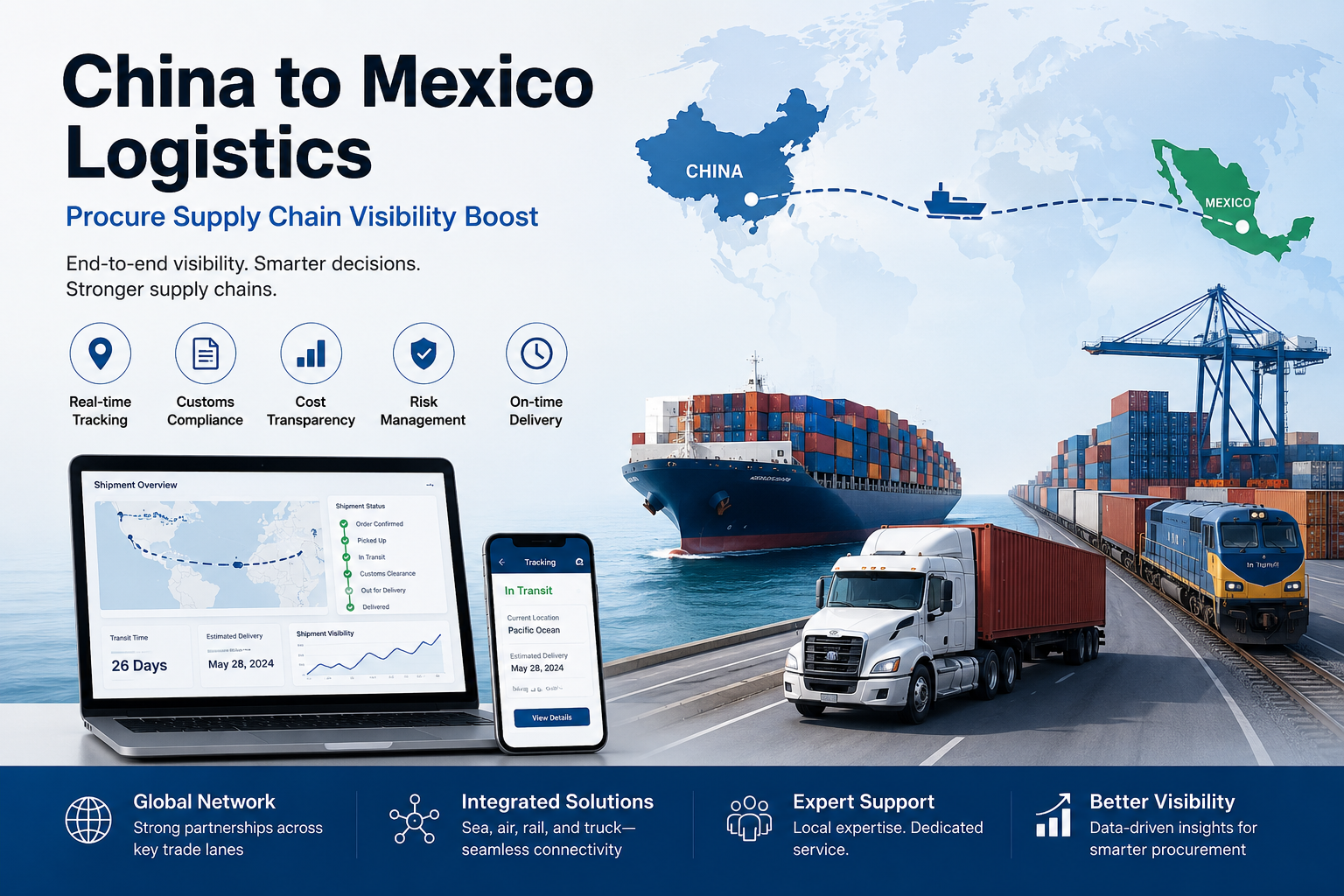
1. Supply Chain Visibility in China to Mexico Logistics Overview
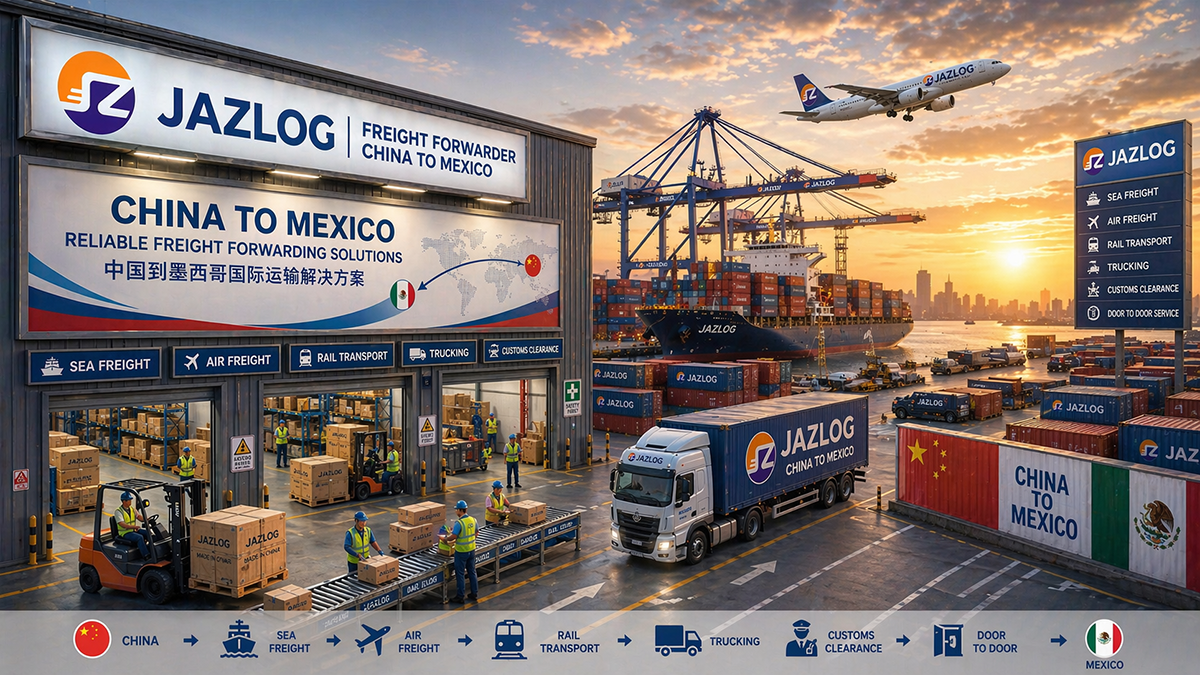
China to Mexico logistics trade route significance and growth drivers
The corridor has accelerated due to nearshoring pressure, tariff diversification strategies, and the relentless push by brands to reduce dependency on single-region supply bases, creating a more complex, multi-node logistics environment that demands surgical-level transparency. Learn more about logistics.
Key stakeholders in cross-border procurement visibility systems
A modern visibility ecosystem spans suppliers, freight forwarders, customs brokers, port operators, and last-mile distributors in Mexico. Each node contributes fragmented data unless harmonized through centralized tracking architecture, which is where breakdowns often occur if systems are not properly integrated.
Why procurement teams prioritize end-to-end shipment transparency
From a purchase engineering standpoint, lack of visibility translates directly into inventory risk, production downtime, and inflated safety stock. The ability to see shipment progression in real time is essentially a financial hedge against volatility, not just an operational convenience.
2. Trade Corridor Between China and Mexico
China’s export ecosystem and manufacturing dominance
China remains the world’s most diversified manufacturing base, offering scale economies that are difficult to replicate elsewhere. Its coastal industrial belts operate like synchronized production grids, feeding global supply chains with precision-timed output. More on China's manufacturing
Mexico’s role as a nearshoring hub for North American brands
Mexico has rapidly transitioned into a reshoring magnet, serving as a redistribution and light-assembly hub for goods destined for the U.S. market. Its proximity allows brands to compress lead times while maintaining upstream cost advantages from China sourcing.
Strategic value of China–Mexico trade under global diversification trends
This corridor is increasingly seen as a “dual optimization route” where cost efficiency meets geopolitical hedging. Procurement leaders are no longer betting on single-region supply chains—they are building distributed resilience, and this lane sits right at the center of that strategy.
3. Core Shipping Modes in China to Mexico Logistics
Sea freight options for cost-efficient bulk procurement
Ocean freight remains the backbone of China to Mexico logistics, particularly for high-volume procurement cycles. Full container load (FCL) and less-than-container load (LCL) structures allow purchase engineers to fine-tune cost-per-unit economics while maintaining shipment consolidation discipline.
Air freight solutions for high-value or urgent shipments
Air transport, while premium-priced, functions as the “pressure release valve” for critical production inputs. Electronics, precision tooling, and time-sensitive retail inventory often justify the elevated cost due to avoided downtime and expedited market entry.
Multimodal transport combining speed and cost optimization
The growing trend is hybrid routing—sea-air combinations or rail-sea integrations where feasible—allowing procurement teams to balance urgency against landed cost constraints without sacrificing visibility continuity.
4. Understanding Supply Chain Visibility in Global Procurement
Real-time tracking and data-driven logistics coordination
Visibility today is powered by telemetry, API integrations, and event-driven tracking updates that convert physical movement into digital signals. Purchase engineers rely on this data stream to synchronize production schedules with inbound material flow.
Information flow between suppliers, freight forwarders, and buyers
The weakest link is often not transport but communication latency. When data flows are asynchronous, procurement teams operate blind, leading to reactive decision-making rather than proactive control.
How visibility reduces procurement uncertainty and delays
End-to-end transparency acts as a stabilizer, reducing bullwhip effects and eliminating guesswork in replenishment cycles. It transforms logistics from a reactive firefighting function into a predictable planning system.
5. Procurement Challenges in Cross-Border Logistics
Unpredictable transit times and port congestion risks
Even the most optimized route is still vulnerable to macro disruptions such as port congestion, weather volatility, or carrier scheduling shifts, which can cascade into production delays if not pre-flagged through visibility systems.
Communication gaps between suppliers and logistics providers
Misalignment between factory dispatch timing and freight booking windows often leads to container rollovers or missed sailings, a classic pain point that purchase engineers know all too well.
Hidden costs affecting total landed cost accuracy
Demurrage, detention, documentation fees, and terminal handling charges frequently erode cost assumptions, turning “budget-friendly” shipments into margin leaks if not properly tracked. Reference on landed cost management
6. Customs Clearance Complexity in China to Mexico Logistics
Documentation requirements for export from China
Export declarations, packing lists, commercial invoices, and HS code accuracy form the backbone of compliance. A minor discrepancy can snowball into clearance delays that ripple through the entire supply chain.
Import compliance procedures in Mexico
Mexican customs enforcement requires precise classification and often strict regulatory adherence depending on product category, especially for electronics, automotive parts, and industrial goods.
Common customs delays and how to mitigate them
Delays typically arise from documentation inconsistencies or valuation disputes. Pre-clearance validation and broker coordination significantly reduce friction at entry points.
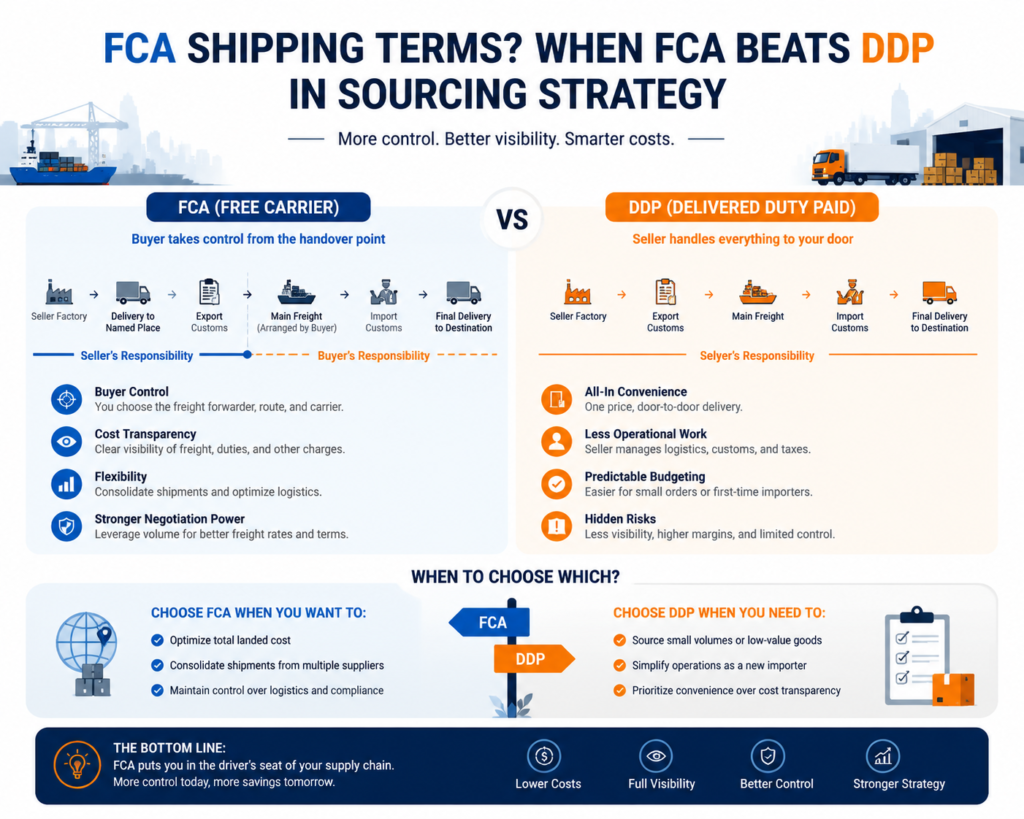
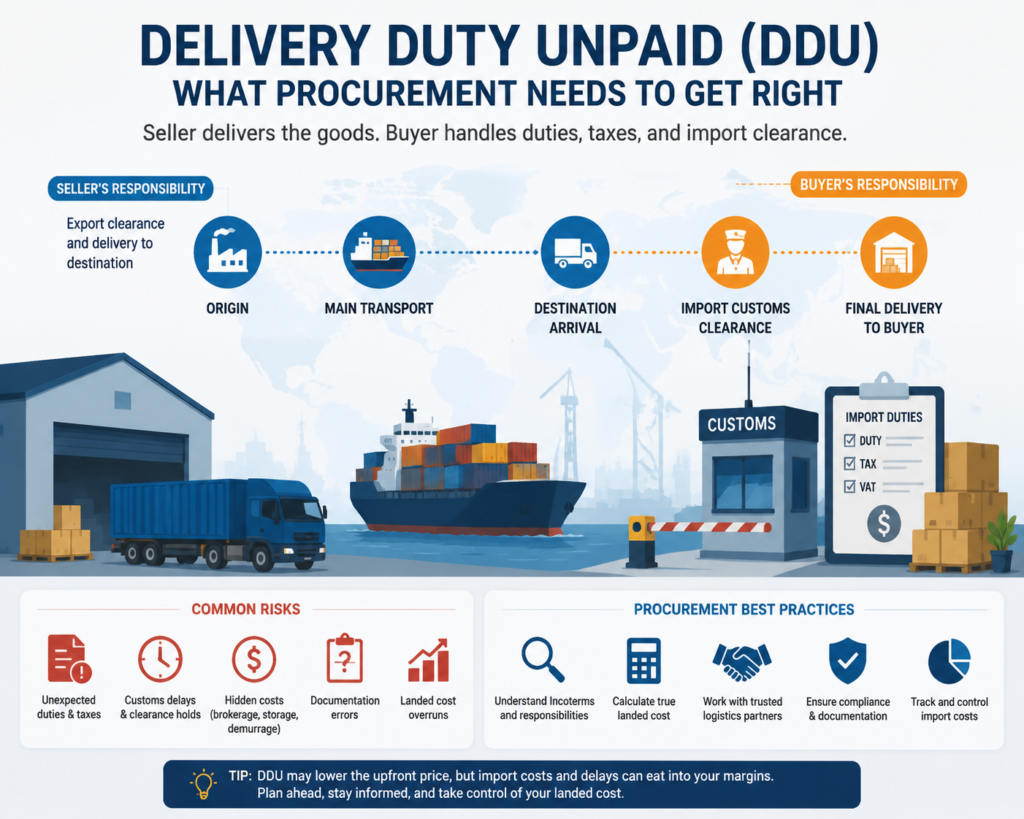
7. DDP (Delivered Duty Paid) Solutions for Procurement Teams
How DDP simplifies cost control for brand buyers
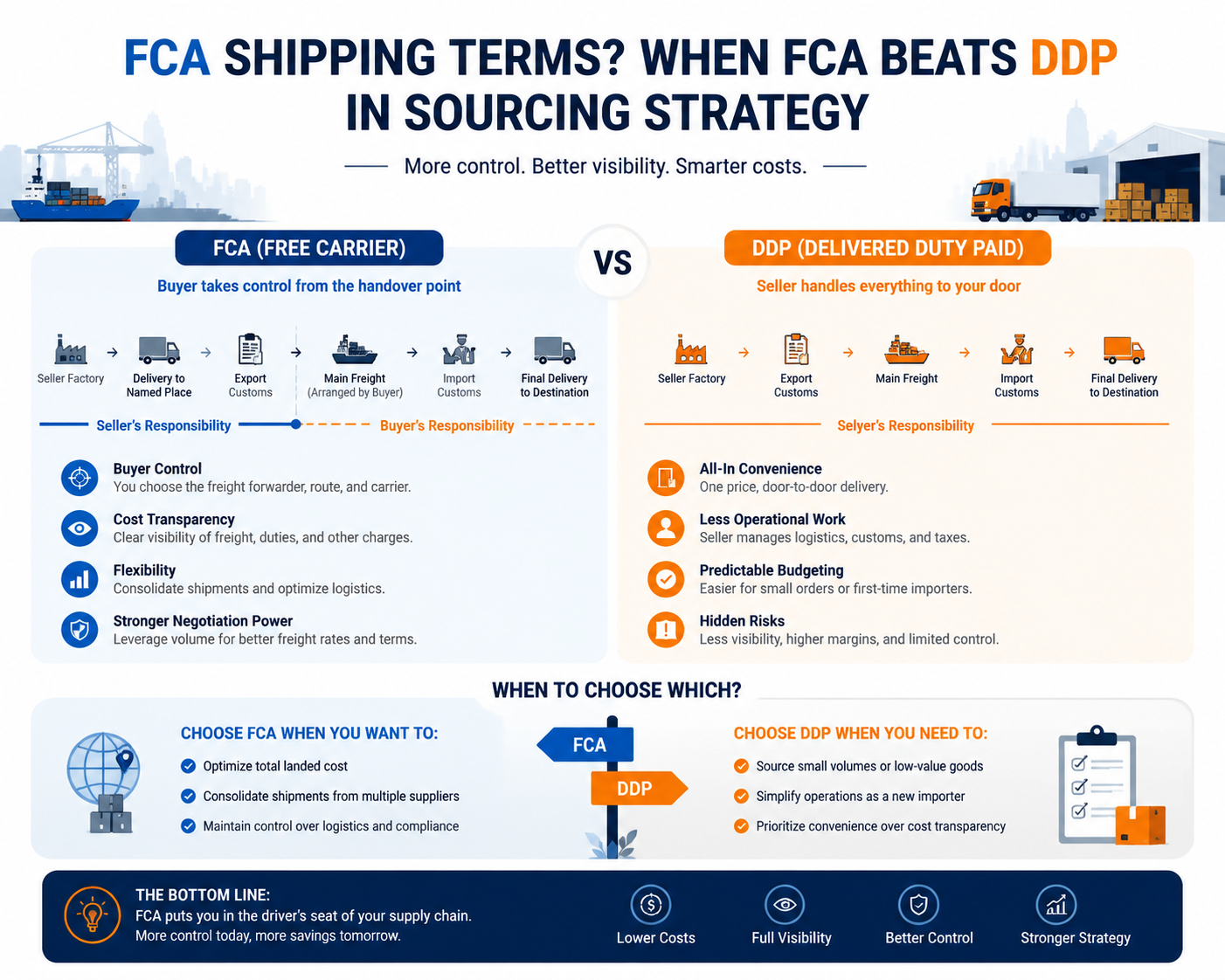
DDP structures allow procurement teams to lock in landed cost certainty, effectively outsourcing customs and tax complexity to the logistics provider while maintaining budget predictability.
Risk transfer and responsibility management in shipping
Under DDP, liability shifts upstream, reducing exposure for buyers and streamlining accountability across the logistics chain, which is especially useful in multi-vendor sourcing environments.
When DDP becomes the preferred procurement model
It is particularly advantageous when dealing with distributed suppliers, high shipment frequency, or when internal logistics expertise is limited on the buyer’s side.
8. Role of Freight Forwarders in Visibility Enhancement
End-to-end shipment coordination and control
Freight forwarders act as orchestration hubs, synchronizing transport modes, documentation, and customs workflows into a unified operational flow.
Digital dashboards for procurement monitoring
Modern forwarders now provide cloud-based dashboards that allow purchase engineers to monitor milestones in real time, effectively turning logistics into a controllable data stream.
Value-added services improving logistics transparency
Services such as exception alerts, predictive delay modeling, and milestone verification add an extra layer of operational foresight.
9. Technology Enablers for Supply Chain Visibility
IoT tracking devices and smart cargo monitoring
Sensor-based tracking allows real-time monitoring of location, temperature, and handling conditions, which is critical for sensitive industrial goods.
EDI systems and real-time data integration
Electronic Data Interchange ensures structured communication between ERP systems and logistics platforms, reducing manual errors and latency.
Cloud-based logistics management platforms
Centralized platforms unify fragmented data sources, giving procurement teams a single source of truth across the entire shipment lifecycle.
10. Lead Time Optimization Strategies
Warehouse consolidation near origin ports in China
Consolidation reduces fragmentation and improves container utilization rates, directly impacting cost efficiency and dispatch speed.
Efficient carrier selection for Mexico-bound cargo
Carrier performance benchmarking allows procurement teams to select routes not just on price but on reliability and schedule adherence.
Buffer planning and demand forecasting alignment
Strategic buffers act as shock absorbers, especially in volatile demand cycles, ensuring production continuity without overstocking.
11. Cost Transparency in International Logistics
Breaking down freight, duties, and handling charges
Clear segmentation of logistics costs enables procurement teams to identify inefficiencies and renegotiate contract structures.
Avoiding hidden fees in cross-border shipping contracts
Opaque pricing models are a persistent risk; transparency clauses and audit rights are increasingly standard in professional procurement agreements.
Building accurate landed cost models for procurement
A robust landed cost model integrates freight, insurance, duties, and inland transport into a unified cost structure for precise budgeting.
12. Risk Management in China to Mexico Supply Chains
Geopolitical and trade policy uncertainty impacts
Tariff fluctuations and policy shifts can alter routing economics overnight, forcing procurement teams to constantly recalibrate sourcing strategies and supplier allocations in order to maintain margin stability and operational continuity.
Cargo loss, damage, and insurance coverage strategies
Insurance frameworks must be aligned with cargo value and risk exposure, particularly for high-value industrial shipments where even minor damage can cascade into production downtime and contractual penalties downstream.
Supplier diversification to reduce operational risk
Multi-sourcing strategies reduce dependency on single production nodes, enhancing resilience across the procurement lifecycle and ensuring that disruptions in one region do not cripple the entire supply chain ecosystem.
13. Key Ports and Infrastructure in Mexico Logistics Flow
Major entry ports and their strategic advantages
Ports such as Manzanillo and Lázaro Cárdenas serve as primary gateways for Asia-origin cargo, offering differentiated handling capacities and serving as critical pressure points in Mexico’s import infrastructure network.
Customs processing efficiency at Mexican gateways
Efficiency varies significantly across ports, influencing overall transit predictability and cost structure, with some gateways offering faster clearance cycles that directly impact downstream inventory availability.
Connectivity from ports to inland distribution hubs
Strong inland logistics corridors enable faster distribution into manufacturing and retail zones across Mexico and the broader North American market, effectively extending the value of port efficiency inland.
14. Major Export Hubs in China for Mexico Trade
Manufacturing clusters in coastal China regions
Regions like Guangdong and Zhejiang dominate export volumes due to dense supplier ecosystems, mature subcontractor networks, and highly synchronized industrial production capabilities.
Port infrastructure supporting export efficiency
Shanghai, Shenzhen, and Ningbo operate as high-capacity export arteries with frequent sailings and advanced container handling systems that minimize bottlenecks in outbound logistics.
Industrial zones driving high-volume shipments
Special economic zones integrate manufacturing, warehousing, and export processing into tightly optimized clusters that significantly reduce production-to-shipment cycle times.
15. Key Performance Indicators for Visibility Success
Transit time accuracy and reliability metrics
Deviation between planned and actual transit time is a core KPI for evaluating logistics partner performance and determining whether supply chain promises align with operational reality.
Order tracking completeness and data accuracy rates
Incomplete milestone reporting undermines visibility systems, creating blind spots that lead to poor procurement planning and reactive decision-making cycles.
Cost deviation between planned and actual logistics spend
Variance analysis helps identify inefficiencies, hidden fees, and contract misalignments, ultimately strengthening future procurement negotiations and supplier accountability frameworks.
16. Future Trends in China to Mexico Supply Chain Visibility
Growth of nearshoring and regional supply networks
Supply chains are shifting toward hybrid regional-global models that prioritize resilience alongside cost efficiency, with Mexico emerging as a key redistribution hub for North American demand.
AI-driven predictive logistics and demand planning
Machine learning models are increasingly used to anticipate delays, optimize routing, and improve demand forecasting accuracy, allowing procurement teams to move from reactive to predictive operations.
Increasing integration of digital procurement ecosystems
End-to-end digitalization is transforming procurement from a transactional function into a fully integrated strategic control tower, where visibility, analytics, and execution converge into a unified decision-making environment.