Table of Contents
Logistics from China to Sweden: Reliable EU Routes
Reference resources for further reading: China, Sweden, European Union, World Trade Organization
1. Overview of Logistics from China to Sweden
Trade flow structure between China and Sweden
The trade architecture between Asia and Northern Europe operates like a tightly choreographed industrial pipeline where upstream manufacturing velocity in China feeds downstream consumption demand across Sweden and surrounding Nordic markets. In real procurement practice, goods typically move through layered consolidation points—factory → export warehouse → port cluster → EU entry hub → Nordic distribution node—forming a multi-echelon system that is constantly optimized for lead time compression and landed cost control. At the end of the day, purchase engineers care less about theoretical routes and more about whether the cargo shows up “on time, in full, no drama.”
Key industries driving shipment demand
Demand is heavily anchored in machinery components, automotive parts, electronics, furniture systems, and renewable energy equipment, all of which are deeply embedded in Sweden’s industrial ecosystem. These sectors don’t just ship sporadically—they run on recurring replenishment cycles, meaning logistics stability becomes a strategic input rather than a downstream service.
Typical supply chain models used by global brands
Global brands usually deploy hybrid supply chain architectures combining FOB sourcing, centralized EU distribution, and regional cross-docking in Sweden. Some lean heavily on vendor-managed inventory (VMI), while others prefer just-in-time (JIT) replenishment.
2. Strategic Importance of China–Sweden Supply Chain
Sweden as a Nordic distribution gateway
Sweden often functions as a northern gateway for Nordic distribution because of its strong infrastructure and stable customs processes.
China’s role as global manufacturing hub
China continues to dominate global manufacturing due to its unmatched supplier density and cost efficiency across multiple industrial tiers.
Impact on EU-wide procurement strategies
Within the EU framework, procurement strategies must account for harmonized customs rules, VAT structures, and compliance regimes.
3. Main Transportation Modes for China to Sweden Logistics
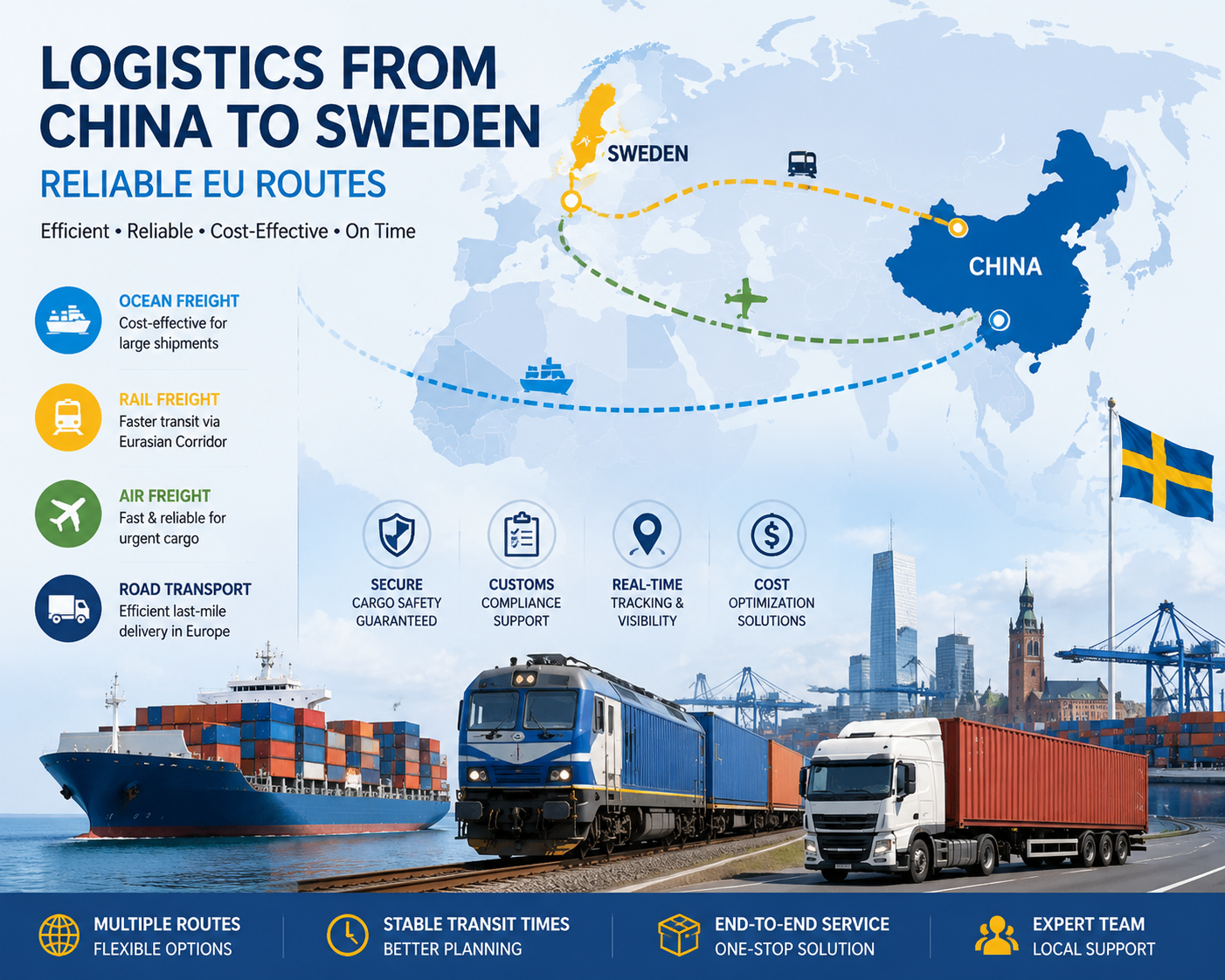
Ocean freight for bulk and cost efficiency
Ocean freight remains the workhorse solution for high-volume cargo with predictable replenishment cycles.
Air freight for high-value and urgent goods
Air freight is the “panic button” of logistics, used when downtime costs exceed transport costs.
Rail freight as a balanced alternative
Rail freight via Eurasian corridors provides a middle ground between cost and speed efficiency.
4. Sea Freight Routes and Port Networks
Major departure ports in China
Shanghai, Ningbo, and Shenzhen form the backbone of China’s export logistics ecosystem.
Destination ports in Sweden
Gothenburg serves as Sweden’s primary maritime gateway for international cargo flows.
Transshipment hubs in Europe
Rotterdam and Hamburg act as redistribution hubs for cargo entering Northern Europe.
5. Rail Freight via Eurasian Corridor
China–Europe Railway Express structure
The rail network connects inland China with major European logistics hubs through a continental bridge.
Key border crossings and inland hubs
Alashankou and Khorgos are key handoff points between Chinese and European rail systems.
Transit advantages for mid-value cargo
Rail freight offers a balanced solution for shipments that require both speed and cost control.
6. Air Freight Solutions and Time-Sensitive Shipping
Direct vs transshipment routes
Direct flights reduce risk and transit time while transshipment routes provide cost flexibility.
Major airports in China and Sweden
Shanghai Pudong and Stockholm Arlanda serve as key air cargo gateways.
Cost drivers in air cargo pricing
Pricing depends on volumetric weight, fuel surcharges, and seasonal demand fluctuations.
7. Multimodal Transport Options
Sea + rail hybrid solutions
Hybrid transport reduces inland congestion and improves delivery predictability.
Air + truck last-mile integration
Air shipments transition into trucking networks for final delivery execution.
Cost and speed balancing strategies
Procurement teams optimize logistics based on SKU value and urgency profiles.
8. Transit Time Benchmarks
Standard ocean freight timelines
Sea freight requires longer lead times but offers cost stability.
Express air freight delivery
Air shipments can reach destinations within days under normal conditions.
Seasonal and congestion impacts
Peak seasons significantly affect both pricing and delivery schedules.
9. Cost Structure Breakdown
Freight charges and fuel surcharges
Base freight rates fluctuate with fuel costs and carrier capacity.
Port handling fees
Terminal operations add incremental cost layers to logistics budgets.
Inland trucking costs
Domestic transportation in Sweden contributes to final landed cost.
10. Customs Clearance Procedures in Sweden
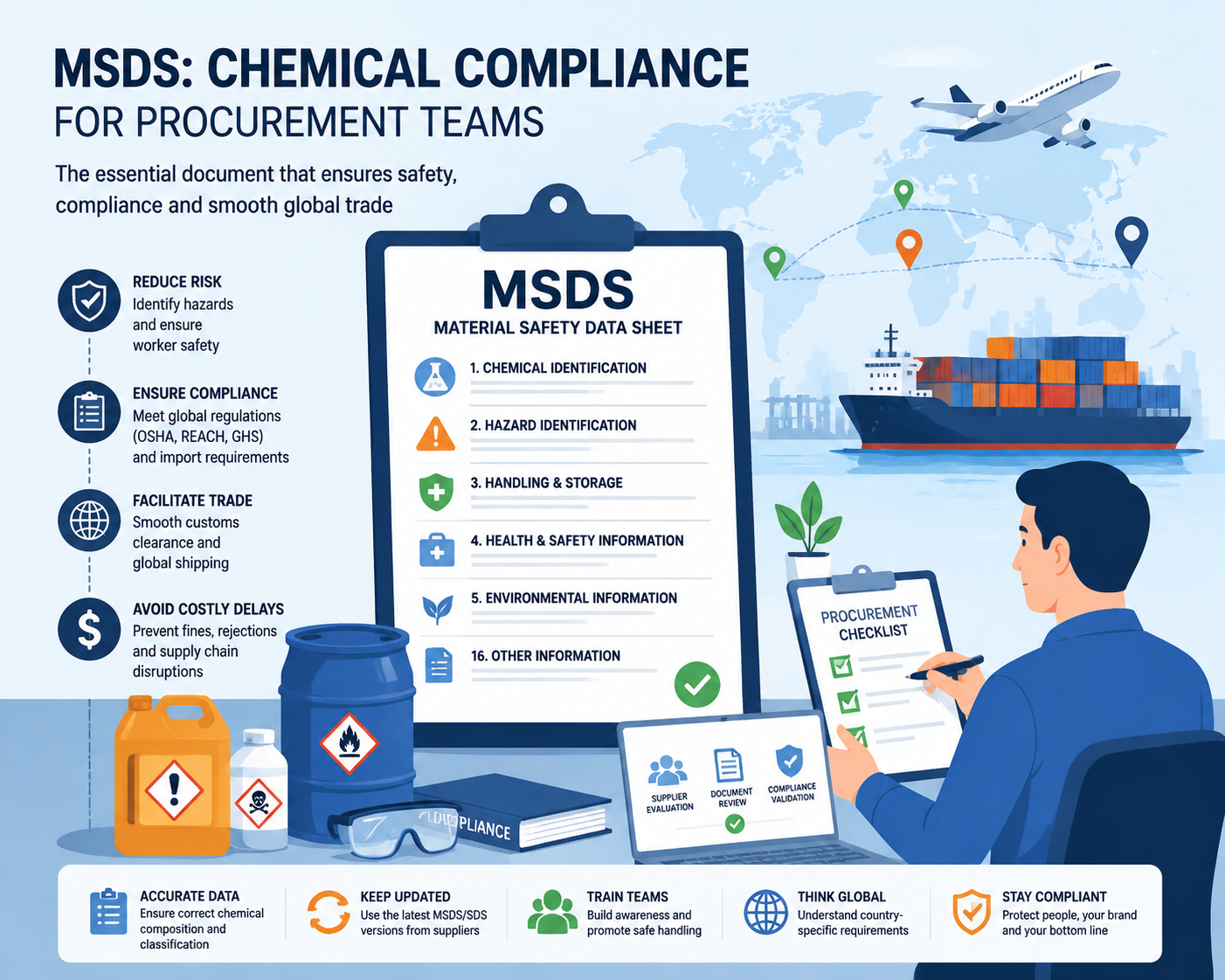
Import documentation requirements
Invoices, packing lists, and shipping documents must align precisely.
Tariff classification accuracy
HS code accuracy directly impacts duties and clearance speed.
VAT and duty handling
Import VAT is calculated based on declared customs value.
11. EU Import Regulations
CE marking rules
Many products require CE compliance before entering the EU market.
Restricted goods regulations
Certain goods require additional approvals and certifications.
Audit readiness
Proper documentation ensures smoother regulatory inspections.
Additional reference: EU Customs & Taxation
12. Cargo Insurance and Risk Management
Coverage types
Insurance ranges from basic liability to full all-risk coverage.
Risk scenarios
Common risks include damage, delay, and cargo loss.
Claim procedures
Claims require structured documentation and evidence trails.
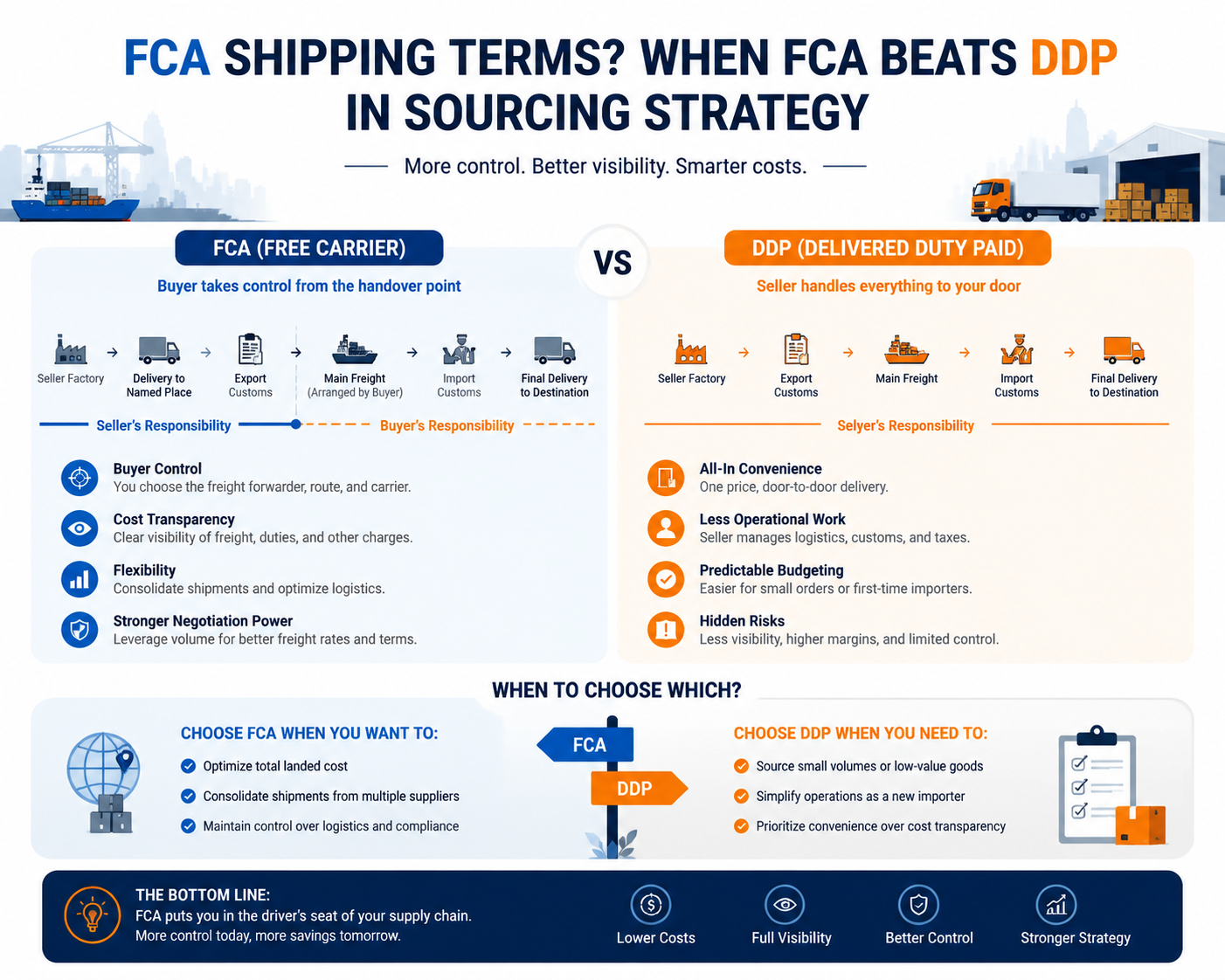
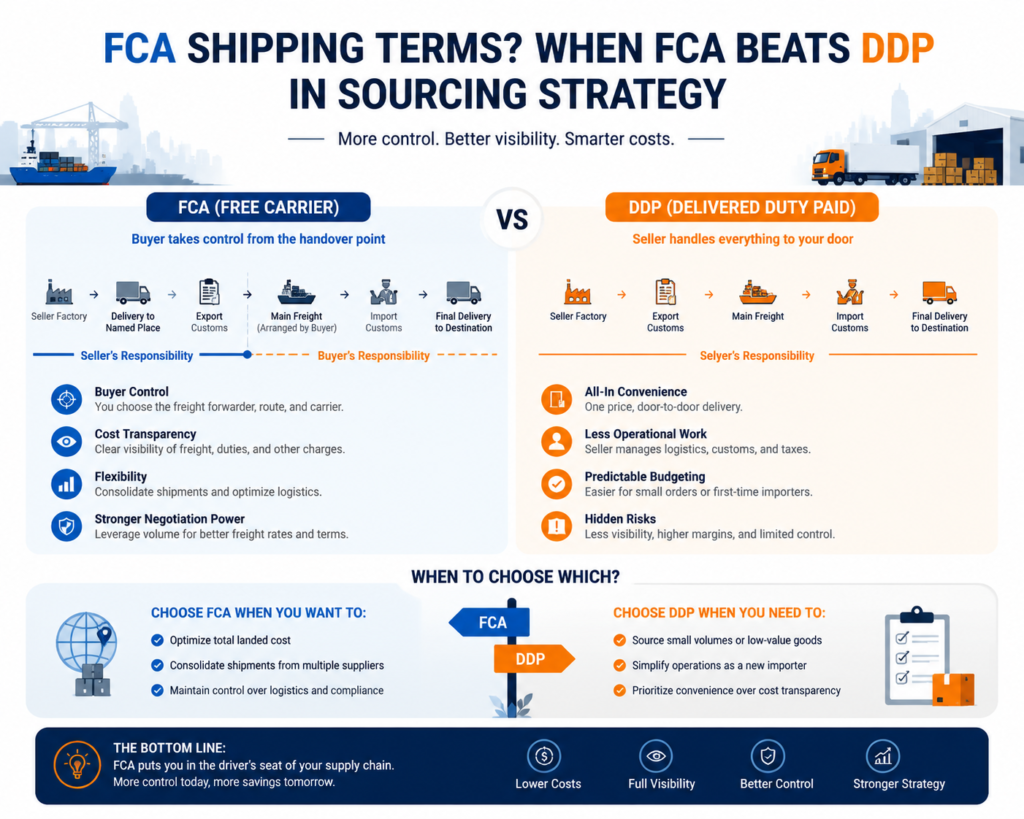
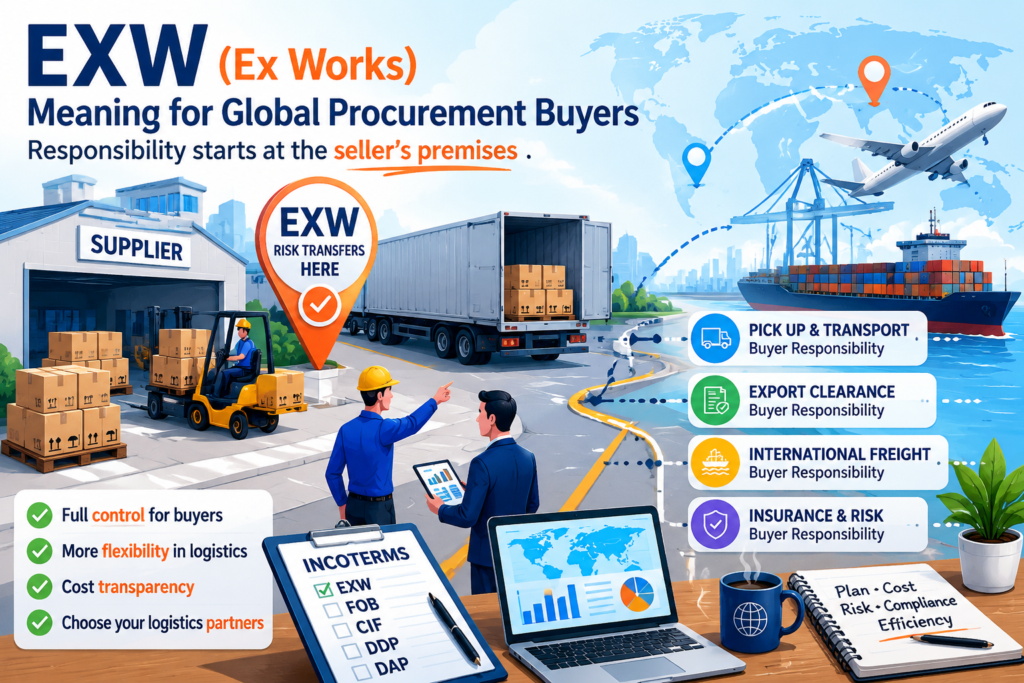
13. DDP vs DAP Shipping Models
Cost responsibility differences
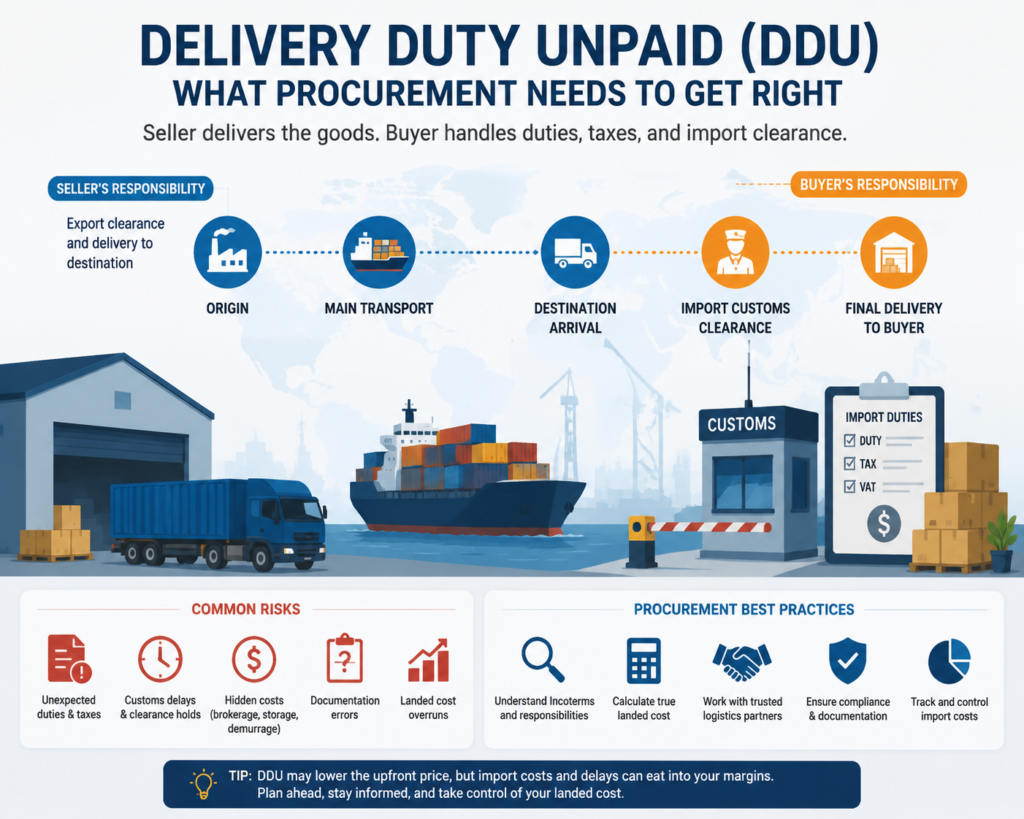
DDP includes full cost responsibility, while DAP shifts import duties to buyers.
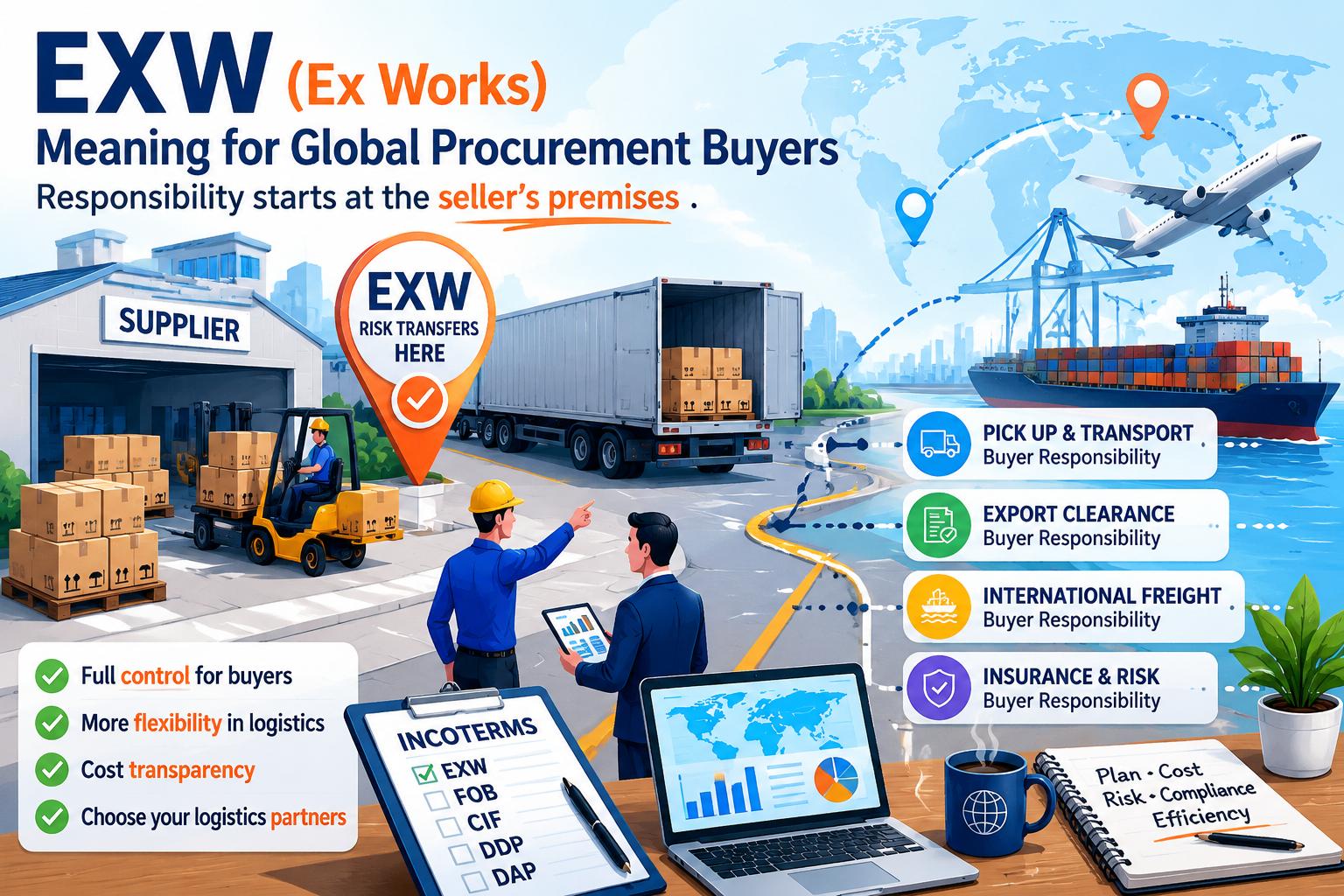
Risk transfer points
Risk allocation depends on agreed Incoterms structure.
Strategic use cases
DDP simplifies procurement, while DAP provides more control.
Reference: Incoterms Rules
14. Warehouse and Distribution in Sweden
Bonded vs non-bonded warehouses
Bonded storage defers duty payments for improved cash flow.
Regional hub selection
Stockholm, Gothenburg, and Malmö serve as key distribution zones.
Last-mile optimization
Efficient delivery networks improve customer satisfaction.
15. Common Logistics Challenges
Port congestion
Seasonal demand spikes create bottlenecks across global ports.
Customs inspection risks
Inspection delays often stem from documentation inconsistencies.
Currency fluctuations
Exchange rate volatility affects landed cost planning.
16. Optimization Strategies
Supplier consolidation
Fewer suppliers improve logistics efficiency and bargaining power.
Route optimization
Balancing cost and speed is key to efficient procurement strategy.
Supply chain visibility systems
Real-time tracking enhances decision-making accuracy across operations.