Table of Contents
1. Introduction to China to Mexico LCL FCL Shipping
1.1 Overview of LCL and FCL Freight Options
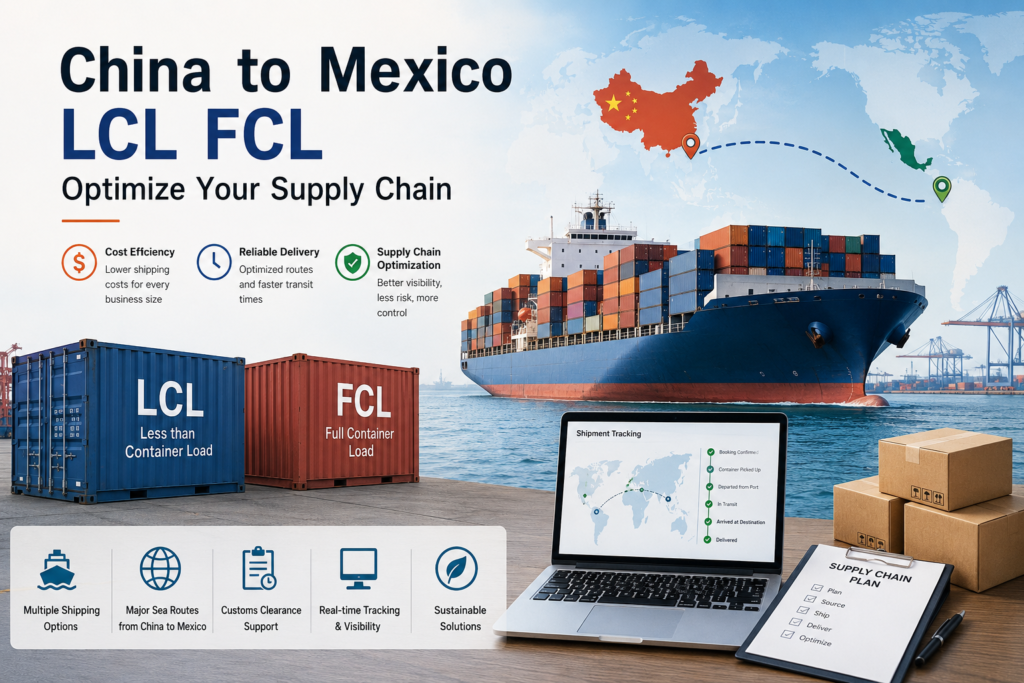
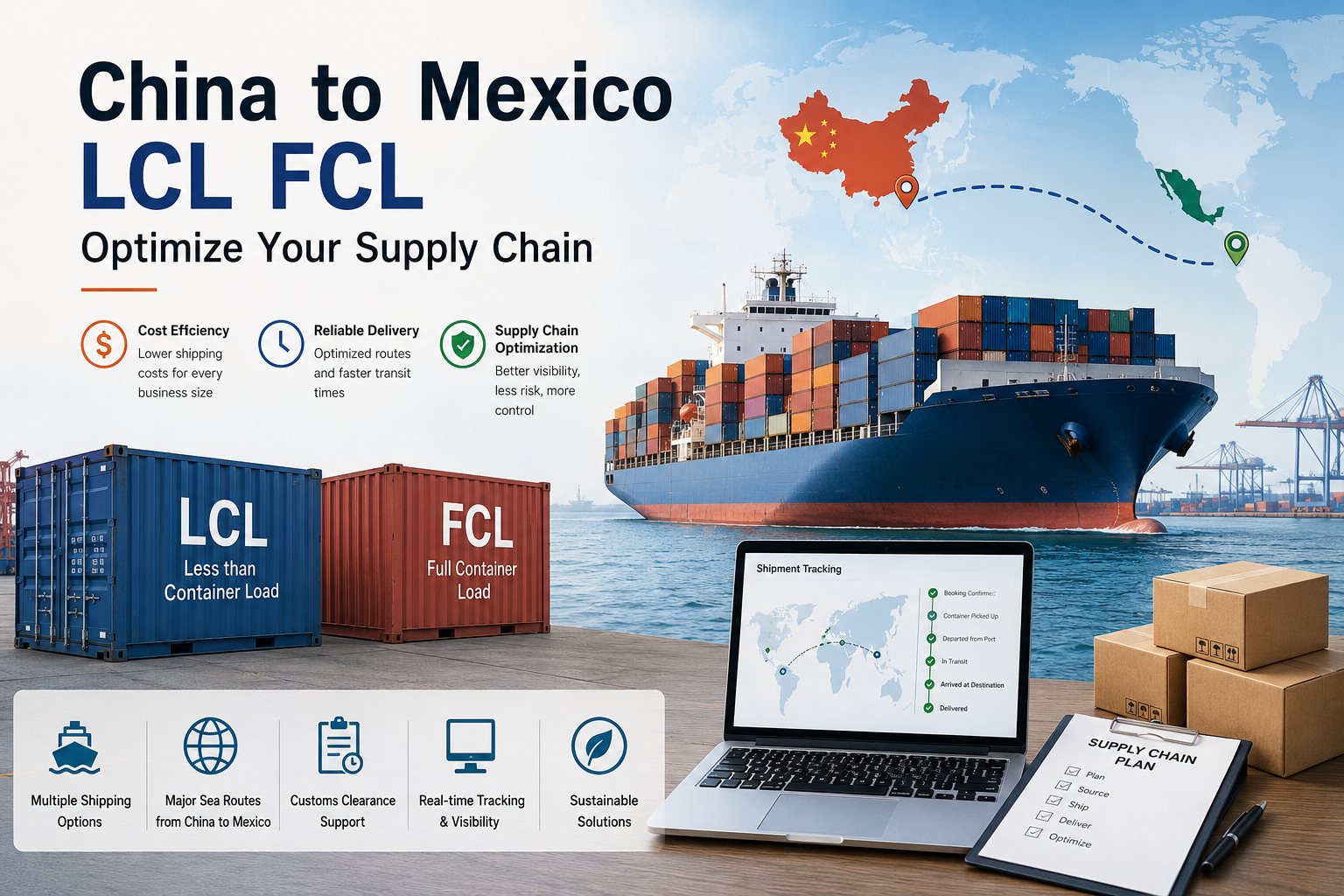
Shipping from China to Mexico comes down to two primary strategies: LCL and FCL. LCL, or Less than Container Load, is like carpooling your goods—multiple shipments share one container, cutting costs for smaller volumes. FCL, or Full Container Load, is your private ride; the entire container is dedicated to your cargo, offering more control and reduced handling risks. Understanding these options is crucial for anyone who wants to avoid last-minute surprises in logistics and maintain consistent inventory flow.
1.2 Importance for Brand Procurement Professionals
For procurement pros, the shipping method chosen directly affects lead times, cash flow, and overall supply chain agility. Making the right call can mean the difference between delivering products on time or scrambling to cover delays, all while balancing cost efficiency with reliability. In an age where every day counts, the savvy procurement engineer treats freight decisions like a chess game—thinking several moves ahead.
1.3 Current Trends in China-Mexico Trade
Trade between China and Mexico has seen a steady uptick in recent years, fueled by rising consumer demand, automotive supply chain integration, and e-commerce expansion. LCL shipments are increasingly favored by startups and SMEs looking to test the waters, while established brands lean on FCL for bulk consistency. Keeping an eye on these trends allows procurement teams to pivot strategies and optimize supply chain planning.
2. Understanding LCL and FCL Freight
2.1 Definition of LCL (Less than Container Load)
LCL is essentially the freight equivalent of splitting the bill at dinner—you pay for only the space you use in a shared container. It is cost-effective for shipments that don’t justify a full container, but it comes with potential delays as cargo consolidators group multiple shipments. Knowing when to use LCL is a balancing act between budget and timing.
2.2 Definition of FCL (Full Container Load)
FCL means having a container all to yourself, ensuring minimal handling and reduced risk of damage. It’s the go-to choice for larger shipments or high-value items where timing and safety cannot be compromised. FCL grants procurement engineers a predictable, streamlined experience, albeit usually at a higher upfront cost.
2.3 Key Differences Between LCL and FCL
The divide between LCL and FCL isn’t just in volume—it extends to handling frequency, cost per unit, transit reliability, and customs processing. LCL demands extra coordination but saves money on small loads, while FCL minimizes touchpoints and logistical uncertainty. Smart procurement pros weigh these factors against the urgency and value of their cargo.
3. Benefits of Using LCL and FCL for Mexico Imports
3.1 Cost Efficiency for Small and Large Shipments
LCL allows small orders to move without the burden of paying for an entire container, whereas FCL optimizes the per-unit cost for large shipments. For brand procurement, this duality enables cost planning that aligns with product cycles, seasonal demand, and budgetary constraints.
3.2 Flexibility in Shipping Schedules
LCL can provide more frequent, flexible sailings, allowing procurement teams to replenish inventory on demand. FCL offers the opposite: scheduled consistency and reliability. Knowing when to leverage either can mean hitting the sweet spot between supply security and operational agility.
3.3 Reduced Inventory Holding Costs
By shipping smaller volumes through LCL, inventory sitting idle in warehouses can be minimized, freeing up working capital. FCL, on the other hand, ensures that larger orders arrive in one fell swoop, reducing the frequency of reorders and handling charges. Both strategies can cut overall costs when orchestrated correctly.
4. Choosing Between LCL and FCL
4.1 Shipment Size and Volume Considerations
Small to medium shipments naturally gravitate toward LCL, while larger consignments make FCL more economically viable. Volume thresholds are pivotal: a misjudged load can result in paying more than necessary or facing delays due to consolidation queues.
4.2 Budget and Cost Analysis
LCL appears cheaper upfront for smaller shipments, but hidden costs like consolidation fees and extended transit times must be factored in. FCL demands more capital upfront but often results in lower per-unit shipping costs. Procurement engineers crunch these numbers meticulously to ensure every dollar spent is justified.
4.3 Delivery Time Expectations
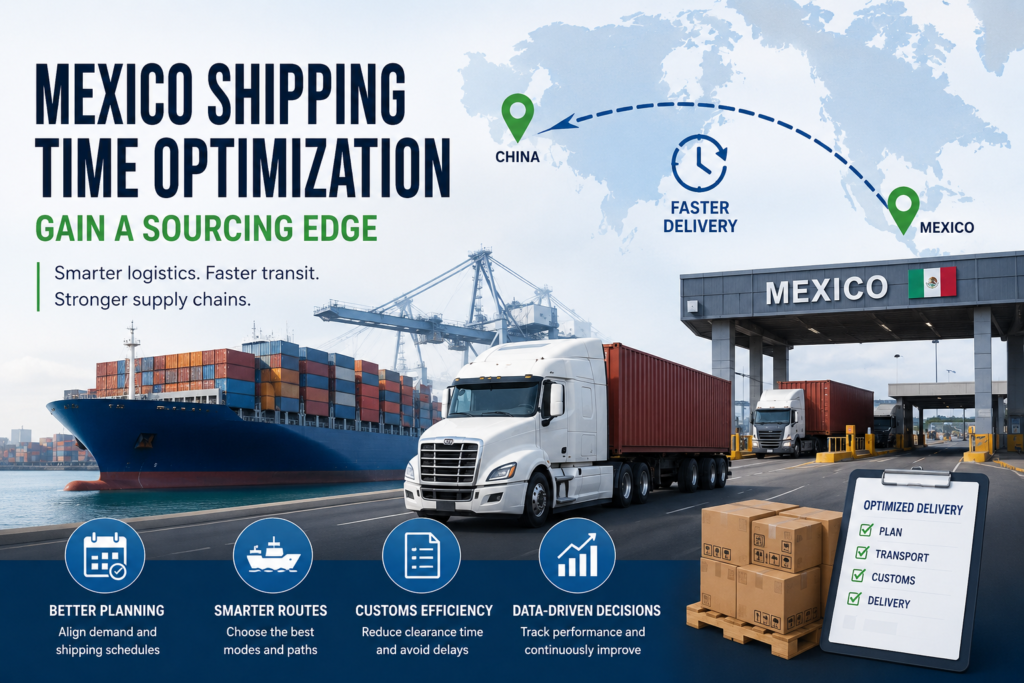
LCL typically involves longer transit due to multiple stops and handling, while FCL is faster and more predictable. For time-sensitive products, FCL might be the only safe bet. Balancing urgency with cost remains the ultimate juggling act.
5. Freight Forwarders’ Role in China to Mexico Shipping
5.1 End-to-End Logistics Management
Freight forwarders act as the air traffic controllers of the shipping world, coordinating vessel bookings, cargo documentation, customs, and inland transport. Their expertise ensures shipments move smoothly from factory floor to port of entry, mitigating risks that could derail delivery schedules.
5.2 Negotiating Shipping Rates
A seasoned forwarder leverages volume, relationships, and market intelligence to secure the best rates. For procurement engineers, this translates to cost savings that directly improve margins and allow more competitive pricing strategies.
5.3 Ensuring Regulatory Compliance
Navigating Mexico’s import regulations, safety standards, and customs requirements is no small feat. Forwarders help avoid compliance pitfalls, fines, and shipment rejections, giving procurement professionals peace of mind and operational stability.
6. Understanding Transit Times and Routes
6.1 Major Sea Routes from China to Mexico
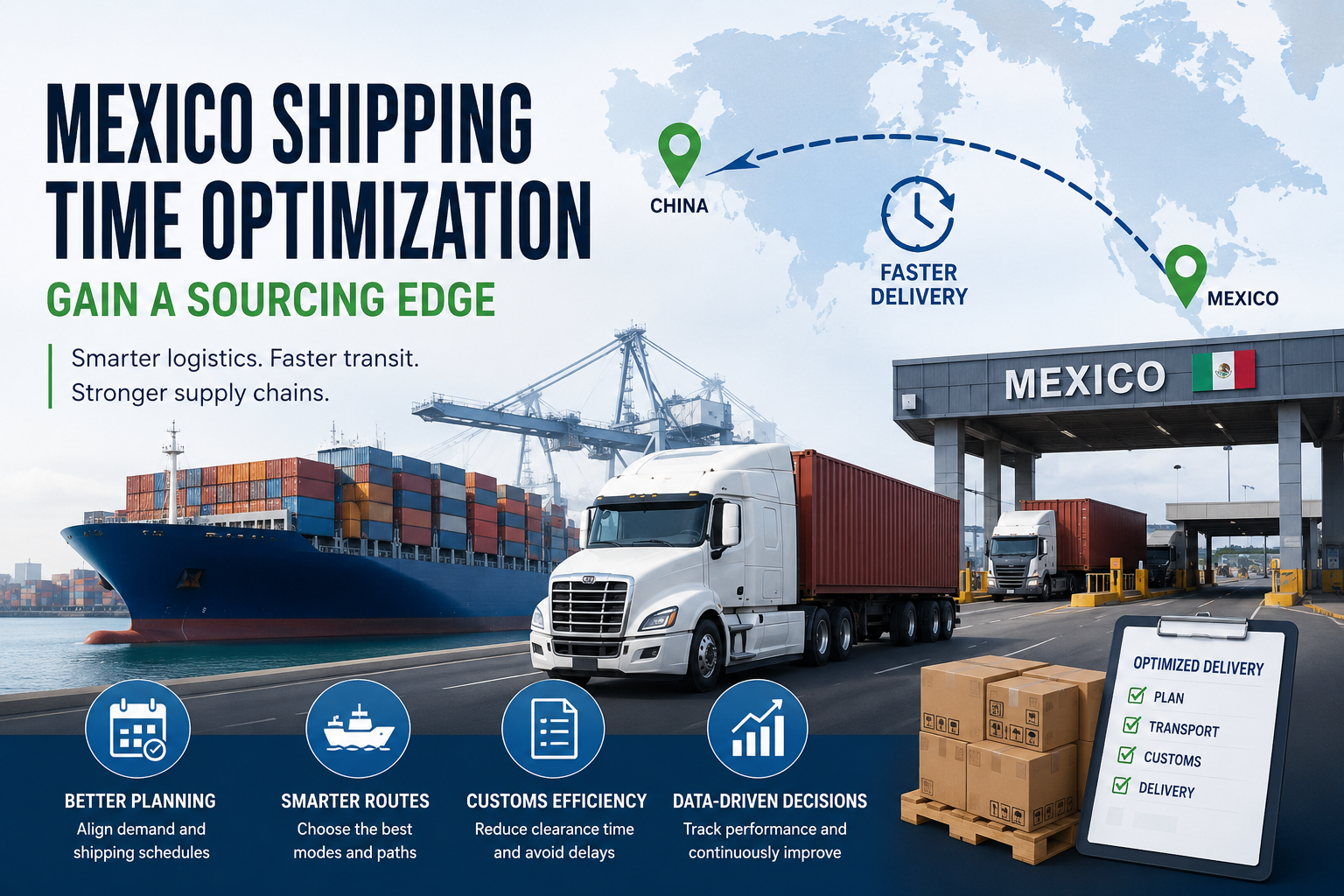
The principal maritime corridors include trans-Pacific routes connecting ports like Shanghai, Shenzhen, and Ningbo to Veracruz, Manzanillo, and Lazaro Cardenas. Route selection influences transit times, cost, and even cargo risk exposure.
6.2 Typical Transit Times for LCL vs FCL
LCL can add extra days or even a week due to consolidation handling, whereas FCL tends to be more direct, with fewer touchpoints. Procurement teams must integrate this into inventory planning to avoid stockouts or overstocking.
6.3 Factors Affecting Shipping Duration
Weather disruptions, port congestion, customs inspection backlogs, and seasonal demand spikes all play a role. A proactive approach involves contingency planning, buffer stock, and close coordination with logistics partners.
7. Cost Components of LCL and FCL
7.1 Ocean Freight Charges
Freight rates are influenced by container size, weight, and volume, as well as market demand and fuel surcharges. Understanding the granular breakdown enables procurement engineers to forecast and negotiate more effectively.
7.2 Port and Handling Fees
Terminal handling charges, loading/unloading fees, and demurrage can inflate costs if overlooked. Precise documentation and pre-arranged schedules help keep these expenses under control.
7.3 Customs Duties and Taxes
Duties vary by product classification and import value. Misclassification or inaccurate invoices can trigger audits and fines. Knowing the regulatory landscape is crucial for accurate budgeting.
8. Customs Clearance for Mexico Imports
8.1 Required Documentation for LCL and FCL
Standard documents include commercial invoices, packing lists, bills of lading, certificates of origin, and import permits. Ensuring every i is dotted and t crossed avoids unnecessary delays.
8.2 Common Customs Challenges
Misdeclared goods, incomplete documentation, and regulatory updates are common pitfalls. Proactive verification and forwarder collaboration mitigate these headaches.
8.3 Tips for Smooth Clearance
Digital pre-clearance, accurate HS codes, and regular communication with customs brokers can shave days off the transit timeline, translating to cost savings and happier stakeholders.
9. Packaging and Cargo Consolidation
9.1 Best Practices for LCL Shipments
LCL cargo should be packed to withstand multiple handling points. Strong crates, protective padding, and standardized palletization reduce the risk of damage.
9.2 Ensuring FCL Cargo Safety
Even though FCL minimizes touchpoints, securing cargo with dunnage, strapping, and moisture protection prevents shifting and contamination during the voyage.
9.3 Consolidation Services to Reduce Costs
Freight consolidators combine smaller shipments into a single container, optimizing space utilization and reducing cost per unit. Strategic consolidation can be a game-changer for budget-conscious procurement teams.
10. Risk Management in China to Mexico Shipping
10.1 Cargo Insurance Options
Full coverage policies protect against damage, loss, and theft. Procurement engineers should weigh coverage limits against premium costs to optimize financial risk management.
10.2 Identifying High-Risk Routes
Certain maritime corridors may experience piracy, adverse weather, or congestion. Risk mapping informs route selection and contingency planning.
10.3 Minimizing Delays and Damage
Proper documentation, packaging, and route optimization, coupled with forwarder oversight, reduces both unforeseen costs and operational headaches.
11. Technology and Supply Chain Visibility
11.1 Tracking LCL and FCL Shipments
In modern freight operations, visibility is no longer a luxury—it is a baseline expectation. Real-time tracking systems allow procurement engineers to monitor container status from origin pickup in China all the way to Mexican port discharge, with granular milestone updates that feel almost like GPS for cargo. LCL shipments often require deeper scrutiny due to multiple handling points, while FCL tracking is comparatively cleaner and more linear. The real value lies in being able to anticipate delays before they snowball into production stoppages.
11.2 Digital Platforms for Procurement Teams
Cloud-based logistics dashboards have become the control tower for procurement departments, integrating booking data, documentation, carrier schedules, and cost analytics into one unified interface. Instead of juggling spreadsheets and email threads like old-school operators, teams can now run supply chains with surgical precision. It is not just convenience—it is operational intelligence baked into daily decision-making, helping teams stay ahead of disruptions rather than reacting to them.
11.3 Data-Driven Decision Making
Freight is increasingly a numbers game, and procurement engineers are leaning heavily on analytics to decide between LCL and FCL strategies. Historical transit data, cost-per-unit modeling, and carrier performance metrics all feed into smarter sourcing decisions. When used correctly, data eliminates guesswork and replaces it with a predictable, almost engineering-grade level of precision.
12. Seasonal and Market Considerations
12.1 High-Demand Shipping Periods
Peak seasons such as pre-Chinese New Year or Q4 holiday buildup can turn shipping lanes into bottlenecked corridors where space is tight and rates climb like a rocket. LCL space becomes particularly constrained as consolidators struggle with overflow demand. Procurement teams who fail to book early often end up paying the last-minute tax, both in cost and delay.
12.2 Impact of Global Trade Fluctuations
Tariff shifts, geopolitical tensions, and currency volatility all ripple through the China–Mexico trade lane. One policy change can suddenly alter landed costs or reroute supply chains entirely. In this environment, flexibility is not optional—it is survival strategy.
12.3 Planning Ahead to Avoid Bottlenecks
Smart procurement planning means locking in capacity early, diversifying carriers, and maintaining buffer inventory when volatility spikes. Think of it as supply chain chess—those who anticipate three moves ahead rarely get caught in congestion traps.
13. Sustainability in China-Mexico Freight
13.1 Reducing Carbon Footprint in Shipping
Environmental pressure is reshaping procurement priorities. Consolidating shipments, optimizing container utilization, and selecting fuel-efficient carriers all contribute to lower emissions per unit shipped. It is no longer just about cost—it is about compliance with global ESG expectations.
13.2 Eco-Friendly Packaging Solutions
Lightweight, recyclable, and space-efficient packaging reduces both environmental impact and freight cost. Procurement engineers increasingly push suppliers to adopt standardized packaging that minimizes wasted cubic space in LCL and improves stacking efficiency in FCL.
13.3 Choosing Green Freight Forwarders
Some logistics providers now offer carbon reporting dashboards and green shipping programs. Partnering with these forwarders is becoming a strategic move for brands aiming to meet sustainability targets without sacrificing supply chain performance.
14.1 Handling Delays and Backlogs
Port congestion, vessel rollovers, and equipment shortages are common pain points. The antidote lies in proactive booking, flexible routing, and maintaining dual shipping strategies between LCL and FCL.
14.2 Managing Documentation Errors
A single typo in a bill of lading can stall cargo for days. Digital validation tools and experienced freight partners help reduce human error, ensuring documentation flows as smoothly as the cargo itself.
14.3 Mitigating Unexpected Costs
Hidden charges like detention, demurrage, or re-handling fees can quietly erode margins. Procurement teams that insist on transparent cost breakdowns upfront are far better positioned to avoid budget surprises.
15. Case Studies of Successful LCL and FCL Shipments
15.1 Small Brand Procurement Success Stories
A mid-sized electronics brand leveraged LCL shipping to test the Mexican market without overcommitting capital. By shipping smaller batches frequently, they maintained agility while scaling demand gradually—classic dip the toe before jumping in strategy.
15.2 Large Volume FCL Shipping Examples
A furniture manufacturer consolidated quarterly production into full container loads, dramatically reducing per-unit logistics costs and improving delivery consistency to Mexican retailers. The FCL model became their backbone for predictable scaling.
15.3 Lessons Learned from Past Shipments
The biggest takeaway across both models is simple: alignment between demand forecasting and shipping mode is everything. Misalignment leads to either cash flow strain or supply shortages—neither of which procurement teams can afford.
16. Optimizing Your China to Mexico Supply Chain
16.1 Combining LCL and FCL Strategically
The smartest procurement strategies do not rely on a single method. Instead, they blend LCL for agility and FCL for efficiency, dynamically switching based on demand cycles and inventory thresholds.
16.2 Partnering with Reliable Freight Forwarders
A strong logistics partner is less a vendor and more an extension of the procurement team. Their insights into routing, pricing, and compliance can significantly tilt the cost-performance balance in your favor.
16.3 Continuous Improvement and Cost Reduction
Supply chain optimization is not a one-time exercise. Regular performance reviews, carrier benchmarking, and process refinement ensure that shipping strategies evolve alongside market conditions.
17. Future Trends in China-Mexico Freight
17.1 Emerging Trade Routes and Ports
New port expansions and intermodal corridors are reshaping transit efficiency between Asia and Latin America. These developments may shorten lead times and redistribute shipping volumes across alternative gateways.
17.2 Technology Advancements in Logistics
AI-driven routing, predictive ETA modeling, and automated customs processing are quickly becoming standard tools. The freight industry is quietly shifting from manual coordination to algorithm-assisted orchestration.
17.3 Implications for Procurement Professionals
Procurement engineers will increasingly operate like data analysts, not just buyers. Decisions will rely more on predictive insights than reactive problem-solving, elevating the strategic importance of logistics expertise.
18. Conclusion and Actionable Takeaways
18.1 Key Points for Optimizing Shipping
The core principle is balance: cost efficiency, timing precision, and risk management must all align. LCL and FCL are not competitors—they are complementary tools in a well-engineered supply chain.
18.2 Steps to Implement Efficient LCL/FCL Strategy
Start with demand mapping, align shipment mode with volume thresholds, integrate reliable freight partners, and leverage digital tracking for full visibility. Execution discipline is what separates average procurement teams from elite ones.
18.3 Final Recommendations for Procurement Teams
Treat logistics as a strategic lever, not a back-office function. Those who master the China–Mexico freight corridor gain a tangible competitive edge in cost control, speed to market, and overall supply chain resilience.
Recommended Resources