Table of Contents
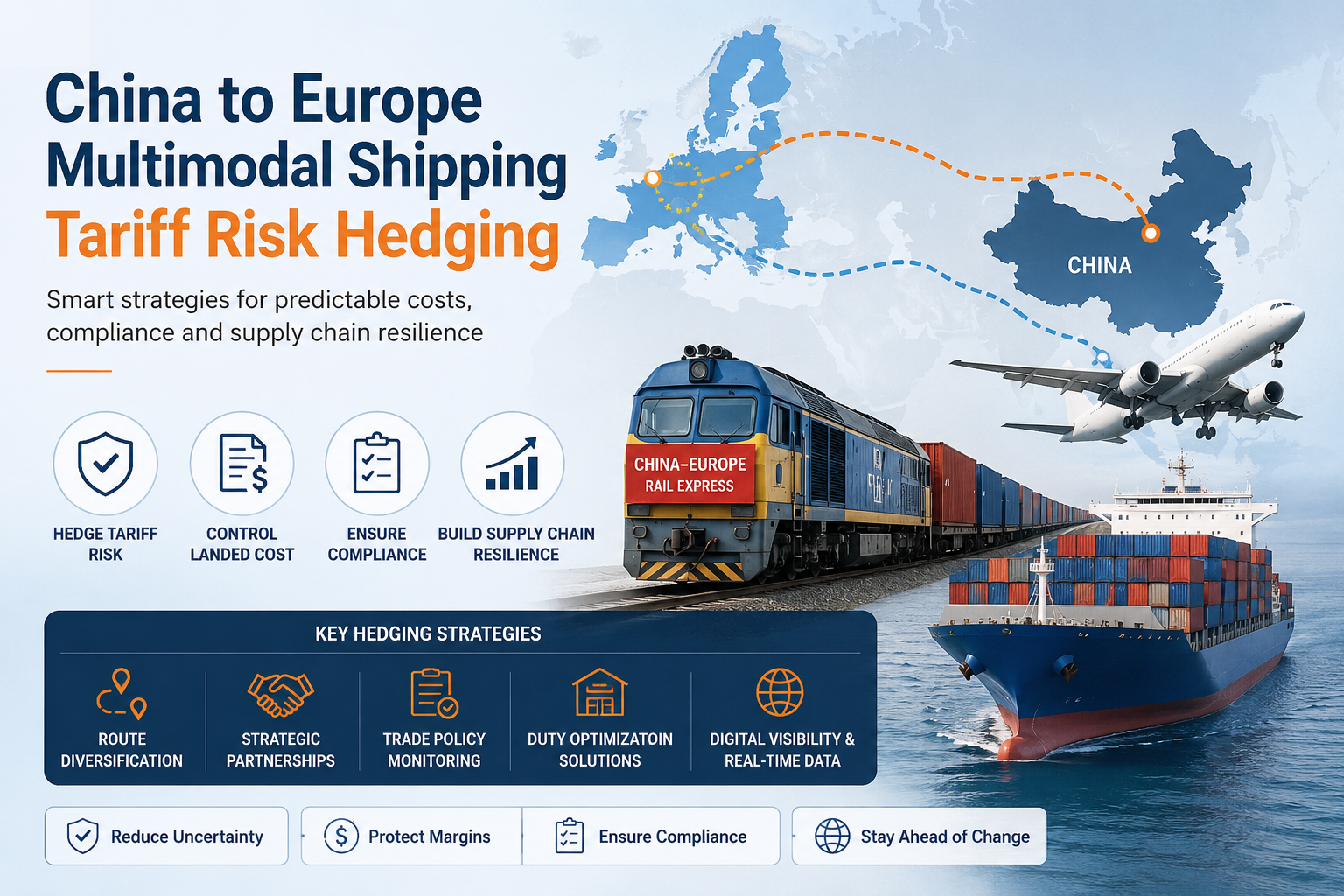
China to Europe Multimodal Shipping Tariff Risk Hedging
1. China to Europe Multimodal Shipping Tariff Risk Hedging Overview
What tariff risk means in global logistics
In day-to-day procurement engineering work, tariff risk is essentially the “silent tax volatility layer” sitting underneath every landed-cost model, and it tends to creep in when least expected, like a wrench thrown into a finely tuned gearbox. It refers to the uncertainty and fluctuation in import duties, customs valuation adjustments, VAT recalculations, and classification disputes that directly distort total landed cost assumptions across international supply chains.
Why multimodal shipping increases exposure
When multimodal shipping enters the equation—sea, rail, and air stitched together like a logistical patchwork quilt—the exposure multiplies because each mode transition introduces a new jurisdictional touchpoint, and each touchpoint carries its own interpretive customs logic, sometimes consistent, sometimes… not so much. In other words, more handovers mean more chances for “interpretation drift,” which procurement teams absolutely dread.
Key stakeholders affected across the supply chain
From a stakeholder perspective, it is not just a freight forwarding concern; it ripples across procurement managers, customs brokers, compliance teams, finance controllers, and even suppliers who may suddenly find themselves caught in tariff reclassification disputes that were never part of the original sourcing calculus. And when things go sideways, the whole chain feels it—nobody gets to stay in their lane quietly sipping coffee.
2. Evolution of China to Europe Trade Routes
Shift from single-mode to multimodal networks
Trade flows between China and Europe have evolved from relatively linear ocean freight corridors into layered multimodal ecosystems where cargo behaves more like a “network traveler” than a fixed-route shipment.
Growth of rail-sea-air integration
Rail-sea integration through Eurasian corridors has expanded significantly, offering a middle-ground alternative that sits between slow-burn ocean freight and high-cost air freight.
Impact of geopolitical trade changes
At the same time, geopolitical friction, trade policy recalibration, and regional regulatory tightening have turned routing decisions into something closer to strategic chess than simple transport selection.
3. Understanding Tariff Structures in EU Trade
Customs duties and VAT mechanisms
EU tariff structures are a layered construct of customs duties, import VAT, and occasional anti-dumping measures that behave like stacked cost filters applied at the border.
HS code classification risks
At the heart of it sits HS code classification, which is deceptively simple on paper but notoriously interpretive in practice. Learn more at Harmonized System.
Country-specific tariff variations
Country-specific variation inside the EU adds another twist, even within a harmonized system.
4. Core Concepts of Tariff Risk Hedging
Definition in supply chain context
Tariff risk hedging in supply chain management is essentially the art of building buffers—financial, operational, and structural—against unpredictable duty exposure.
Financial vs operational hedging approaches
Financial hedging involves forecasting duty scenarios, while operational hedging focuses on routing and warehousing strategies.
Role of logistics providers in mitigation
Logistics providers act as interpreters of regulatory terrain, translating complexity into actionable strategies.
5. Multimodal Shipping Models Between China and Europe
Sea-rail combined transport systems
Sea-rail combined transport has become a cornerstone model balancing cost efficiency with transit speed.
Air-rail express corridors
Air-rail express corridors serve high-value or time-sensitive cargo requirements.
Sea-air hybrid routing strategies
Sea-air hybrid strategies compress timelines while maintaining cost control.
6. Key Tariff Risk Drivers in Multimodal Logistics
Route switching and customs reclassification
One of the biggest tariff risk triggers is route switching across jurisdictions.
Regulatory updates across transit countries
Regulatory updates can alter documentation requirements without warning.
Documentation inconsistencies
Small mismatches in documentation can escalate into customs delays.
7. Role of Customs Clearance in Risk Exposure
Pre-clearance vs destination clearance models
Pre-clearance reduces uncertainty while destination clearance introduces variability.
Brokerage efficiency and compliance gaps
Brokerage capability determines clearance smoothness.
Common customs delay triggers
Valuation disputes and missing certificates are frequent delay causes.
8. Incoterms and Their Impact on Tariff Risk
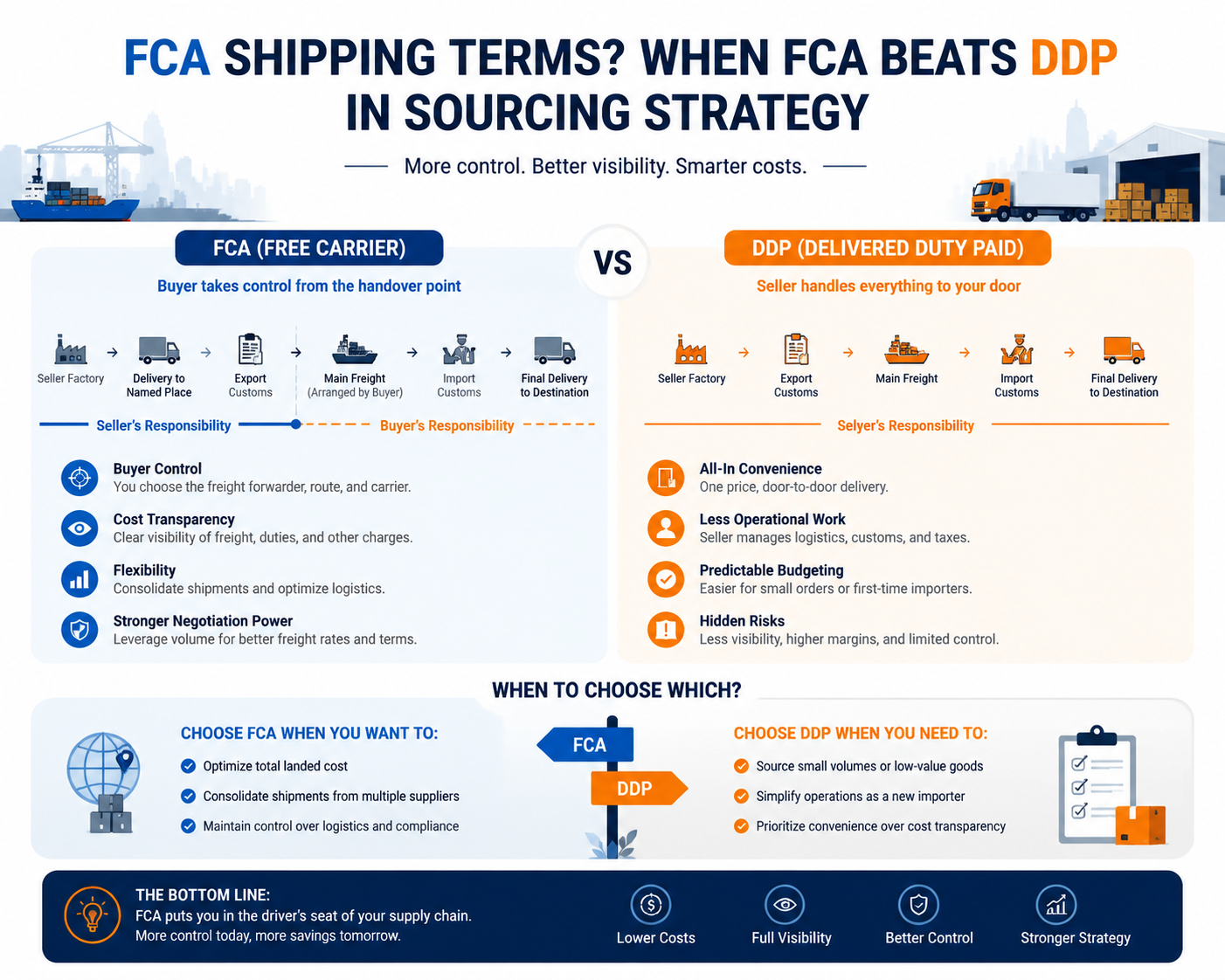
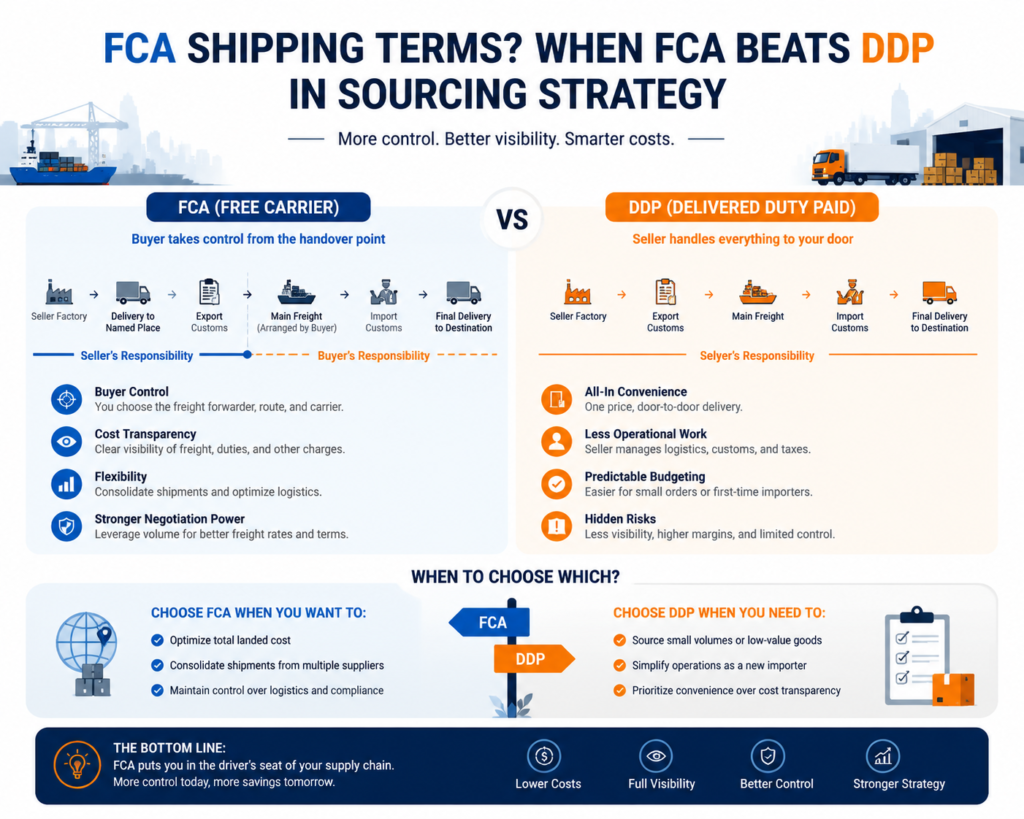
DDP vs DAP risk allocation differences
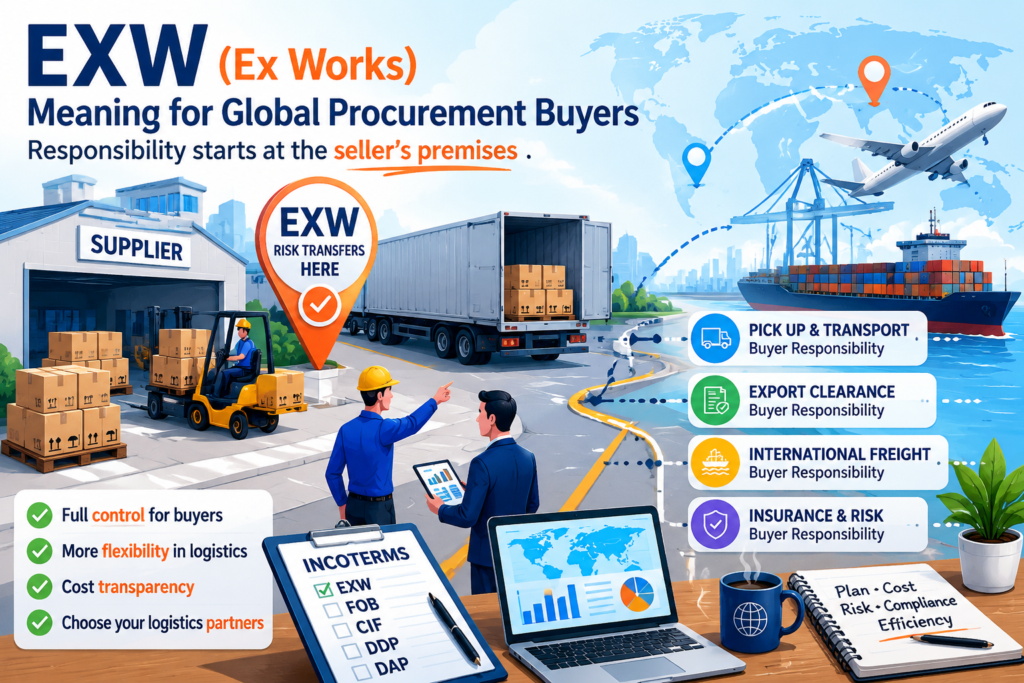
Incoterms define responsibility for tariffs and customs obligations.
Reference: Incoterms
Seller vs buyer responsibility structures
DDP shifts responsibility to sellers while DAP places it on buyers.
How Incoterms influence hedging strategy
They determine who absorbs tariff fluctuation risk.
9. Freight Forwarder Strategies for Risk Hedging
Route diversification planning
Route diversification reduces dependency on single corridors.
Contract structuring with carriers
Contracts stabilize freight rate exposure.
Tariff forecasting and advisory services
Forwarders increasingly provide predictive compliance insights.
10. Duty Optimization Through Supply Chain Design
Bonded warehousing strategies
Bonded warehouses delay duty payments until release.
Free trade zone utilization
Free trade zones optimize value-added processing.
Value-added logistics postponement
Postponement reduces misclassification risk.
11. Use of Free Trade Agreements in Europe Bound Trade
EU trade agreement utilization strategies
FTAs provide preferential tariff opportunities.
Rules of origin compliance requirements
Rules of origin determine eligibility for tariff reduction.
Documentation for preferential tariffs
Accurate certificates are essential for validation.
12. Digitalization in Tariff Risk Management
Real-time customs data integration
Digital systems enhance visibility across borders.
AI-driven tariff classification tools
Automation improves HS code accuracy.
Visibility platforms for shipment tracking
End-to-end tracking reduces uncertainty.
13. Cost Volatility and Freight Rate Correlation
Fuel surcharge impact on landed cost
Fuel costs directly influence total landed pricing.
Seasonal rate fluctuations
Peak season demand increases freight volatility.
Multimodal pricing structures
Each transport leg contributes to cost complexity.
14. Geopolitical Factors Affecting Tariff Stability
Trade policy shifts between major economies
Policy changes rapidly reshape trade routes.
Sanctions and compliance risks
Sanctions can disrupt supply continuity.
Transit country regulatory uncertainty
Intermediate jurisdictions add unpredictability.
15. Risk Hedging Through Contractual Mechanisms
Long-term freight agreements
Long-term contracts stabilize cost exposure.
Tariff escalation clauses
Clauses distribute unexpected tariff increases.
Penalty and protection clauses
They ensure accountability across partners.
16. Inventory Strategy as a Tariff Hedge
Buffer stock positioning in Europe
Buffer stock reduces import timing sensitivity.
Cross-docking optimization
Cross-docking improves flow efficiency.
Demand forecasting alignment
Forecasting reduces overstock risk.
17. Insurance Solutions for Tariff and Customs Risk
Cargo insurance limitations
Standard insurance excludes tariff risks.
Customs bond coverage options
Bonds support clearance disputes.
Political risk insurance applications
Coverage mitigates macro disruptions.
18. Future Trends in China to Europe Multimodal Hedging
Blockchain in customs documentation
Blockchain enhances transparency in customs data exchange.
Automated tariff classification systems
AI systems reduce classification errors.
Expansion of Eurasian logistics corridors
New corridors reshape global multimodal strategy frameworks.