Table of Contents
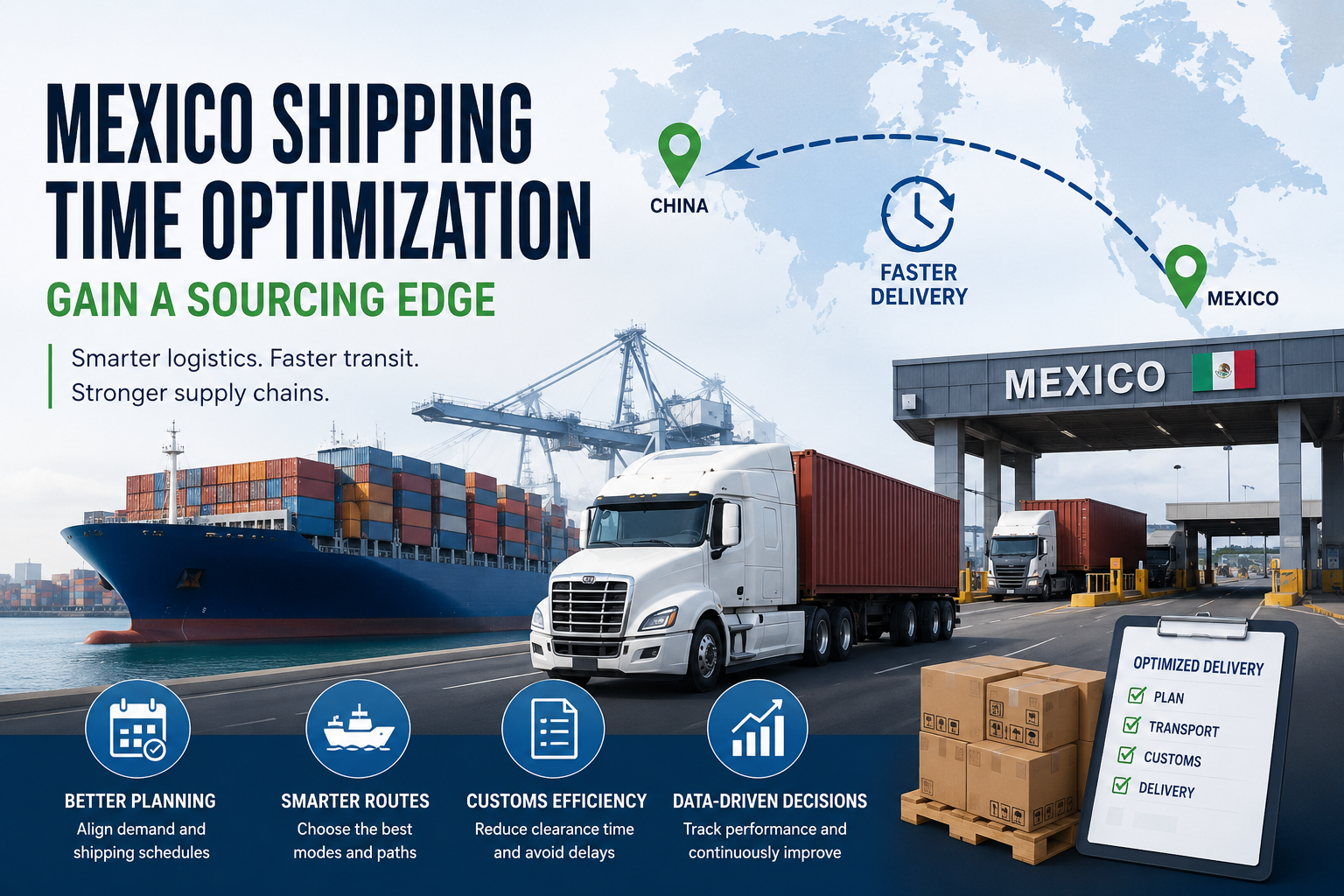
Mexico Shipping Time Optimization: Gain a Sourcing Edge
1. Introduction to Mexico Shipping Time Optimization
1.1 Why Shipping Speed Matters in Global Procurement
In the procurement world, speed is more than just a convenience—it’s a lifeline. When sourcing components from China to Mexico, every extra day on the clock can ripple through your supply chain, triggering delays that frustrate production teams, erode margins, and leave your competitors with the upper hand. Fast shipping isn’t just about getting boxes from point A to point B; it’s about maintaining agility, keeping your inventory lean, and avoiding that dreaded domino effect of stockouts. Procurement professionals know that in a landscape driven by tight deadlines and razor-thin profit margins, shipping speed can be the difference between leading the market or playing catch-up.
1.2 The Impact of Transit Time on Supply Chain Performance
Transit time isn’t just a number on a shipping manifest—it’s a critical performance indicator for your entire supply chain. Longer transit times amplify the risk of inventory shortages, strain warehouse operations, and complicate production scheduling. Conversely, optimized transit times streamline order fulfillment, reduce the buffer stock you have to keep, and improve overall service levels. In short, slow shipping inflates risk, fast shipping delivers peace of mind—and for a procurement engineer, peace of mind translates into measurable operational efficiency.
1.3 How Faster Deliveries Create Competitive Advantages
Speed is a strategic weapon. When your shipments arrive on time—or even ahead of schedule—you can respond faster to market demands, fulfill customer orders without hiccups, and free capital that would otherwise be tied up in inventory. In an era where brands compete on both agility and cost, being able to consistently shave days off your shipping schedule isn’t just operational excellence—it’s a sourcing edge that can outpace competitors who are still stuck in sluggish, conventional logistics approaches.
2. Understanding the Mexico Import Logistics Landscape
2.1 Key Trade Routes into Mexico
Mexico’s geography is unique, offering multiple gateways for imports from Asia. The northern border, connecting to the U.S., is heavily trafficked and offers road and rail advantages, while Pacific ports like Lázaro Cárdenas and Manzanillo handle a substantial portion of ocean freight from China. Each route carries different transit times, risk factors, and cost profiles. Procurement engineers need to map these routes meticulously to identify the fastest and most reliable paths for their products.
2.2 Major Ports, Airports, and Border Crossings
Ports like Veracruz, Manzanillo, and Lázaro Cárdenas act as the nerve centers of import logistics, while airports in Mexico City and Monterrey handle time-sensitive cargo. Border crossings such as Tijuana, Nuevo Laredo, and Ciudad Juárez serve as critical points for trucked shipments. Understanding capacity, congestion patterns, and peak season traffic at these hubs allows procurement teams to anticipate delays and choose the optimal entry points for their cargo.
2.3 Common Logistics Challenges Affecting Transit Times
Shipping to Mexico is fraught with potential pitfalls. Port congestion, customs inspections, local trucking delays, and infrastructural bottlenecks can all extend lead times unexpectedly. For procurement professionals, these challenges aren’t just nuisances—they’re critical variables that must be accounted for when planning shipment schedules, negotiating supplier contracts, and managing inventory buffers.
3. The True Cost of Shipping Delays
3.1 Inventory Shortages and Stockouts
A delayed shipment can quickly snowball into inventory shortages that halt production lines or leave shelves empty. Each day your stock isn’t available, you risk lost sales, strained supplier relationships, and unhappy internal stakeholders. In procurement terms, these shortages translate into hidden costs that are far more painful than the initial shipping expense.
3.2 Production and Sales Disruptions
Delays at the border or in transit ripple across manufacturing schedules, causing assembly lines to idle and pushing back delivery commitments. Sales teams are forced into damage control mode, negotiating with customers or expediting alternative supplies, both of which add operational strain. A minor delay in shipping time can quickly morph into a significant disruption affecting multiple facets of the business.
3.3 Increased Logistics and Emergency Freight Costs
When standard shipping falls short, emergency measures like air freight or premium trucking become inevitable, inflating costs dramatically. Procurement engineers understand that these reactive measures are expensive and often eat into profit margins far more than proactive planning would. Optimizing shipping time isn’t just a convenience—it’s a hedge against runaway emergency costs.
4. Key Factors Influencing Shipping Time to Mexico
4.1 Origin Location and Supplier Geography
The distance between your supplier and the Mexican border directly affects transit time. Suppliers located inland versus coastal hubs present different logistical challenges. Even within China, shipping from Shanghai versus Shenzhen can mean the difference of several days due to port congestion, handling efficiency, and feeder services.
4.2 Transportation Mode Selection
Ocean freight, air freight, or multimodal options each have trade-offs in cost, speed, and reliability. Procurement engineers must weigh the urgency of delivery against budgetary constraints, balancing the need for speed with operational feasibility. Choosing the wrong mode can transform a simple shipment into a prolonged headache.
4.3 Customs Clearance Efficiency
Customs isn’t just a formality; it’s a critical factor affecting total lead time. Incomplete documentation, misclassified goods, or unanticipated inspections can add days, even weeks, to delivery. Engaging skilled customs brokers and maintaining meticulous paperwork is key to avoiding costly delays.
5. Choosing the Right Transportation Mode
5.1 Ocean Freight Transit Considerations
Ocean freight remains the most cost-effective option for bulk shipments, but it comes with vulnerabilities: port congestion, slow transit, and schedule reliability issues. Planning around carrier schedules, buffer times, and seasonal congestion is essential to minimize delays and maintain predictable lead times. More on port congestion can be found at Port Technology International.
5.2 Air Freight for Time-Critical Shipments
Air freight is the golden ticket when time is of the essence. Though more expensive, it dramatically reduces transit time, making it ideal for critical components or replenishment orders. Strategic use of air freight can save production lines from downtime and safeguard customer satisfaction.
5.3 Multimodal Transportation Strategies
Combining sea, rail, and road transport offers a balanced approach: cost-effective yet time-efficient. Multimodal logistics allows flexibility, lets you bypass congested routes, and can improve predictability. Procurement engineers often leverage this strategy to optimize delivery windows without breaking the budget.
6. Planning Shipments Around Demand Cycles
6.1 Forecasting Seasonal Demand
Accurate forecasting is the bedrock of supply chain planning. Understanding peak demand periods allows procurement teams to pre-position stock, plan shipments proactively, and avoid last-minute scrambling. This foresight is critical in industries where demand spikes are predictable but unforgiving. See more about demand planning at SupplyChain247.
6.2 Aligning Procurement Schedules with Transit Times
Procurement schedules should be synchronized with transit durations, factoring in potential delays and buffer times. Aligning purchase orders with expected shipping windows ensures stock arrives just-in-time, maintaining lean inventory while avoiding costly emergency shipments.
6.3 Building Flexible Replenishment Plans
Rigid replenishment cycles can backfire when unexpected delays occur. Flexible plans—allowing for partial shipments, staggered arrivals, or alternative suppliers—enhance resilience, keeping production lines running smoothly and inventory levels optimal.
7. Optimizing Supplier Coordination
7.1 Improving Production Scheduling Accuracy
Supplier-side timing is often where the whole chain either holds steady or starts wobbling like a loose bolt in a gearbox. For procurement engineers, the real game is locking down production schedules that don’t drift like sand in the wind. That means enforcing confirmed lead-time commitments, aligning factory capacity visibility with order placement, and tightening the handshake between demand signals and manufacturing execution. When scheduling is precise, shipping windows become predictable instead of speculative, and the entire downstream logistics flow stops feeling like guesswork.
7.2 Establishing Shipment Readiness Milestones
A shipment that is “almost ready” is not ready at all, and that gap is where delays quietly accumulate. Strong procurement operations define hard milestones—material completion, quality inspection pass, packing readiness, and booking confirmation—each acting like a checkpoint that keeps suppliers honest and aligned. Once these milestones are standardized, shipments stop slipping through vague timelines and start moving like clockwork, reducing last-minute scrambling and costly expedited interventions.
7.3 Enhancing Communication Between Stakeholders
Shipping delays often have less to do with physical logistics and more to do with communication gaps. When suppliers, freight forwarders, and procurement teams operate in silos, misinformation creeps in like rust on a bearing surface. Establishing structured communication channels, shared dashboards, and escalation protocols ensures everyone is on the same page. In practical terms, fewer “surprise delays” show up, and decision-making becomes faster, cleaner, and far less reactive.
8. Reducing Origin Handling Delays
8.1 Faster Cargo Consolidation Processes
Consolidation is where efficiency is either won or quietly lost. When multiple suppliers feed into one shipment, timing mismatches can drag everything down like a weak link in a chain. Optimizing consolidation requires synchronized pickup schedules, pre-grouped cargo staging, and disciplined warehouse flow. When done right, cargo moves out in clean batches instead of fragmented trickles, shaving days off origin handling time without anyone feeling the pinch.
8.2 Warehouse Preparation Best Practices
A chaotic warehouse is a silent killer of shipping timelines. Efficient operations rely on structured slotting, pre-labeled packaging, and strict cut-off schedules that prevent last-minute bottlenecks. Procurement professionals should insist on “ship-ready” warehouse standards where goods don’t just sit—they progress through a controlled flow that feels almost mechanical in precision. This eliminates that classic situation where cargo is technically produced but practically stuck.
8.3 Documentation Readiness Before Dispatch
Paperwork delays are the kind of friction that feels small until it costs you a week. Commercial invoices, packing lists, certificates, and HS codes must be locked before the cargo even leaves the warehouse floor. When documentation is prepared in parallel with production rather than after the fact, export clearance becomes a smooth glide instead of a stop-start process that drags transit timelines off course.
9. Streamlining Export Procedures in China
9.1 Export Documentation Requirements
Export compliance is not just bureaucracy—it is the gatekeeper of velocity. Missing or inconsistent documentation can stall shipments before they even touch the water. For procurement engineers, understanding the exact documentation stack required for each product category ensures fewer surprises. Precision here is non-negotiable; sloppy paperwork leads to inspections, rework, and delays that ripple all the way to Mexico delivery schedules. More information on China's export regulations can be found at Export.gov.
9.2 Customs Filing Accuracy
Customs declarations must be treated like engineering drawings—precise, standardized, and free from ambiguity. Misclassification of goods or inconsistent declared values can trigger scrutiny that derails timelines. When filings are accurate and aligned with product specifications, clearance becomes routine rather than investigative, keeping the shipment flow uninterrupted and predictable.
9.3 Avoiding Inspection-Related Delays
Inspections are not always avoidable, but their likelihood can be dramatically reduced with clean compliance history and consistent documentation patterns. High-risk profiles, inconsistent shipments, or vague product descriptions tend to attract scrutiny. Procurement teams that enforce standardization across suppliers effectively reduce the “red flag” footprint, allowing goods to move through export channels without unnecessary friction.
10. Accelerating Mexico Customs Clearance
10.1 Preparing Complete Import Documentation
On the Mexican side, incomplete paperwork is one of the fastest ways to turn a smooth shipment into a waiting game. Import declarations, certificates of origin, and detailed product descriptions must align perfectly with export records. When everything matches like puzzle pieces, customs clearance becomes a procedural step rather than a bottleneck event.
10.2 Working with Experienced Customs Brokers
A seasoned customs broker is worth their weight in gold when timelines are tight. They understand the local regulatory landscape, anticipate inspection triggers, and know how to navigate procedural nuances that aren’t obvious from the outside. For procurement engineers, this partnership is less about outsourcing and more about risk compression—reducing uncertainty at a critical control point in the supply chain.
10.3 Managing Compliance Requirements Effectively
Compliance in Mexico is not static; it evolves with regulatory updates and enforcement intensity. Staying ahead requires continuous monitoring of import rules, tariff classifications, and sector-specific requirements. Companies that treat compliance as a dynamic system rather than a one-time checklist avoid costly delays and maintain a steady flow of inbound cargo.
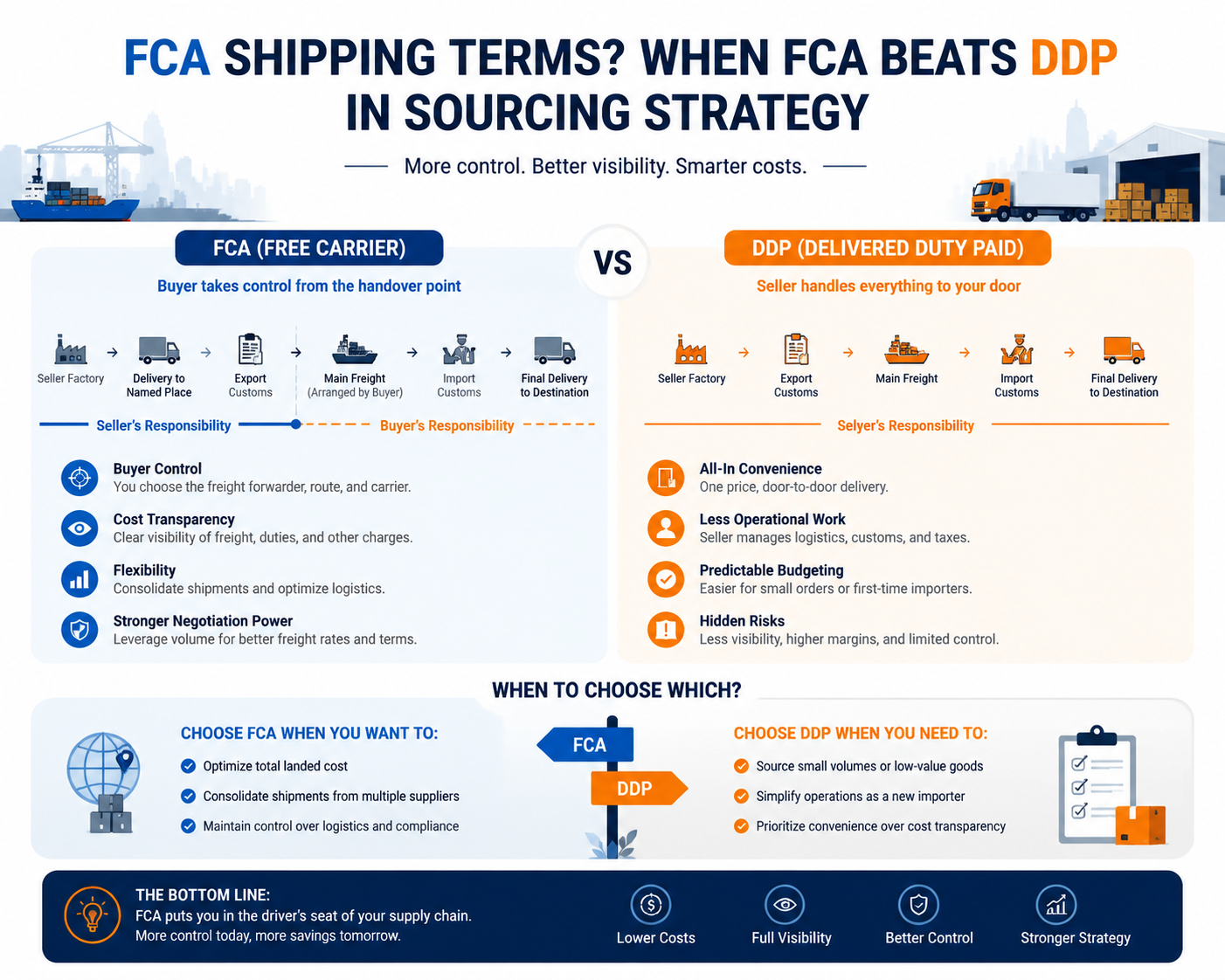
11. Leveraging DDP Solutions for Faster Delivery
11.1 How DDP Simplifies Import Processes
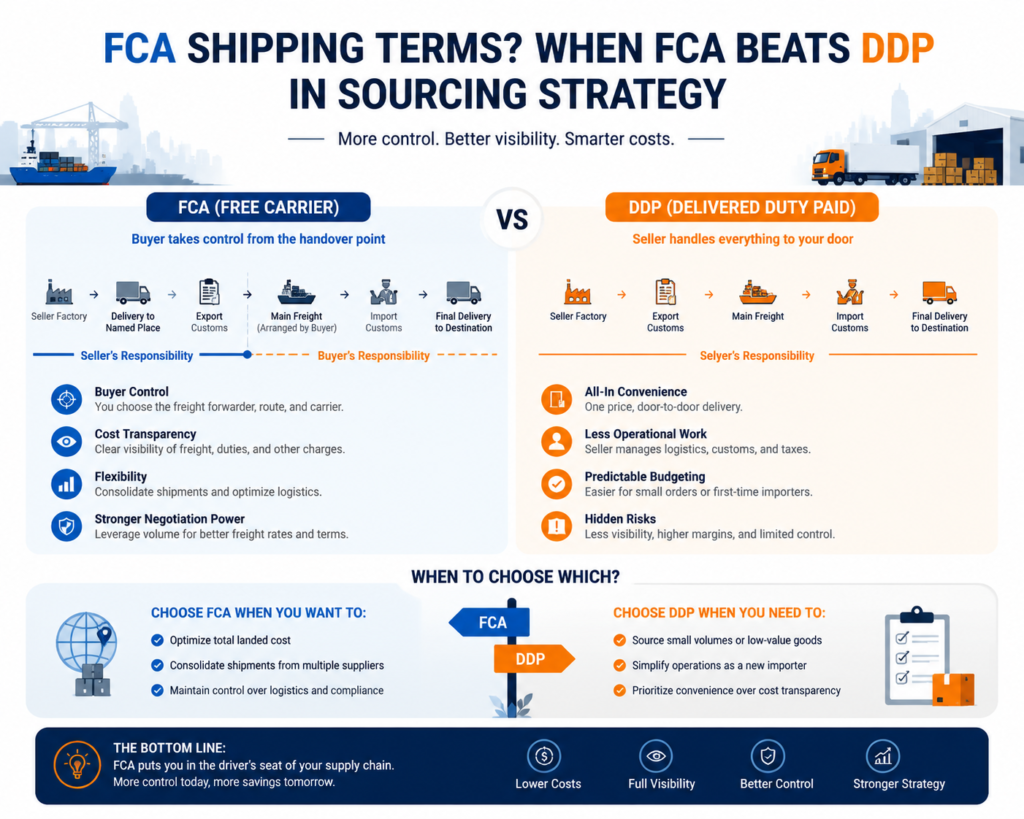
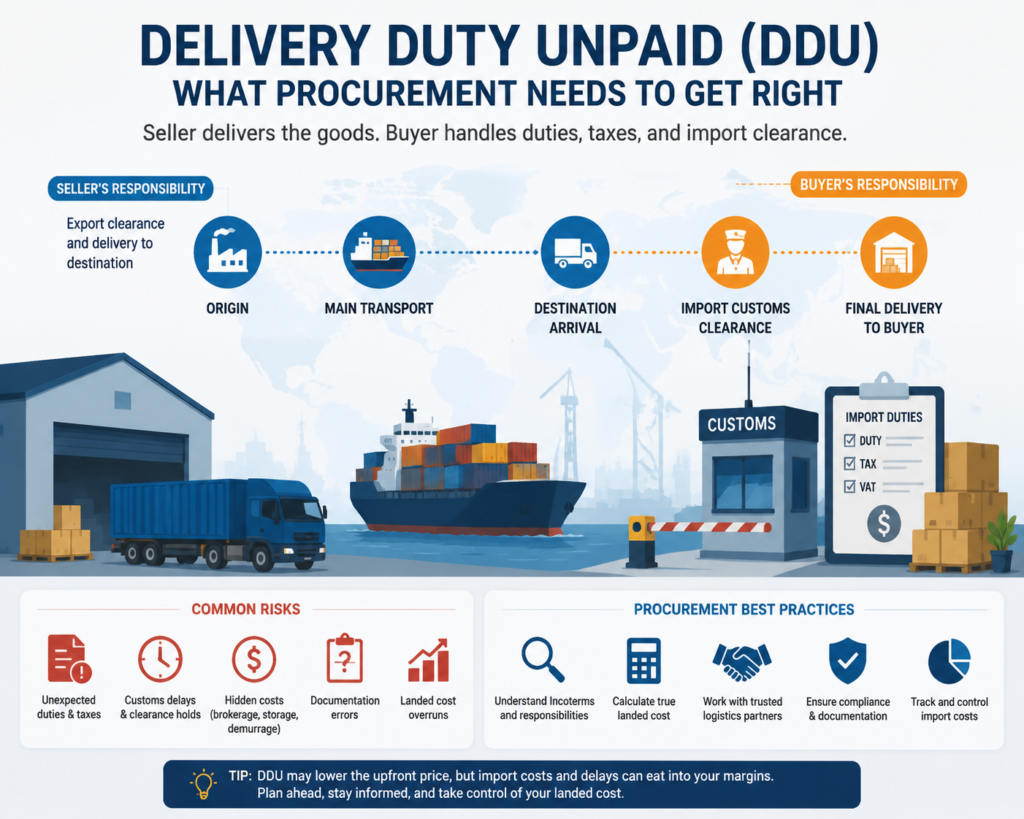
Delivered Duty Paid (DDP) arrangements effectively shift the complexity of import handling away from the buyer. When structured correctly, DDP consolidates customs clearance, duties, and last-mile delivery into a unified process. For procurement engineers, this means fewer moving parts, fewer handoff errors, and a significantly smoother end-to-end transit experience.
11.2 Advantages for Procurement Teams
DDP solutions offer something that every procurement professional quietly values: predictability. With fewer external dependencies and clearer cost structures, planning becomes more stable and less reactive. It also reduces administrative burden, allowing teams to focus on strategic sourcing rather than firefighting shipment exceptions.
11.3 Situations Where DDP Delivers the Most Value
DDP is particularly powerful in high-frequency shipments, time-sensitive production supply chains, and markets where customs complexity is high. In these scenarios, the reduction in friction outweighs the added cost structure, making DDP not just convenient but strategically advantageous for maintaining consistent lead times.
12. Using Data to Improve Shipping Performance
12.1 Measuring Transit Time Variability
Average transit time is only half the story—variability is where the real risk hides. A lane that averages 25 days but swings between 18 and 40 days is far more dangerous than a stable 30-day route. Procurement engineers must track deviation patterns to identify instability before it disrupts production planning.
12.2 Tracking Key Logistics KPIs
Key performance indicators such as on-time departure rate, customs clearance duration, and port dwell time form the backbone of logistics control. When tracked consistently, these KPIs reveal systemic weaknesses that are otherwise invisible in day-to-day operations. It is this data discipline that separates reactive sourcing from engineered supply chain control. Learn more about KPI tracking at APICS.org.
12.3 Identifying Bottlenecks Through Analytics
Data without interpretation is just noise. By mapping shipment timelines end-to-end, bottlenecks become visible—whether at supplier loading, port congestion, or customs inspection. Once identified, these choke points can be systematically addressed, transforming logistics from a black box into a controllable system.
13. Inventory Strategies That Support Shipping Optimization
13.1 Safety Stock Management
Safety stock is not a blunt instrument—it’s a calibrated buffer engineered to absorb the volatility of international transit lanes. For procurement engineers, the challenge lies in avoiding both extremes: too little stock exposes production lines to disruption, while excessive buffers inflate carrying costs and quietly erode working capital efficiency. The real discipline is in tuning safety stock levels against historical lead-time variability, supplier reliability, and seasonality, ensuring the system stays resilient without becoming bloated.
13.2 Regional Inventory Placement
Placing inventory closer to demand clusters in Mexico can significantly reduce pressure on long-haul shipping performance. Instead of relying on a single centralized stock point, distributed inventory nodes create a shock absorber effect across the supply chain. When executed properly, regional warehousing shortens replenishment cycles, improves responsiveness, and reduces the operational anxiety that comes with cross-border uncertainty.
13.3 Balancing Inventory Costs and Service Levels
There is always a silent tug-of-war between cost efficiency and service reliability. Lean inventory strategies minimize capital lock-up but increase exposure to shipping variability, while high service levels demand greater stock commitment. Procurement engineers must continuously recalibrate this balance, using service-level targets as the north star while ensuring logistics performance supports—not undermines—financial discipline.
14. Managing Risks That Extend Transit Times
14.1 Port Congestion and Capacity Constraints
Port congestion is one of those recurring headaches that refuses to behave predictably. Seasonal peaks, carrier imbalances, and operational inefficiencies can transform a smooth routing plan into a bottlenecked queue of delayed containers. Forward-looking procurement teams treat congestion as a structural reality rather than an anomaly, building buffer strategies and alternate routing options into their planning architecture.
14.2 Weather and Natural Disruptions
Weather events introduce a level of unpredictability that even the most sophisticated logistics systems cannot fully neutralize. Hurricanes, storms, and seasonal disruptions can cascade across shipping schedules, affecting both ocean and inland transport. The key is not avoidance but adaptation—diversifying routes, adjusting shipment timing, and maintaining contingency capacity to absorb disruptions without halting production flow.
14.3 Regulatory and Compliance Risks
Regulatory shifts can appear abruptly, reshaping clearance requirements or tightening inspection regimes with little warning. These changes often introduce friction into otherwise stable trade lanes. Procurement engineers must stay alert to policy evolution and maintain flexible documentation systems that can pivot quickly without causing downstream disruption.
15. Technology Tools for Shipping Time Optimization
15.1 Real-Time Shipment Visibility Platforms
Visibility platforms act as the nervous system of modern logistics operations, providing live tracking across every node of the shipment journey. Instead of reacting to delays after they occur, procurement teams can anticipate disruptions and adjust downstream plans accordingly. This level of transparency transforms uncertainty into manageable variance.
15.2 Automated Logistics Management Systems
Automation reduces manual friction in booking, documentation, and coordination processes that traditionally slow down shipping cycles. By eliminating repetitive administrative tasks, logistics teams gain speed, consistency, and a significant reduction in human error. In high-volume procurement environments, automation is no longer optional—it is structural necessity.
15.3 Predictive Transit Time Analysis
Predictive analytics reshapes logistics planning from reactive to anticipatory. By analyzing historical shipment data, seasonal patterns, and lane performance variability, systems can forecast likely delays before they occur. This allows procurement engineers to proactively adjust schedules, allocate buffers intelligently, and maintain continuity even in volatile conditions.
16. Working with the Right Freight Forwarder
16.1 Capabilities to Look for in a Logistics Partner
The right freight forwarder is less a vendor and more an operational extension of your procurement engine. Critical capabilities include stable transit performance, deep customs expertise, and strong carrier relationships. Without these foundations, even well-planned logistics strategies tend to degrade under real-world pressure.
16.2 Questions Procurement Teams Should Ask
Effective evaluation goes beyond pricing discussions. Questions should probe consistency of transit times, exception handling protocols, and historical performance across similar trade lanes. A forwarder’s ability to respond clearly and transparently often reveals more than any formal presentation ever could.
16.3 Performance Metrics for Evaluating Providers
Evaluation must be grounded in measurable indicators such as on-time delivery rate, customs clearance efficiency, and delay frequency distribution. Procurement engineers should treat these metrics as non-negotiable benchmarks, ensuring logistics partners are held accountable to operational realities rather than theoretical commitments.
17. Building a Long-Term Mexico Logistics Strategy
17.1 Creating Standard Operating Procedures
Standard operating procedures bring structure to complexity, ensuring every shipment follows a defined and repeatable pathway. This reduces variability, improves coordination, and eliminates ambiguity across cross-border operations. Over time, SOPs become the backbone of logistics reliability.
17.2 Establishing Continuous Improvement Processes
Logistics performance is never static, and treating it as such leads to gradual degradation. Continuous improvement loops—data review, root-cause analysis, and process refinement—ensure the system evolves alongside shifting trade conditions and operational demands. This iterative mindset is what separates mature supply chains from fragile ones.
17.3 Scaling Logistics Operations as Demand Grows
As volume increases, complexity expands disproportionately. Without scalable logistics architecture, minor inefficiencies compound into systemic delays. Structured scaling ensures that growth enhances capability rather than overwhelming it, maintaining stability even under increased operational load.
18. Best Practices for Gaining a Sourcing Edge
18.1 Combining Speed, Cost, and Reliability
True optimization is a balancing act, not a single-variable pursuit. Procurement engineers must continuously evaluate trade-offs between speed, cost, and reliability, ensuring that decisions are aligned with broader business priorities. The strongest supply chains are those that optimize across all three dimensions simultaneously rather than over-indexing on one.
18.2 Developing Resilient Supply Chains
Resilience is built through redundancy, flexibility, and intelligent planning. Multiple sourcing options, diversified transport routes, and adaptive inventory strategies collectively form a system capable of absorbing shocks without significant performance degradation. In volatile global trade environments, resilience is no longer optional—it is foundational.
18.3 Turning Logistics Performance into Competitive Advantage
When logistics execution becomes predictable and efficient, it evolves from a cost center into a strategic differentiator. Companies that consistently deliver faster and more reliably gain leverage in negotiations, improve customer satisfaction, and strengthen market positioning. In essence, logistics excellence quietly becomes a competitive weapon.
19. Conclusion
19.1 Key Takeaways for Procurement Professionals
Optimizing shipping time between China and Mexico requires a systemic approach that integrates supplier coordination, customs efficiency, transportation strategy, and data-driven decision-making. Each component influences the others, forming a tightly interwoven operational ecosystem.
19.2 Immediate Actions to Improve Shipping Performance
Immediate improvements often begin with tightening documentation processes, enhancing visibility across shipments, and aligning supplier schedules with realistic transit expectations. These foundational steps deliver measurable gains without requiring large structural overhauls.
19.3 Future Trends in Mexico Logistics Optimization
The future of Mexico-bound logistics is increasingly shaped by digitalization, predictive analytics, and deeper integration across cross-border supply chains. As systems become more intelligent and interconnected, procurement teams will shift further from reactive management toward proactive orchestration of global flows.