Table of Contents
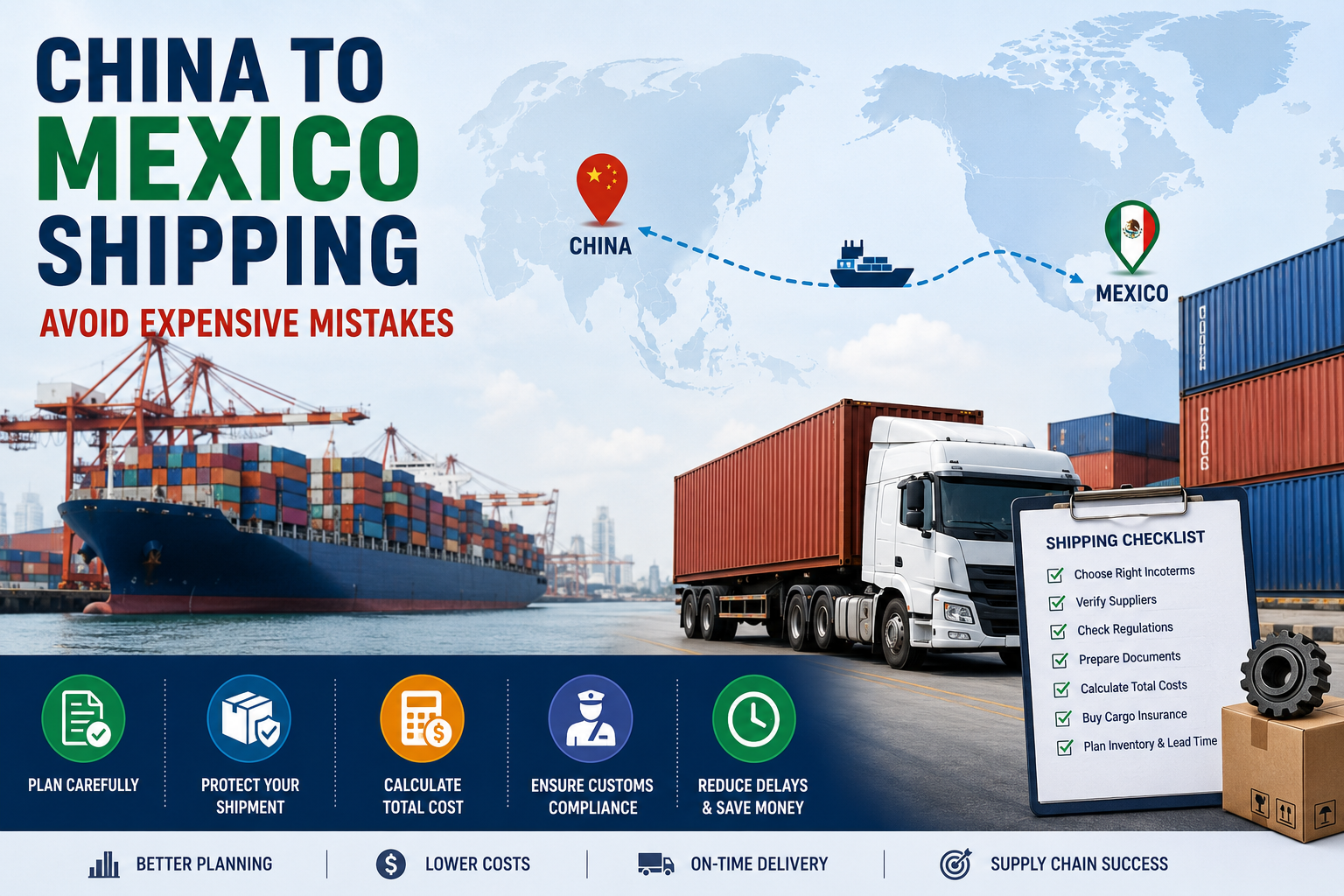
China to Mexico Shipping: Avoid Expensive Mistakes
1. Introduction to China to Mexico Shipping
1.1 Why Mexico Is a Key Import Market
Mexico serves as a pivotal hub in the Americas, bridging North and Latin American markets, making it a hotspot for procurement engineers looking to optimize supply chains. With its strategic proximity to the U.S., robust manufacturing base, and a growing appetite for high-quality imported components, Mexico’s import market is no small fry. For mechanical engineers sourcing precision machinery or high-tolerance parts, understanding Mexico’s market dynamics can make or break project timelines and budgets.
1.2 Growing Trade Between China and Mexico
Trade between China and Mexico has been on an exponential trajectory, with bilateral commerce expanding across industrial components, consumer electronics, and automotive parts. The Mexico-China trade corridor has evolved from sporadic shipments into a structured, high-volume supply chain network, demanding meticulous planning and foresight from procurement teams to prevent bottlenecks and unexpected cost escalations.
1.3 Common Challenges Faced by Importers
Importers often encounter customs complexity, unpredictable transit schedules, hidden surcharges, and documentation errors. Add in regulatory divergence and language barriers, and the logistics chain begins to resemble a finely tuned gearbox exposed to misalignment—small deviations lead to amplified inefficiencies.
2. Understanding the China to Mexico Supply Chain
2.1 Main Shipping Routes
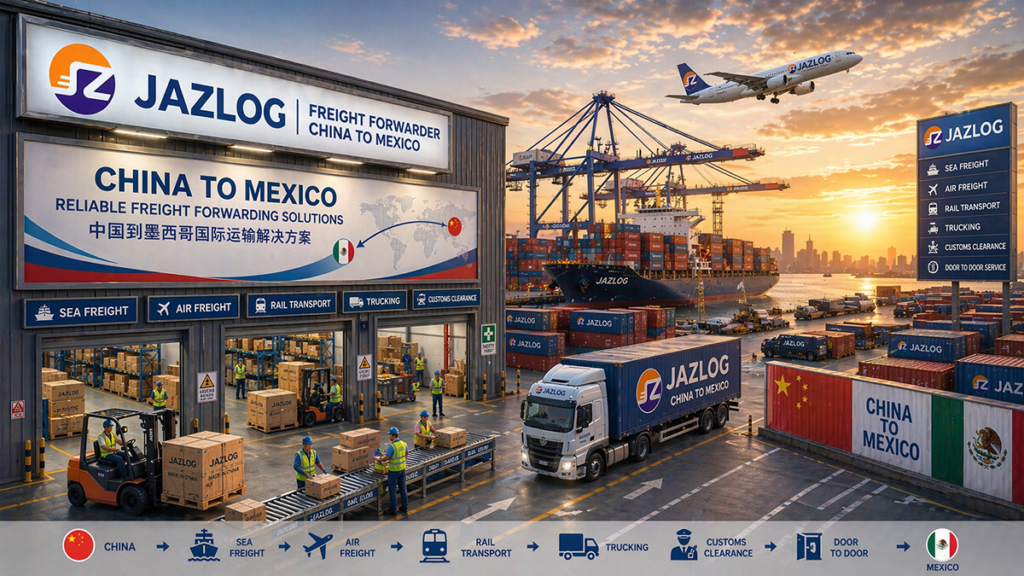
Primary shipping routes originate from major Chinese ports such as Shanghai, Ningbo, and Shenzhen, moving across the Pacific Ocean toward Mexican ports like Manzanillo and Lázaro Cárdenas. Route selection impacts transit time, freight cost, and congestion exposure.
2.2 Key Stakeholders in the Logistics Process
The supply chain involves manufacturers, freight forwarders, customs brokers, carriers, port operators, and inland trucking providers. Coordination across these entities is essential for maintaining throughput stability and minimizing lead time variability.
2.3 How Cargo Moves From Factory to Final Destination
Cargo transitions from production facilities to consolidation warehouses, then to ocean or air transport, followed by customs clearance and inland delivery. Each stage introduces potential failure points requiring tight control and documentation discipline.
3. Common Shipping Methods From China to Mexico
3.1 Ocean Freight
Ocean freight remains the dominant mode for bulk shipments due to cost efficiency. FCL and LCL options allow scalable logistics planning, though engineers must account for longer lead times and port handling constraints.
3.2 Air Freight
Air freight is selected for high-value or urgent components where downtime cost exceeds transport cost. It offers rapid transit but significantly higher per-unit shipping expense.
3.3 Express Courier Services
Courier networks such as DHL, FedEx, and UPS provide door-to-door delivery for small shipments with high reliability and tracking precision, though at premium pricing levels.
4. Choosing the Right Shipping Method
4.1 Cost Considerations
Total landed cost analysis includes freight charges, customs duties, taxes, insurance, and local handling fees. Procurement decisions should optimize total system cost rather than unit freight cost alone.
4.2 Transit Time Requirements
Production schedules and assembly deadlines dictate transport mode selection. Delays can trigger downstream bottlenecks, idle labor costs, and contractual penalties.
4.3 Product Type and Shipment Size
Fragile, high-precision, or oversized components require tailored logistics strategies involving specialized packaging, container optimization, and handling protocols.
5. Expensive Mistake #1: Selecting the Wrong Incoterms
5.1 Overview of Common Incoterms
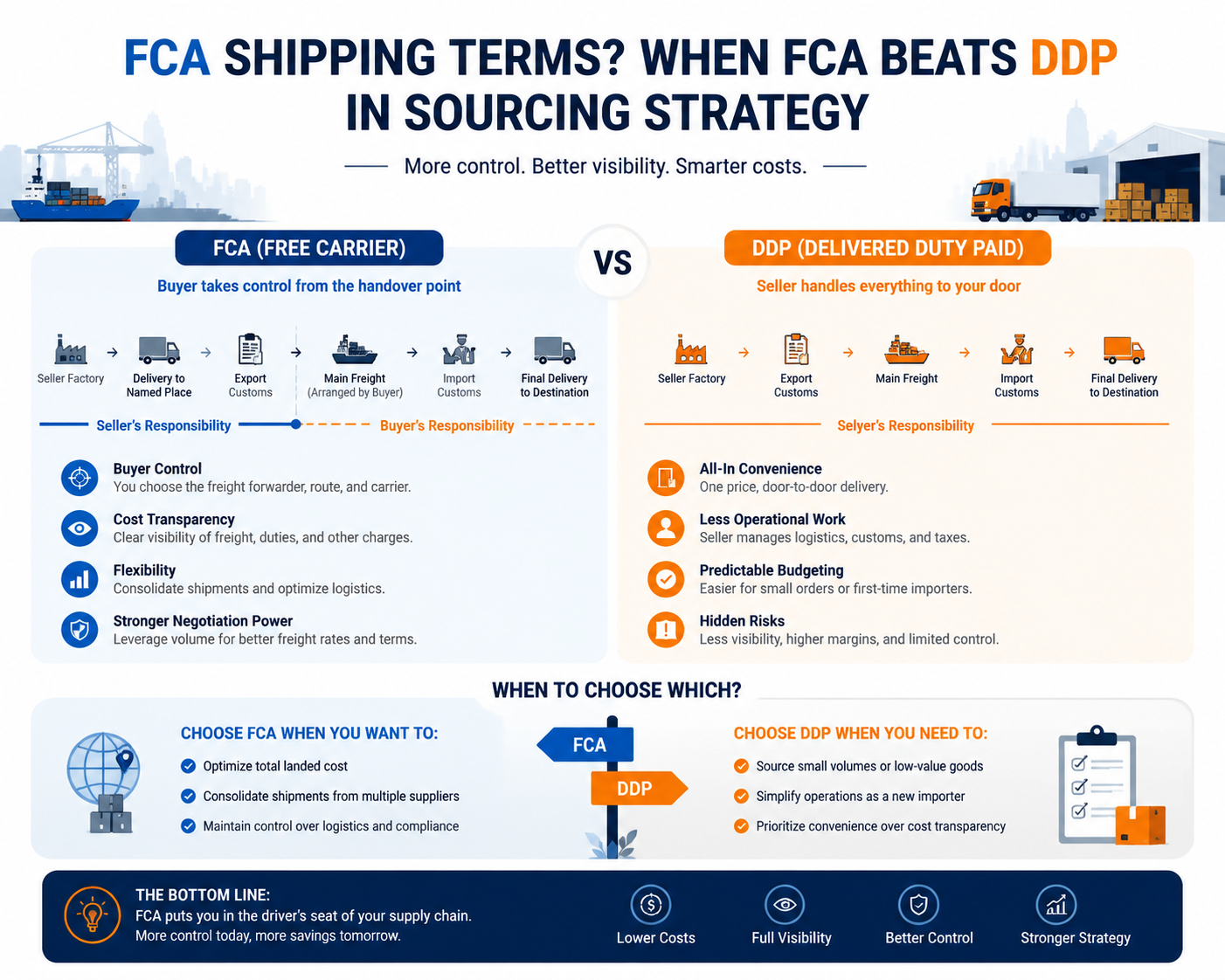
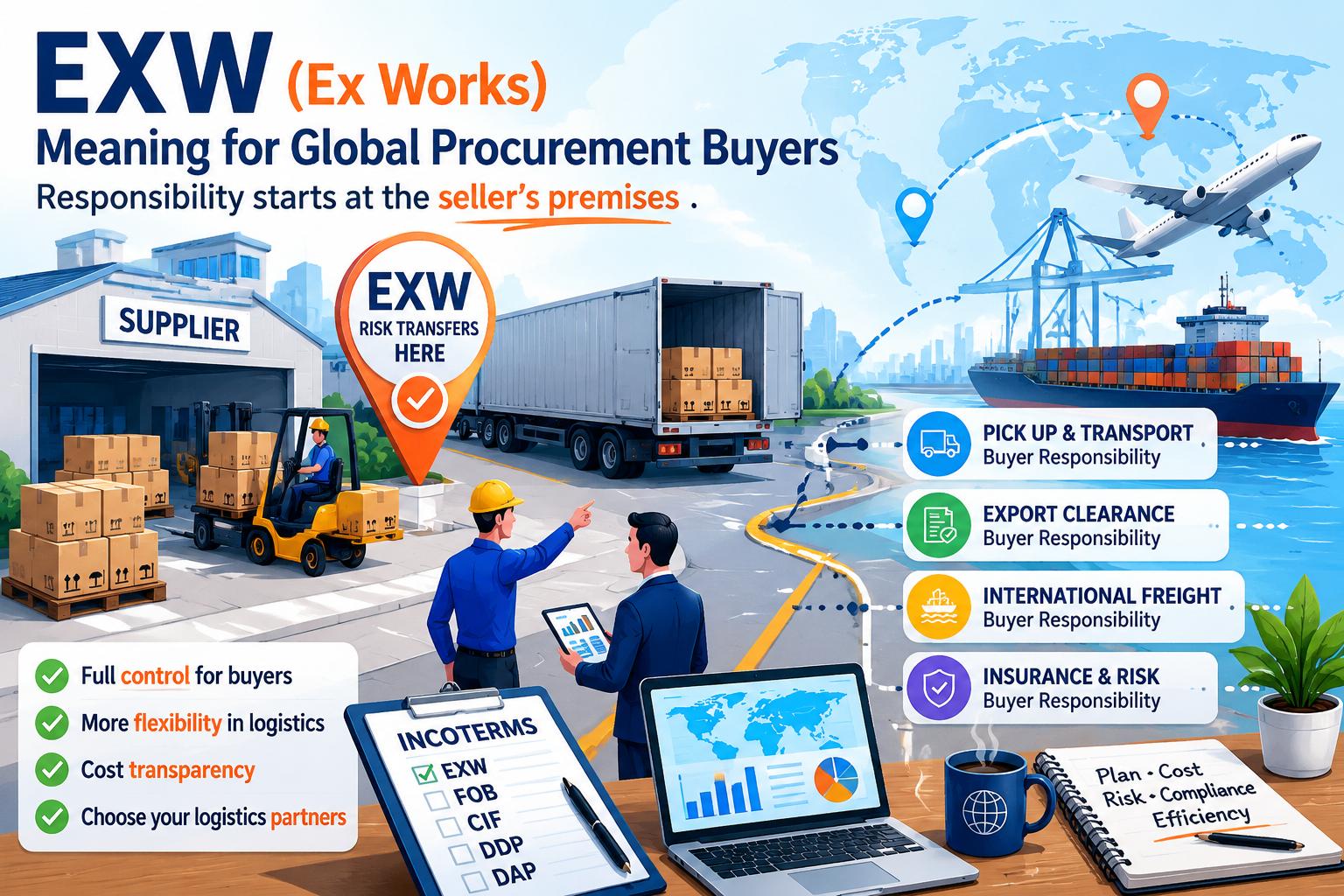
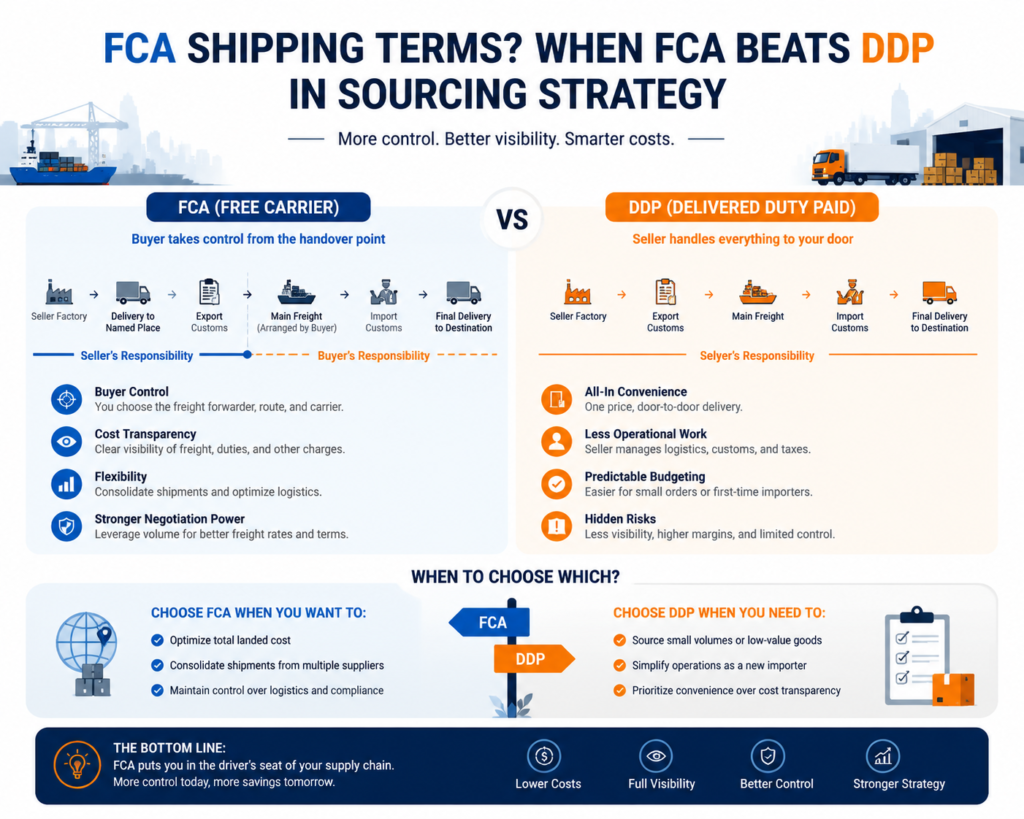
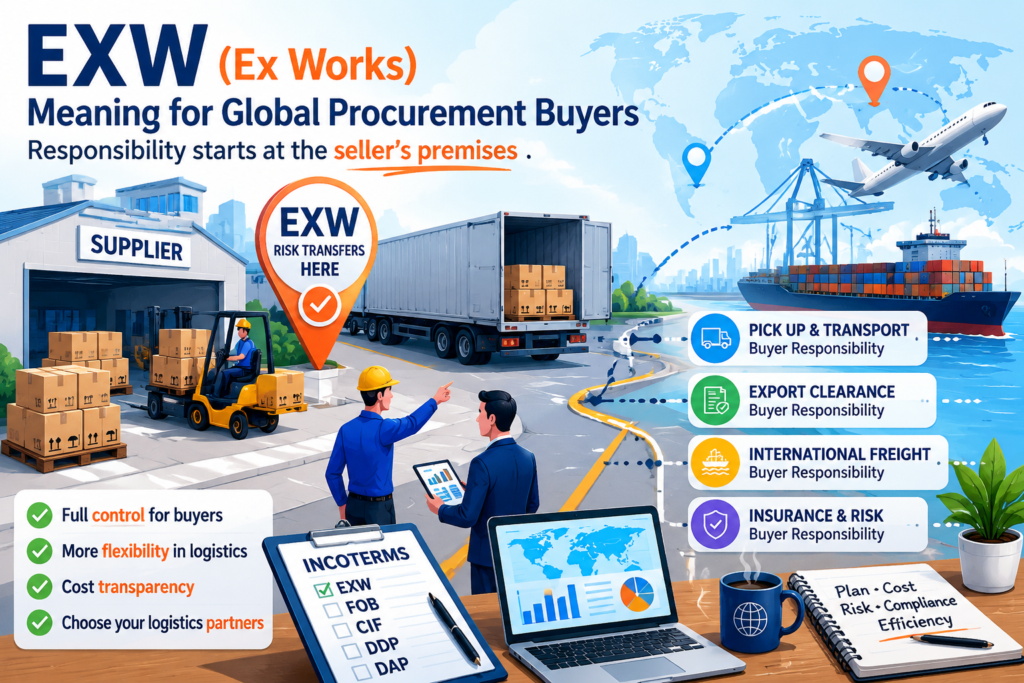
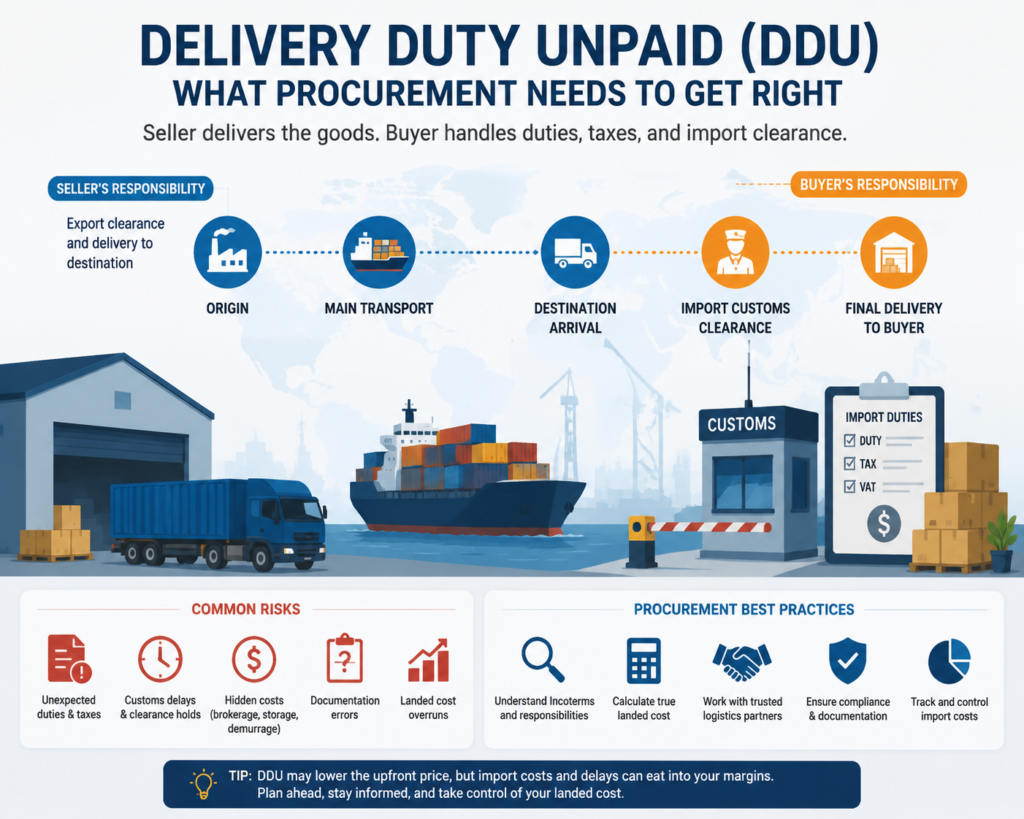
Incoterms such as FOB, CIF, EXW, and DDP define cost and risk transfer points between buyer and seller, forming the contractual backbone of international trade agreements.
5.2 Responsibilities Under Different Terms
FOB assigns loading responsibility to the seller, CIF includes freight and insurance, while EXW places maximum responsibility on the buyer. Misalignment leads to cost leakage and risk exposure.
5.3 How Incorrect Incoterms Increase Costs
Incorrect Incoterm selection can result in duplicate freight payments, unexpected customs liabilities, and unclear risk ownership during transit disruptions.
6. Expensive Mistake #2: Working With Unverified Suppliers
6.1 Supplier Verification Methods
Verification includes financial audits, certification validation, factory inspections, and production capability assessments to ensure supplier legitimacy and reliability.
6.2 Factory Audits and Quality Checks
Pre-shipment inspections and third-party audits ensure compliance with technical drawings, tolerances, and material specifications, reducing defect rates.
6.3 Risks of Supplier Fraud
Risks include counterfeit certifications, material substitution, and non-conforming shipments, all of which can disrupt downstream manufacturing operations.
7. Expensive Mistake #3: Incorrect Product Classification
7.1 Understanding HS Codes
HS codes standardize global trade classification. Incorrect coding leads to misapplied tariffs and customs delays.
7.2 Consequences of Misclassification
Errors can result in fines, shipment detention, or overpayment of import duties, directly impacting project budgets and schedules.
7.3 Best Practices for Accurate Classification
Cross-verification with customs databases and professional brokerage consultation ensures classification accuracy and compliance.
8. Expensive Mistake #4: Ignoring Mexican Import Regulations
8.1 Import Restrictions and Prohibited Goods
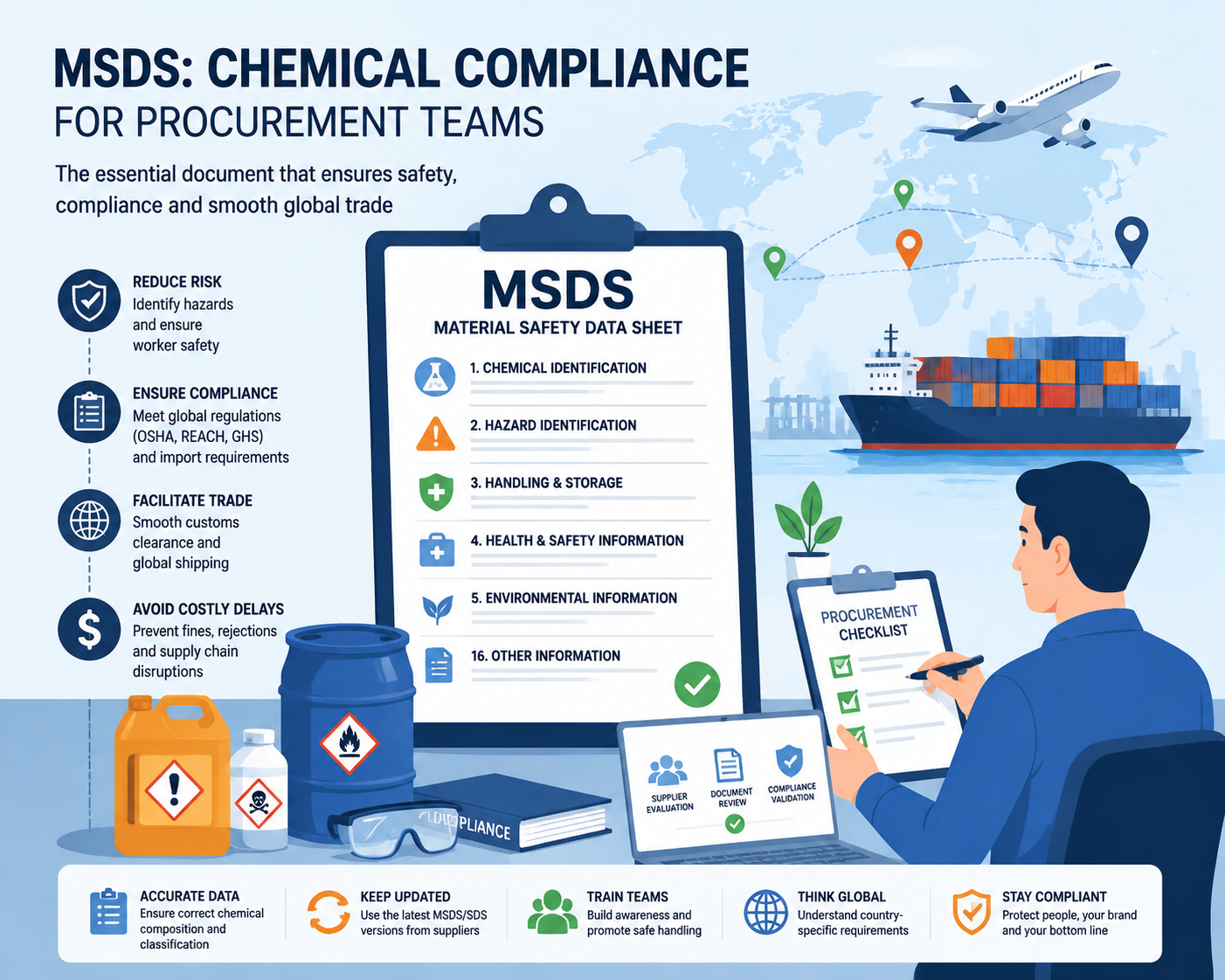
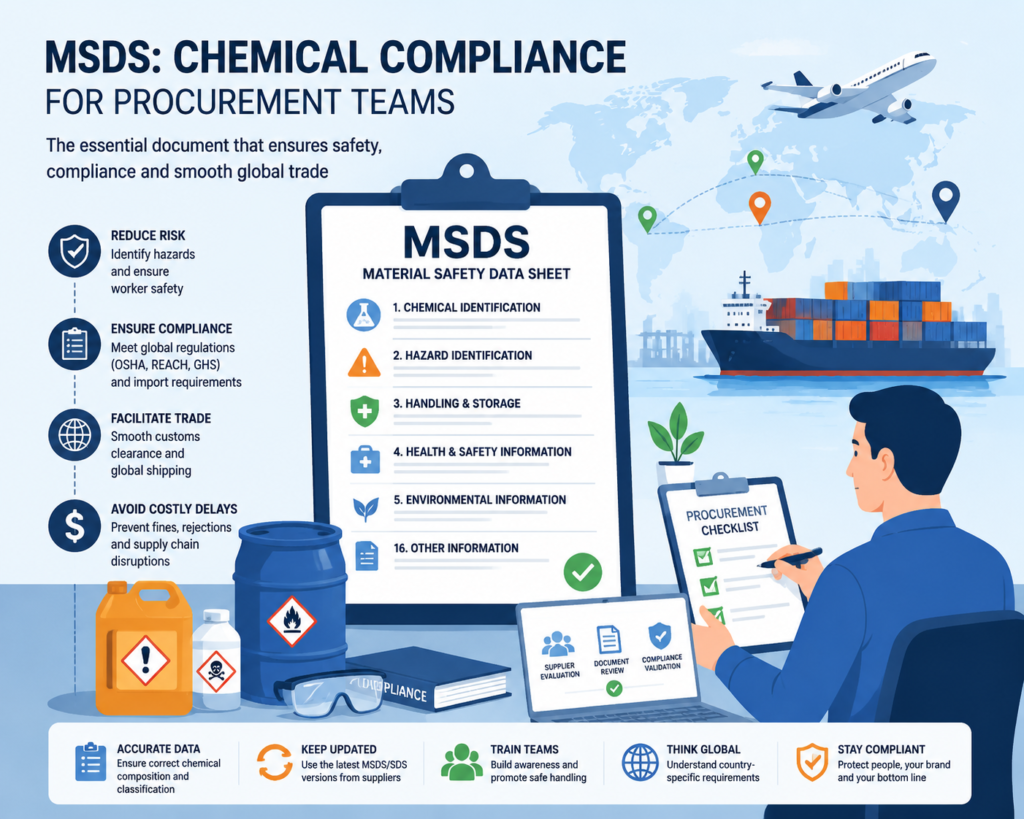
Mexico enforces strict import controls on regulated goods including chemicals, electronics, and safety-sensitive components.
8.2 Product Compliance Requirements
Imported goods must comply with NOM standards and other regulatory frameworks to ensure safety and legal market entry.
8.3 Regulatory Documentation Requirements
Required documents include commercial invoices, certificates of origin, packing lists, and regulatory permits depending on product category.
9. Expensive Mistake #5: Incomplete Shipping Documentation
9.1 Essential Shipping Documents
Key documents include bill of lading, commercial invoice, packing list, insurance certificate, and export declarations.
9.2 Common Documentation Errors
Errors include mismatched quantities, incorrect product descriptions, and missing signatures, leading to customs delays.
9.3 Documentation Review Procedures
A structured validation process ensures consistency across purchase orders, supplier invoices, and shipping manifests.
10. Expensive Mistake #6: Underestimating Customs Duties and Taxes
10.1 Import Duty Structure in Mexico
Import duties vary by HS classification, origin, and trade agreements, impacting final landed cost structures.
10.2 VAT and Additional Charges
VAT, brokerage fees, and port handling charges significantly influence total import cost calculations.
10.3 Calculating Total Landed Cost
Landed cost includes product price, freight, insurance, duties, taxes, and inland logistics expenses.
11. Expensive Mistake #7: Choosing Freight Based Only on Price
11.1 Hidden Costs Behind Cheap Quotes
Low-cost freight often hides surcharges such as demurrage, storage, and terminal handling fees.
11.2 Service Quality Considerations
Reliability, communication, and exception handling are critical performance indicators beyond price.
11.3 Evaluating Freight Forwarder Capabilities
Evaluation includes network coverage, customs expertise, and historical performance metrics.
12. Expensive Mistake #8: Poor Packaging and Cargo Protection
12.1 Packaging Requirements for International Shipping
Industrial-grade packaging must resist vibration, humidity, and stacking pressure during long transit cycles.
12.2 Preventing Damage During Transit
Proper internal cushioning, sealing, and labeling reduce mechanical stress and handling damage.
12.3 Palletization and Container Loading Best Practices
Load balancing and optimized pallet configuration ensure stability during transport and unloading.
13. Expensive Mistake #9: Failing to Purchase Cargo Insurance
13.1 Types of Cargo Insurance
Coverage includes all-risk, named-peril, and liability-based policies depending on shipment value and risk exposure.
13.2 Risks Covered by Insurance
Insurance protects against theft, damage, natural disasters, and carrier-related losses during transit.
13.3 Cost Versus Potential Loss Analysis
Insurance premiums are minimal compared to potential catastrophic loss scenarios affecting production continuity.
14. Expensive Mistake #10: Poor Inventory and Lead Time Planning
14.1 Understanding Transit Time Variability
Transit variability arises from weather, congestion, and customs inspection delays across global routes.
14.2 Managing Seasonal Demand
Demand fluctuations require proactive forecasting and procurement scheduling adjustments.
14.3 Building Safety Stock Strategies
Safety stock buffers mitigate supply disruptions but require balance against inventory holding costs.
15. Major Ports and Entry Points in Mexico
15.1 Port of Manzanillo
Manzanillo serves as Mexico’s primary Pacific gateway, handling significant container throughput and Asia-bound trade flows.
15.2 Port of Lázaro Cárdenas
Lázaro Cárdenas provides an alternative high-capacity port reducing congestion risks during peak shipping seasons.
15.3 Major Inland Logistics Hubs
Monterrey, Guadalajara, and Mexico City function as key redistribution hubs for inland freight movement.
16. How to Estimate China to Mexico Shipping Costs
16.1 Freight Cost Components
Cost components include base freight, fuel surcharges, documentation fees, and handling charges.
16.2 Destination Charges
Destination costs cover customs clearance, inland transport, and terminal handling at arrival ports.
16.3 Cost Comparison by Shipping Mode
Air freight prioritizes speed, ocean freight prioritizes cost efficiency, and courier services balance convenience with premium pricing.
17. How to Select a Reliable Freight Forwarder
17.1 Questions to Ask Before Hiring
Key questions include transit reliability, customs expertise, and operational transparency.
17.2 Certifications and Industry Experience
Certifications such as FIATA or IATA indicate adherence to global logistics standards.
17.3 Performance Indicators to Evaluate
KPIs include on-time delivery rate, claim ratio, and communication responsiveness.
18. Risk Management Strategies for Importers
18.1 Supply Chain Diversification
Diversifying suppliers and routes reduces dependency risks and improves resilience.
18.2 Shipment Tracking and Visibility
Real-time tracking systems enhance decision-making and exception management.
18.3 Contingency Planning
Backup logistics plans ensure continuity during disruptions or delays.
19. Best Practices for Smooth Customs Clearance
19.1 Preparing Documentation Early
Early preparation minimizes customs delays and reduces inspection likelihood.
19.2 Coordinating With Customs Brokers
Brokers streamline clearance by ensuring compliance and accurate documentation.
19.3 Avoiding Inspection Delays
Accurate declarations and proper classification reduce inspection frequency.
20. Technology Tools for Better Shipping Management
20.1 Freight Tracking Platforms
Digital platforms provide real-time shipment visibility and milestone tracking.
20.2 Cost Management Software
These tools aggregate logistics expenses for optimized procurement decisions.
20.3 Supply Chain Analytics Tools
Analytics platforms identify inefficiencies and optimize logistics performance.
21. China to Mexico Shipping Checklist for Procurement Teams
21.1 Pre-Shipment Checklist
Includes supplier validation, inspection, documentation, and insurance confirmation.
21.2 Customs Compliance Checklist
Ensures HS codes, permits, and regulatory requirements are correctly applied.
21.3 Post-Delivery Review Checklist
Evaluates delivery performance, cost accuracy, and product condition upon arrival.
22. Frequently Asked Questions About China to Mexico Shipping
22.1 How Long Does Shipping Take?
Ocean freight typically takes 20–35 days, air freight 3–7 days, and express services 1–5 days depending on routing and customs conditions.
22.2 What Are the Typical Shipping Costs?
Costs vary significantly depending on cargo size, mode of transport, and service level requirements.
22.3 Which Shipping Method Is Best for My Business?
The optimal method depends on urgency, cost sensitivity, and product characteristics.
23. Conclusion
23.1 Key Mistakes to Avoid
Critical pitfalls include incorrect Incoterms, poor documentation, unverified suppliers, and weak compliance control.
23.2 Action Steps for Import Success
Structured planning, supplier verification, and logistics optimization form the backbone of successful procurement operations.
23.3 Building a Cost-Efficient China to Mexico Supply Chain
A resilient supply chain blends engineering discipline with logistics intelligence, ensuring stable operations, predictable costs, and minimized risk exposure.