Table of Contents
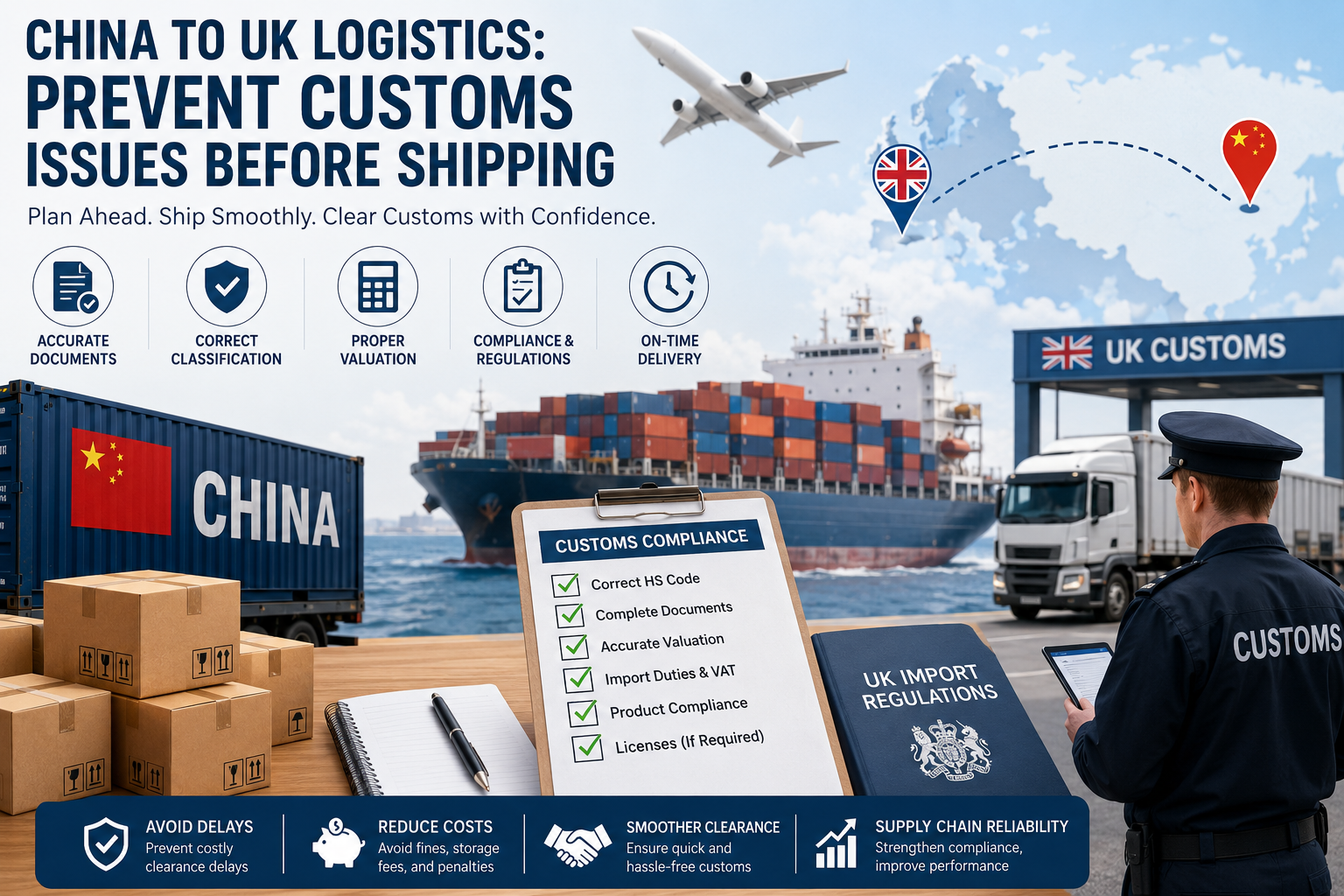
China to UK Logistics: Prevent Customs Issues Before Shipping
1. Introduction to China to UK Logistics
International trade between China and the United Kingdom remains one of the most significant supply chain corridors in the global marketplace. From consumer electronics and industrial machinery to textiles, automotive components, and retail merchandise, countless products move between Chinese manufacturing hubs and UK distribution centers every day. However, successful logistics is not merely about booking freight space and moving cargo from Point A to Point B. The true challenge often lies in navigating customs compliance before the shipment ever leaves China.
For procurement professionals, supply chain managers, and purchasing engineers, customs clearance should never be viewed as an afterthought. Instead, it must be incorporated into the procurement strategy from the earliest stages of supplier selection and product development.
1.1 Why Customs Compliance Matters
Customs compliance represents the foundation of a predictable international supply chain. Every imported product entering the UK must satisfy regulatory requirements concerning classification, valuation, safety standards, origin declarations, and documentation accuracy.
From a purchasing engineer's perspective, customs compliance directly impacts total landed cost calculations. A product may appear competitively priced during supplier negotiations, but an incorrect commodity code or missing certification can rapidly transform a cost-effective procurement project into an expensive logistical headache.
As many procurement professionals say, "The cheapest shipment is often the most expensive one if customs gets involved." This saying reflects a common reality. Even minor compliance errors can trigger inspections, additional duties, storage fees, and costly delivery delays.
Beyond financial implications, customs compliance protects brand reputation. Retailers, distributors, and manufacturers depend upon predictable inventory replenishment schedules. Failure to maintain compliance can result in stock shortages, production interruptions, and dissatisfied customers.
1.2 Common Challenges for UK Importers
UK importers frequently encounter a variety of customs-related obstacles when sourcing products from China.
One recurring issue involves inconsistent product descriptions provided by suppliers. Chinese manufacturers may describe products differently from UK customs authorities, creating classification discrepancies during declaration.
Another challenge stems from incomplete compliance documentation. Suppliers may possess technical certificates suitable for domestic Chinese markets but insufficient for UK regulatory requirements.
Language barriers also contribute to misunderstandings regarding labeling requirements, safety regulations, and certification obligations.
Furthermore, many importers underestimate the complexity of customs valuation. Freight charges, tooling costs, commissions, royalties, and packaging expenses may all influence customs value calculations.
In practical terms, buyers often focus heavily on factory pricing while overlooking customs implications. Unfortunately, customs authorities do not care how attractive the purchase price appeared during negotiations.
1.3 The Cost of Customs Delays and Penalties
Customs delays create far-reaching consequences throughout supply chains.
Direct costs include:
- Demurrage charges
- Container detention fees
- Storage expenses
- Additional inspection fees
- Brokerage surcharges
Indirect costs often prove even more damaging.
Production facilities may experience line stoppages due to missing components. Retailers may lose seasonal sales opportunities. Inventory shortages can disrupt customer commitments and contractual obligations.
Financial penalties may also arise when customs authorities discover non-compliance. These penalties can include duty reassessments, VAT adjustments, fines, and in severe cases, shipment seizure.
A single customs issue can easily erase months of procurement savings, making proactive compliance management essential.
2. Understanding the UK Customs Environment
2.1 Overview of UK Import Regulations
The UK customs framework governs the importation of goods entering the country. Importers must ensure products comply with tariff classifications, valuation regulations, product safety requirements, and applicable trade controls.
Every shipment entering the UK requires accurate declarations supported by verifiable documentation. Customs authorities rely heavily on risk assessment systems that identify anomalies and potential compliance concerns.
Import regulations vary significantly depending upon product category. Electronics, chemicals, medical devices, food products, and machinery often face additional requirements beyond standard customs declarations.
For additional information regarding customs systems and international trade procedures, importers can refer to UK Government import guidance.
2.2 Key Government Agencies Involved
Several government bodies participate in the import process.
The primary authority is HM Revenue & Customs (HMRC). HMRC oversees customs declarations, import duties, VAT collection, and compliance enforcement.
Additional information is available through the official HMRC website.
Other agencies may become involved depending on product type, including:
- Department for Business and Trade
- Health and Safety Executive
- Food Standards Agency
Understanding which agency regulates a specific product category is critical before arranging shipment.
2.3 Post-Brexit Customs Requirements
Brexit fundamentally altered the UK's customs environment.
Importers now face independent UK customs procedures separate from European Union frameworks. Documentation requirements, VAT processes, and origin rules have evolved considerably.
Many businesses initially underestimated the administrative complexity introduced by Brexit. Today, successful importers allocate substantial resources toward customs planning and compliance management.
The lesson is simple: assuming yesterday's procedures still apply is a risky proposition.
3. Common Customs Issues Faced by Importers
3.1 Incorrect Product Classification
Incorrect classification remains one of the most common customs violations.
A product may appear straightforward commercially yet contain technical characteristics that place it under a different tariff heading.
For example, industrial equipment with integrated electronic controls may fall under an entirely different classification than a purely mechanical version.
Even seemingly minor classification errors can dramatically alter duty rates and compliance requirements.
3.2 Missing or Incomplete Documentation
Documentation deficiencies routinely trigger customs delays.
Common examples include:
- Missing invoices
- Incomplete packing lists
- Absent certificates
- Incorrect consignee information
- Missing origin declarations
Customs officers cannot process information that does not exist. In many cases, cargo remains stationary until corrected documentation arrives.
3.3 Undervaluation and Valuation Disputes
Some suppliers attempt to reduce declared values to lower import taxes.
This strategy is extraordinarily dangerous.
Customs authorities possess sophisticated analytical tools capable of identifying suspicious valuation patterns. When discrepancies emerge, authorities may conduct audits and reassess duties retroactively.
As procurement professionals often say, "Saving pennies today can cost pounds tomorrow."
4. Determining the Correct Commodity Code
4.1 What Commodity Codes Are
Commodity codes classify imported products within internationally recognized tariff systems.
Each code identifies:
- Product category
- Duty treatment
- Regulatory obligations
- Licensing requirements
- Statistical reporting information
Accurate classification serves as the cornerstone of customs compliance.
Importers can learn more about the Harmonized System (HS Code), which forms the basis of global customs classification.
4.2 How Classification Affects Duties and Taxes
Commodity codes directly determine duty rates.
Two seemingly similar products may face substantially different tariffs depending upon classification.
Classification also affects:
- VAT calculations
- Trade restrictions
- Licensing requirements
- Anti-dumping measures
- Product safety obligations
An incorrect code can therefore create a cascading series of compliance problems.
4.3 Best Practices for Accurate Classification
Procurement teams should:
- Obtain detailed technical specifications
- Review product composition
- Analyze intended use
- Consult customs specialists
- Maintain classification records
Never rely solely on supplier assumptions regarding tariff classification.
5. Preparing Essential Shipping Documents
5.1 Commercial Invoice Requirements
The commercial invoice serves as the primary customs document.
It should include:
- Buyer information
- Seller information
- Product descriptions
- Quantities
- Unit prices
- Total values
- Currency
- Incoterms
Descriptions should be precise rather than generic.
For example, "industrial helical gear reducer" is significantly more useful than simply "machinery parts."
5.2 Packing List Requirements
Packing lists provide physical shipment details.
Important information includes:
- Package counts
- Dimensions
- Weights
- Carton markings
- Product breakdowns
Accurate packing lists facilitate inspections and improve customs processing efficiency.
5.3 Bill of Lading and Air Waybill Documentation
Transport documents establish cargo ownership and movement details.
Errors involving consignee information, shipment references, or cargo descriptions can generate significant clearance complications.
Consistency across all shipping documents is absolutely essential.
6. Managing Product Compliance Before Shipment
6.1 Product Safety Regulations
Many products require compliance with UK safety regulations before importation.
Examples include:
- Electrical equipment
- Toys
- Machinery
- Consumer goods
- Medical devices
Failure to meet safety requirements may result in detention or market access restrictions.
6.2 Labeling and Marking Requirements
Proper labeling supports regulatory compliance and consumer protection.
Labels may require:
- Product identification
- Safety warnings
- Manufacturer information
- Country of origin
- Technical specifications
Incorrect labeling frequently attracts customs scrutiny.
6.3 Industry-Specific Compliance Standards
Different industries face unique compliance obligations.
Procurement teams should evaluate applicable standards early during sourcing activities rather than waiting until shipment preparation.
Doing so prevents unpleasant surprises near departure dates.
7. Understanding Customs Valuation Rules
7.1 How Customs Value Is Calculated
Customs value generally begins with transaction value but may require adjustments.
Authorities evaluate the total economic value associated with imported goods rather than simply reviewing invoice amounts.
7.2 Charges That Must Be Included
Potential additions may include:
- Freight costs
- Insurance costs
- Packaging expenses
- Royalties
- Tooling charges
- Design services
Accurate valuation requires comprehensive financial visibility.
Additional guidance regarding customs valuation can be found through the World Trade Organization Customs Valuation Agreement.
7.3 Avoiding Customs Valuation Audits
Maintain:
- Purchase orders
- Payment records
- Contracts
- Freight invoices
- Supplier agreements
Robust documentation creates a defensible audit trail.
8. Import Duties, VAT, and Additional Charges
8.1 UK Import Duty Structure
Duty rates vary according to product classification.
Understanding duty exposure before placing orders enables more accurate landed cost forecasting.
Import duty is generally calculated based on the customs value of the goods and the applicable commodity code. Procurement professionals should verify duty rates during supplier evaluation rather than after production is complete. This proactive approach supports more reliable budgeting and prevents unexpected cost overruns.
For detailed tariff information, importers can consult the UK Trade Tariff.
8.2 Import VAT Requirements
Import VAT constitutes a significant component of total import expenses.
Procurement professionals should incorporate VAT considerations into budgeting and cash flow planning.
Unlike customs duty, VAT is generally calculated on a broader value base that may include the customs value, duty payable, freight costs, and certain other charges. Understanding this calculation methodology helps organizations avoid unpleasant surprises when shipments arrive.
Companies importing frequently into the UK often establish internal procedures for managing VAT accounting, recordkeeping, and recovery processes.
8.3 Additional Fees and Hidden Costs
Additional costs may include:
- Port handling fees
- Examination charges
- Storage fees
- Brokerage fees
- Security surcharges
Ignoring these costs can distort procurement economics.
Many sourcing teams focus heavily on factory pricing while overlooking logistics-related ancillary expenses. However, these charges can materially affect total landed cost calculations, particularly for lower-margin products.
9. Restricted and Controlled Goods
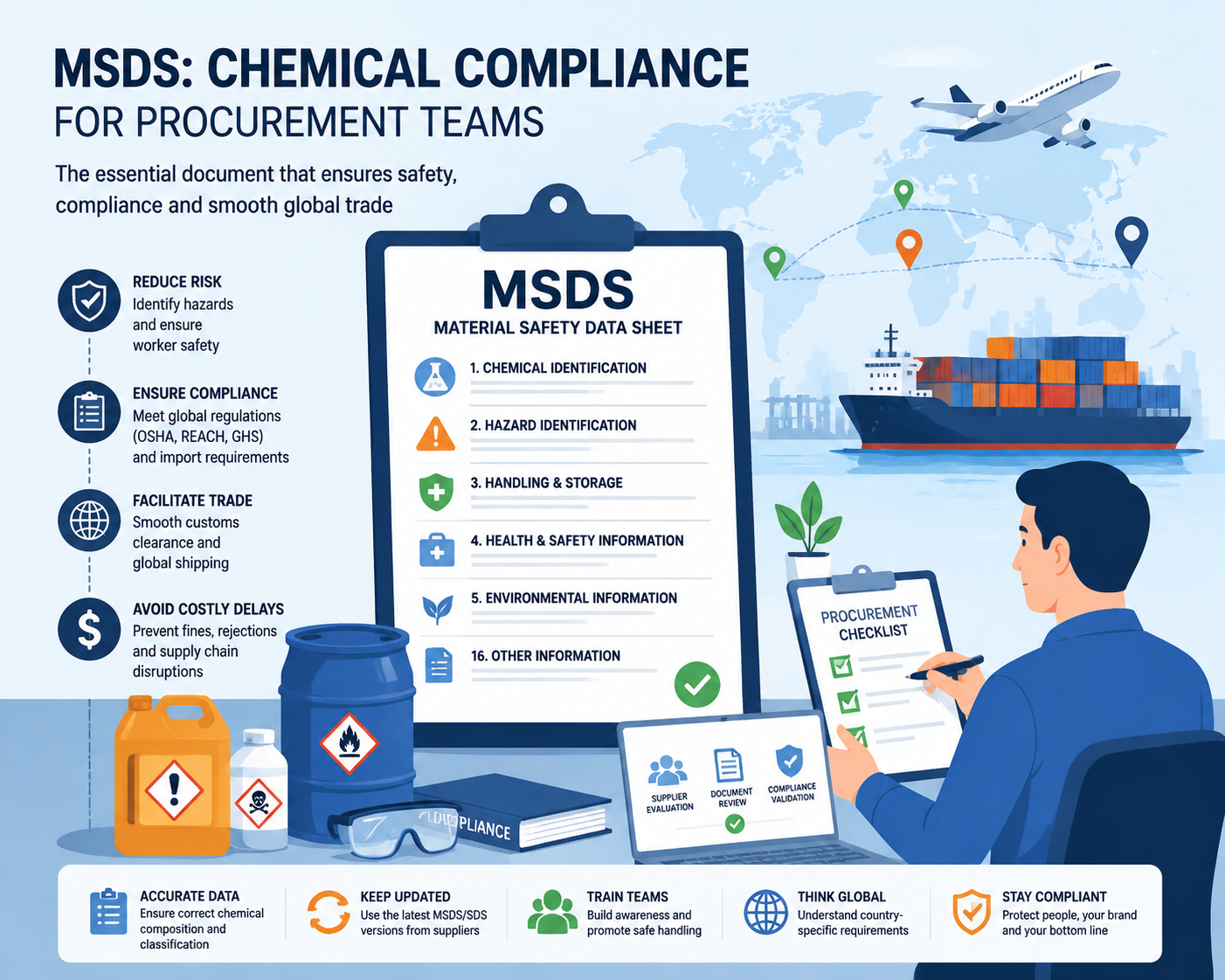
9.1 Products Requiring Special Licenses
Certain goods require import authorization before entry.
Examples may include:
- Chemicals
- Strategic technologies
- Telecommunications equipment
- Medical products
Importers should verify licensing obligations well before production begins. Waiting until cargo reaches the departure port can create severe delays and additional costs.
9.2 Prohibited Goods Categories
Some products face outright restrictions or prohibitions.
Importers must verify admissibility before purchase commitments are finalized.
Failure to perform adequate due diligence can result in shipment confiscation, financial losses, and reputational damage. Procurement teams should always confirm product admissibility before issuing purchase orders.
9.3 Managing High-Risk Shipments
High-risk shipments require enhanced due diligence.
Risk mitigation strategies include pre-shipment reviews, specialist consultation, and document verification.
High-risk products frequently attract increased regulatory scrutiny. Consequently, importers should allocate additional resources to compliance planning, supplier audits, and technical documentation reviews.
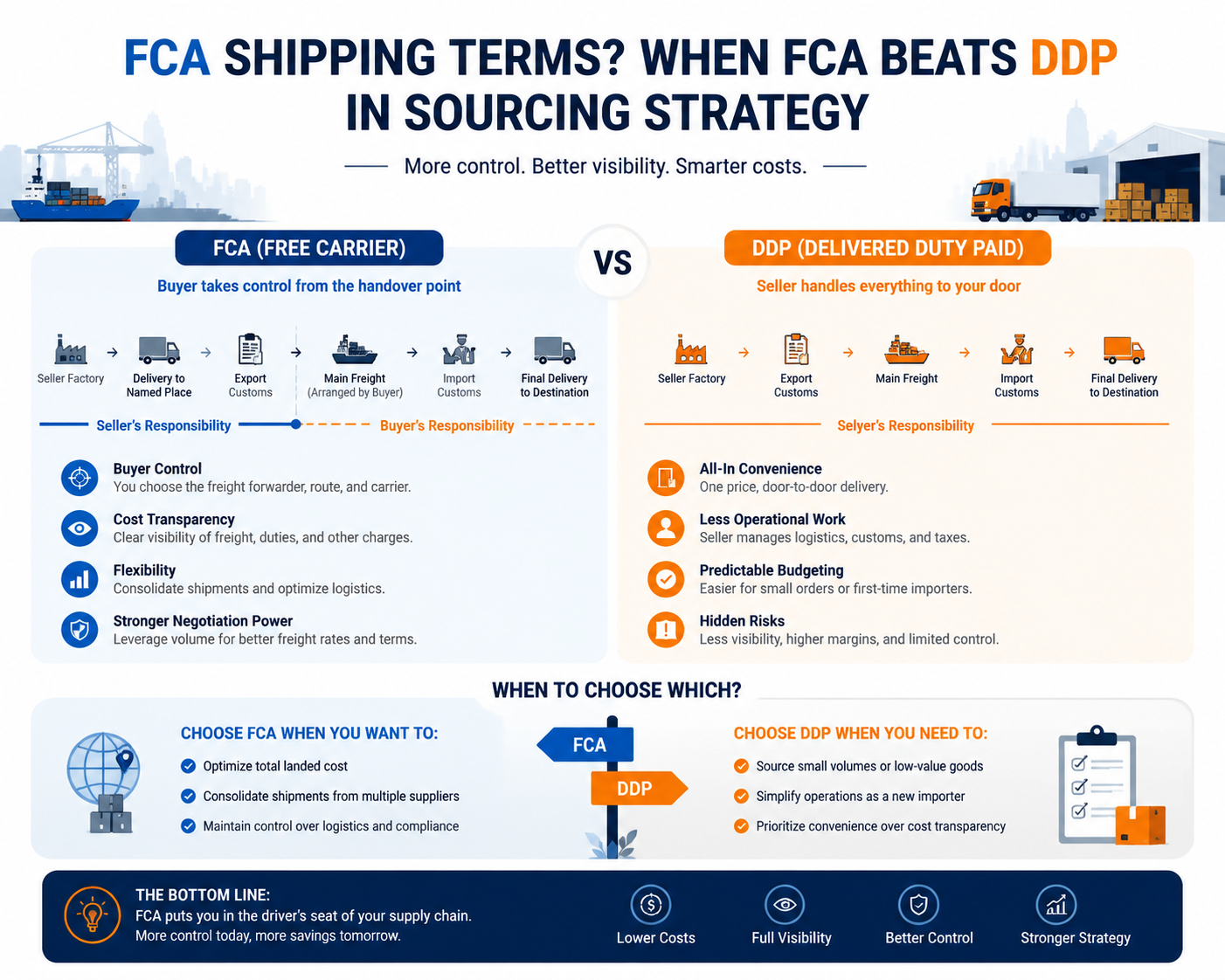
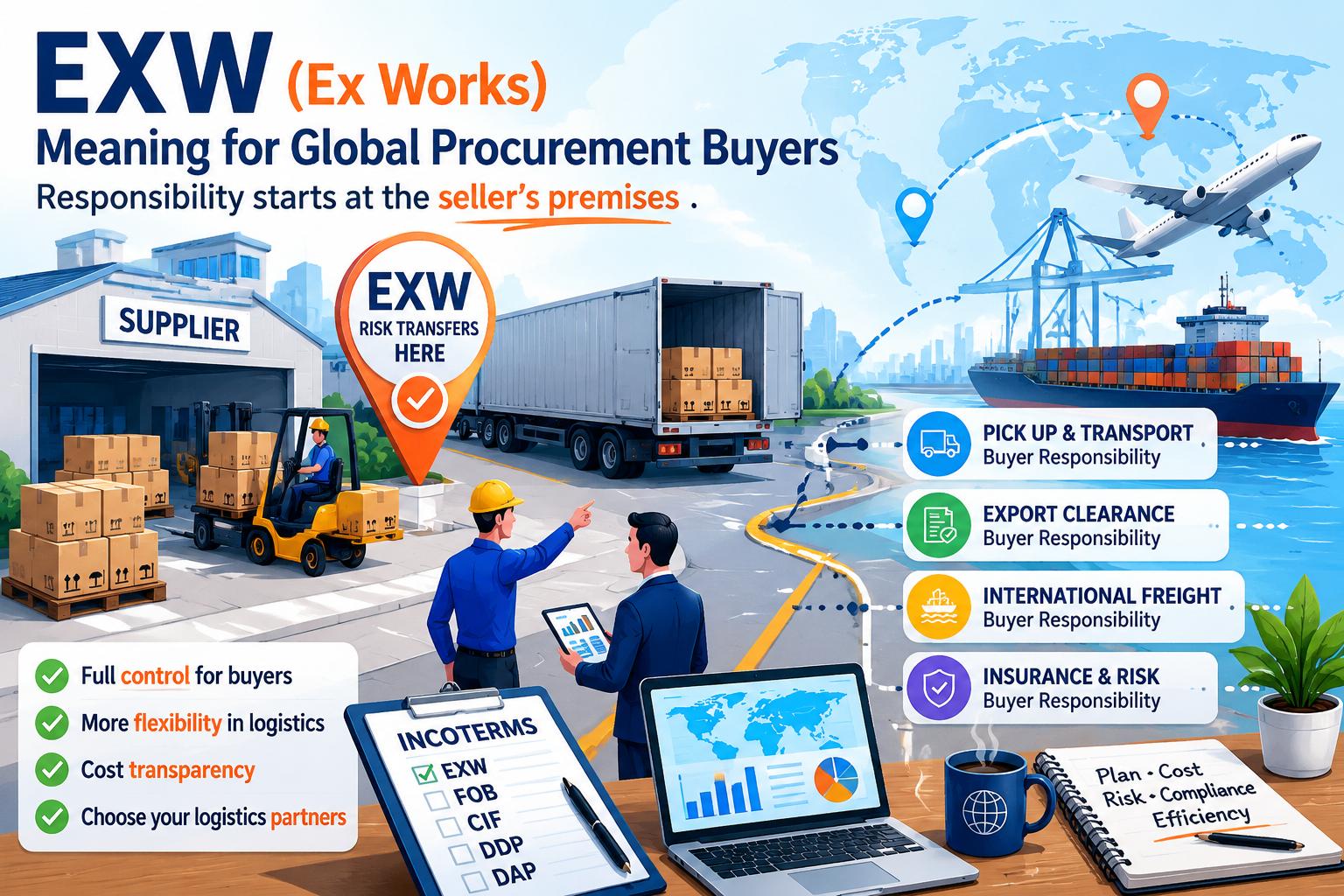
10. Choosing the Right Incoterms
10.1 Most Common Incoterms for UK Imports
Frequently used Incoterms include:
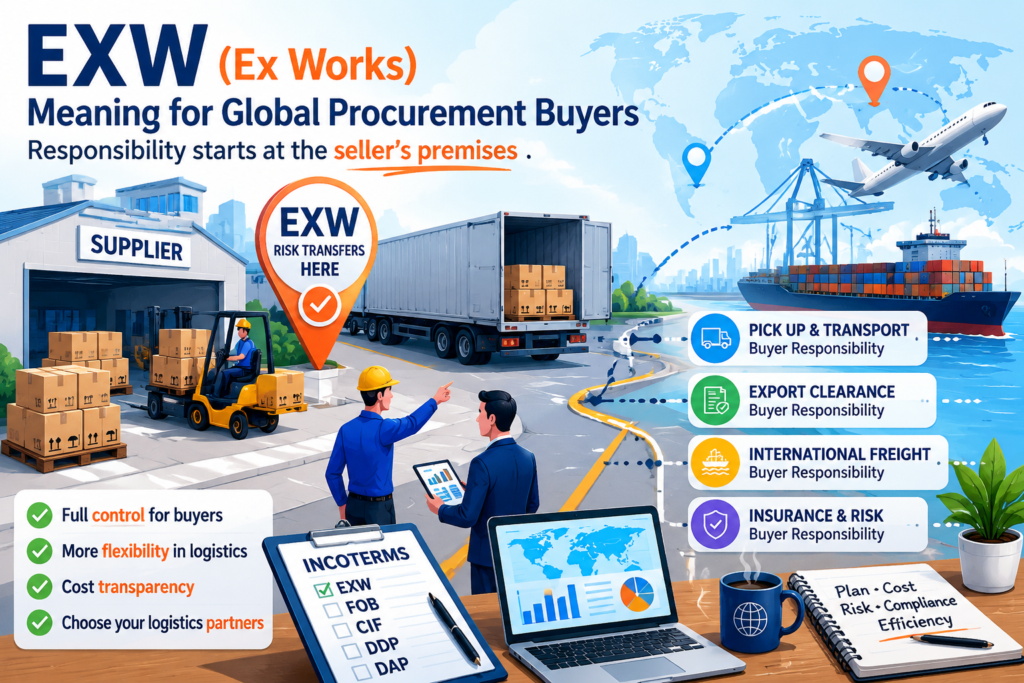
- EXW (Ex Works)
- FOB (Free On Board)
- CIF (Cost, Insurance and Freight)
- DAP (Delivered At Place)
- DDP (Delivered Duty Paid)
Each creates different customs and logistics responsibilities.
Selecting the appropriate Incoterm can significantly influence cost allocation, risk exposure, customs responsibilities, and supply chain visibility.
10.2 Responsibility Allocation Between Buyer and Seller
Incoterms define ownership of risks, costs, and administrative obligations throughout shipment movement.
Clear responsibility allocation prevents costly misunderstandings.
From a purchasing engineer's perspective, contractual clarity is essential. Ambiguous responsibility assignments often result in delays, disputes, and unexpected expenses when shipments encounter customs issues.
10.3 Customs Risks Associated with Different Incoterms
Certain Incoterms may obscure customs responsibilities.
Procurement teams should ensure customs accountability remains clearly assigned and documented.
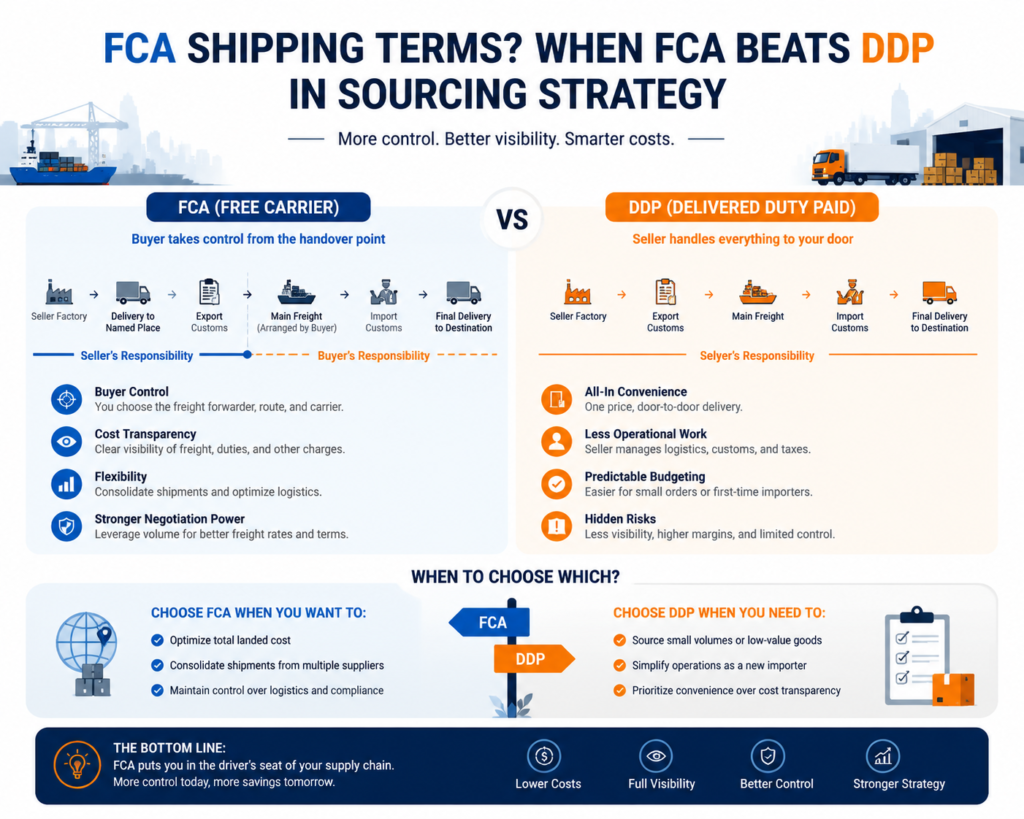
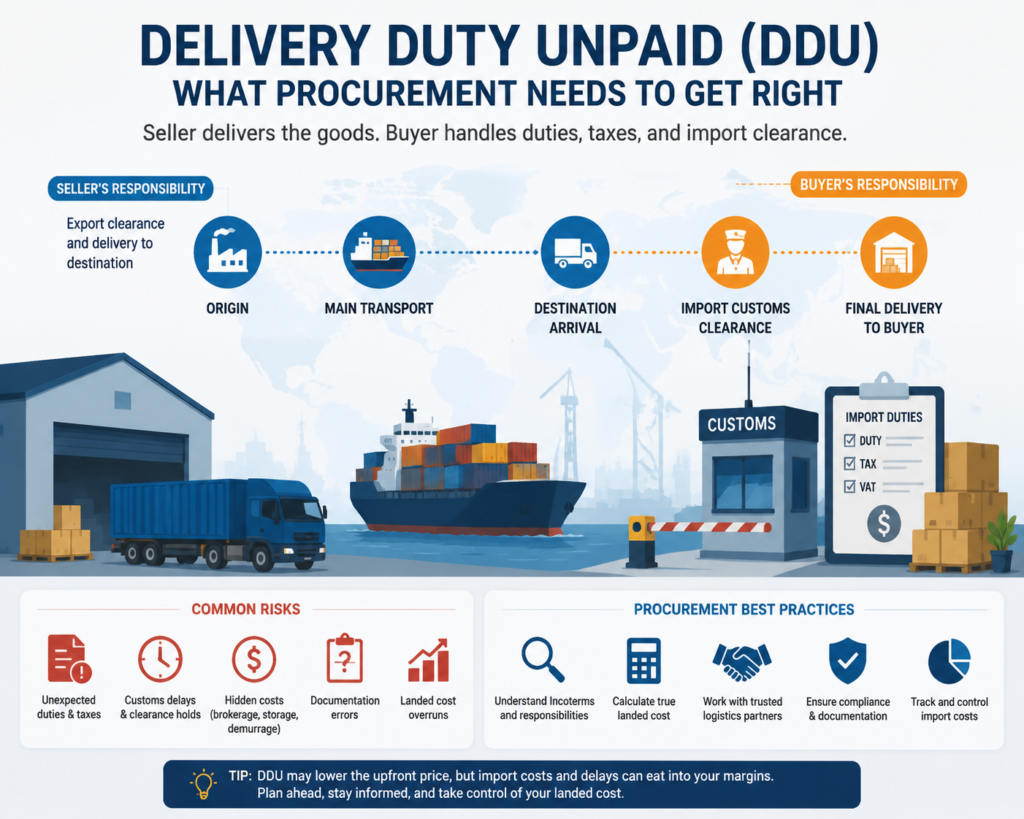
For example, under DDP arrangements, buyers may incorrectly assume all customs obligations are fully managed by suppliers. However, customs liabilities can still create operational complications if documentation or declarations contain errors.
11. Supplier Compliance Verification
11.1 Evaluating Supplier Export Experience
Experienced exporters typically demonstrate stronger documentation discipline and regulatory awareness.
Past export performance often predicts future compliance reliability.
When evaluating suppliers, procurement teams should investigate export history, target markets, regulatory experience, and previous customs performance. Suppliers familiar with UK import requirements generally create fewer compliance challenges.
11.2 Verifying Product Documentation
Review all certificates, test reports, and compliance records before production completion.
Verification should never occur after cargo has already reached the port.
Documentation reviews should confirm authenticity, validity dates, technical consistency, and alignment with product specifications. Any discrepancies should be resolved before shipment preparation begins.
11.3 Conducting Pre-Shipment Reviews
Pre-shipment audits identify deficiencies before cargo departure.
This proactive approach significantly reduces customs risk exposure.
A comprehensive review typically includes documentation verification, packaging inspection, labeling checks, product testing records, and shipping instruction confirmation.
As logistics professionals often say, "A five-hour review can prevent a five-week delay."
12. Working with Freight Forwarders and Customs Brokers
12.1 The Role of Freight Forwarders
Freight forwarders coordinate transportation, documentation, and shipment visibility.
They act as essential intermediaries between suppliers, carriers, and importers.
An experienced freight forwarder can identify potential customs issues before departure, recommend corrective actions, and coordinate communication among multiple stakeholders throughout the logistics process.
12.2 The Role of Customs Brokers
Customs brokers specialize in declaration accuracy and regulatory compliance.
Their expertise often prevents costly clearance complications.
Brokers remain current with evolving customs regulations, tariff classifications, valuation methodologies, and import requirements. Their specialized knowledge can significantly reduce compliance risk.
12.3 Selecting Reliable Logistics Partners
Selection criteria should include:
- Industry experience
- Compliance knowledge
- Communication quality
- Technology capabilities
- Performance history
Choosing solely on price can be a false economy.
A slightly higher logistics service fee may generate substantial savings through improved compliance, reduced delays, and better shipment visibility.
13. Customs Clearance Process Step by Step
13.1 Shipment Departure from China
Before departure, all compliance documentation should undergo final review.
Last-minute corrections become increasingly difficult once cargo enters transit.
Procurement teams should verify classifications, invoices, packing lists, certifications, and shipping instructions before authorizing shipment release.
13.2 Customs Declaration Submission
Declarations must accurately reflect shipment contents, valuation, classification, and origin.
Precision is paramount.
Even minor inconsistencies between documents may trigger customs inquiries, inspections, or requests for additional information.
Successful customs declarations rely on complete, accurate, and internally consistent documentation.
13.3 Final Release and Delivery
Upon successful clearance, goods proceed toward final destination.
Efficient release depends heavily upon preparation completed before shipment departure.
Organizations that invest in pre-shipment compliance management generally experience faster customs processing and more predictable delivery schedules.
14. How to Avoid Customs Inspections and Delays
14.1 Maintaining Accurate Documentation
Consistency across all records dramatically reduces inspection risk.
Even small discrepancies may trigger customs attention.
Product descriptions, quantities, values, classifications, and consignee information should match across all supporting documentation.
Documentation accuracy remains one of the most effective customs risk reduction strategies available to importers.
14.2 Ensuring Product Compliance
Compliance verification should occur before manufacturing completion rather than during transit.
Early action remains the most effective preventive measure.
Waiting until cargo arrives in the UK to verify compliance documentation is a gamble that procurement teams should avoid. Proactive compliance management minimizes disruptions and strengthens supply chain reliability.
14.3 Reducing Risk Flags in Customs Systems
Customs systems analyze shipment data for anomalies.
Maintaining accurate declarations and consistent records helps establish a positive compliance history.
Factors that may trigger additional scrutiny include unusual valuations, inconsistent classifications, incomplete documentation, and unexpected shipment patterns.
Organizations that consistently demonstrate compliance tend to experience smoother customs processing over time.
15. Digital Tools for Customs Compliance
15.1 Trade Management Software
Modern software centralizes classification, valuation, and compliance workflows.
These systems provide improved visibility, data consistency, and process standardization across procurement and logistics operations.
Trade management platforms can also assist with tariff analysis, documentation control, supplier management, and audit preparedness.
15.2 Document Automation Solutions
Automation reduces manual errors and improves document consistency.
Automatically generated invoices, packing lists, declarations, and compliance records help eliminate repetitive administrative tasks while reducing the likelihood of human error.
Organizations increasingly deploy automation tools to support customs compliance initiatives and improve operational efficiency.
15.3 Shipment Tracking and Visibility Platforms
Real-time visibility improves decision-making and enhances supply chain resilience.
Tracking platforms provide continuous updates regarding shipment location, customs milestones, transit progress, and delivery status.
Enhanced visibility enables procurement professionals to anticipate disruptions and respond proactively when issues arise.
16. Customs Risk Management Strategies
16.1 Creating Internal Compliance Procedures
Formal procedures ensure consistent compliance practices throughout procurement operations.
Organizations that rely on informal customs processes often experience inconsistent outcomes. By establishing documented procedures, companies can create repeatable workflows that reduce variability and improve compliance performance.
Internal compliance procedures should clearly define responsibilities, approval processes, documentation requirements, supplier verification protocols, classification methodologies, and escalation paths for resolving customs-related issues.
A well-structured compliance framework transforms customs management from a reactive activity into a strategic operational discipline.
16.2 Staff Training and Knowledge Development
Well-trained teams identify potential issues before they become expensive problems.
Customs regulations, trade agreements, tariff schedules, and import requirements evolve continuously. Procurement personnel, logistics coordinators, and supply chain managers should receive ongoing training to remain current with regulatory developments.
Training programs may include:
- Commodity classification fundamentals
- Customs valuation methodologies
- Import documentation requirements
- Incoterms application
- Product compliance regulations
- Risk management best practices
Knowledgeable teams make better sourcing decisions and significantly reduce the likelihood of customs disruptions.
16.3 Regular Compliance Audits
Periodic audits strengthen organizational preparedness and reveal hidden vulnerabilities.
Internal audits should evaluate customs declarations, product classifications, valuation methodologies, supplier records, compliance documentation, and shipment histories.
Audits provide an opportunity to identify deficiencies before regulatory authorities discover them. In many cases, proactive corrective actions can prevent future penalties and improve operational performance.
Successful organizations treat compliance audits as continuous improvement exercises rather than administrative obligations.
17. Case Studies of Common Customs Problems
17.1 Misclassified Product Scenario
A machinery importer incorrectly classified a gearbox assembly, resulting in duty reassessment and shipment delay.
The procurement team relied on a supplier-provided classification without conducting an independent technical review. During customs processing, authorities determined that the product's integrated electronic control system placed it under a different tariff category than originally declared.
The consequences included:
- Additional customs duties
- Clearance delays
- Storage charges
- Administrative costs
- Production schedule disruptions
Technical review ultimately corrected the classification, but not before significant costs accumulated.
The lesson is straightforward: classification decisions should be supported by engineering specifications rather than assumptions.
17.2 Incorrect Customs Value Scenario
A supplier omitted tooling costs from declared values.
Initially, the shipment cleared customs without issue. However, during a subsequent compliance review, customs authorities identified discrepancies between supplier contracts and declared values.
The omitted tooling expenses should have been included within the customs valuation calculation.
As a result, the importer faced:
- Additional duty assessments
- VAT adjustments
- Administrative reviews
- Additional documentation requests
- Internal investigation costs
Subsequent audit findings generated additional duty obligations and administrative burdens.
This example highlights the importance of maintaining complete visibility over all cost elements associated with imported products.
17.3 Missing Documentation Scenario
An importer shipped electrical products without complete compliance records.
Although the products themselves met technical requirements, supporting documentation was incomplete when customs authorities requested verification.
The cargo remained under customs hold until supporting documentation was provided.
During the delay period, the importer incurred:
- Storage fees
- Delivery postponements
- Inventory shortages
- Customer service challenges
- Operational disruptions
This scenario demonstrates that compliance documentation is just as important as product compliance itself.
18. Pre-Shipment Customs Compliance Checklist
18.1 Product and Supplier Verification
Before authorizing shipment, procurement teams should perform a comprehensive verification process.
The following items should be reviewed:
- Confirm supplier credentials
- Verify product specifications
- Review certifications
- Confirm country of origin details
- Validate export experience
- Verify compliance documentation
Completing these checks early helps eliminate preventable customs complications.
18.2 Documentation Review Checklist
Documentation should be reviewed systematically before cargo departure.
The review should include:
- Commercial invoice
- Packing list
- Transport documents
- Compliance certificates
- Import licenses where applicable
- Origin documentation
- Classification records
- Valuation support documents
All information should be internally consistent and aligned across every document.
18.3 Customs Readiness Assessment
Before shipment release, importers should conduct a final customs readiness assessment.
Key checkpoints include:
- Classification confirmed
- Valuation verified
- Compliance validated
- Documentation completed
- Licensing requirements satisfied
- Supplier information verified
- Shipping instructions confirmed
A structured readiness review serves as the final safeguard before cargo enters the international logistics network.
19. Future Trends in China to UK Logistics
19.1 Increasing Customs Digitization
Digital customs systems continue to expand, improving transparency and enforcement capabilities.
Governments worldwide are investing heavily in advanced customs technologies, including automated risk assessment systems, electronic documentation platforms, artificial intelligence applications, and data-driven compliance monitoring.
For importers, increased digitization means greater efficiency but also greater visibility. Errors that once escaped attention are becoming easier for customs authorities to identify.
Organizations that embrace digital compliance tools will be better positioned to operate within this increasingly data-centric environment.
19.2 Evolving Trade Regulations
Regulatory requirements will continue evolving alongside geopolitical and economic developments.
Changes in trade agreements, sustainability initiatives, environmental regulations, supply chain security requirements, and product safety standards may influence future import obligations.
Procurement professionals must remain vigilant and adaptable. Regulatory complacency can quickly create compliance risks in an environment where requirements change regularly.
Successful importers establish monitoring processes that track relevant regulatory developments and assess potential business impacts.
19.3 Compliance Expectations for Importers
Authorities increasingly expect sophisticated compliance programs supported by accurate digital records.
Future compliance expectations are likely to emphasize:
- Data accuracy
- Documentation transparency
- Supply chain traceability
- Product accountability
- Risk management controls
- Electronic recordkeeping
Organizations that invest in compliance infrastructure today will be better prepared for tomorrow's regulatory landscape.
20. Conclusion and Key Takeaways
20.1 Most Important Customs Prevention Measures
Successful customs management begins long before shipment departure.
Classification accuracy, documentation quality, compliance verification, and supplier management remain fundamental pillars of an effective import strategy.
Among all customs prevention measures, several stand out as particularly important:
- Verify product classifications early
- Maintain complete documentation
- Validate customs valuation calculations
- Confirm regulatory compliance requirements
- Audit supplier capabilities
- Conduct pre-shipment reviews
- Partner with experienced logistics providers
These measures significantly reduce the probability of customs delays, penalties, and operational disruptions.
20.2 Building a Long-Term Compliance Strategy
Organizations should develop repeatable compliance frameworks integrated directly into procurement operations.
Rather than treating customs compliance as a standalone logistics activity, leading companies incorporate compliance considerations into supplier selection, product development, sourcing decisions, contract management, and inventory planning.
Long-term success depends upon:
- Strong internal controls
- Continuous employee training
- Technology adoption
- Supplier collaboration
- Regular compliance reviews
- Ongoing process improvement
A strategic approach creates resilience, reduces risk exposure, and strengthens overall supply chain performance.
20.3 Next Steps for UK Import Procurement Teams
Review current customs procedures, evaluate supplier compliance capabilities, strengthen documentation controls, and collaborate closely with experienced freight forwarders and customs specialists.
Procurement professionals should also establish measurable compliance objectives and regularly assess performance against those targets.
Practical next steps include:
- Conducting a customs compliance gap assessment
- Reviewing commodity classifications
- Evaluating customs valuation methodologies
- Strengthening supplier qualification procedures
- Implementing compliance training programs
- Investing in digital compliance technologies
- Creating standardized documentation workflows
In international logistics, preventing customs issues is far easier—and far less expensive—than fixing them after the container is already sitting at the port.
For organizations importing from China to the United Kingdom, customs compliance is not simply a regulatory obligation. It is a strategic capability that protects margins, improves delivery performance, supports customer satisfaction, and enhances supply chain reliability. Companies that invest in proactive customs management consistently outperform those that rely on reactive problem-solving after shipments are already in transit.