Table of Contents
1. Overview of US import documentation for import managers
Key role of documentation in US customs clearance
In the high-velocity arena of cross-border procurement, US import documentation functions as the backbone of operational legitimacy, and without it, even the most meticulously planned supply chain can spiral into bureaucratic gridlock. From a purchase engineer’s vantage point, documentation is not just paperwork—it is the contractual DNA of the shipment, dictating whether cargo glides through customs or gets stuck in a procedural chokehold.How documentation impacts delivery timelines and costs
US customs clearance is fundamentally a data integrity exercise, where every line item, tariff code, and declared value must align with near-forensic precision. A small inconsistency—say, a mismatched unit description—can trigger inspections, reclassification, or even seizure. In real-world procurement operations, this is where the saying “devil is in the details” hits like a freight train.Stakeholders involved in the import documentation process
The documentation ecosystem spans suppliers, freight forwarders, customs brokers, carriers, and internal procurement teams. Each stakeholder contributes a fragment of the data puzzle, and misalignment among them creates systemic friction. The purchase engineer sits at the intersection, acting as the orchestration layer ensuring that data flows cleanly across all nodes. ---2. Understanding US customs framework and regulations
Role of U.S. Customs and Border Protection
The U.S. Customs and Border Protection acts as the gatekeeper of import compliance, enforcing tariff laws, safety standards, and trade policies with uncompromising rigor. Their systems are increasingly automated, meaning inconsistencies are flagged algorithmically before human review even begins.Core import compliance principles
At the heart of compliance lie three immutable principles: accuracy, transparency, and traceability. Every shipment must tell a coherent story—what it is, where it came from, and what it is worth—without contradictions across documentation layers.Legal responsibilities of import managers
Import managers carry fiduciary and legal accountability for declarations submitted to customs authorities. In practice, this means they are expected to maintain “reasonable care,” a standard that requires proactive verification rather than passive acceptance of supplier data. ---3. Essential documents required for US imports
Commercial invoice requirements and structure
A commercial invoice must clearly define product descriptions, HS codes, quantities, unit prices, and total values. It is not merely transactional; it is a legally binding customs declaration that must mirror reality with surgical precision.Packing list accuracy standards
The packing list translates commercial intent into physical logistics reality. Dimensions, weights, carton counts, and packaging hierarchies must be articulated in a way that enables customs officers to visualize the shipment without opening it.Bill of lading and transport documentation basics
The bill of lading serves as both a receipt and a title document for goods in transit. It connects the physical movement of cargo with legal ownership, making it one of the most sensitive instruments in international shipping. ---4. Commercial invoice best practices
Required data fields for compliance
Mandatory fields include seller/buyer identity, Incoterms, detailed product descriptions, HS codes, unit pricing, and country of origin. Each field must be internally consistent, forming a coherent data ecosystem.Common errors that trigger customs delays
Frequent pitfalls include vague product descriptions like “machine parts,” inconsistent valuation, and mismatched currency declarations. These errors are red flags that often lead to secondary inspection.Harmonizing invoice data with purchase orders
Alignment between purchase orders and invoices is non-negotiable. Any deviation, even if commercially justified, must be documented to avoid customs suspicion and valuation disputes. ---5. Packing list optimization strategies
Standard formatting for inspection efficiency
Standardized formats allow customs officers to quickly interpret shipment structure, reducing cognitive load and inspection probability. Clarity is currency in customs environments.Matching packaging details with shipment reality
What is documented must mirror what is physically loaded. Discrepancies between declared and actual packaging are one of the fastest ways to trigger enforcement scrutiny.Reducing customs inspection risks through clarity
The more transparent the packing list, the lower the probability of physical inspection. Think of it as preemptive storytelling that eliminates ambiguity before it becomes a problem. ---6. Bill of lading management
Types of bill of lading used in US imports
Common types include straight, order, and sea waybills, each carrying different levels of negotiability and ownership control. Selection depends on trade terms and risk appetite.Carrier responsibilities and documentation flow
Carriers act as custodians of cargo integrity, ensuring that documentation accompanies physical movement. Any mismatch between carrier data and shipper documentation creates downstream friction.Ensuring consistency across shipping documents
Consistency across all shipping documents is critical; inconsistencies are interpreted as potential misdeclaration, often triggering customs intervention. ---7. Harmonized Tariff Schedule (HTS) classification
Importance of correct HS/HTS coding
Correct classification determines duty rates, compliance requirements, and admissibility. A single digit error can materially alter landed cost structures.Classification risks and penalty exposure
Misclassification can result in retroactive duties, penalties, and increased audit frequency, making it a high-stakes component of import operations.Best practices for product categorization
Leverage historical rulings, binding decisions, and cross-functional review with compliance experts to ensure classification defensibility. Reference: Harmonized Tariff Schedule ---8. Importer Security Filing (ISF) requirements
ISF 10+2 rule explanation
The ISF framework requires importers to submit 10 data elements plus 2 carrier elements prior to vessel departure, creating early visibility for customs authorities.Filing deadlines and compliance risks
Late or inaccurate filings can result in penalties and shipment holds, making timing discipline absolutely critical.Coordination between suppliers and freight forwarders
Effective ISF compliance depends on synchronized data exchange between upstream suppliers and logistics partners, often under tight time constraints. ---9. Customs bond requirements and usage
Single entry vs continuous bonds
Single entry bonds cover one shipment, while continuous bonds provide ongoing coverage for frequent importers, offering operational scalability.When import managers need customs bonds
Bonds are required whenever goods enter the US customs territory, acting as a safeguard for duty and regulatory compliance.Cost implications and risk management
Continuous bonds reduce per-shipment costs and administrative burden, making them preferable for high-volume import operations. ---10. Certificate of origin documentation
Purpose in tariff and trade agreements
Certificates determine eligibility for preferential duty rates under trade agreements, impacting landed cost structures significantly.Verification and authentication requirements
Authentication may include chamber of commerce validation or supplier declarations depending on trade regimes.Common mistakes in origin declaration
Errors often arise from misunderstanding substantial transformation rules or incorrect supplier declarations. ---11. Product compliance certificates and permits
FDA, FCC, and other regulatory bodies
Agencies such as the Food and Drug Administration FDA and FCC impose strict documentation requirements depending on product category.Industry-specific documentation requirements
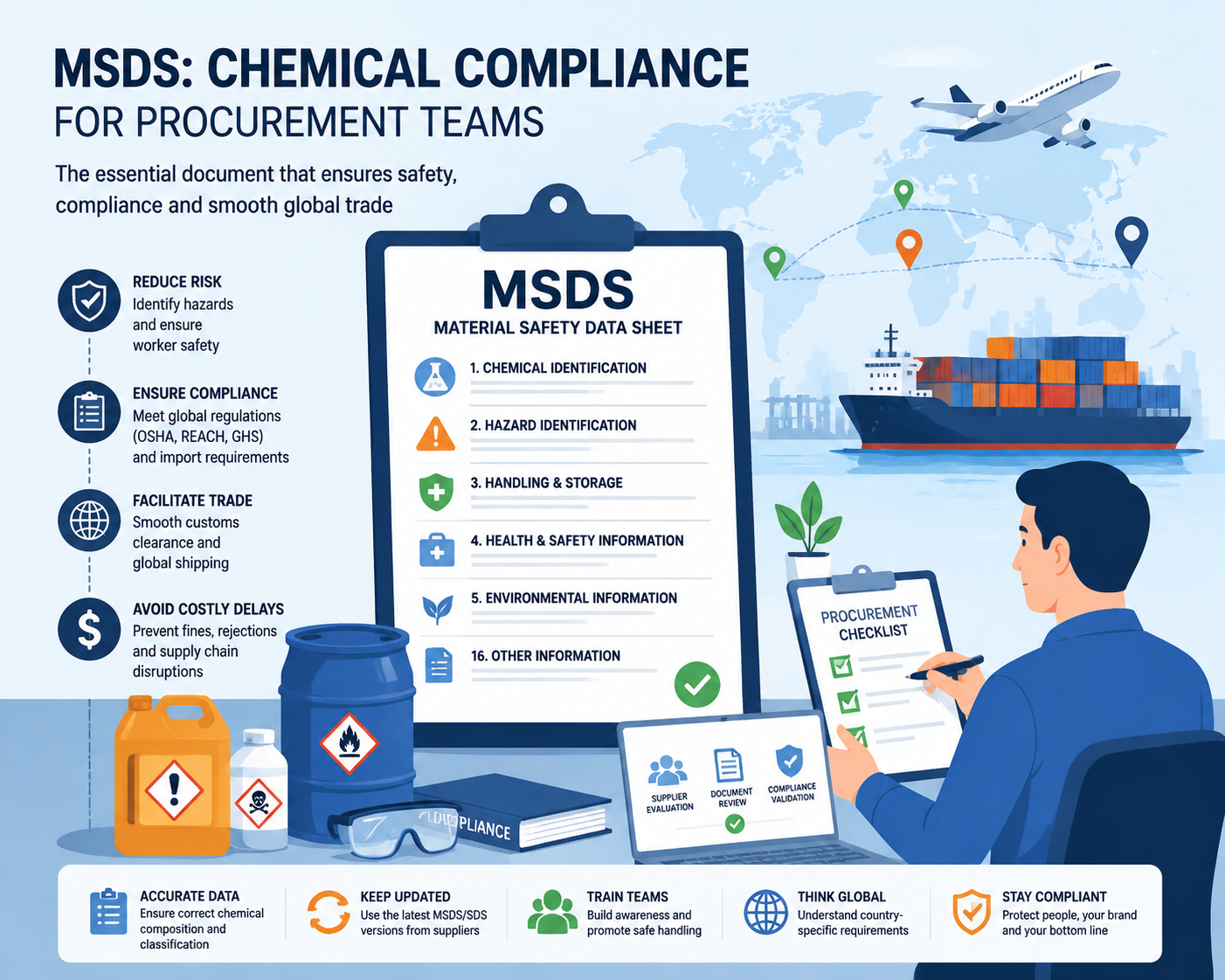
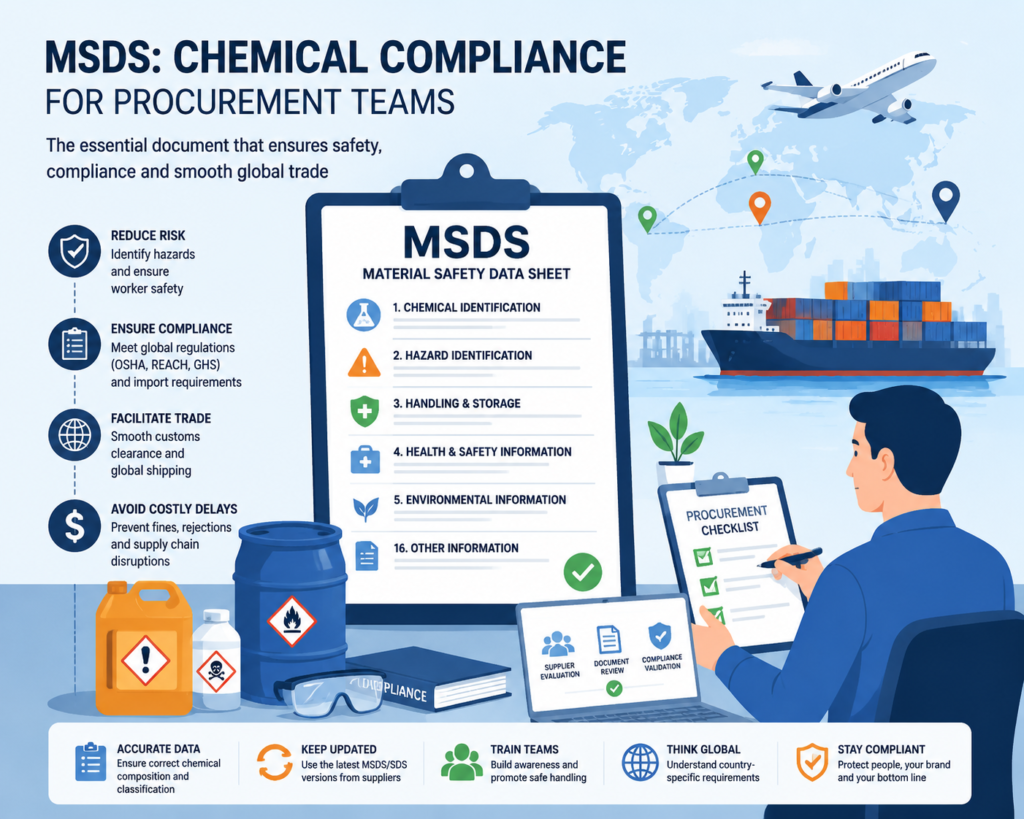
Electronics, food, medical devices, and chemicals each have distinct certification pathways and compliance thresholds.Pre-shipment compliance validation process
Pre-export verification reduces detention risk by ensuring regulatory alignment before cargo leaves origin. ---12. Valuation rules and customs declaration accuracy
Customs valuation methodologies
Methods include transaction value, deductive value, and computed value, each applied based on data availability and transaction structure.Transfer pricing vs declared value alignment
Multinational procurement must ensure internal transfer pricing does not conflict with customs declarations.Risk of undervaluation penalties
Undervaluation triggers audits, penalties, and reputational risk with customs authorities. ---13. Incoterms impact on documentation responsibilities
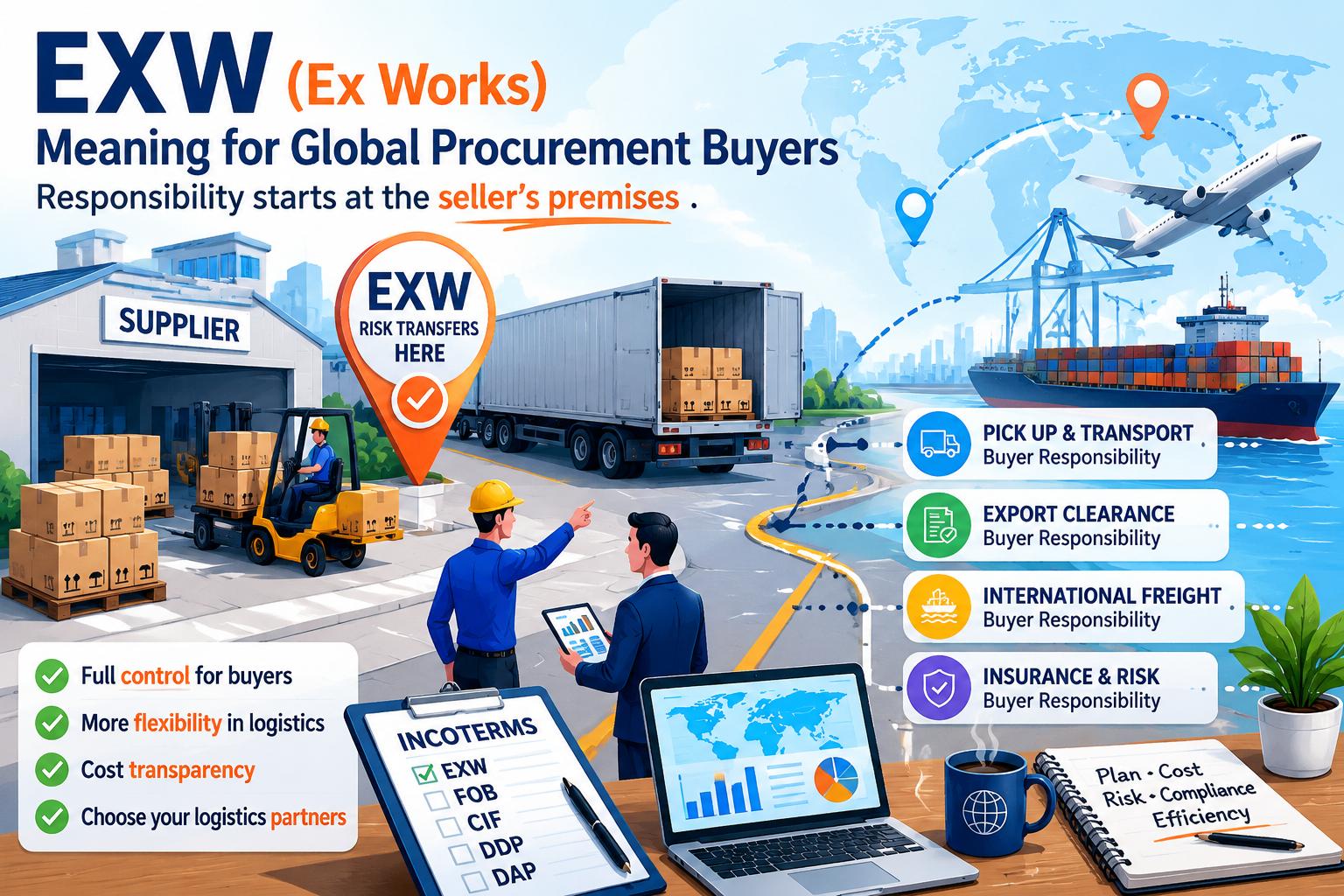
Allocation of document preparation duties
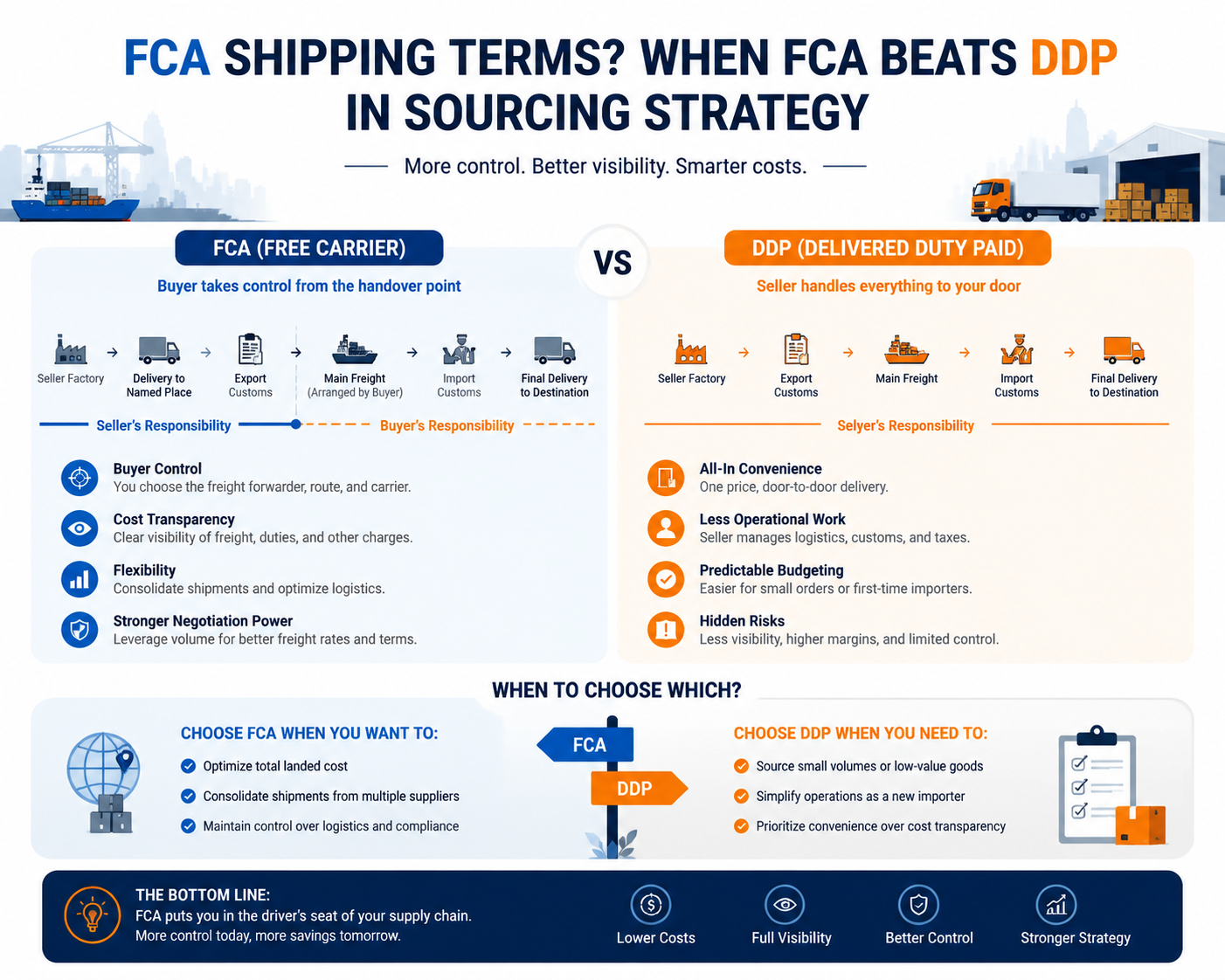
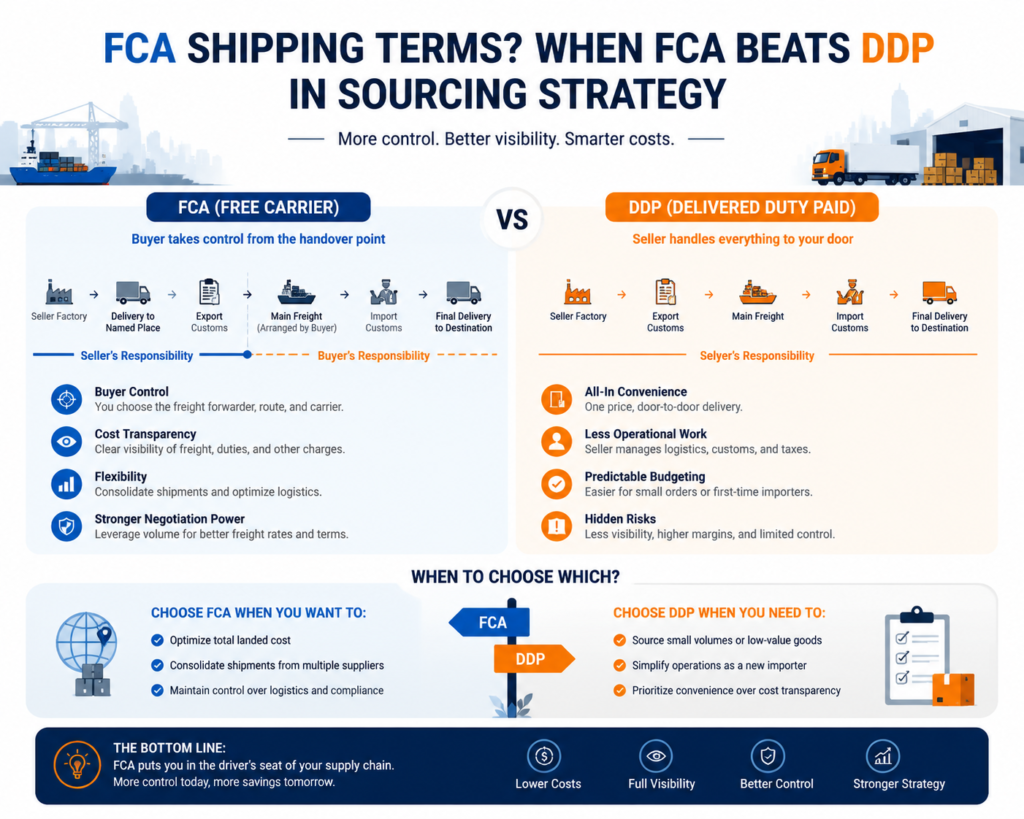
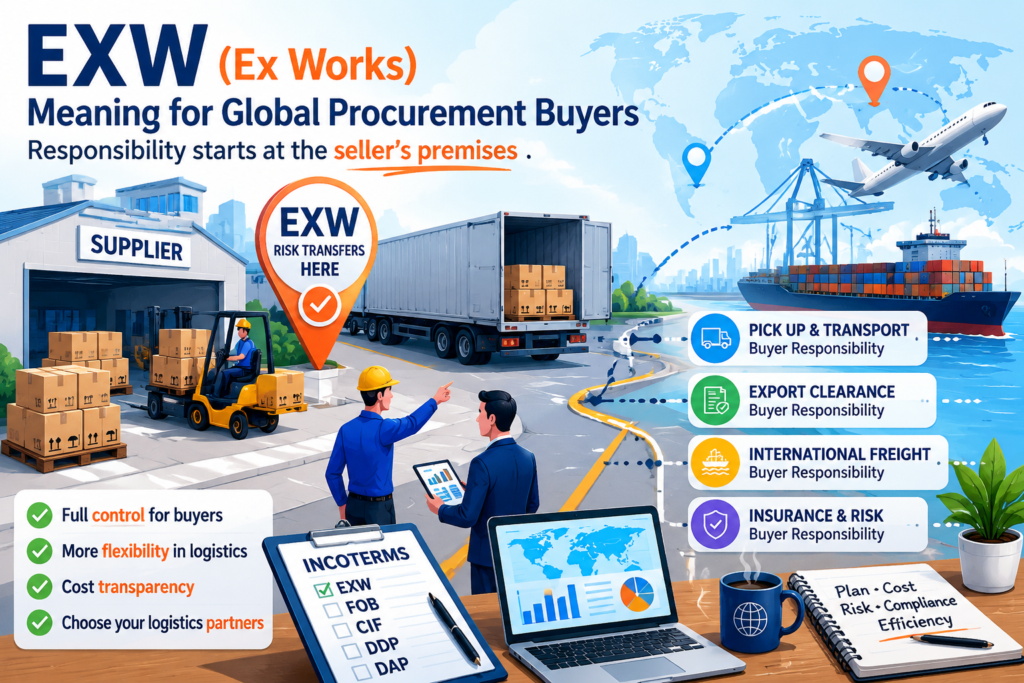
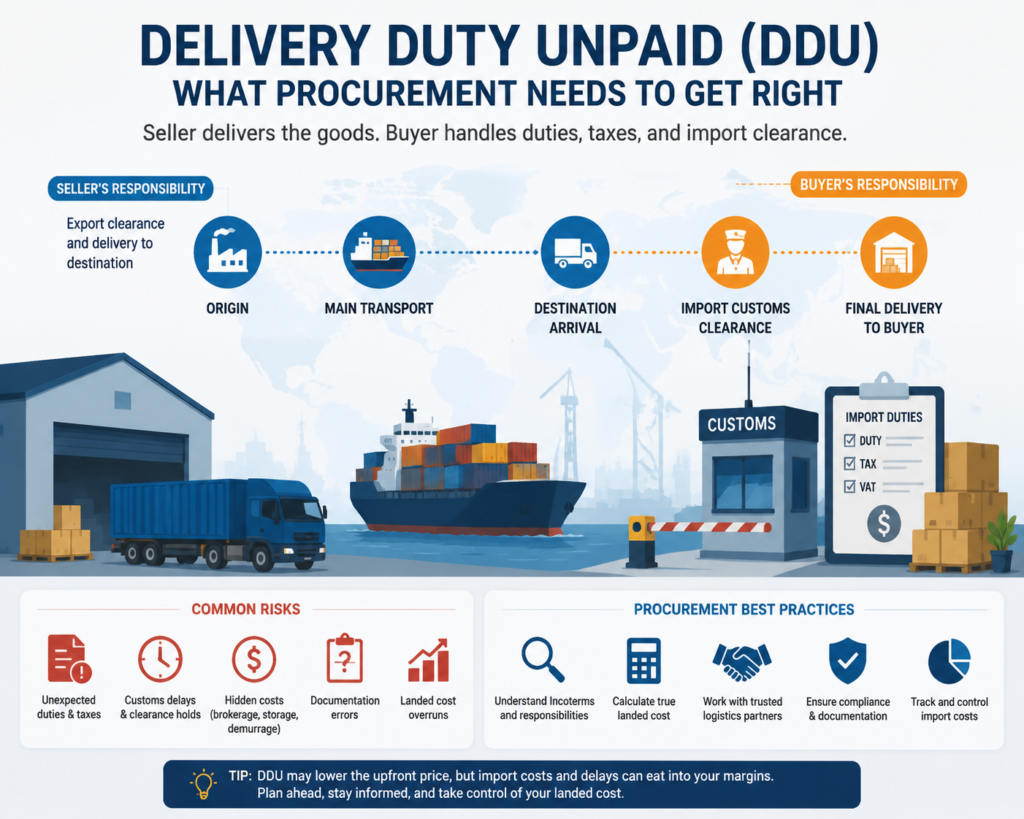
Depending on terms, responsibility for documentation may shift between buyer and supplier, affecting workflow design.DDP, FOB, and CIF documentation differences
Under DDP, the seller assumes full responsibility, whereas FOB and CIF distribute obligations differently across the supply chain.Risk transfer implications for import managers
Risk transfer timing determines liability exposure during transit, influencing procurement strategy. Reference: Incoterms Rules ---14. Digital documentation and automation systems
Electronic data interchange in customs filing
EDI systems enable structured, machine-readable data submission, reducing manual processing errors.ERP integration for import documentation
Integration with ERP systems ensures consistency between procurement, finance, and logistics data streams.Reducing manual errors through automation
Automation eliminates repetitive entry errors and enhances compliance reliability across high-volume operations. ---15. Common documentation errors and how to avoid them
Mismatch between invoice and packing list
Even minor discrepancies can trigger customs holds, emphasizing the need for cross-document validation.Missing or incomplete shipment data
Incomplete data sets create ambiguity, which customs systems interpret as risk signals.Supplier-side documentation inconsistencies
Supplier discipline varies widely, requiring import managers to enforce standardized documentation protocols. ---16. Risk management strategies in US import documentation
Audit preparation and compliance readiness
Maintaining audit-ready documentation ensures rapid response capability during customs inspections.Documentation retention policies
Retention systems must preserve records for statutory periods, enabling traceability and dispute resolution.Internal control systems for import teams
Structured controls, including checklists and approval workflows, reduce variability in documentation quality. ---17. Working with freight forwarders for documentation efficiency
Role of freight forwarders in compliance support
Freight forwarders act as operational amplifiers in the documentation chain, ensuring alignment with regulatory expectations.Information flow between suppliers and logistics partners
Efficient data exchange reduces lead time variability and enhances shipment predictability.Improving lead times through coordination systems
Integrated coordination systems synchronize stakeholders, minimizing bottlenecks and accelerating customs clearance processes.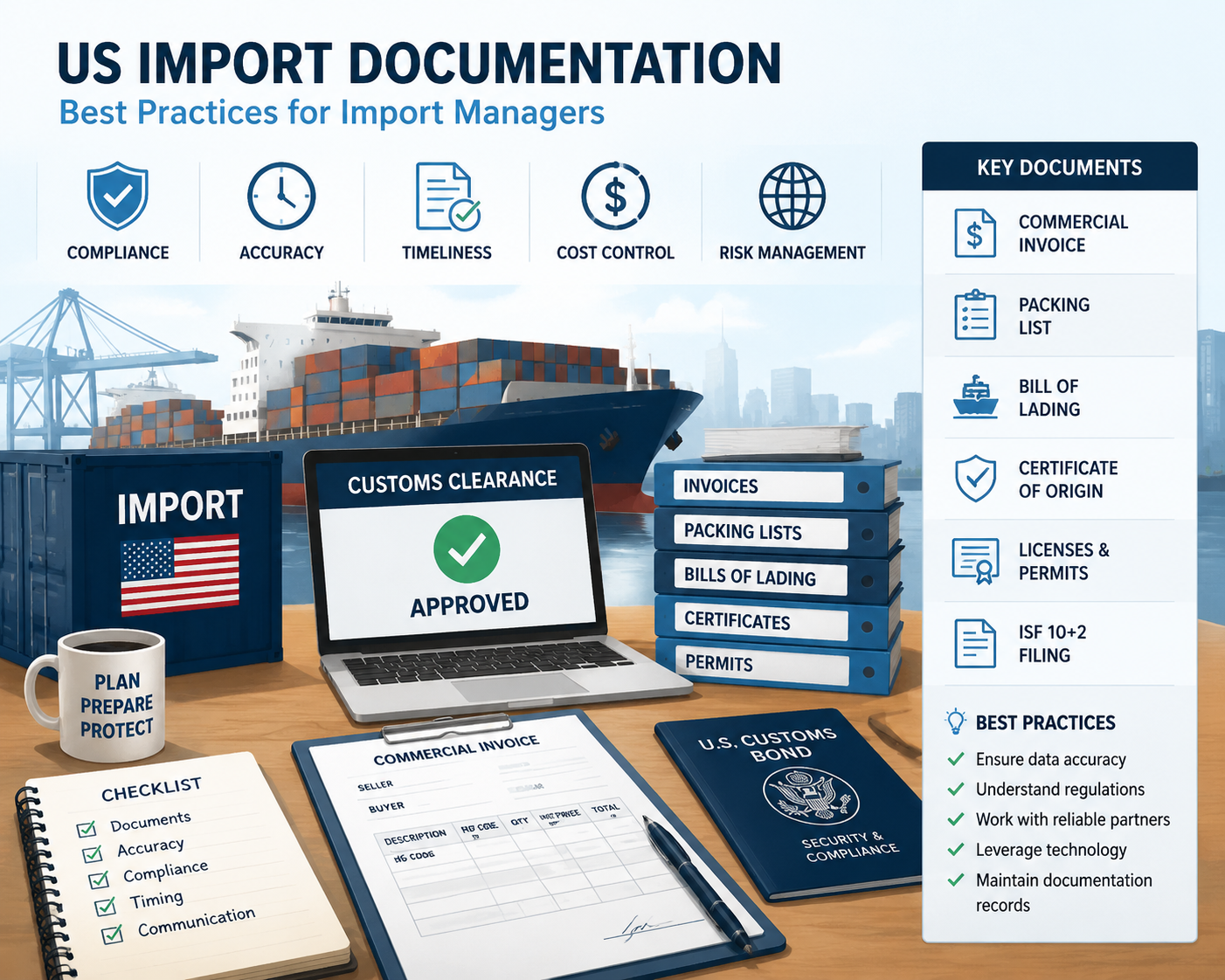
Share the Post: