
mark
Mexico DDP Shipping Guide for Importers & Engineers
1. Introduction to Mexico DDP Shipping
1.1 What DDP Shipping Means in International Trade
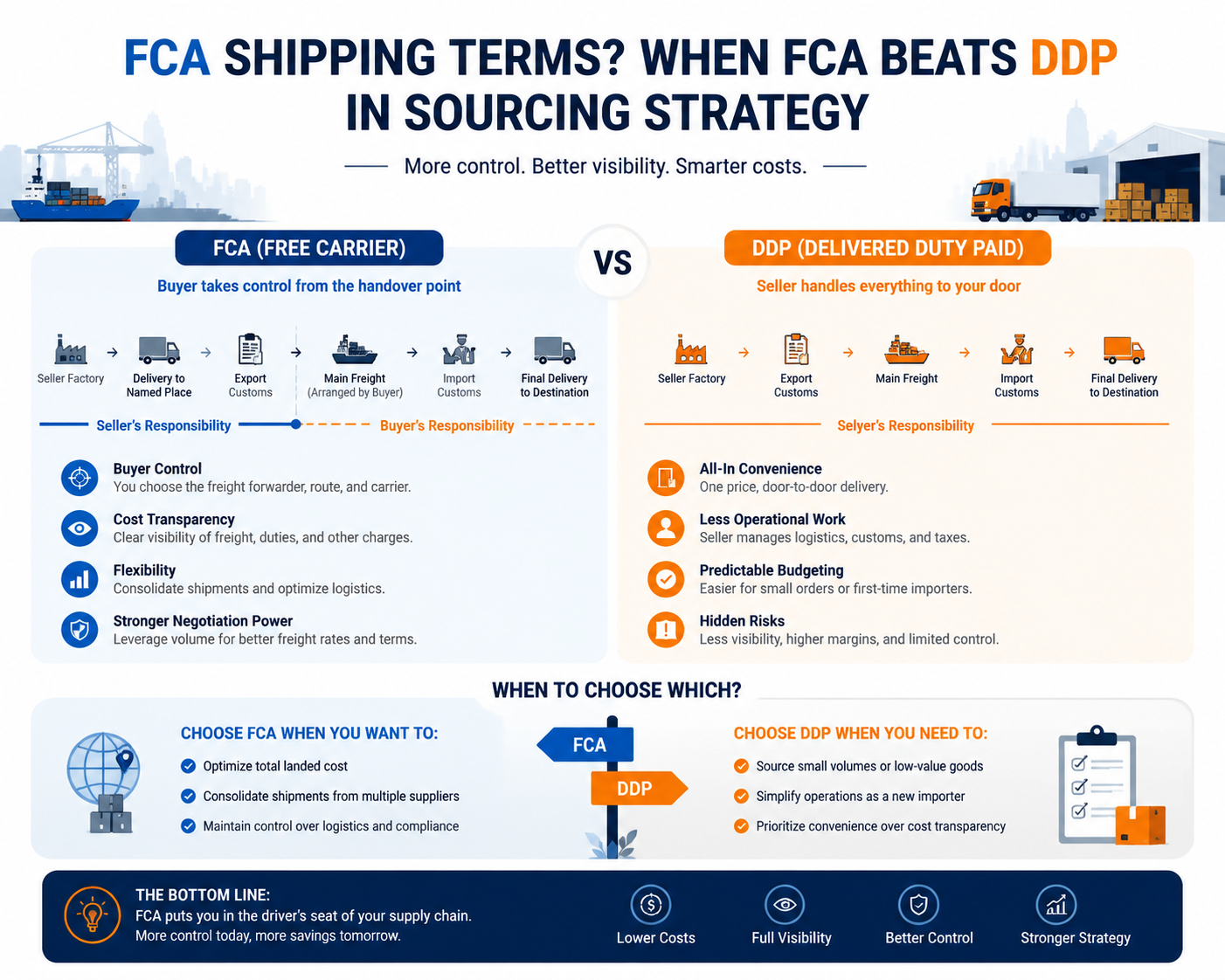
Mexico DDP shipping, commonly known as Delivered Duty Paid shipping, represents one of the most comprehensive logistics arrangements in international commerce. Under this trade modality, the seller assumes nearly all transportation obligations, including export clearance, freight coordination, customs duties, import taxes, and final delivery to the buyer’s destination in Mexico. In practical terms, the cargo arrives “ready to work,” which is precisely why procurement managers and industrial buyers often say, “That’s the whole ball game right there.”
For manufacturers exporting industrial gears, automation assemblies, electrical components, or heavy mechanical equipment, Mexico DDP shipping substantially minimizes operational ambiguity. Instead of wrestling with fragmented customs procedures or labyrinthine taxation structures, buyers receive predictable landed pricing and streamlined delivery management. This arrangement is especially advantageous for companies with limited local import expertise in Mexico.
Additional information regarding Incoterms can be found at ICC Incoterms Rules.
1.2 Why Mexico Is a Key Import Market
Mexico has evolved into a formidable manufacturing and distribution nucleus within North America, driven by its strategic geography, industrial labor capacity, and robust participation in international trade agreements. Industries such as automotive manufacturing, aerospace engineering, renewable energy, industrial machinery, and consumer electronics have transformed the nation into a colossal procurement ecosystem.
Many Chinese exporters increasingly rely on Mexico DDP shipping because Mexico functions as both a consumption market and a regional manufacturing platform. Nearshoring initiatives continue accelerating at full throttle, particularly as North American companies diversify supply chains away from excessive single-country dependency.
According to trade data published by Trade.gov, Mexico remains one of the United States’ largest trading partners and a major industrial importer globally.
1.3 Overview of Mexico DDP Shipping Processes
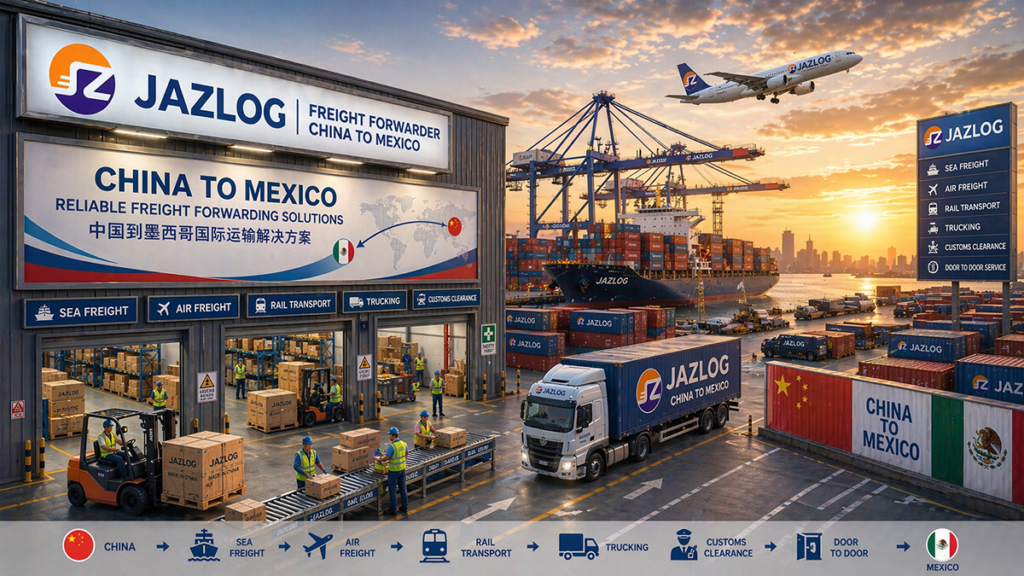
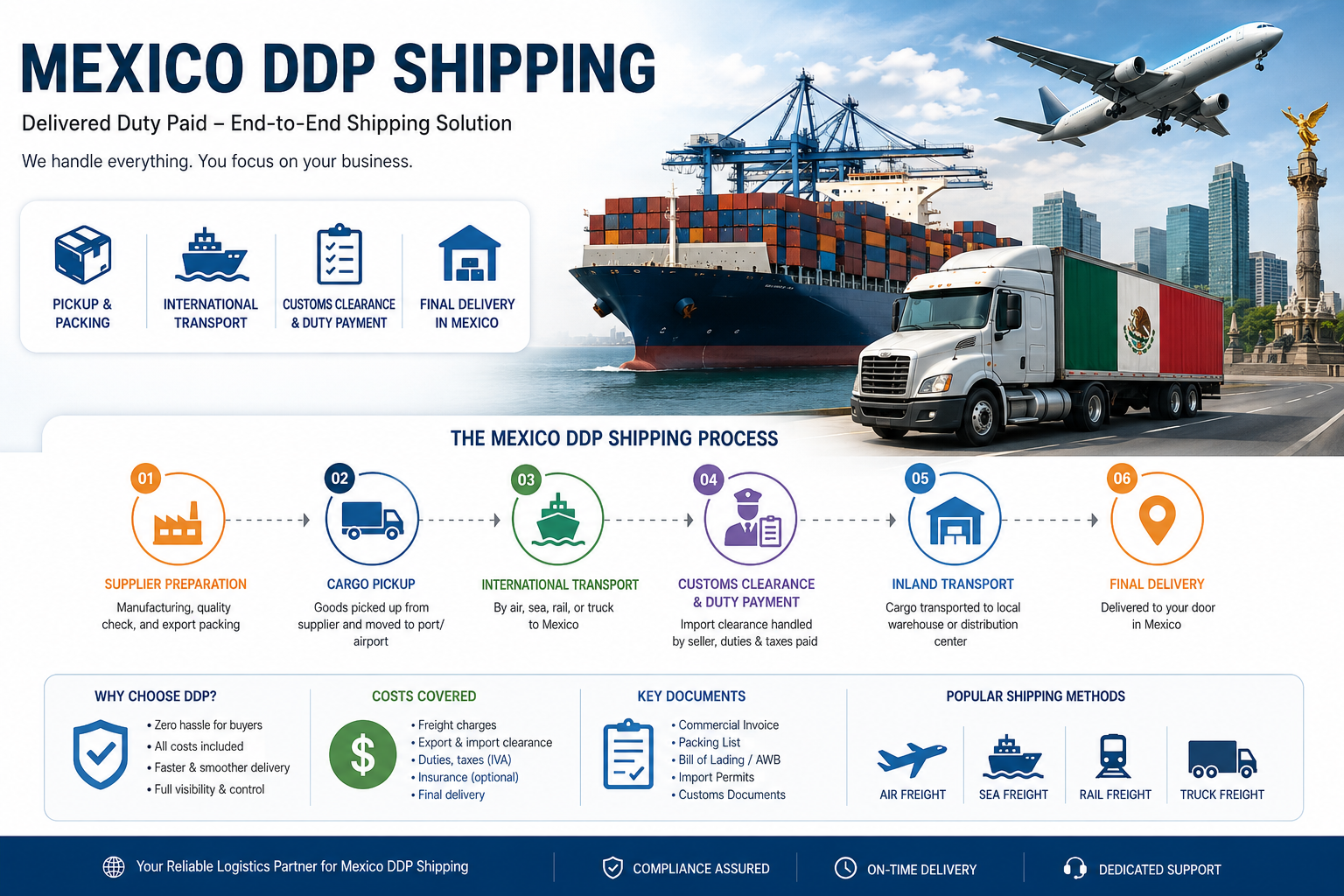
A standard Mexico DDP shipping operation generally begins with supplier cargo preparation and export packaging. Once the freight is collected from the manufacturing facility, transportation proceeds via air freight, ocean freight, rail freight, or truck transportation depending on urgency, cargo density, and budgetary constraints.
After cargo arrival in Mexico, customs clearance procedures commence, involving tariff classification, VAT calculation, customs declarations, and compliance inspections. Once taxes and duties are settled, the cargo proceeds toward the consignee’s warehouse, factory, distribution center, or retail destination.
From a mechanical engineering procurement perspective, this turnkey logistics configuration drastically reduces downtime risks, which frankly speaking, can save buyers from “pulling their hair out” during urgent production schedules.
2. Understanding Incoterms and DDP Responsibilities
2.1 Definition of Delivered Duty Paid (DDP)
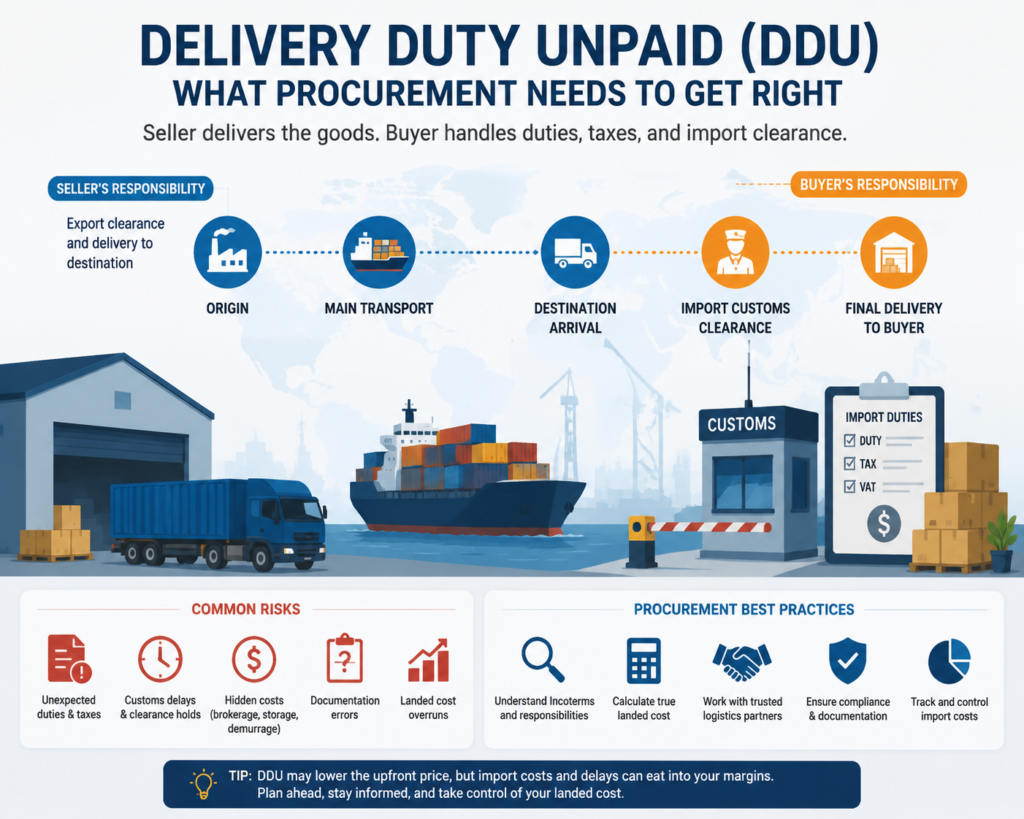
Delivered Duty Paid is one of the official international commercial terms established under Incoterms regulations. Under DDP terms, the seller retains maximum responsibility throughout the transportation continuum until the cargo reaches the agreed destination in Mexico.
This includes freight booking, customs declarations, import taxes, border clearance, and inland delivery coordination. Buyers simply receive the cargo without engaging directly in complex customs administration. For industrial procurement departments handling multiple suppliers simultaneously, this arrangement can be a real lifesaver.
2.2 Seller Responsibilities Under DDP Terms
The seller’s obligations under Mexico DDP shipping are extensive and require meticulous logistical orchestration. Responsibilities include export documentation, transportation management, customs brokerage coordination, duty payments, and delivery execution.
Sellers must also ensure cargo complies with Mexican import regulations, including labeling standards, tariff coding accuracy, and certification requirements where applicable. Failure to comply may trigger customs holds, financial penalties, or shipment confiscation, and nobody in logistics wants that kind of smoke.
2.3 Buyer Responsibilities in Mexico Imports
Although DDP shipping places most obligations on the seller, buyers still maintain certain responsibilities. Buyers must provide accurate delivery information, support compliance verification when necessary, and ensure product specifications align with Mexican import regulations.
Industrial buyers should also verify supplier competency because inexperienced freight partners can create severe operational bottlenecks despite DDP arrangements. A cheap freight quote that collapses at customs usually becomes far more expensive in the long run.
3. How Mexico DDP Shipping Works Step by Step
3.1 Supplier Preparation and Cargo Pickup
The initial stage of Mexico DDP shipping begins with production completion, packaging inspection, palletization, and cargo pickup scheduling. Exporters must ensure products are securely packaged to withstand multimodal transportation conditions, particularly for delicate industrial components and precision machinery.
Freight forwarders arrange pickup from factories and transport cargo toward ports, airports, or rail terminals. At this stage, documentation accuracy becomes absolutely mission-critical.
3.2 Customs Clearance and Tax Payment
Upon arrival in Mexico, customs authorities evaluate shipment classifications, declared values, certifications, and tax obligations. Duties and VAT are calculated according to Mexico’s tariff system.
Experienced customs brokers play a pivotal role here because even a minor discrepancy in HS code classification can trigger customs inspections or shipment delays. In the logistics world, paperwork is king.
3.3 Final Delivery to the Customer in Mexico
After successful customs clearance, cargo proceeds toward final delivery through domestic trucking networks or regional distribution centers. Depending on cargo type and destination geography, deliveries may involve urban distribution routes or long-haul transportation into industrial regions.
Reliable last-mile delivery coordination is especially important for manufacturing operations operating under lean inventory principles.
4. Main Advantages of Mexico DDP Shipping
4.1 Simplified Import Procedures for Buyers
Mexico DDP shipping removes substantial administrative burdens from buyers by consolidating transportation, customs clearance, and tax obligations under a single logistics arrangement.
This simplified structure is highly beneficial for procurement teams lacking in-house customs expertise.
4.2 Predictable Total Landed Costs
One of the most valuable benefits of Mexico DDP shipping is cost predictability. Buyers receive all-inclusive pricing that incorporates transportation fees, customs duties, VAT, brokerage expenses, and delivery charges.
Predictable landed costs enable more accurate procurement forecasting and operational budgeting.
4.3 Faster Cross-Border Logistics Coordination
Because a single logistics provider coordinates the shipping process, communication inefficiencies are dramatically reduced. Faster cargo handling, consolidated responsibility, and integrated tracking systems collectively improve shipment velocity.
For industrial production environments operating on tight schedules, faster coordination can make the difference between uninterrupted production and catastrophic downtime.
5. Common Challenges in Mexico DDP Shipping
5.1 Customs Delays and Documentation Errors
Customs delays remain one of the most prevalent challenges in Mexico DDP shipping. Incorrect invoices, incomplete packing lists, inaccurate tariff codes, or certification deficiencies can rapidly derail delivery schedules.
In severe cases, customs authorities may suspend cargo release entirely until corrective documentation is submitted.
5.2 Tax Compliance and Regulatory Issues
Mexico maintains intricate tax regulations involving VAT obligations, import duties, and industry-specific compliance requirements. Failure to satisfy these regulations can generate substantial penalties.
This is particularly relevant for industrial machinery, electrical systems, and electronic components requiring technical certifications.
5.3 Delivery Risks in Remote Regions
Deliveries into geographically remote or infrastructure-limited regions can present additional logistical complications. Transportation reliability, road conditions, and cargo security may become critical considerations.
Experienced freight providers mitigate these risks through optimized routing strategies and regional warehousing support.
6. Mexico Import Regulations and Compliance
6.1 Mexico Customs Rules for Imported Goods
Mexican customs regulations require accurate cargo declarations, proper tariff classifications, and full compliance with applicable import procedures. Authorities carefully scrutinize declared cargo values and documentation consistency.
More information is available at Mexico Customs Authority.
6.2 Restricted and Prohibited Products
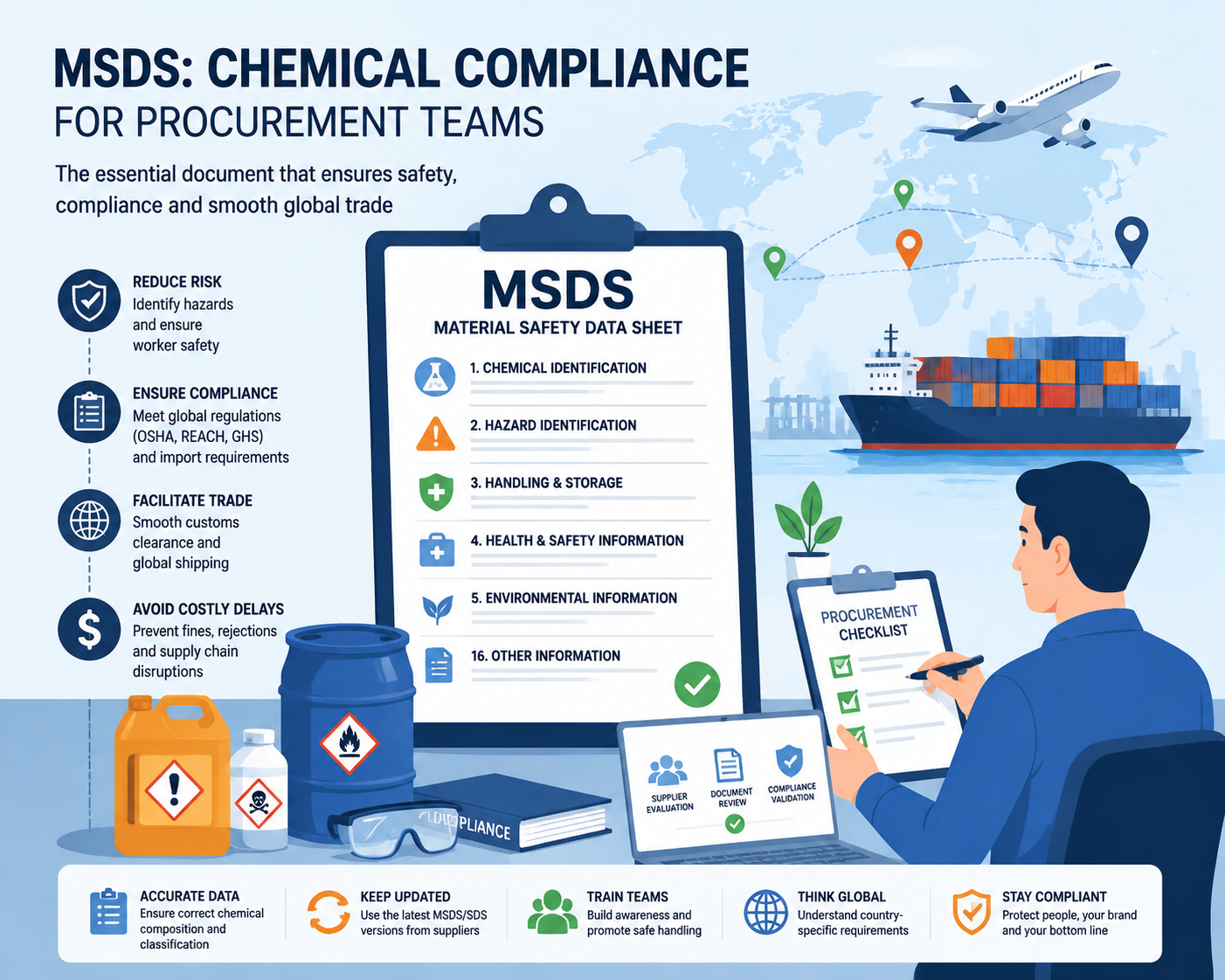
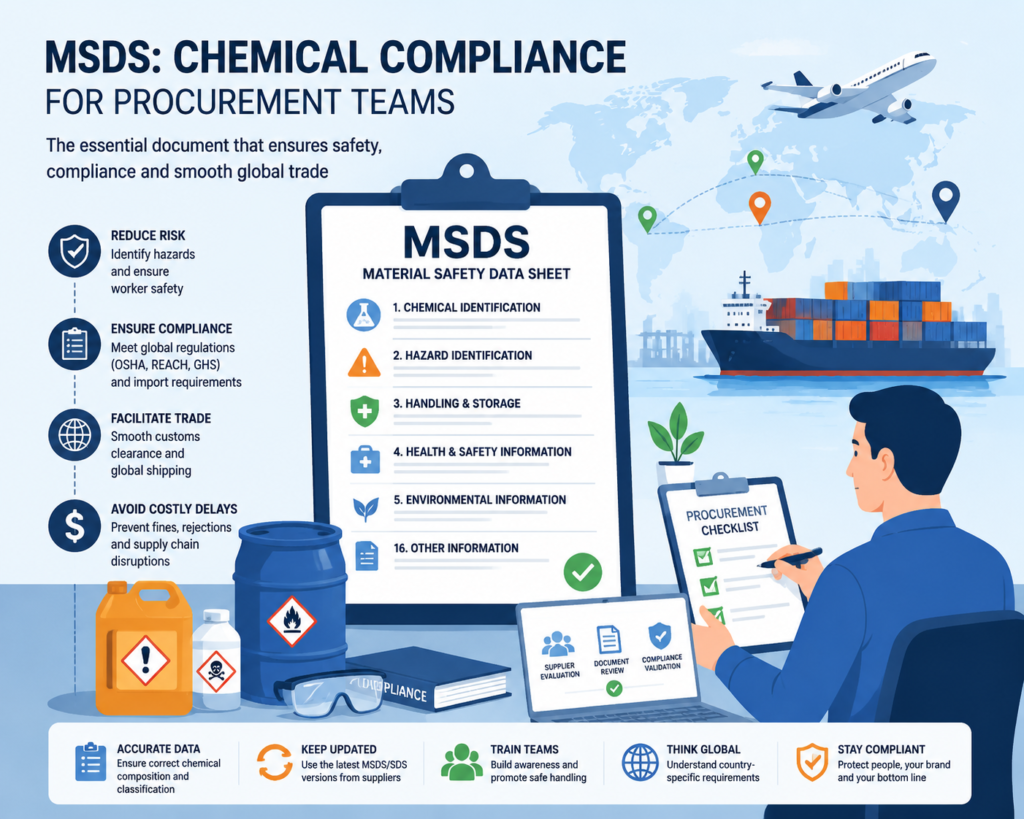
Certain products entering Mexico may face restrictions, including hazardous materials, pharmaceuticals, agricultural products, and specialized industrial equipment.
Importers should verify admissibility before shipment execution to avoid customs seizures or financial losses.
6.3 NOM Certification Requirements
Mexico’s NOM standards regulate product safety, labeling, and technical compliance for various imported goods. Electrical products, machinery, and electronic devices frequently require NOM certification.
Without proper certification, customs clearance can grind to a halt faster than a gearbox without lubrication.
7. Essential Documents for Mexico DDP Shipping
7.1 Commercial Invoice and Packing List
Commercial invoices and packing lists form the cornerstone of customs documentation. These documents must accurately describe cargo contents, quantities, dimensions, weights, and declared values.
7.2 Bill of Lading or Air Waybill
Bills of lading and air waybills function as official transportation contracts between shippers and carriers. They also serve as cargo tracking references throughout the logistics journey.
7.3 Import Permits and Customs Documents
Certain products require additional import permits, certifications, or technical declarations before entering Mexico legally.
Maintaining complete documentation packages minimizes customs friction and accelerates cargo release.
8. Mexico DDP Shipping Methods
8.1 Air Freight DDP to Mexico
Air freight offers the fastest transportation method for urgent shipments, spare parts, electronics, and time-sensitive industrial equipment.
Although costs are higher, transit speed often justifies the investment for mission-critical cargo.
8.2 Sea Freight DDP to Mexico
Sea freight remains the dominant solution for large-volume industrial shipments. Full container load and less-than-container-load services provide scalable transportation flexibility.
For heavy mechanical assemblies, sea freight usually delivers the best balance between cost efficiency and cargo capacity.
8.3 Rail and Truck Freight Solutions
Rail and truck transportation solutions support cross-border trade throughout North America. These methods are frequently used for inland distribution and regional manufacturing supply chains.
9. Shipping from China to Mexico Under DDP Terms
9.1 Popular Shipping Routes and Ports
Major China-to-Mexico shipping routes typically involve ports such as Shanghai, Ningbo, Shenzhen, and Qingdao, connecting with Mexican gateways including Manzanillo and Lazaro Cardenas.
9.2 Transit Time Expectations
Transit times vary significantly depending on shipping mode, customs processing, and inland delivery distance. Air freight may require several days, whereas sea freight often ranges between several weeks.
9.3 Typical Industries Using DDP Shipping
Industries heavily utilizing Mexico DDP shipping include automotive manufacturing, renewable energy, electronics, industrial machinery, and e-commerce distribution.
10. Mexico Customs Duties and Tax Structure
10.1 Import Duty Rates in Mexico
Mexico applies varying import duty rates according to product classifications under the Harmonized System tariff structure.
10.2 VAT and Additional Customs Fees
In addition to import duties, Mexico generally imposes VAT and customs processing fees on imported products.
10.3 How Duties Are Calculated
Duties are typically calculated using cargo value, freight costs, insurance charges, and product classification criteria.
11. Cost Breakdown of Mexico DDP Shipping
11.1 Freight Charges and Handling Fees
Freight expenses include carrier transportation fees, fuel surcharges, terminal handling costs, and cargo management services.
11.2 Customs Brokerage and Clearance Costs
Customs brokerage services involve documentation preparation, tariff classification support, and customs communication management.
11.3 Last-Mile Delivery Expenses
Last-mile delivery costs depend on destination accessibility, cargo dimensions, and regional transportation infrastructure.
12. Choosing the Right Freight Forwarder for Mexico DDP Shipping
12.1 Experience with Mexico Customs Procedures
Freight forwarders with substantial Mexico customs expertise can dramatically reduce operational risks and shipment delays.
12.2 Warehouse and Distribution Capabilities
Providers offering bonded warehouses, inventory management, and regional distribution services deliver additional logistical flexibility.
12.3 Customer Support and Shipment Tracking
Transparent communication and real-time shipment tracking systems are indispensable in modern logistics operations.
13. Packaging and Labeling Requirements
13.1 Secure Packaging for International Transport
Industrial shipments require durable export-grade packaging capable of resisting vibration, humidity, and handling impacts during transportation.
13.2 Spanish Labeling Requirements in Mexico
Many imported products entering Mexico must include compliant Spanish-language labeling.
13.3 Palletization and Carton Standards
Proper palletization improves cargo stability, warehouse handling efficiency, and transportation safety.
14. Mexico DDP Shipping for E-Commerce Businesses
14.1 Cross-Border E-Commerce Opportunities
Cross-border e-commerce continues experiencing explosive growth throughout Mexico, creating substantial import opportunities.
14.2 Small Parcel DDP Shipping Solutions
Small parcel DDP services simplify tax management and delivery coordination for online retailers.
14.3 Managing Returns and Reverse Logistics
Efficient reverse logistics systems improve customer satisfaction and reduce operational inefficiencies.
15. Risk Management in Mexico DDP Shipping
15.1 Cargo Insurance Options
Cargo insurance protects shipments against physical damage, theft, and transportation-related losses.
15.2 Preventing Customs Clearance Problems
Accurate documentation and regulatory compliance remain the most effective methods for preventing customs complications.
15.3 Managing Delivery Delays and Claims
Contingency planning and responsive logistics coordination help mitigate delivery disruptions and financial claims.
16. Warehouse and Distribution Solutions in Mexico
16.1 Bonded Warehousing Services
Bonded warehouses allow importers to defer duty payments until cargo enters domestic circulation.
16.2 Local Fulfillment and Inventory Management
Localized fulfillment operations improve delivery speed and inventory responsiveness.
16.3 Distribution to Major Mexico Cities
Efficient distribution networks support deliveries into industrial hubs including Monterrey, Guadalajara, and Mexico City.
17. Technology and Tracking in DDP Logistics
17.1 Real-Time Shipment Visibility
Modern logistics platforms provide continuous shipment monitoring and operational transparency.
17.2 Digital Customs Documentation Systems
Digital customs systems improve efficiency by reducing paperwork redundancy and accelerating data processing.
17.3 Automation in International Freight Operations
Automation technologies increasingly optimize route planning, warehouse management, and freight coordination.
18. Comparing DDP with Other Shipping Terms
18.1 DDP vs DAP Shipping
Under DAP terms, buyers generally assume responsibility for import duties and taxes, unlike DDP arrangements where sellers manage these obligations.
18.2 DDP vs CIF Shipping
CIF shipping covers transportation and insurance only to the destination port, whereas DDP extends responsibility through customs clearance and final delivery.
18.3 Best Scenarios for Using DDP Terms
DDP shipping is especially effective for buyers seeking simplified procurement processes and predictable landed costs.
19. Best Practices for Successful Mexico DDP Shipping
19.1 Preparing Accurate Shipping Documentation
Accurate documentation reduces customs complications and enhances operational efficiency.
19.2 Partnering with Reliable Logistics Providers
Selecting experienced logistics partners substantially improves shipment reliability and compliance management.
19.3 Planning for Seasonal Shipping Demand
Peak shipping seasons can create congestion, increased freight costs, and delivery delays, making proactive planning absolutely essential.
20. Future Trends in Mexico DDP Shipping
20.1 Growth of Nearshoring and Manufacturing
Nearshoring initiatives continue reshaping global supply chains and strengthening Mexico’s industrial relevance.
20.2 Increasing Cross-Border Trade Between China and Mexico
Trade volumes between China and Mexico continue expanding as manufacturers diversify sourcing strategies.
20.3 Digital Transformation in Customs and Logistics
Advanced digital technologies are steadily transforming customs administration and freight management systems.
Additional supply chain information can be explored through The World Bank Trade Resources.
21. Frequently Asked Questions About Mexico DDP Shipping
21.1 How Long Does Mexico DDP Shipping Take
Transit duration depends on transportation mode, customs processing speed, and inland delivery requirements.
21.2 What Products Are Difficult to Ship Under DDP
Restricted goods, hazardous materials, and products requiring technical certifications may involve additional complexities.
21.3 How to Reduce Mexico DDP Shipping Costs
Cost reduction strategies include shipment consolidation, optimized packaging, accurate tariff classification, and strategic transportation planning.
22. Conclusion
22.1 Key Takeaways for Importers and Exporters
Mexico DDP shipping provides a highly efficient logistics solution for businesses seeking simplified international transportation and customs management.
22.2 Importance of Compliance and Logistics Planning
Successful DDP operations require rigorous documentation accuracy, regulatory compliance, and experienced logistics coordination.
22.3 Final Recommendations for Smooth Mexico DDP Shipping
Companies pursuing long-term success in Mexico DDP shipping should prioritize experienced freight partners, proactive compliance management, and robust transportation planning strategies. In international logistics, smooth operations rarely happen by accident; they are engineered through preparation, precision, and relentless execution.
For broader international shipping guidance, visit World Trade Organization.
```