Table of Contents
1. Introduction to China to Canada Shipping
1.1 Why Canada Remains a Key Import Market
Canada sits as one of North America's most stable import markets, offering predictable regulatory frameworks and a strong appetite for high-quality products. For procurement engineers, it’s not just about moving goods; it’s about tapping into a market where consistency and reliability translate directly to brand trust, customer satisfaction, and operational efficiency. The relatively lower trade barriers, coupled with a well-established logistics infrastructure, make Canada a prime target for imports from China, particularly in industrial components, electronics, and consumer goods.
Learn more about Canada's economy through Wikipedia's Economy of Canada page.
1.2 Common Challenges Faced by Procurement Teams
Procurement professionals often wrestle with fluctuating freight costs, customs bottlenecks, and unpredictable lead times. From documentation errors to seasonal congestion at ports, every misstep can cascade into delayed production schedules and excess costs. Navigating these challenges requires a proactive mindset, meticulous attention to detail, and strong collaboration with both suppliers and logistics partners.
1.3 The Link Between Cost Control and Delivery Performance
In international shipping, cost control isn’t just about cutting the bottom line—it’s about optimizing the entire supply chain to ensure timely delivery without hidden charges eating into margins. Efficient logistics translates to faster production cycles, reduced inventory costs, and the ability to respond to market demands with agility. Balancing cost and delivery performance is the secret sauce that separates successful procurement operations from those constantly firefighting.
2. Understanding the China to Canada Supply Chain
2.1 Major Shipping Routes
Most shipments from China to Canada traverse the Pacific, with Vancouver, Montreal, and Toronto serving as primary entry ports. Ocean freight typically follows established trans-Pacific lanes, while air cargo moves through major hubs like Shanghai-Pudong and Beijing-Capital to Toronto Pearson and Vancouver International. Understanding the nuances of each route, including transit times, congestion risks, and port fees, is key for smart scheduling and cost forecasting.
2.2 Key Logistics Stakeholders
From manufacturers to freight forwarders, customs brokers, port authorities, and trucking companies, each stakeholder plays a pivotal role. Procurement engineers must know who holds responsibility at every handoff to prevent miscommunication, delays, or mismanaged cargo. Building trusted relationships across this network is akin to assembling a high-performing pit crew—every player must execute flawlessly.
2.3 Typical Transit Timelines
Ocean freight usually takes 18 to 30 days depending on the port of origin and route, while air freight can compress delivery to 3–7 days. Rail solutions fall in between, offering 14–20 days on average. Realistic lead-time planning accounts for customs clearance, inland transport, and buffer time for unexpected delays. Accurate timelines empower procurement teams to manage inventory levels and customer expectations without scrambling at the last minute.
3. Main Shipping Methods from China to Canada
3.1 Ocean Freight
Ocean freight remains the most cost-effective solution for large shipments. It allows for full container loads (FCL) and less-than-container loads (LCL), providing flexibility in volume management. Although slower than air, strategic consolidation and proper scheduling can dramatically lower landed costs while keeping delivery predictable.
For additional information on containerized shipping, visit Wikipedia's Containerization article.
3.2 Air Freight
Air cargo is the go-to option when speed is non-negotiable. While expensive, it’s ideal for high-value, time-sensitive items like electronics or medical devices. Procurement engineers must weigh cost against critical deadlines, sometimes blending ocean and air shipments in a hybrid approach to achieve both efficiency and financial prudence.
3.3 Rail and Multimodal Solutions
Rail provides a middle ground between cost and speed, especially for shipments to Eastern Canada. Multimodal solutions that integrate rail, ocean, and road transport can optimize the supply chain for both cost-efficiency and reliability, especially when leveraging inland hubs and cross-docking strategies.
4. Choosing the Right Freight Mode for Your Business
4.1 Cost Versus Speed Comparison
Procurement teams often face the trade-off of saving on freight versus meeting tight deadlines. While ocean freight slashes costs, air freight ensures rapid replenishment. The key is calculating the landed cost per unit while factoring in potential stockouts, production delays, and opportunity costs—a holistic approach beats raw sticker price every time.
4.2 Product Type Considerations
Fragile, high-value, or time-sensitive goods demand special handling. Bulk raw materials, on the other hand, can tolerate slower, cheaper ocean routes. Matching the shipment mode to the product’s physical and commercial characteristics reduces damage risks, insurance costs, and customer complaints.
4.3 Seasonal Demand Factors
Peak seasons, holidays, and promotional campaigns create spikes in demand. Planning shipments around these periods avoids capacity crunches and inflated rates. Procurement engineers must forecast seasonality accurately and collaborate with logistics partners to secure slots well in advance.
5. Factors That Impact Import Costs
5.1 Freight Rates
Freight rates fluctuate based on fuel prices, capacity, and seasonal demand. Understanding the drivers behind these rates allows buyers to negotiate effectively, schedule strategically, and avoid paying a premium for last-minute shipments.
5.2 Fuel and Peak Season Surcharges
Variable surcharges can eat into margins unexpectedly. Awareness of peak season premiums, bunker adjustment factors (BAF), and security fees ensures total cost visibility and prevents nasty surprises on invoices.
5.3 Customs and Regulatory Expenses
Duties, taxes, and regulatory compliance fees must be incorporated into cost calculations. Misclassification of products or missing documentation can trigger fines and inspection delays, undermining cost control efforts.
6. How to Reduce Freight Costs Without Sacrificing Service
6.1 Shipment Consolidation Strategies
Combining multiple shipments into a single container or leveraging groupage services can dramatically lower unit costs. Consolidation also reduces handling risks and simplifies customs clearance.
6.2 Optimizing Order Quantities
Balancing order volume with inventory turnover is key. Overordering ties up capital, while underordering risks stockouts and expedited shipping costs. Smart procurement relies on data-driven forecasting and historical demand patterns.
6.3 Long-Term Carrier Partnerships
Establishing long-term relationships with trusted carriers often unlocks better rates, priority space, and flexible payment terms. Reliability and responsiveness matter more than chasing the cheapest option every single time.
7. Full Container Load vs Less Than Container Load
7.1 Cost Structure Comparison
FCL offers predictable costs and reduced handling risks, whereas LCL charges are based on volume and often include higher handling fees. Understanding these cost structures allows informed decision-making based on shipment size and urgency.
7.2 When FCL Is the Better Choice
High-volume, regular shipments benefit from FCL because of reduced unit costs and lower risk of damage or loss. It’s the preferred option for procurement teams managing high-value production lines.
7.3 When LCL Makes More Sense
Small, irregular shipments or prototypes suit LCL. Though slightly pricier per cubic meter, it avoids tying up capital in excessive inventory and allows flexibility in testing new suppliers or products.
8. Supplier Coordination for Lower Logistics Costs
8.1 Production Schedule Alignment
Synchronizing production and shipment schedules reduces idle time and storage costs. Procurement engineers often act as the conductor, ensuring factories ship goods only when the supply chain can absorb them efficiently.
8.2 Packaging Standardization
Uniform packaging enhances container utilization, lowers handling damage, and simplifies customs inspections. It’s a simple step that saves significant money when scaled across multiple shipments.
8.3 Shipment Readiness Planning
Ensuring goods are ready for pick-up on schedule avoids detention fees and last-minute rush costs. Pre-shipment audits, documentation checks, and early communication with forwarders are critical.
9. Packaging Optimization for International Transport
9.1 Reducing Dimensional Weight
Overly bulky packaging increases freight charges due to dimensional weight pricing. Smart engineers design packaging that protects the product without being a shipping burden.
9.2 Improving Container Utilization
Stacking efficiency and pallet optimization ensure maximum payload per container, lowering per-unit costs and reducing environmental impact.
9.3 Preventing Cargo Damage
Cushioning, bracing, and moisture-proofing reduce claims and replacements. A damaged shipment is more costly than premium freight—it kills both time and reputation.
10. Understanding Canadian Customs Requirements
10.1 Import Documentation Essentials
Accurate commercial invoices, packing lists, and certificates of origin are non-negotiable. Errors can delay customs clearance by days, inflating storage costs.
10.2 Customs Duties and Taxes
Proper classification under HS codes ensures correct duty calculation. Misclassification can trigger audits, penalties, and shipment detention.
10.3 Compliance Requirements for Imported Goods
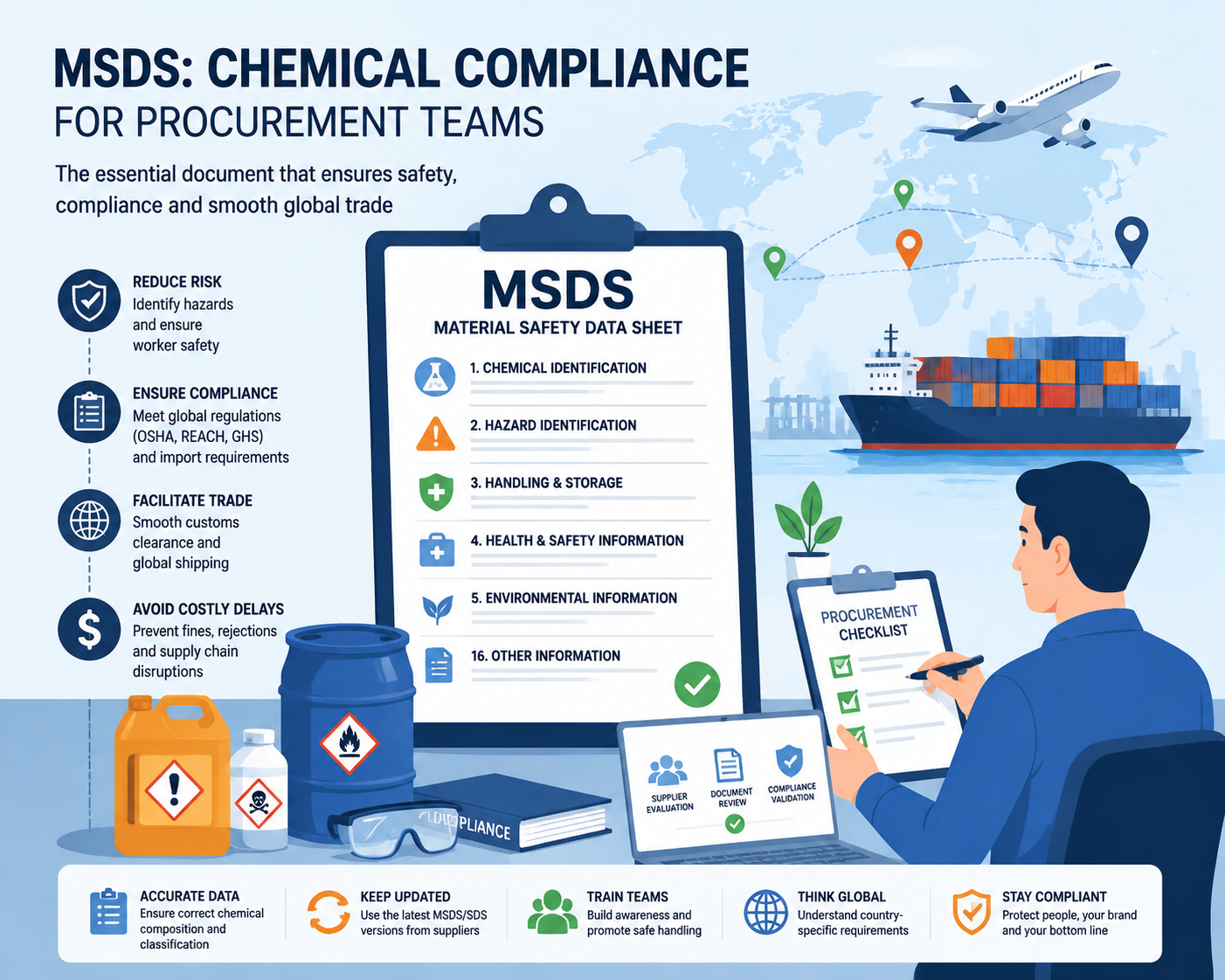
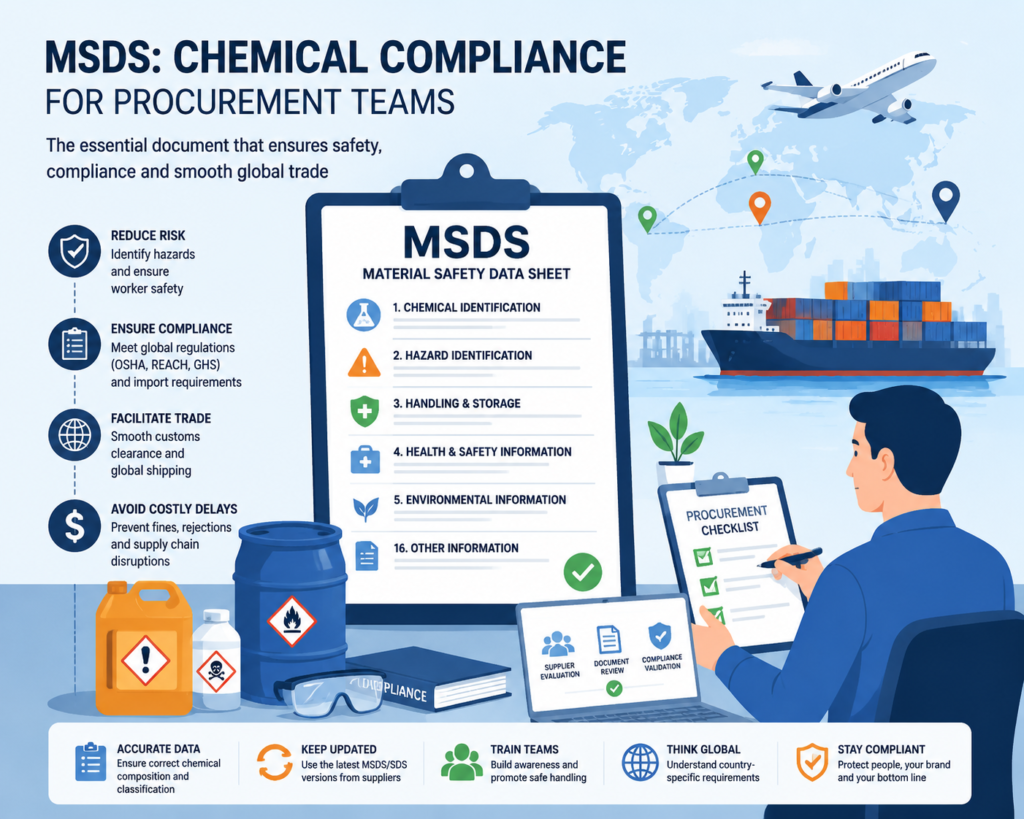
Certain categories like electronics, textiles, and food require additional certifications. Ensuring compliance upfront prevents costly last-minute fixes.
Official Canadian customs guidance is available through the Canada Border Services Agency (CBSA).
11. How to Avoid Customs Delays
11.1 Accurate Product Classification
Precise HS codes and descriptions prevent misrouting and fines. Regular updates on regulatory changes are crucial.
11.2 Proper Commercial Invoice Preparation
Invoices should include clear product details, accurate valuations, and harmonized codes. Incomplete or inconsistent data is the most common source of customs headaches.
11.3 Pre-Clearance Best Practices
Leveraging electronic pre-clearance and liaising with brokers before shipment arrival can shave days off transit time and reduce port congestion exposure.
12. Incoterms and Their Impact on Total Landed Cost
12.1 FOB Explained
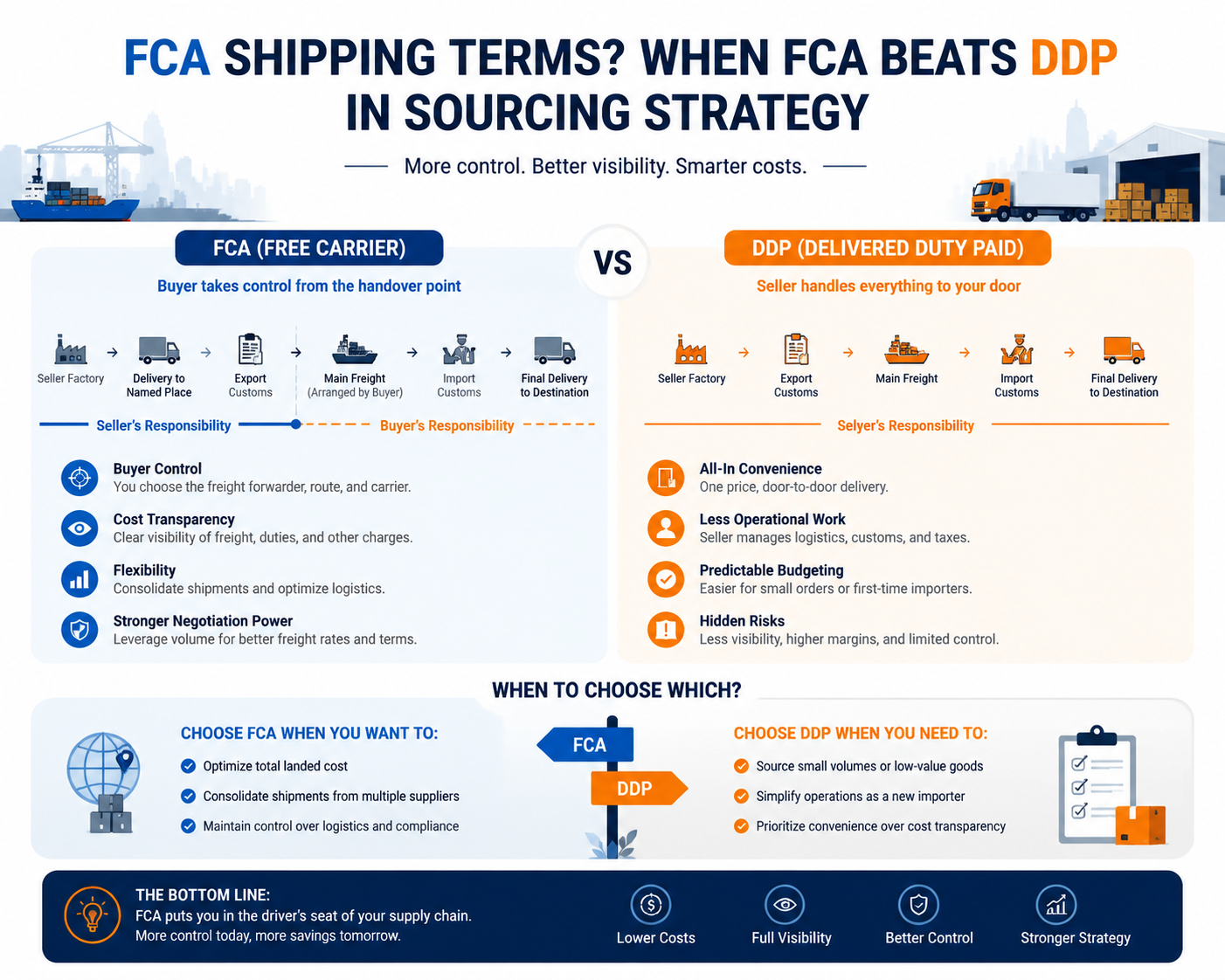
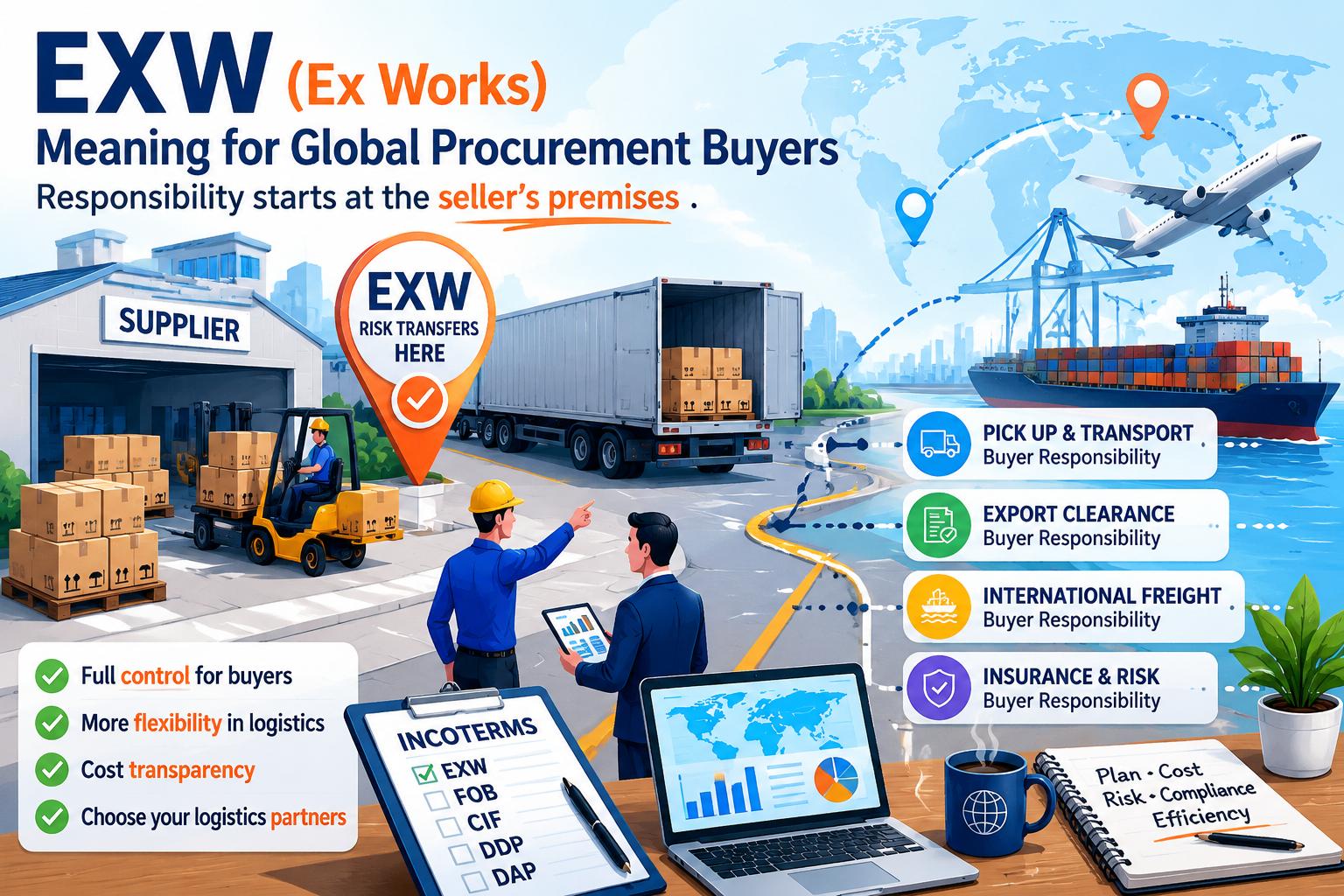
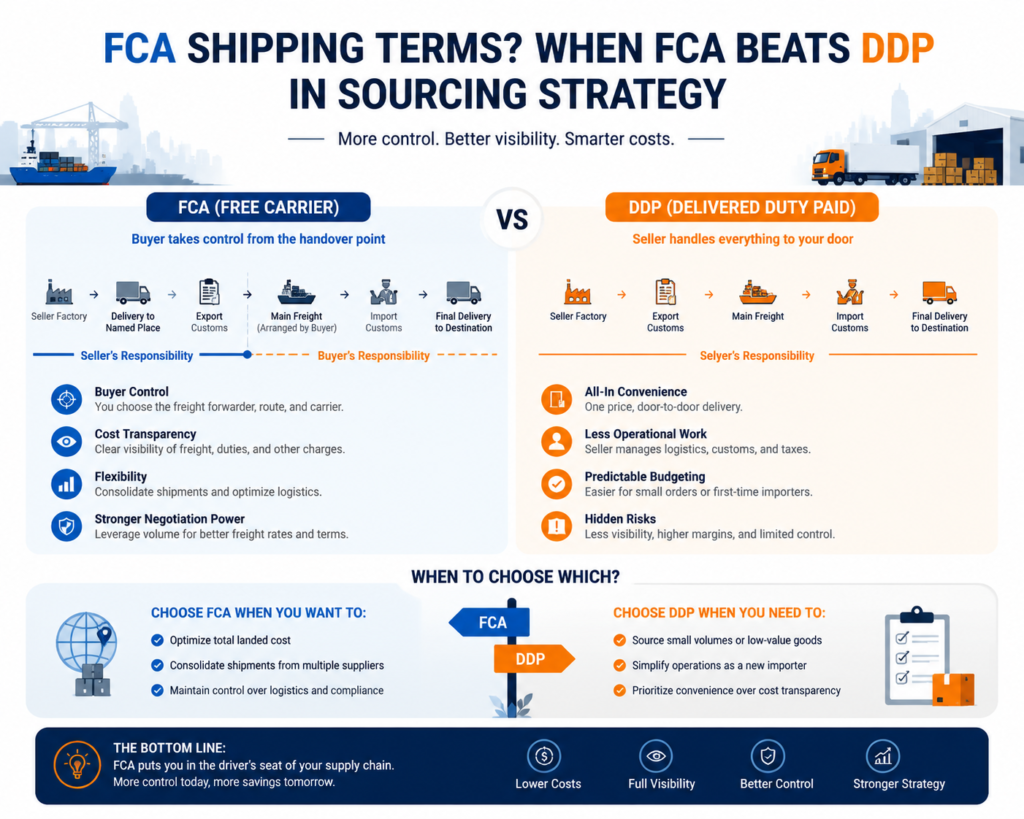
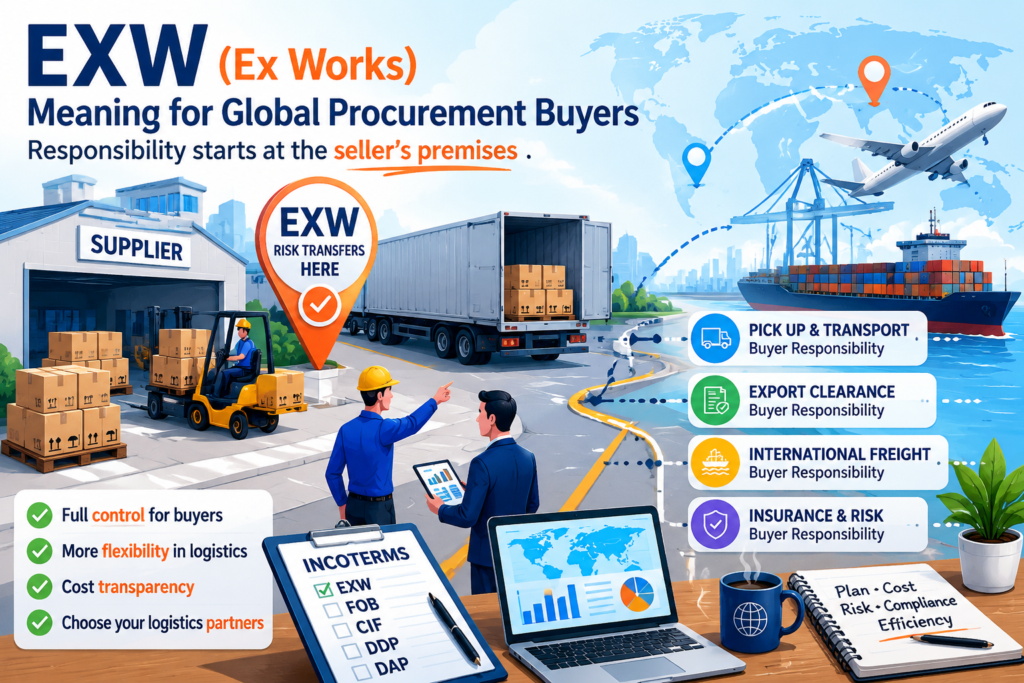
Free on Board places the responsibility on the buyer after goods leave the port, shifting risk and cost control to the importer while offering transparency on freight charges.
12.2 CIF Explained
Cost, Insurance, and Freight includes insurance and ocean freight, offering convenience but limiting control over transport choices and negotiation leverage.
12.3 DDP and DAP Considerations
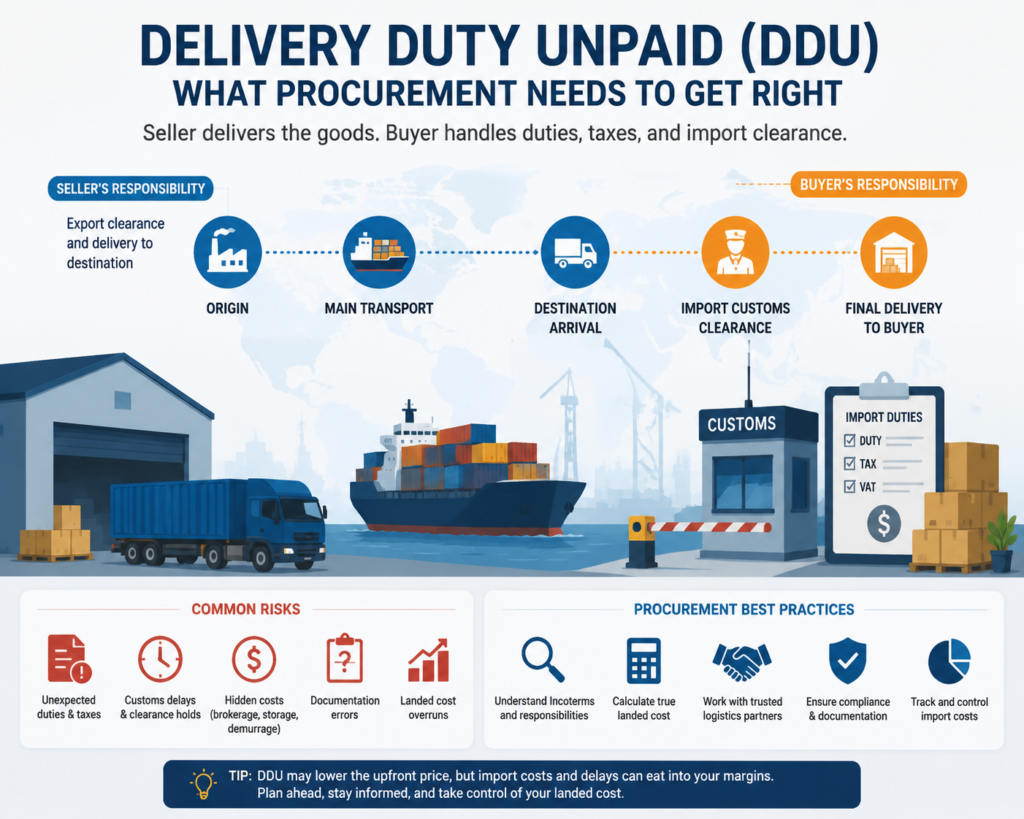
Delivered Duty Paid (DDP) and Delivered at Place (DAP) give varying degrees of responsibility for duties, taxes, and delivery, impacting cash flow, risk exposure, and total landed cost.
Detailed Incoterms guidance can be found through the International Chamber of Commerce (ICC).
13. Selecting the Right Freight Forwarder
13.1 Experience in China-Canada Trade
Choose partners who understand local regulations, seasonal congestion, and port nuances—they prevent costly mistakes and provide peace of mind.
13.2 Service Coverage and Capabilities
Full-service providers manage customs clearance, inland transport, and consolidation, offering end-to-end visibility.
13.3 Cost Transparency and Communication
Open dialogue on surcharges, peak season premiums, and hidden fees ensures no nasty surprises and builds trust for long-term collaboration.
14. Managing Peak Season Shipping Risks
14.1 Holiday-Related Disruptions
Chinese New Year, Christmas, and Canada Day can bottleneck logistics. Planning around these periods prevents last-minute rush costs.
14.2 Capacity Constraints
High-demand seasons drive up freight rates and reduce available slots. Early bookings lock in rates and availability.
14.3 Early Booking Strategies
Proactive scheduling, flexible shipment splitting, and reserving carrier space months in advance reduces exposure to delays and premium surcharges.
15. Leveraging Technology for Better Cost Control
15.1 Shipment Tracking Tools
Real-time tracking enhances visibility, allows for proactive problem-solving, and reduces reliance on manual updates.
15.2 Freight Data Analytics
Analyzing historical shipment data helps forecast costs, identify bottlenecks, and optimize routes for both efficiency and cost savings.
15.3 Supply Chain Visibility Platforms
Integrated platforms link suppliers, forwarders, and carriers, creating transparency across the supply chain and enabling smarter procurement decisions.
16. Strategies to Improve Inventory Planning
16.1 Demand Forecasting
Using historical sales, market trends, and seasonal patterns minimizes overstock and understock scenarios.
16.2 Safety Stock Management
Maintaining buffer stock for critical components prevents production halts while avoiding excessive carrying costs.
16.3 Reorder Point Optimization
Setting dynamic reorder points based on lead time, consumption rate, and supplier reliability streamlines procurement cycles.
17. Hidden Costs Importers Often Overlook
17.1 Demurrage and Detention Charges
Delays in unloading or returning containers can lead to steep fees that eat into margins.
17.2 Storage and Warehousing Fees
Long-term or unplanned storage costs add up quickly, especially during peak seasons.
17.3 Documentation Correction Costs
Even minor errors in paperwork can trigger fines, inspections, or storage charges, costing more than proactive checks.
18. Risk Management for International Procurement
18.1 Cargo Insurance Considerations
Insurance mitigates financial exposure against damage, theft, or loss, safeguarding both capital and production timelines.
18.2 Supplier Risk Assessment
Evaluating suppliers’ reliability, financial stability, and compliance practices reduces supply chain interruptions.
18.3 Contingency Planning
Having alternate routes, backup suppliers, and flexible logistics strategies ensures continuity under adverse conditions.
19. Building a Long-Term China to Canada Logistics Strategy
19.1 Cost Reduction Roadmap
Continuous evaluation of freight rates, carrier performance, and consolidation opportunities enables sustained cost reduction.
19.2 Supplier and Logistics Partner Collaboration
Joint planning, shared forecasts, and regular communication foster efficiency, reduce surprises, and strengthen relationships.
19.3 Continuous Performance Measurement
Tracking KPIs like on-time delivery, cost per unit, and damage rates allows for iterative improvements in procurement strategy.
20. Conclusion
20.1 Key Cost-Saving Takeaways
Proactive planning, smart carrier selection, and rigorous compliance checks form the foundation for cutting import costs without jeopardizing delivery timelines.
20.2 Steps to Prevent Shipping Delays
Align production schedules, optimize packaging, and leverage technology to stay ahead of potential bottlenecks.
20.3 Creating a Competitive Procurement Advantage
A well-oiled China-to-Canada supply chain empowers procurement engineers to negotiate better deals, respond faster to market shifts, and maintain brand reliability in a competitive landscape.
Additional supply chain best practices can be explored through the Supply Chain Dive industry resource.